
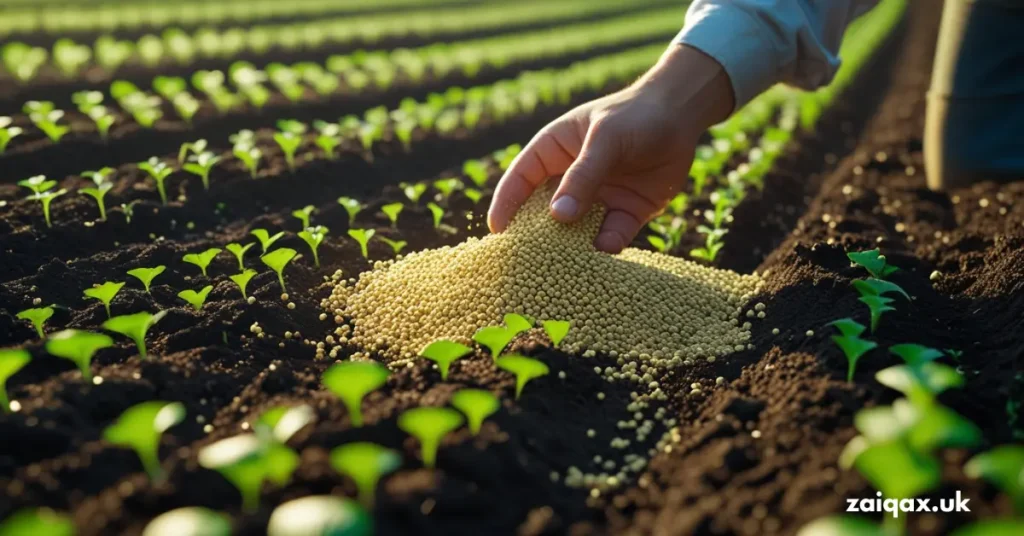
Growing a healthy food plot is not just about planting seeds and waiting for results. The real secret lies in giving your plants the right nutrition at the right time. One of the most popular and effective fertilizers for fast plant growth is 13 13 13 fertilizer. This balanced fertilizer provides essential nutrients that help food plot plants grow quickly, develop strong roots, and produce healthier yields.
In this detailed guide, we will explore everything you need to know about the best 13 13 13 fertilizer for food plots that works fast, how it works, how to apply it, and why it is a top choice for food plot success.
What Is 13 13 13 Fertilizer?
13 13 13 fertilizer is a balanced, all-purpose fertilizer. The numbers represent the percentage of three key nutrients:
- 13% Nitrogen (N) – Helps plants grow strong, green leaves.
- 13% Phosphorus (P) – Supports root development and flower production.
- 13% Potassium (K) – Improves plant strength and overall health.
Because all three nutrients are present in equal amounts, it works well for many types of food plot plants, including grains, legumes, brassicas, and leafy greens.
Why 13 13 13 Fertilizer Works Fast in Food Plots
One of the biggest reasons people prefer 13 13 13 fertilizer is its fast-acting formula. Once applied to the soil, nutrients become quickly available to plant roots. Here’s why it works so fast:
- It dissolves easily in moist soil
- Delivers nutrients directly to plant roots
- Encourages quick root establishment
- Boosts early-stage plant growth
This is especially useful for food plots, where quick growth is important to attract wildlife and maximize crop production.
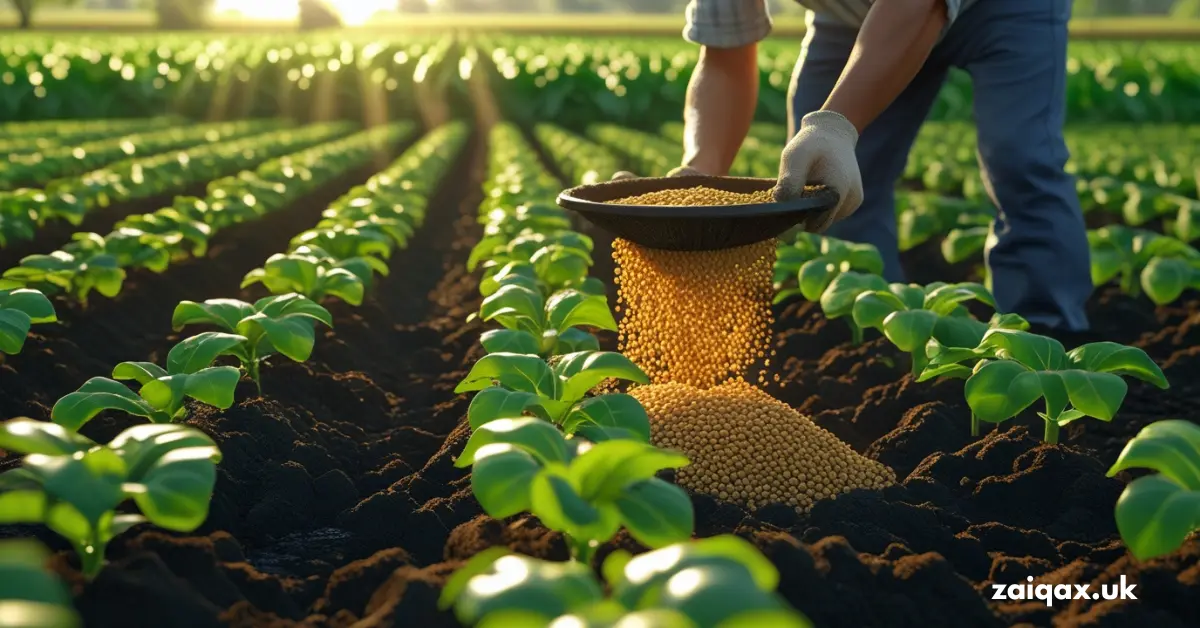
Benefits of Using 13 13 13 Fertilizer for Food Plots
Using the best 13 13 13 fertilizer for food plots comes with many powerful benefits.
1. Balanced Nutrition
Your plants receive a perfect balance of nitrogen, phosphorus, and potassium, leading to healthier overall growth.
2. Faster Germination and Growth
Seeds sprout quicker and plants develop faster, filling your food plot with thick, lush vegetation.
3. Strong Root System
Phosphorus in the fertilizer helps roots grow deep and strong, making plants more drought-resistant.
4. Improved Plant Health
Potassium strengthens plants and helps them resist disease and stress.
5. Better Attraction for Wildlife
Thick, healthy food plots attract deer and other wildlife more effectively.
Best Types of Food Plots for 13 13 13 Fertilizer
This fertilizer works very well with many food plot crops, including:
- Clover plots
- Wheat and oat plots
- Corn food plots
- Soybean plots
- Turnip and radish plots
- Winter rye plots
It is effective during both spring and fall planting seasons.
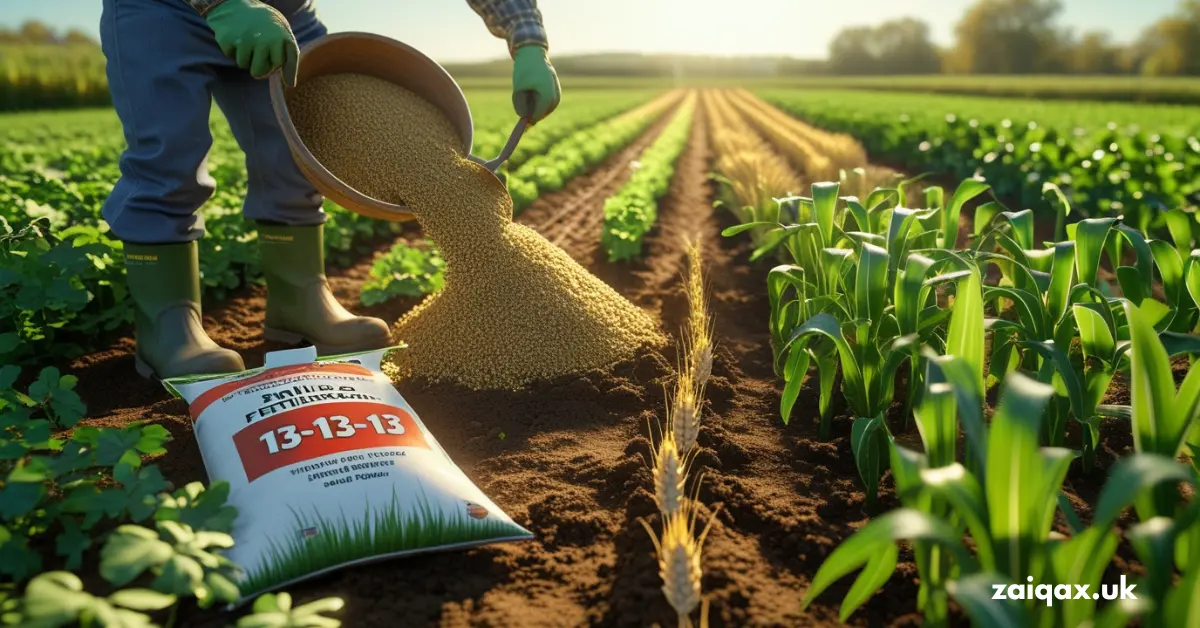
How to Choose the Best 13 13 13 Fertilizer for Food Plots
Not all fertilizers are made the same. Here’s what to look for when selecting the best one:
Granular vs. Liquid
- Granular fertilizer is ideal for slow, steady feeding.
- Liquid fertilizer works faster and shows quicker visible results.
For most food plots, granular 13 13 13 fertilizer is the best choice because it releases nutrients over time.
Slow-Release vs. Fast-Release
If you want quicker results, look for:
- Quick-release formulas
- Water-soluble types
- Enhanced nutrient absorption blends
These will work fast and efficiently in your food plot.
How Much 13 13 13 Fertilizer to Use Per Acre
Using the correct amount is essential. Too little won’t help much, and too much can damage plants.
Here is a simple guide:
- Light feeding: 150–200 lbs per acre
- Normal feeding: 200–300 lbs per acre
- Heavy feeding (nutrient-poor soil): 300–400 lbs per acre
A soil test is always the best way to determine the exact amount needed.
When to Apply 13 13 13 Fertilizer for Fast Results
Timing plays a big role in fertilizer performance.
Best Time for Application
- Right before planting
- At early plant growth stage
- Just before a rainfall or watering
Moist soil helps the fertilizer dissolve and move quickly into the root zone.
Step-by-Step Guide to Applying 13 13 13 Fertilizer
Here’s a simple and effective way to apply it:
Step 1: Prepare the Soil
- Clear weeds and debris
- Loosen compact soil
- Rake the surface smooth
Step 2: Spread the Fertilizer
- Use a broadcast spreader for even coverage
- Walk in straight lines to avoid missed spots
Step 3: Water the Soil
- Light watering helps nutrients soak in quickly
- Rain after application is perfect
Step 4: Monitor Plant Growth
- Look for greener leaves and faster growth within days
Common Mistakes to Avoid
Even the best fertilizer can cause problems if used incorrectly.
Avoid these mistakes:
- Over-fertilizing which can burn plants
- Applying on dry, cracked soil
- Spreading unevenly
- Ignoring soil pH levels
Always follow recommended rates for the best results.
Signs That Your Food Plot Needs 13 13 13 Fertilizer
Your plants will show clear signs when nutrients are lacking:
- Pale yellow leaves (nitrogen deficiency)
- Poor root growth (phosphorus deficiency)
- Weak stems (potassium deficiency)
- Slow overall growth
When you notice these signs, 13 13 13 fertilizer can quickly fix the problem.
Best Application Techniques for Faster Results
To get the fastest results from your fertilizer:
- Apply just before rain
- Lightly till the fertilizer into the topsoil
- Use consistent spread patterns
- Avoid applying during extreme heat
These techniques ensure nutrients reach the roots quickly.
Can You Mix 13 13 13 Fertilizer with Other Fertilizers?
Yes, it can be mixed in some cases, but it should be done carefully.
For example:
- Mix with lime if soil is too acidic
- Combine with organic compost for improved soil structure
- Avoid mixing with high-nitrogen fertilizers to prevent plant burn
Always test a small area first.
Is 13 13 13 Fertilizer Safe for Wildlife Food Plots?
Yes, when used properly, it is safe and effective.
It improves plant quality, which provides better nutrition for wildlife. Just make sure to follow correct application rates and avoid overuse.
Organic vs. Chemical 13 13 13 Fertilizer
There are both organic-style and chemical-based versions.
Organic-Style
- Releases nutrients more slowly
- Improves soil structure over time
Chemical-Based
- Works faster
- Delivers nutrients quickly to plants
For fast results, the chemical-based 13 13 13 fertilizer is usually more effective.
How Long Does 13 13 13 Fertilizer Take to Work?
You can expect visible results within:
- 3 to 5 days: Leaves start becoming greener
- 7 to 14 days: Strong, active growth is visible
- 3 to 4 weeks: Thick, healthy food plot coverage
The speed depends on soil moisture, temperature, and plant type.
Seasonal Tips for Using 13 13 13 Fertilizer
Spring Season
- Apply before seeds germinate
- Helps kick-start rapid early growth
Fall Season
- Strengthens root systems before cold weather
- Encourages strong plant establishment
Environmental Safety Tips
Even fast-acting fertilizers should be used responsibly.
- Avoid applying near water bodies
- Do not apply before heavy storms
- Store fertilizer in a dry place
These steps help protect your environment.
Why 13 13 13 Fertilizer Is Better Than Many Other Options
Compared to other fertilizers, 13 13 13 stands out because:
- It offers balanced nutrition
- Works quickly
- Suitable for many crop types
- Easy to apply
It is one of the most reliable fertilizers for fast food plot success.
Final Thoughts
When it comes to creating a healthy, fast-growing food plot, the best 13 13 13 fertilizer for food plots that works fast is a powerful tool. It delivers balanced nutrients, boosts early growth, strengthens roots, and improves plant health quickly and effectively.
By using the correct application rates, proper timing, and best spreading techniques, you can achieve a greener, denser, and more productive food plot in less time.
This fertilizer is a smart, reliable choice for anyone who wants fast, visible results and long-lasting food plot success.
FAQS
What plants benefit most from 13-13-13 fertilizer?
Lawns, vegetables, flowers, shrubs, and food plot crops that need balanced nutrition.
Which type of fertilizer will give the quickest results?
Liquid fertilizers or fast-release nitrogen fertilizers show results the fastest.
What is the best fertilizer for food plots?
Balanced fertilizers like 13-13-13 or 10-10-10 are ideal for overall growth and soil improvement.
When to use 13-13-13 fertilizer?
Use it at planting time or early growth stages when plants need equal nitrogen, phosphorus, and potassium.