

As we age, our bodies change in ways that affect how we process food. Metabolism slows down, digestion becomes more sensitive, and the risk of chronic diseases like heart disease, diabetes, and high blood pressure increases. While many seniors try to eat healthy, some everyday foods—often considered harmless—can quietly harm overall health.
In this guide, we’ll uncover 25 hidden worst foods for seniors that are commonly eaten daily. Understanding these foods can help you make smarter choices and protect your long-term well-being.
Why Diet Matters More After 60
Aging affects how your body reacts to nutrients. Seniors need more vitamins, minerals, and fiber—but fewer empty calories, sugar, and unhealthy fats.
Poor food choices can lead to:
- Weakened immunity
- Bone loss
- Digestive issues
- Memory decline
- Increased risk of chronic illness
That’s why identifying hidden unhealthy foods is essential.
25 Hidden Worst Foods for Seniors You Eat Daily
1. Processed Meats
Bacon, sausages, and deli meats are high in sodium and preservatives. These can increase blood pressure and raise the risk of heart disease.
2. White Bread
Made from refined flour, white bread lacks fiber and causes blood sugar spikes. It can worsen diabetes and weight gain.
3. Sugary Breakfast Cereals
Many cereals marketed as “healthy” are loaded with sugar. This leads to energy crashes and increased fat storage.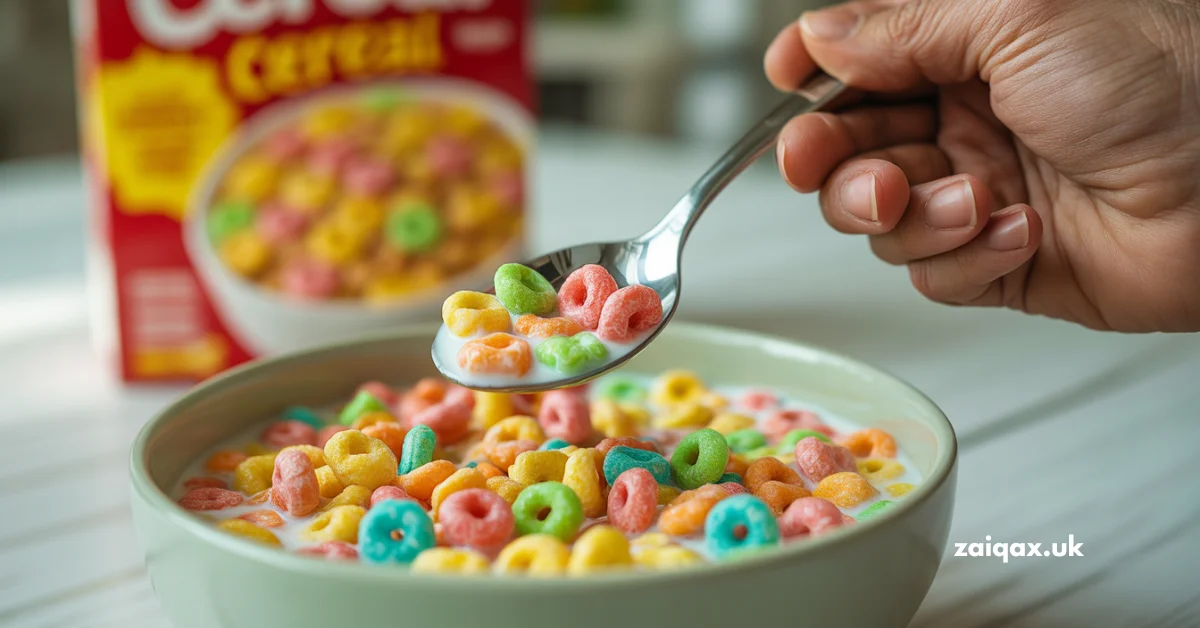
4. Canned Soups
Convenient but dangerous—canned soups often contain excessive sodium, which can strain the heart and kidneys.
5. Fried Foods
Fried chicken, fries, and snacks are high in unhealthy fats. These increase cholesterol and inflammation.
6. Packaged Snacks
Chips, crackers, and biscuits contain trans fats, sodium, and preservatives that harm heart health.
7. Soft Drinks
Sugary drinks contribute to weight gain, diabetes, and bone weakness due to high phosphorus levels.
8. Artificial Sweeteners
Often used as sugar substitutes, they may disrupt gut health and increase cravings.
9. Margarine
Some types contain trans fats that can increase bad cholesterol levels.
10. Ice Cream
High in sugar and saturated fat, ice cream can worsen heart health and blood sugar control.
11. Flavored Yogurt
Though yogurt is healthy, flavored versions contain added sugars that reduce its benefits.
12. White Rice
Low in fiber, white rice can spike blood sugar levels quickly.
13. Fast Food
Burgers, pizzas, and fried meals are high in calories, sodium, and unhealthy fats.
14. Energy Drinks
These contain high caffeine and sugar levels, which can affect heart rhythm and sleep.
15. Alcohol
Excessive alcohol can damage the liver, impair memory, and interact with medications.
16. Frozen Meals
Many frozen dinners are packed with sodium and preservatives to extend shelf life.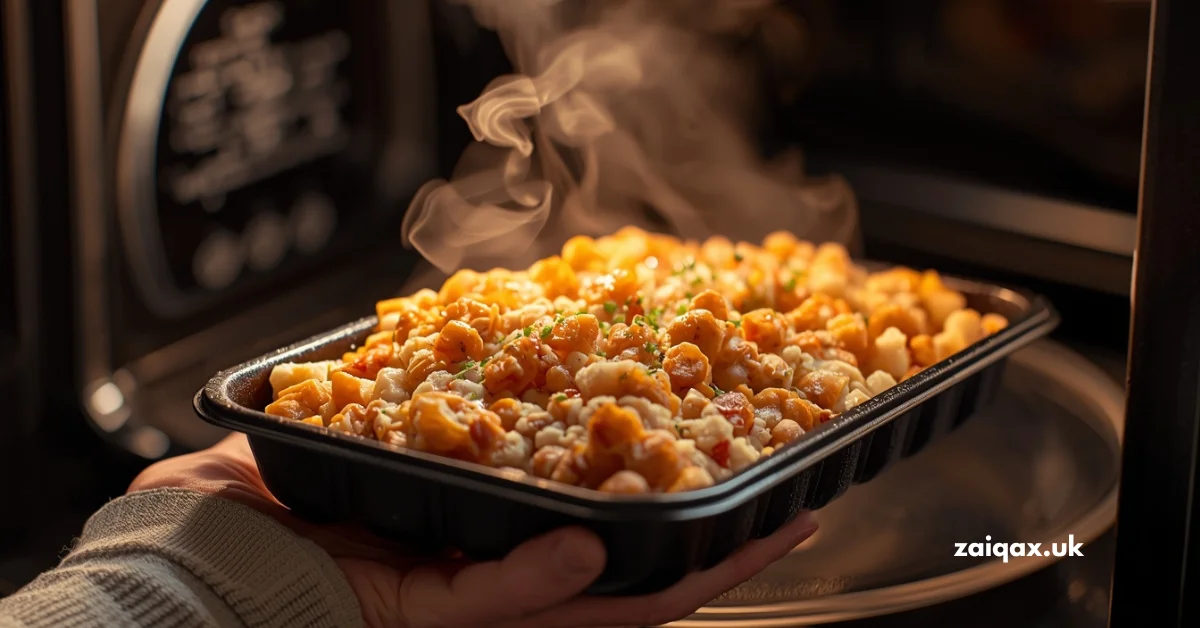
17. Pastries and Cakes
Loaded with sugar and refined flour, they contribute to obesity and diabetes.
18. Cream-Based Sauces
Rich sauces contain high levels of fat and calories that can strain digestion.
19. Fruit Juices (Packaged)
Even “100% juice” options often contain concentrated sugars without fiber.
20. Pickles
High salt content can increase blood pressure significantly.
21. Instant Noodles
Convenient but extremely high in sodium and low in nutrients.
22. Processed Cheese
Contains additives and high sodium levels that may affect heart health.
23. Sweetened Coffee Drinks
Flavored coffees can contain more sugar than desserts.
24. Store-Bought Salad Dressings
Many contain hidden sugars, unhealthy fats, and preservatives.
25. Refined Cooking Oils
Highly processed oils may increase inflammation in the body.
Why These Foods Are Dangerous for Seniors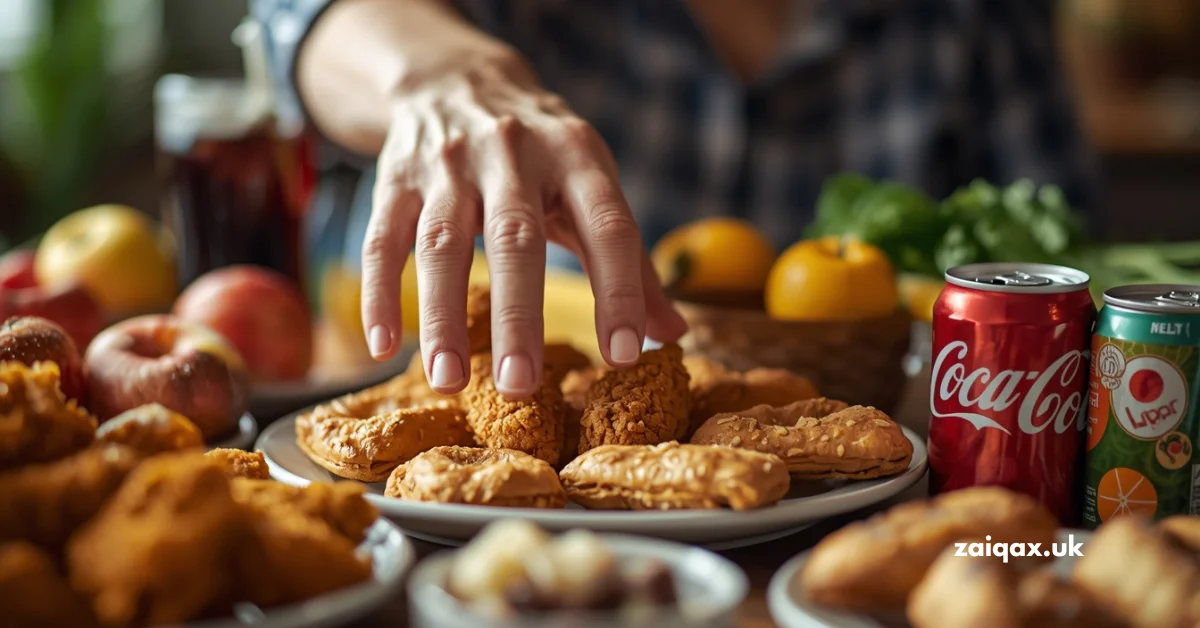
1. High Sodium Intake
Too much salt can lead to:
- High blood pressure
- Heart disease
- Kidney damage
2. Excess Sugar
High sugar consumption causes:
- Diabetes
- Weight gain
- Cognitive decline
3. Low Nutritional Value
Many processed foods lack:
- Fiber
- Vitamins
- Essential minerals
4. Increased Inflammation
Unhealthy fats and additives promote inflammation, which is linked to chronic diseases.
Healthier Alternatives Seniors Should Choose
Instead of harmful foods, focus on nutrient-rich options:
Whole Grains
- Brown rice
- Oats
- Whole wheat bread
Lean Proteins
- Chicken
- Fish
- Lentils
Healthy Fats
- Olive oil
- Nuts
- Avocados
Fresh Fruits and Vegetables
Rich in antioxidants, vitamins, and fiber.
Low-Fat Dairy
Provides calcium for strong bones.
Tips for Seniors to Eat Healthier Daily
1. Read Food Labels
Check for hidden sugars, sodium, and unhealthy fats.
2. Cook at Home
Homemade meals are healthier and free from preservatives.
3. Stay Hydrated
Drink enough water to support digestion and overall health.
4. Control Portion Sizes
Overeating—even healthy food—can cause weight gain.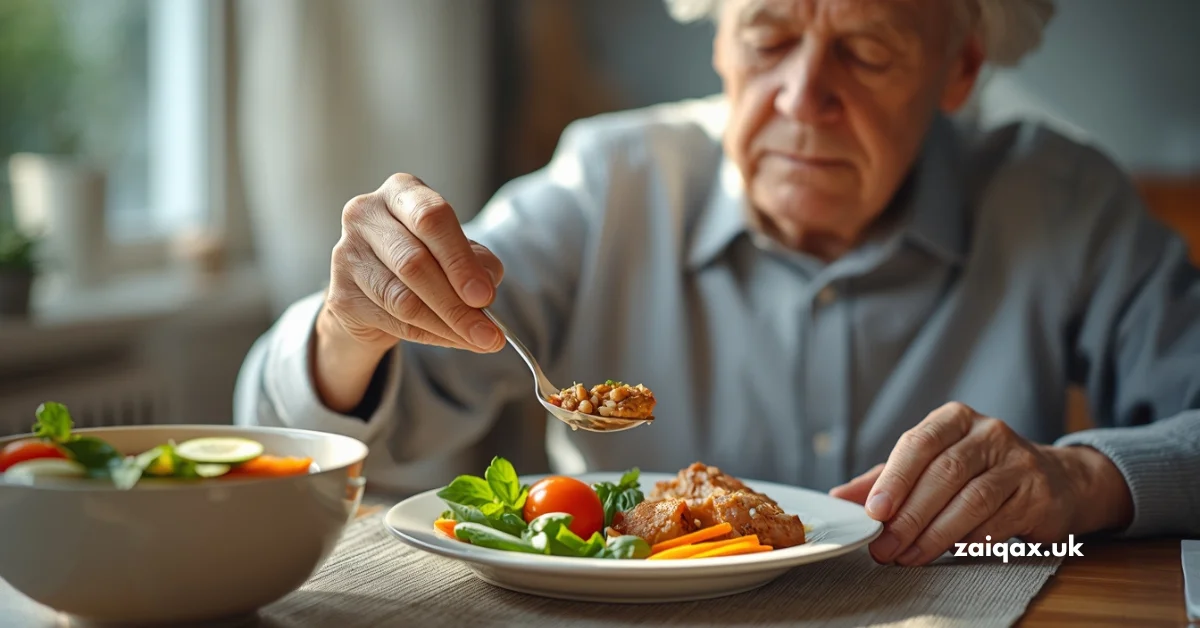
5. Limit Processed Foods
Focus on fresh and natural ingredients.
Common Mistakes Seniors Make
- Assuming “low-fat” means healthy
- Drinking fruit juice instead of eating whole fruit
- Skipping meals, leading to overeating later
- Relying too much on convenience foods
Final Thoughts
Many of the foods listed above are part of daily diets and may seem harmless—but over time, they can seriously impact health, especially for seniors. The key is not complete restriction but awareness and moderation.
By replacing these hidden worst foods with healthier alternatives, seniors can improve energy levels, protect their heart, and enjoy a better quality of life.
FAQs
1. What are the 7 healthiest foods for seniors?
Leafy greens, berries, fatty fish, nuts & seeds, whole grains, legumes, low-fat dairy.
2. What are the three foods seniors should avoid?
Processed meats, sugary drinks & sweets, fried foods.
3. What are the five toxic foods that destroy memory?
Sugary beverages, highly processed foods, refined carbs, artificial sweeteners, excess alcohol.
4. Which fruits should seniors not eat?
Grapes & raisins, ripe bananas, mangoes & lychees, canned fruits in syrup, dried fruits.