
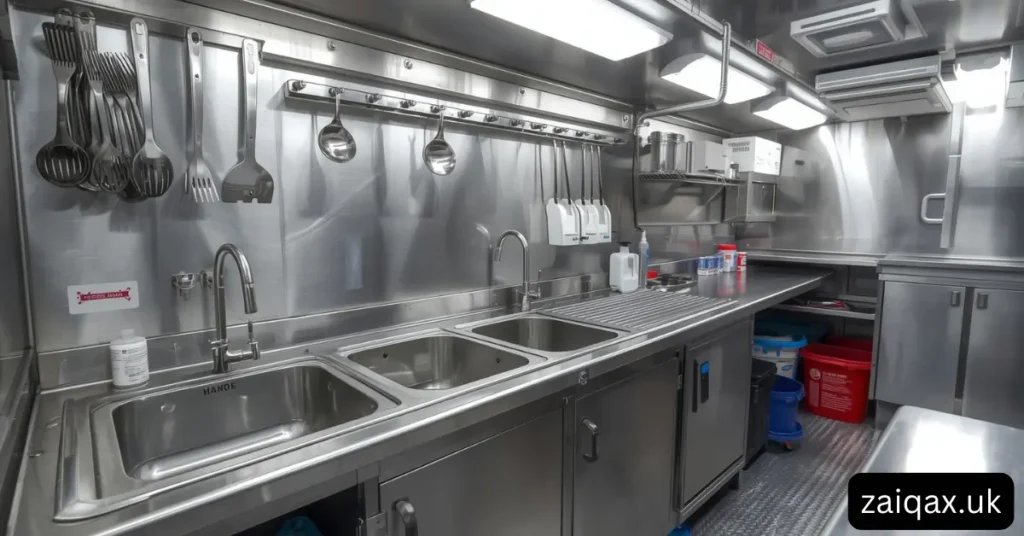
Running a food truck is exciting, but it also comes with serious responsibilities. One of the most important—and often misunderstood—requirements is the 4 compartment sink for food truck operations. Many food truck owners struggle with health inspections not because their food is bad, but because their sink setup is wrong.
This proven setup guide will walk you through everything you need to know about installing, using, and maintaining a 4 compartment sink in a food truck. The language is simple, the steps are practical, and the focus is on real compliance—not confusing rules.
If you want to pass inspections, protect your customers, and run a professional food truck, this guide is for you.
What Is a 4 Compartment Sink for a Food Truck
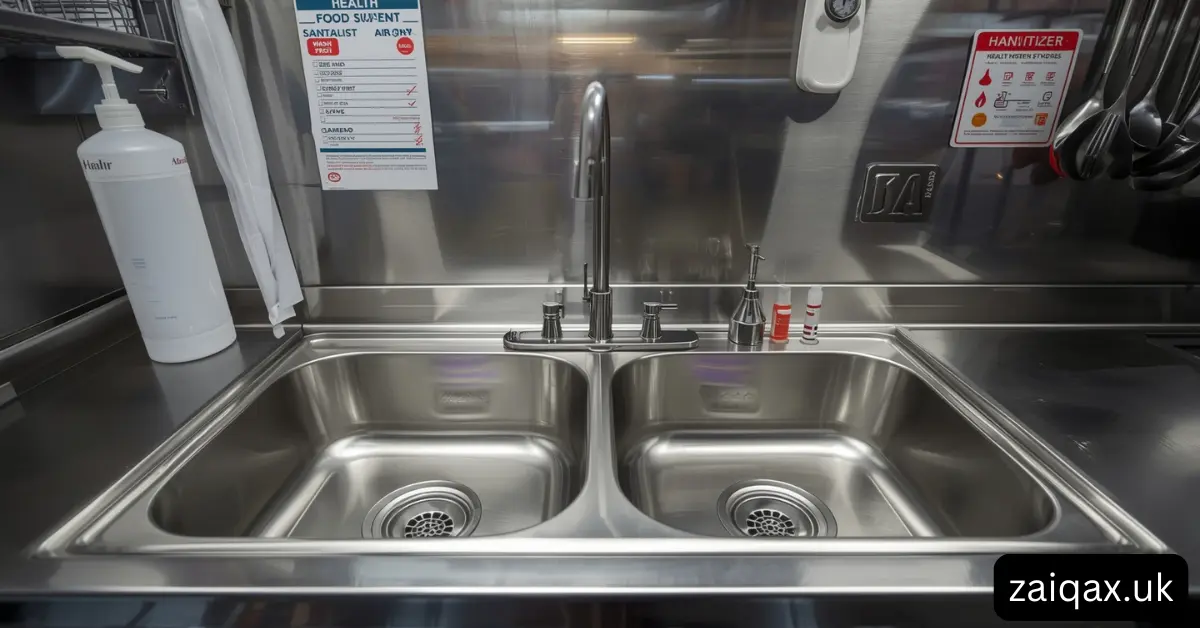
A 4 compartment sink for food truck use is a stainless-steel sink unit divided into four separate basins. Each compartment has a specific cleaning purpose that helps prevent contamination and keeps your kitchen safe.
Unlike a 3 compartment sink, which is common in restaurants, a 4 compartment sink adds an extra level of sanitation that many local health departments require for mobile food operations.
Why Food Trucks Need a 4 Compartment Sink
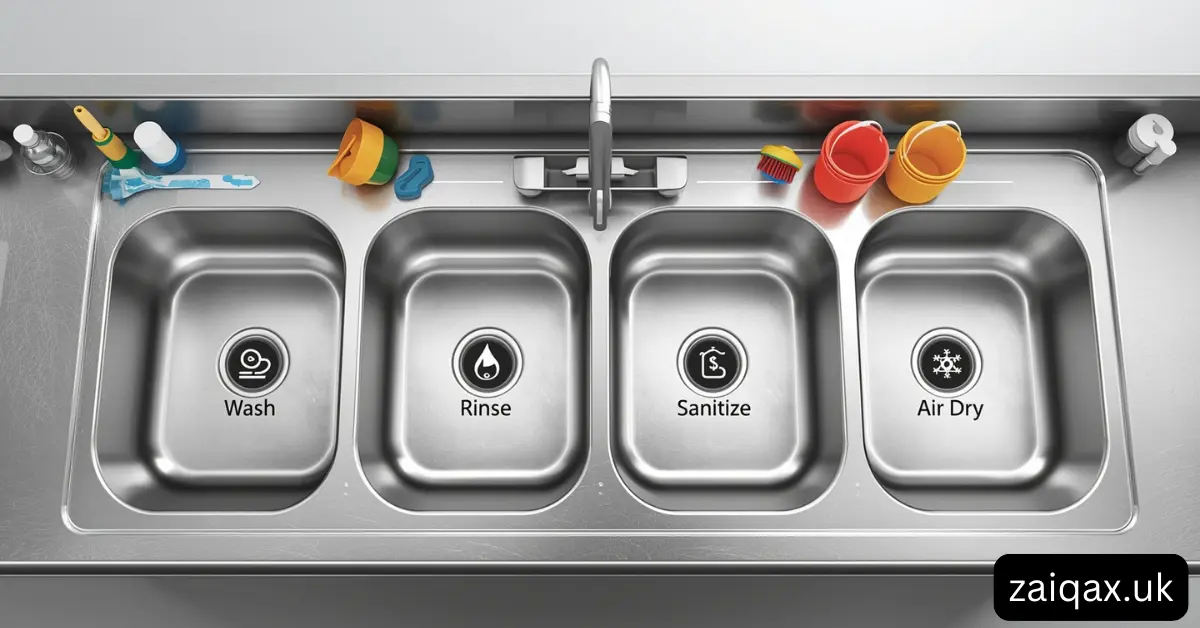
Food trucks operate in small spaces, serve high volumes, and face strict inspections. A 4 compartment sink allows you to:
- Clean utensils properly
- Sanitize equipment safely
- Control grease and food residue
- Meet mobile health code standards
- Avoid fines or shutdowns
Health inspectors often look at the sink before anything else.
The Four Compartments Explained Simply
Understanding how each compartment works is the foundation of a proven setup.
First Compartment – Pre-Rinse or Scrape
This sink is used to remove food scraps, grease, and debris.
- Scrape leftover food into the trash
- Rinse items with warm water
- No soap is used here
This step prevents dirty water from impairing the next sink.
Second Compartment – Wash
This is where actual cleaning happens.
- Use hot water
- Add approved dishwashing detergent
- Scrub utensils, pots, and tools thoroughly
This compartment removes grease and visible dirt.
Third Compartment – Rinse
The rinse compartment removes soap residue.
- Use clean, warm water
- No detergent or sanitizer
- Ensure items are completely soap-free
Skipping this step can cause sanitizer to fail later.
Fourth Compartment – Sanitize
This is the most critical compartment.
- Use approved sanitizer
- Follow correct concentration levels
- Allow proper contact time
Sanitizing kills bacteria and viruses that washing alone cannot remove.
Why Health Departments Prefer a 4 Compartment Sink
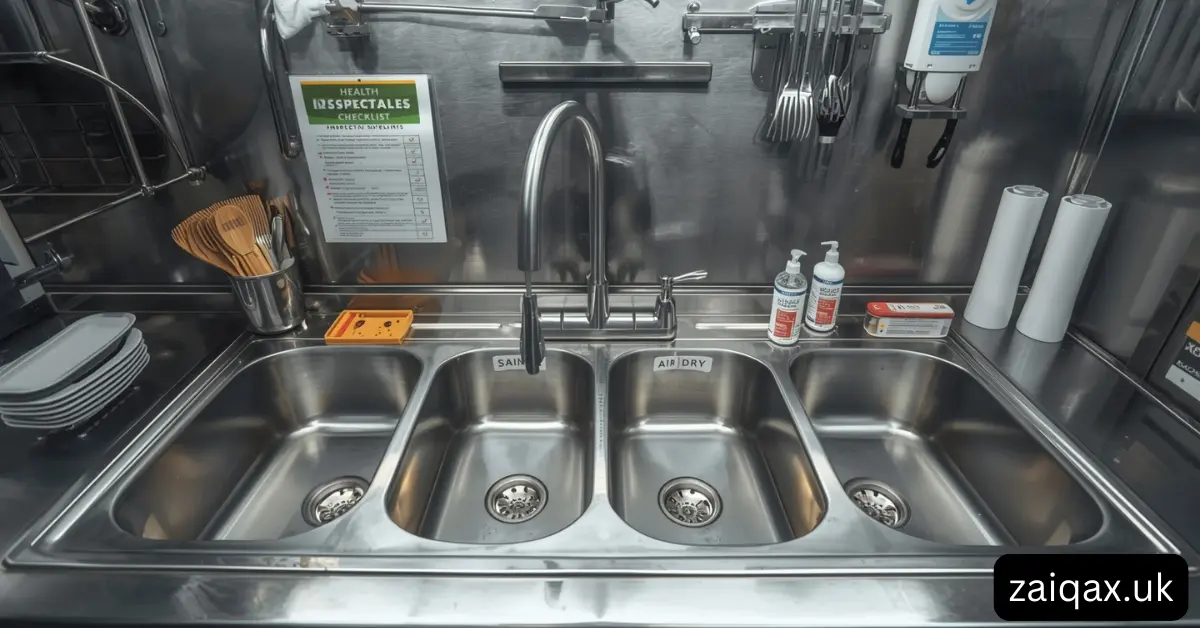
Health departments focus on food safety flow. A 4 compartment sink ensures a clear and controlled process.
Key Benefits for Inspectors
- Clear separation of cleaning stages
- Reduced cross-contamination risk
- Easier to monitor staff practices
- Better sanitation in tight food truck spaces
Many inspectors now expect a 4 compartment sink, especially for trucks handling raw meat, dairy, or high-risk foods.
Proven Setup Guide for a 4 Compartment Sink in a Food Truck
Setting up a sink is not just about installing steel basins. It is about workflow, plumbing, water supply, and compliance.
Step 1 – Choose the Right Sink Size
Space is limited in food trucks, so size matters.
Recommended features:
- Stainless steel construction
- Equal-sized compartments
- Rounded corners for easy cleaning
- Drainboards if space allows
Each compartment should be large enough to submerge your biggest utensil.
Step 2 – Plan the Placement Carefully
Your 4 compartment sink should be placed:
- Away from food prep surfaces
- Close to the handwashing sink but not shared
- Easily ready for staff
- Not blocking walkways
Good placement improves workflow and inspection results.
Step 3 – Water Supply Requirements
A proper water system is essential.
Fresh Water Tank
- Must supply all four compartments
- Food-grade material
- Adequate capacity for daily use
Hot Water
- Required for washing
- Must reach safe temperatures
- Consistent pressure is critical
Inspectors often check water temperature first.
Step 4 – Wastewater Management
Dirty water must be handled safely.
- Wastewater tank must be larger than fresh water tank
- Proper drainage from all four compartments
- No leaks or open hoses
Improper wastewater systems are a common reason for inspection failure.
Step 5 – Sanitizer Setup and Testing
The sanitized compartment must meet specific standards.
- Use approved sanitizer types
- Maintain proper concentration
- Use test strips daily
- Train staff on correct usage
Too weak or too strong sanitizer can both cause problems.
Daily Operating Procedure for a 4 Compartment Sink
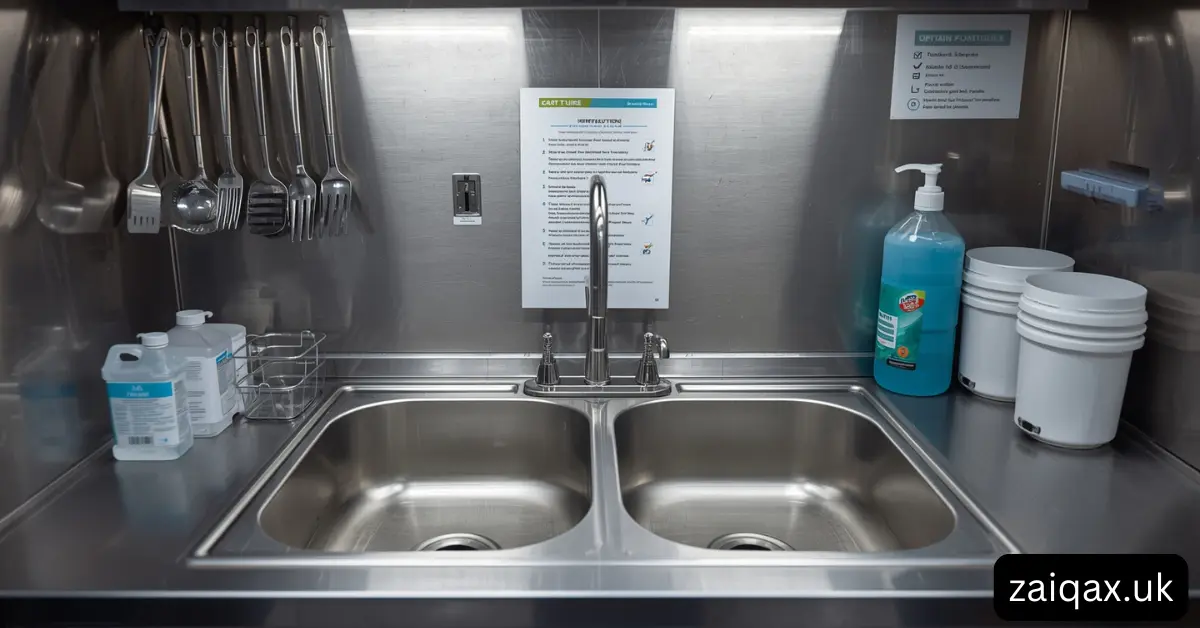
A proven setup is useless without proper daily use.
Step-by-Step Cleaning Process
- Scrape and rinse food debris
- Wash with hot soapy water
- Rinse with clean water
- Sanitize for required time
- Air dry only
Never towel-dry sanitized items.
Common Mistakes Food Truck Owners Make
Avoid these costly errors.
Using the Sink as Storage
Health inspectors hate this.
- No utensils stored in sinks
- No food containers placed inside
- Sinks must stay clean and empty when not in use
Skipping the First Compartment
Many operators jump straight to washing.
This leads to:
- Dirty wash water
- Poor sanitation
- Inspection violations
Incorrect Sanitizer Levels
Guessing sanitizer strength is risky.
- Always test
- Always document
- Always train staff
Cleaning Schedule for Compliance
steadiness matters..
Daily Tasks
- Drain and clean all compartments
- Sanitize sink surfaces
- Check drain flow
Weekly Tasks
- Deep clean plumbing lines
- Inspect seals and fittings
- Review staff procedures
Training Your Staff the Right Way
Even the best sink fails if staff are confused.
Training Tips
- Label each compartment clearly
- Post simple instructions nearby
- Demonstrate the full process
- Correct mistakes immediately
Well-trained staff impress inspectors.
Inspection Day Tips for 4 Compartment Sink Success
When inspection day arrives, confidence is key.
Before the Inspector Arrives
- Fill fresh water tank
- Heat water properly
- Prepare sanitizer correctly
- Clear sinks completely
During Inspection
- Explain your process calmly
- Show sanitizer test strips
- display cleaning flow if asked
Preparation prevents panic.
Cost Considerations and Budget Planning
A 4 compartment sink is an investment, not a cost.
Typical Expenses Include
- Sink unit
- Plumbing materials
- Water tanks
- Installation labor
- Maintenance supplies
Cutting corners here usually costs more later.
Long-Term Benefits of a Proper 4 Compartment Sink Setup
When installed and used correctly, the benefits are huge.
Business Advantages
- Faster inspections
- Fewer violations
- Better hygiene reputation
- Grow customer trust
- Less downtime
Food safety equals business stability.
Frequently Asked Questions About 4 Compartment Sink for Food Truck
Is a 4 compartment sink always required
Requirements vary, but many food trucks benefit from it, especially those preparing complex meals.
Can I replace it with a 3 compartment sink
In some areas yes, but many inspectors prefer four compartments for mobile units.
Does it replace a handwashing sink
No. A handwashing sink is always separate and required.
Proven Maintenance Tips to Extend Sink Life
Take care of your sink and it will take care of you.
- Clean daily
- Avoid harsh chemicals
- Fix leaks immediately
- Replace worn gaskets
- Keep drains clear
Preventive maintenance saves money.
Why This Proven Setup Guide Works
This guide focuses on real-world food truck conditions, not textbook rules.
It works because it:
- Prioritizes workflow
- Reduces inspection stress
- Prevents common mistakes
- Keeps staff consistent
- Aligns with health expectations
Final Thoughts
A 4 compartment sink for food truck operations is more than a compliance item—it is the backbone of your sanitation system. When set up properly and used consistently, it protects your customers, your staff, and your business.
Follow this proven setup guide, train your team, and maintain your system daily. Inspections will feel routine instead of terrifying, and your food truck will run smoother than ever.
Food safety is not optional. With the right sink setup, it becomes simple.
FAQS
What is a 4 compartment sink used for in a food truck?
It is used for washing, rinsing, sanitizing utensils, and having a separate sink for food prep or air drying.
Is a 4 compartment sink required for all food trucks?
Not always, but many health departments require it depending on your menu and local food safety rules.
How is a 4 compartment sink different from a 3 compartment sink?
A 4 compartment sink adds an extra section, usually for pre-wash, food prep, or air drying.
What materials are best for a food truck sink?
Stainless steel is best because it is durable, rust-resistant, and easy to clean.
Does a 4 compartment sink help pass health inspections?
Yes, it helps meet sanitation standards and shows compliance with food safety regulations.