
Introduction to Urea 4600 Fertilizer
Urea 4600 fertilizer is one of the most widely used nitrogen fertilizers in agriculture today.
Farmers across the world rely on it because it delivers fast results, improves crop growth, and is
cost-effective. Whether you grow wheat, rice, maize, vegetables, or fruits, urea 4600 fertilizer plays a key role in boosting plant health and yield.
Farmers who want strong vegetative growth, greener leaves, and better crop performance.
What Is Urea 4600 Fertilizer?
Urea 4600 fertilizer is a nitrogen-based fertilizer that contains 46 percent nitrogen, which is
why it is commonly called “46-0-0.” The numbers represent the fertilizer’s nutrient composition:
● 46% Nitrogen
● 0% Phosphorus
● 0% Potassium
Nitrogen is the most important nutrient for plant growth, especially during early and middle
growth stages. Urea 4600 fertilizer provides this nitrogen in a highly concentrated and efficient
form.
Urea itself is a white, crystalline, water-soluble substance that is easy to handle and apply.
Because of its high nitrogen content, smaller amounts are needed compared to many other fertilizers.
Why Nitrogen Is So Important for Plants
Before understanding why urea 4600 fertilizer is so effective, it is important to know why
nitrogen matters.
Nitrogen helps plants in the following ways:
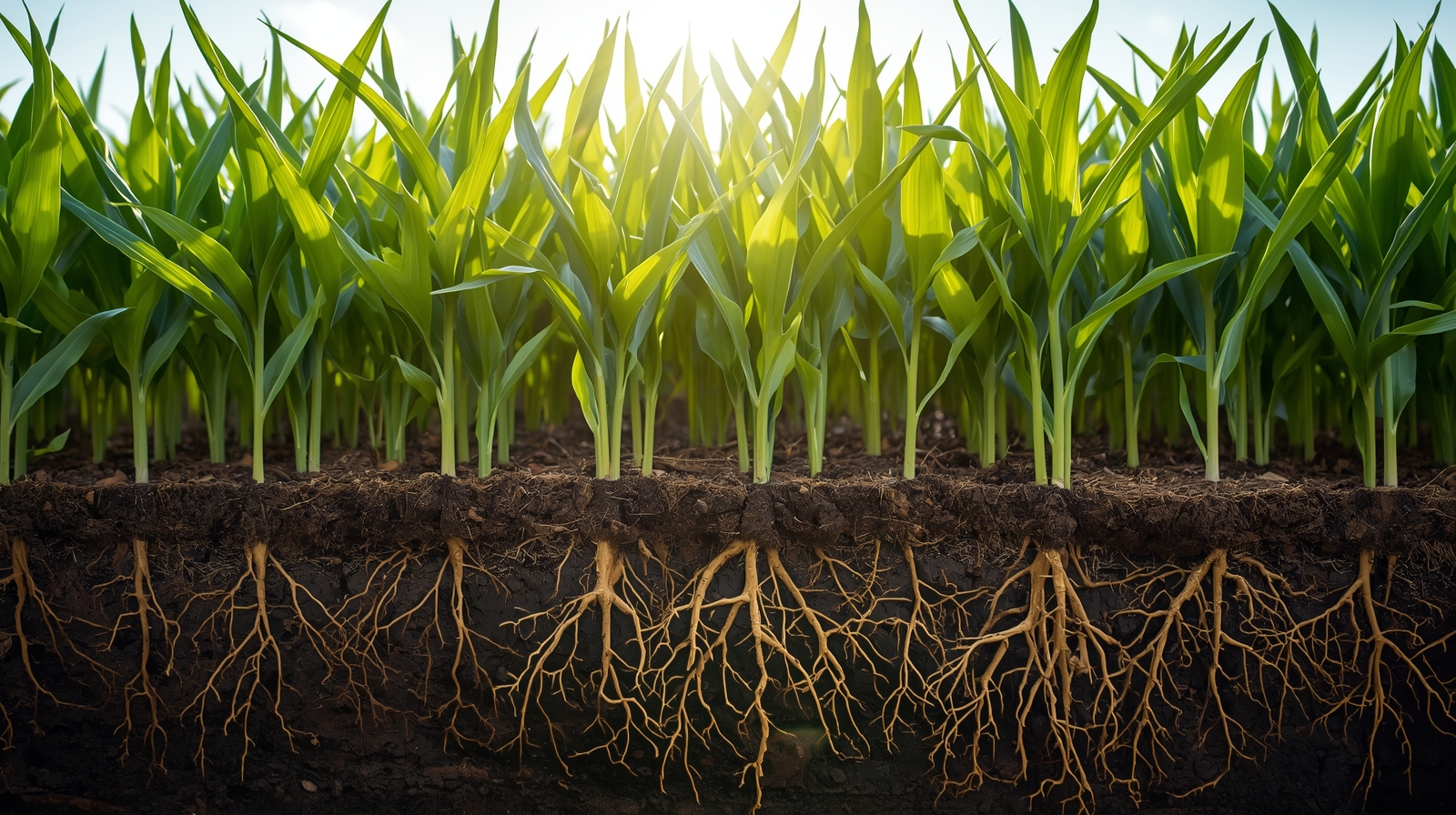
● Promotes rapid leaf growth
● Enhances green color through chlorophyll production
● Improves photosynthesis
● Supports protein formation in plants
● Increases overall plant vigor
Without enough nitrogen, plants appear weak, pale, and stunted. Leaves may turn yellow,
growth slows down, and crop yield drops significantly. Urea 4600 fertilizer solves this problem by
supplying nitrogen quickly and efficiently.
How Urea 4600 Fertilizer Works in Soil
When urea 4600 fertilizer is applied to soil, it does not feed plants immediately. First, it goes
through a natural transformation process.
Step-by-Step Process:
1. Urea Conversion
Soil enzymes convert urea into ammonium carbonate.
2. Ammonium Formation
Ammonium becomes available for plant roots to absorb.
3. Nitrification
Soil bacteria convert ammonium into nitrate, another usable form of nitrogen.
Both ammonium and nitrate are essential nitrogen forms that plants can easily absorb.
This process makes urea 4600 fertilizer a fast-acting and efficient nitrogen source.
Main Benefits of Urea 4600 Fertilizer
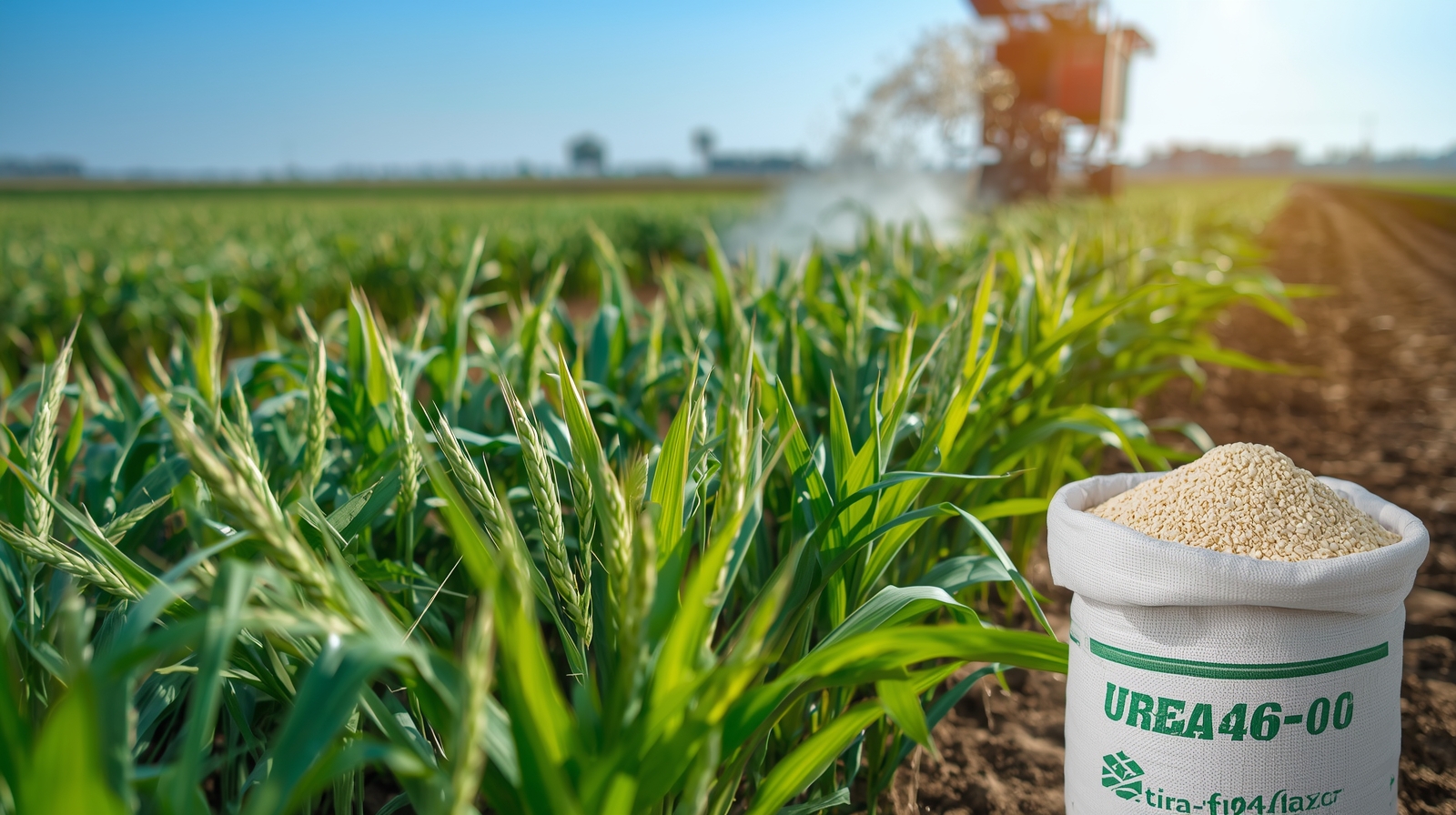
Urea 4600 fertilizer is popular for many reasons. Below are its most important benefits.
High Nitrogen Concentration
With 46 percent nitrogen, urea 4600 fertilizer provides more nitrogen per bag than most other
fertilizers. This reduces transportation, storage, and application costs.
Fast Plant Response
Plants respond quickly after application. Leaves become greener, growth speeds up, and crops
look healthier within a short time.
Cost-Effective Fertilizer
Because of its high nutrient content, urea 4600 fertilizer is often more affordable per unit of
nitrogen than other options.
Easy to Store and Apply
Urea granules are uniform, dry, and easy to spread manually or with machines.
Suitable for Many Crops
Urea 4600 fertilizer works well for cereals, vegetables, fruits, fodder crops, and even lawns.
Crops That Benefit Most from Urea 4600 Fertilizer
Urea 4600 fertilizer is extremely versatile. It can be used on almost all crops, especially those
that need high nitrogen levels.
Cereal Crops
● Wheat
● Rice
● Maize
● Barley
● Sorghum
Vegetable Crops
● Spinach
● Lettuce
● Cabbage
● Tomatoes
● Potatoes
Fruit Crops
● Citrus fruits
● Bananas
● Mango trees
● Apple orchards
Fodder and Grass
● Pasture grass
● Alfalfa
● Napier grass
These crops show strong growth and higher yields when urea 4600 fertilizer is applied correctly.
How to Apply Urea 4600 Fertilizer Correctly
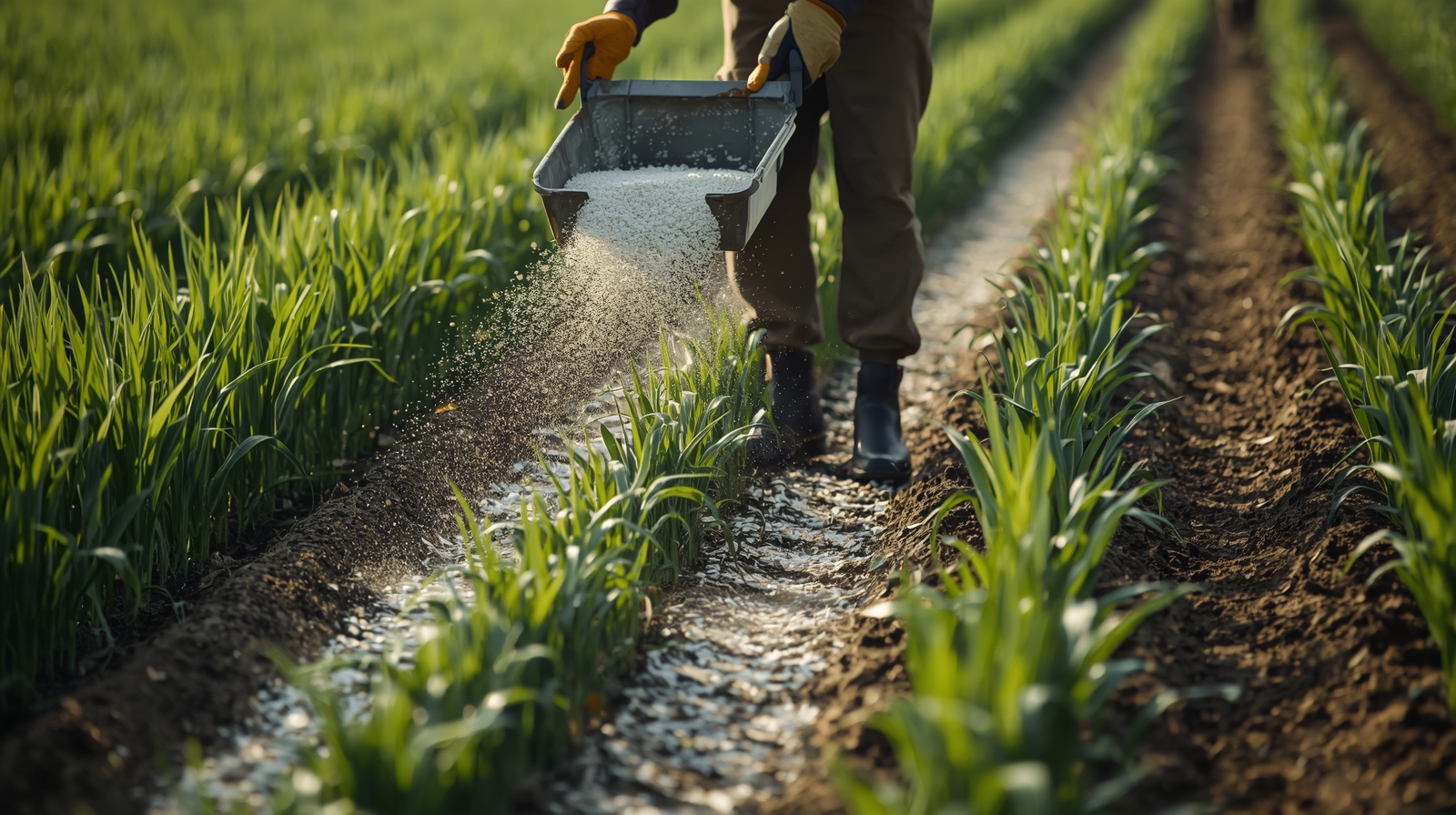
Correct application is very important to get the best results and avoid nitrogen loss.
Soil Application Method
This is the most common method.
● Spread urea evenly over the soil
● Incorporate it lightly into the soil
● Apply before irrigation or rainfall
This method reduces nitrogen loss and improves absorption.
Top Dressing Method
Used during crop growth stages.
● Apply urea between crop rows
● Irrigate immediately after application
Top dressing is especially effective for wheat and rice crops.
Foliar Application (Limited Use)
Urea can also be dissolved in water and sprayed on leaves in low concentrations.
● Used only when quick correction is needed
● Must be applied carefully to avoid leaf burn
Best Time to Use Urea 4600 Fertilizer
Timing plays a major role in fertilizer effectiveness.
Early Growth Stage
Nitrogen is most needed during early plant growth. Applying urea 4600 fertilizer at this stage
encourages strong roots and healthy leaves.
Tillering or Vegetative Stage
For crops like wheat and rice, this stage is critical. Urea application here increases tiller
formation and yield potential.
Avoid Late Application
Late application may increase leaf growth but reduce fruit or grain quality.
Recommended Dosage of Urea 4600 Fertilizer
Dosage depends on crop type, soil fertility, and climate.
General Guidelines
● Wheat: 2 to 3 bags per acre (split application)
● Rice: 2 to 4 bags per acre
● Maize: 2 bags per acre
● Vegetables: Small doses applied multiple times
● Fruit trees: Applied around the root zone
Soil testing is always recommended to determine exact needs.
Common Mistakes When Using Urea 4600 Fertilizer
Many farmers do not get full benefits because of improper use.
Overuse of Urea
Too much nitrogen can cause:
● Excessive leaf growth
● Weak stems
● Delayed maturity
● Reduced crop quality
Surface Application Without Water
Applying urea without irrigation can cause nitrogen loss through evaporation.
Applying During Hot Weather
High temperatures increase nitrogen loss and reduce efficiency.
Ignoring Soil Health
Using only urea without balanced nutrients can lead to soil degradation.
Environmental Impact of Urea 4600 Fertilizer
While urea 4600 fertilizer is effective, misuse can harm the environment.
Nitrogen Loss
Nitrogen can escape into the air or leach into groundwater if not applied correctly.
Soil Imbalance
Long-term overuse may reduce soil organic matter and microbial activity.
Sustainable Use Practices
● Use recommended doses
● Apply during cooler hours
● Combine with organic matter
● Practice crop rotation
Responsible use protects both crops and the environment.
Urea 4600 Fertilizer vs Other Nitrogen Fertilizers
Urea vs Ammonium Sulfate
● Urea has higher nitrogen content
● Ammonium sulfate adds sulfur
● Urea is more cost-effective
Urea vs Calcium Ammonium Nitrate
● Urea is easier to store
● CAN works faster in cold soils
● Urea is more concentrated
Each fertilizer has its use, but urea 4600 fertilizer remains the most popular due to its efficiency
and affordability.
Storage and Handling of Urea 4600 Fertilizer
Proper storage ensures quality and safety.
● Store in a dry place
● Keep bags sealed
● Protect from moisture
● Avoid direct sunlight
● Keep away from children and animals
Moisture can cause urea to harden and lose effectiveness.
Urea 4600 Fertilizer for Home Gardening
Urea 4600 fertilizer is not only for large farms. Home gardeners can also benefit.
Lawn Care
● Makes grass greener
● Promotes dense growth
● Apply in small amounts
Vegetable Gardens
● Boosts leafy vegetables
● Apply carefully and water well
Always dilute properly and avoid overuse in home gardens.
Signs Your Crop Needs Urea 4600 Fertilizer
Plants show clear signs when nitrogen is lacking.
● Yellowing of older leaves
● Slow growth
● Weak stems
● Poor yield
Applying urea 4600 fertilizer at the right time can quickly correct these problems.
Combining Urea 4600 Fertilizer with Other Nutrients
For best results, urea should be part of a balanced fertilization plan.
● Combine with phosphorus for root development
● Add potassium for disease resistance
● Use organic matter for soil health
Balanced nutrition ensures sustainable productivity.
Frequently Asked Questions About Urea 4600 Fertilizer
Is urea 4600 fertilizer safe for crops?
Yes, when used correctly and at recommended rates.
Can urea be mixed with other fertilizers?
Yes, but compatibility should be checked.
How fast does urea work?
Visible results often appear within 7 to 10 days.
Is urea suitable for all soils?
Yes, but application method may vary.
Future of Urea 4600 Fertilizer in Agriculture
With rising food demand, nitrogen fertilizers will remain essential. Improved application
techniques, better soil management, and controlled use will ensure urea 4600 fertilizer
continues to support global agriculture without harming the environment.
Farmers who use it wisely will achieve higher yields, better quality crops, and long-term soil
health