
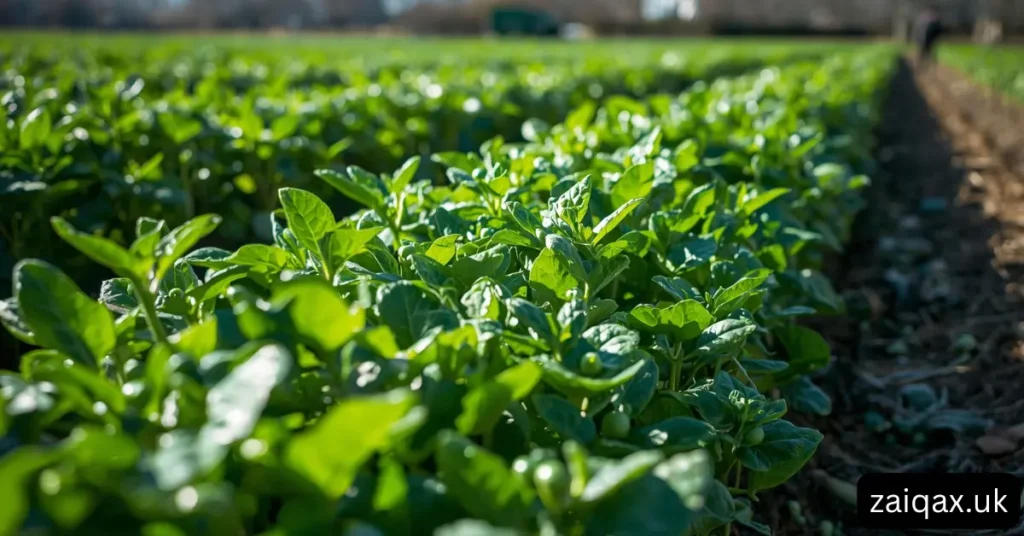
Austrian winter peas are a powerhouse when it comes to planting food plots. They are not only nutritious for wildlife like deer and rabbits but also excellent for improving soil health. If you’re looking to establish a fast-growing, productive food plot, understanding how to grow Austrian winter peas effectively can make all the difference. This guide will walk you through proven tips to grow Austrian winter peas food plot fast, from soil preparation to harvesting.
What Are Austrian Winter Peas?
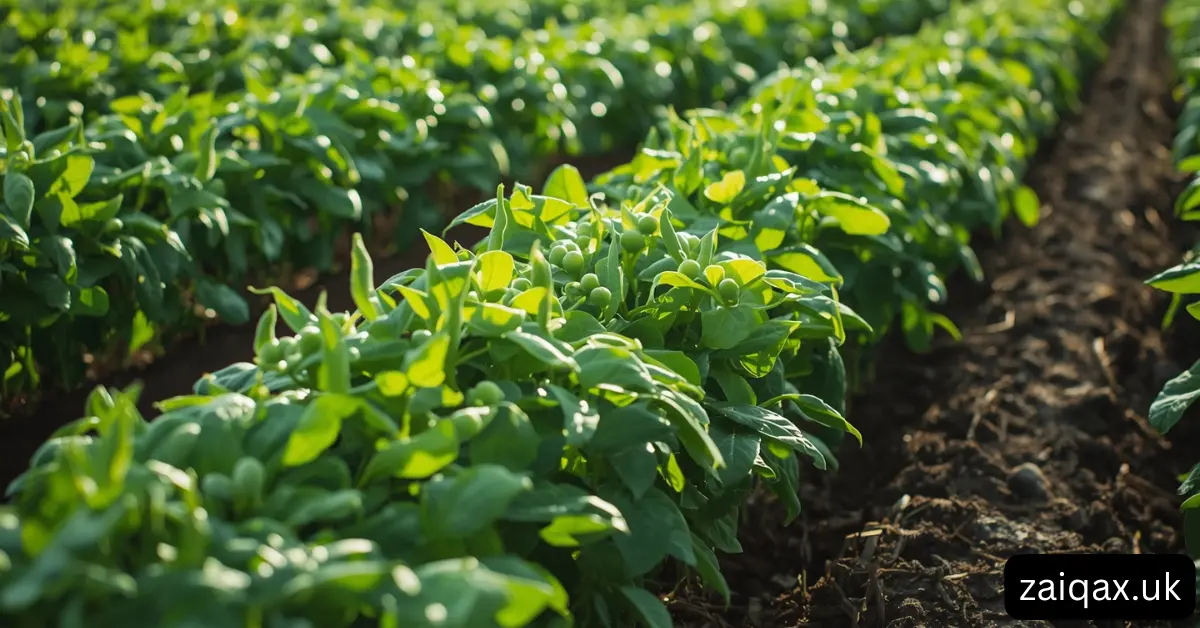
Austrian winter peas (Pisum sativum subsp. arvense) are a type of legume that thrives in cooler weather. Unlike other peas, they are extremely hardy and can tolerate frost, making them perfect for fall or early winter planting. These peas are high in protein, making them a favorite among wildlife and livestock.
Some of the key benefits of Austrian winter peas include:
- Fast growth: They establish quickly and provide green cover in weeks.
- Soil enrichment: They fix nitrogen naturally, improving soil fertility.
- Wildlife attraction: Deer, rabbits, and other herbivores love them.
- Erosion control: Their dense growth helps prevent soil erosion.
Because of these benefits, Austrian winter peas are a popular choice for hunters, farmers, and gardeners alike.
Why Grow Austrian Winter Peas Food Plots?
Growing a food plot with Austrian winter peas offers multiple advantages. Not only do they provide a reliable food source for wildlife, but they also enhance soil health for future crops. Fast-growing peas can give you a green, nutrient-rich plot in just a few weeks, even in cooler weather.
Some reasons to grow Austrian winter peas food plots include:
- Wildlife nutrition: They provide protein and energy for deer during colder months.
- Early spring forage: Peas planted in late summer or fall can continue producing into early spring.
- Soil improvement: Their nitrogen-fixing ability reduces the need for synthetic fertilizers.
- Cover crops: They act as natural mulch, protecting soil from winter erosion.
If your goal is to grow a food plot fast, Austrian winter peas are one of the most reliable and versatile options.
Choosing the Right Location
The success of your Austrian winter peas food plot starts with selecting the right location. Choosing an area with optimal sunlight, drainage, and soil quality can significantly impact growth speed.
Sunlight
Austrian winter peas thrive in full sun but can tolerate partial shade. Ideally, choose a spot that gets 6–8 hours of sunlight daily. Sunlight encourages rapid growth and enhances plant health.
Soil Type and Drainage
These peas prefer well-drained, loamy soils with a pH between 6.0 and 7.0. While they can tolerate clay or sandy soils, proper drainage is essential to prevent root rot and slow growth. Avoid low-lying areas where water tends to accumulate.
Plot Size
Your plot size depends on your goals. For wildlife attraction, 1/4 to 1/2 acre is often sufficient. Larger plots work well for multiple purposes, including grazing, cover crops, and soil improvement.
Preparing the Soil for Fast Growth
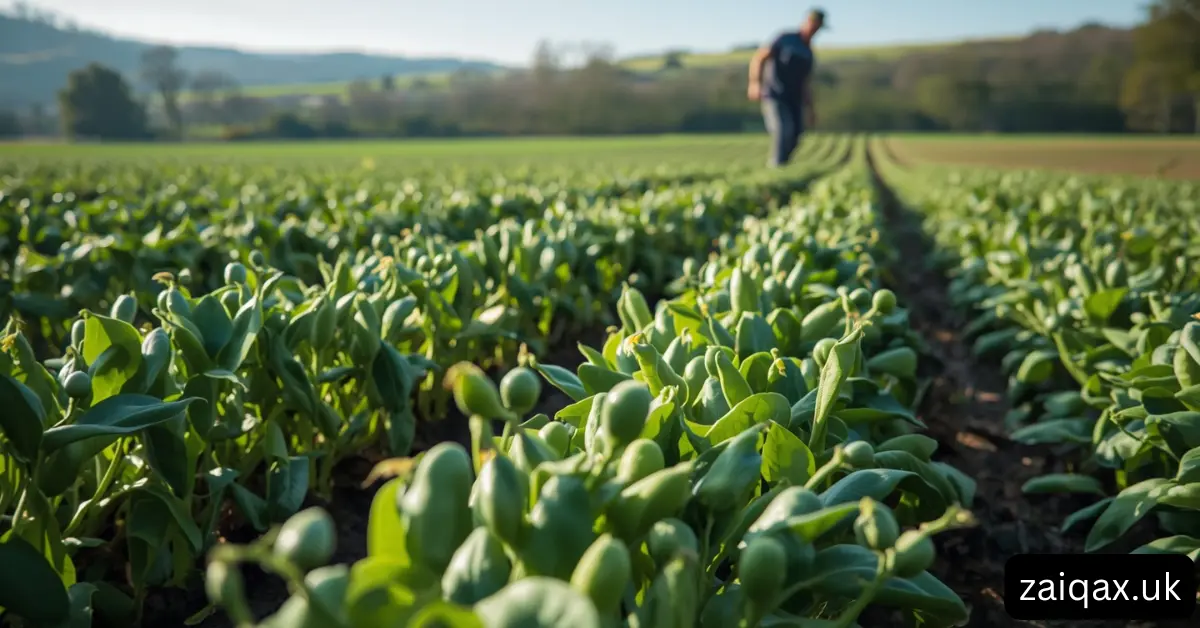
Proper soil preparation is crucial for establishing Austrian winter peas quickly. Fast growth starts with fertile, loose soil that allows roots to spread easily.
1. Clear the Land
Remove existing weeds, grass, and debris. Austrian winter peas compete poorly with aggressive weeds, so starting with a clean plot is essential.
2. Soil Testing
Conduct a soil test to check nutrient levels and pH. Austrian winter peas respond well to balanced fertility, especially phosphorus and potassium. If your soil is acidic, add lime to bring pH to optimal levels.
3. Tilling or No-Till Options
You can choose between tilling the soil or using a no-till method.
- Tilling: Loosens compacted soil, mixes in nutrients, and provides a seedbed for rapid growth.
- No-till: Works well for existing vegetation. You may need to broadcast seeds and lightly drag them into the soil for good seed-to-soil contact.
4. Fertilization
While Austrian winter peas fix nitrogen naturally, they benefit from starter fertilizer high in phosphorus and potassium. Apply fertilizer according to soil test recommendations to encourage fast root and vine growth.
Selecting the Best Austrian Winter Peas Variety
Choosing the right variety can speed up your food plot growth. Some popular types include:
- Austrian Winter Pea ‘Austrian Winter’: Fast-growing, frost-tolerant, and ideal for wildlife plots.
- Austrian Winter Pea ‘Austrian Red’: Produces attractive red pods and provides dense cover.
- Mixed Varieties: Combining pea types can offer extended growing periods and diverse forage.
Selecting a certified seed ensures high germination rates and reduces the risk of disease.
Planting Austrian Winter Peas for Fast Growth
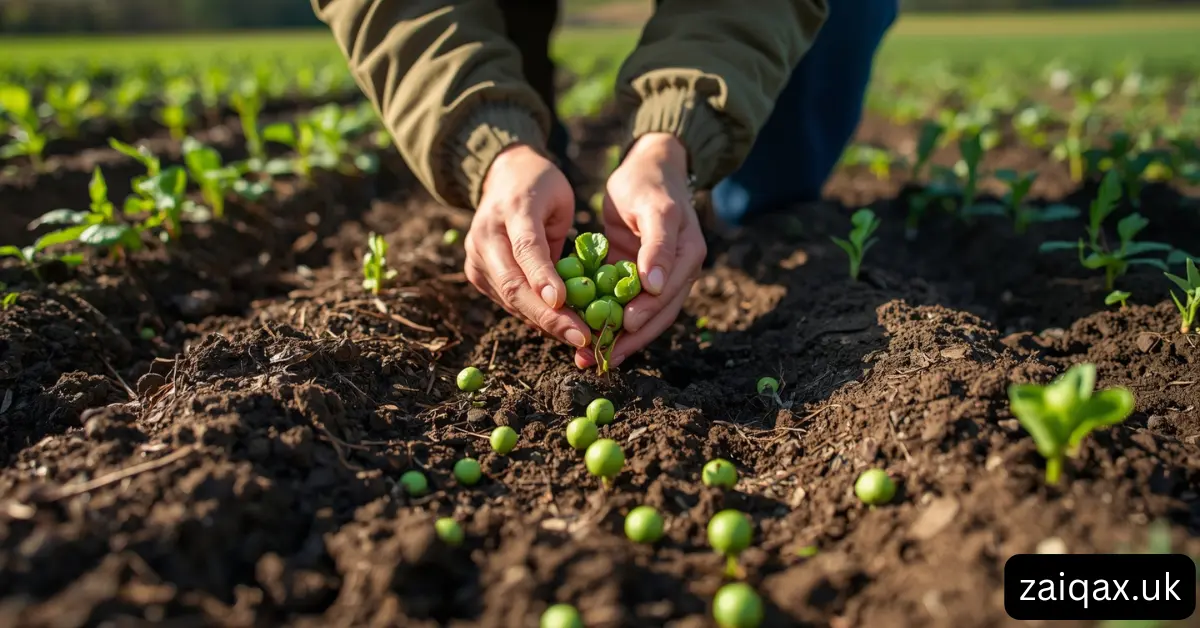
Timing, seeding rate, and planting method are critical for rapid establishment.
Planting Time
- Fall Planting: 6–8 weeks before the first expected frost. This allows peas to establish before winter.
- Spring Planting: As soon as soil can be worked. Peas grow quickly in cool spring temperatures.
Seeding Rate
- Broadcast Method: 75–100 pounds per acre.
- Drilled Method: 60–80 pounds per acre.
Drilling seeds ensures better seed-to-soil contact, improving germination and speed of growth.
Depth and Spacing
Plant seeds 1–2 inches deep. Avoid planting too deep, as shallow planting encourages faster emergence. Space seeds 2–3 inches apart for optimal coverage.
Watering and Irrigation Tips
While Austrian winter peas are drought-tolerant once established, young seedlings need consistent moisture for rapid growth.
- Initial Watering: Water immediately after planting to help seeds germinate.
- Regular Watering: Maintain even soil moisture until peas are 6–8 inches tall.
- Avoid Overwatering: Excess water can lead to root rot and slow growth.
Using drip irrigation or a light sprinkler system ensures uniform watering and promotes fast, healthy growth.
Weed and Pest Management
Weeds and pests can significantly slow down Austrian winter peas. Fast-growing plots require proactive management.
Weed Control
- Pre-planting: Use a clean seedbed or herbicide if necessary.
- Post-planting: Light cultivation or mowing before peas emerge can reduce weed competition.
Pest Control
- Common pests include aphids, cutworms, and deer feeding.
- Use natural pest deterrents or fencing to protect young plants.
- Once established, Austrian winter peas are resilient and can withstand minor pest activity.
Supporting Growth with Companion Planting
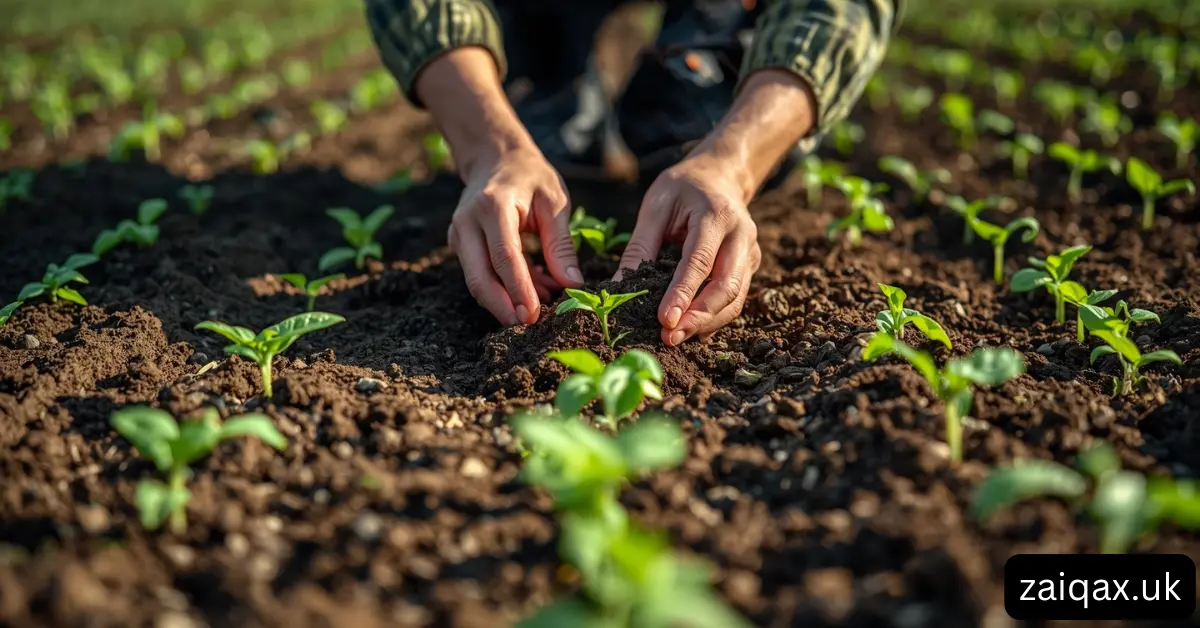
Companion planting can accelerate growth and improve food plot quality.
- Cereal grains (oats, rye, barley): Provide structural support and reduce soil erosion.
- Brassicas (turnips, radishes): Extend the forage season and improve wildlife attraction.
- Other legumes (clovers, vetch): Enhance nitrogen fixation and soil health.
Companion crops create a diverse, fast-growing food plot that feeds wildlife longer.
Mulching and Soil Cover
Mulching helps retain soil moisture and control weeds, promoting faster pea growth. Use organic mulch like straw, hay, or shredded leaves. A thin mulch layer helps peas establish quickly without overheating or rotting.
Monitoring Growth and Fertilizing
Fast-growing food plots require regular monitoring. Check for:
- Emergence: Seeds typically sprout in 7–14 days under ideal conditions.
- Growth Rate: Vines should grow rapidly; if growth slows, assess nutrient and water levels.
- Fertilization Needs: Supplement with phosphorus and potassium if growth appears weak. Avoid excessive nitrogen, as peas produce their own.
Harvesting and Wildlife Use
Austrian winter peas can be grazed or left for wildlife depending on your goal.
- Early Grazing: Begins when vines reach 6–12 inches.
- Mature Plants: Allowing plants to mature provides seed pods for wildlife and enhances soil improvement when tilled under.
- Winter Cover: Even after frost, plants provide excellent forage and cover.
Harvesting or grazing timing affects wildlife attraction, soil fertility, and regrowth.
Common Mistakes to Avoid
To ensure a fast-growing, productive Austrian winter peas plot, avoid these mistakes:
- Planting too late: Cold weather can slow germination.
- Ignoring soil tests: Poor soil fertility slows growth.
- Overcrowding seeds: Too many seeds compete for nutrients, reducing speed.
- Skipping watering: Inconsistent moisture delays establishment.
- Neglecting weed control: Weeds outcompete peas for light and nutrients.
Avoiding these mistakes ensures a healthy, fast-growing food plot.
Advanced Tips for Maximum Growth

For hunters or farmers looking for peak performance, consider these advanced tips:
- Double seeding: Combine peas with oats for extra biomass and faster cover.
- Seed inoculants: Using rhizobium bacteria improves nitrogen fixation.
- Rolling after planting: Lightly rolling the soil improves seed contact and emergence.
- Succession planting: Stagger plantings to maintain a continuous green plot.
These techniques optimize growth speed and yield for wildlife and soil health.
Conclusion
Growing Austrian winter peas food plots fast is achievable with the right planning, soil preparation, and care. By selecting the proper location, preparing soil, choosing high-quality seeds, and following proven planting techniques, you can enjoy a lush, nutrient-rich plot in weeks. Regular monitoring, watering, and weed management ensure peas grow quickly and provide maximum benefit to wildlife and soil.
With these tips, you can establish Austrian winter peas food plots that thrive, attract wildlife, and enrich your land. Whether for hunting, grazing, or soil improvement, these proven tips are your shortcut to a successful, fast-growing food plot.
FAQS
What are Austrian Winter Peas used for in food plots?
They are used as a cover crop and high-protein forage to attract deer and improve soil.
When should I plant Austrian Winter Peas?
Plant in early fall, about 6–8 weeks before the first hard frost.
How do I prepare the soil for Austrian Winter Peas?
Loosen soil and ensure good drainage; they grow best in fertile, well-tilled soil.
Do Austrian Winter Peas need fertilizer?
They typically fix their own nitrogen but benefit from phosphorus and potassium if soil is low.
How long do Austrian Winter Peas last in a food plot?
They usually provide coverage and forage for 8–12 weeks before winter kill.