
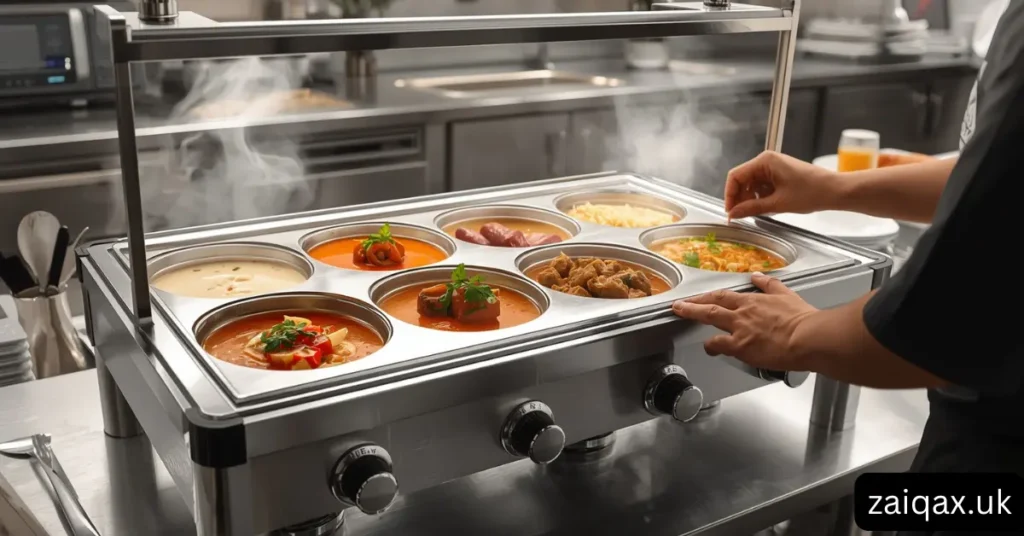
Running a successful restaurant requires more than just delicious food—it’s about consistency, efficiency, and continued quality. One of the key tools in any commercial kitchen is the Bay Marie food warmer. Whether you’re serving breakfast buffets, catering events, or managing a busy lunch rush, understanding how to use and maintain your Bay Marie can make a serious difference in both food safety and customer satisfaction.
In this article, we’ll cover essential Bay Marie food warmer tips every restaurant owner must know, ensuring your kitchen runs smoothly and your dishes always reach customers at the perfect temperature.
What Is a Bay Marie Food Warmer?
Before diving into tips, it’s important to understand what a Bay Marie is. Sometimes called a water bath warmer, a Bay Marie is a kitchen appliance that uses indirect heat to keep food warm without overcooking it. It works by heating water in a lower pan, which then warms the food placed in a container above.
Bay Marie food warmers are popular in restaurants, buffets, and catering businesses because they:
- Maintain consistent temperatures
- Reduce the risk of burning or drying out food
- Improve efficiency in high-volume kitchens
Types of Bay Marie Food Warmers
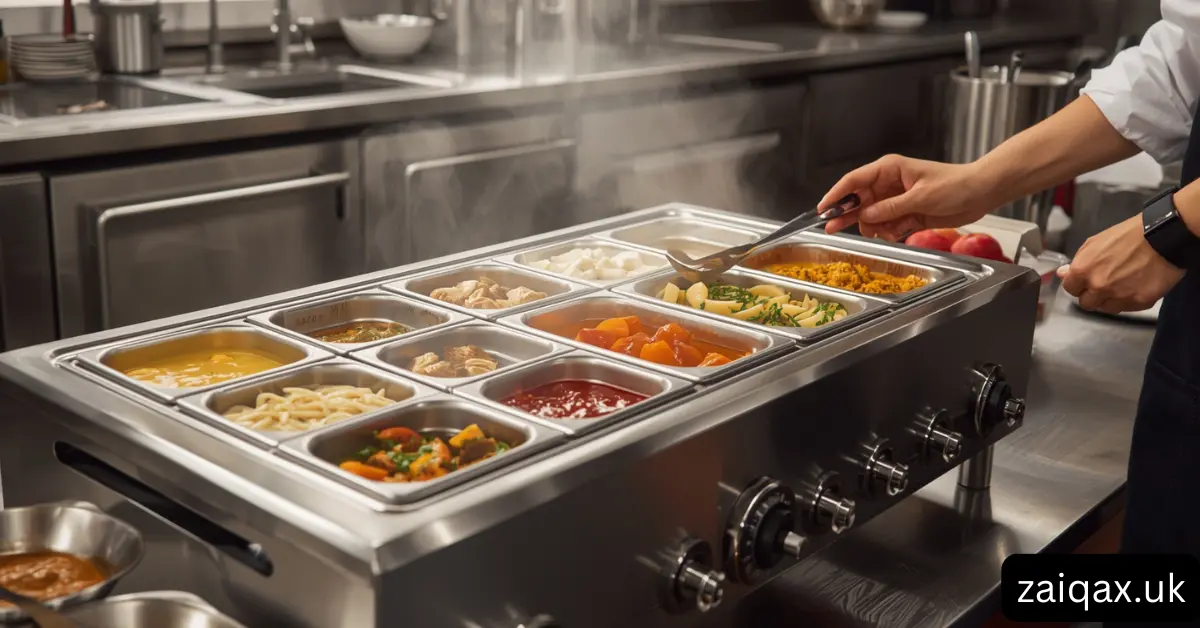
There are a few Bay difference Marie warmers, and knowing the right type for your restaurant can make a big difference.
- Countertop Bay Marie
These are compact units suitable for small restaurants or cafes. They are ideal for keeping a few dishes warm and are easy to move around if needed. - Drop-in Bay Marie
Drop-in models fit into buffet tables or service counters. They are perfect for self-service areas in hotels or large restaurants. - Floor-Standing Bay Marie
These are larger, heavy-duty models designed for high-volume kitchens. They often come with multiple compartments for different dishes. - Electric vs. Gas
Most Bay Marie warmers are electric, offering precise temperature control. Gas-powered units are less common but may be used in kitchens where electricity is limited.
Understanding which type suits your kitchen workflow is the first step toward maximizing your success Bay Marie food warmer.
Essential Bay Marie Food Warmer Tips Every Restaurant Owner Must Know
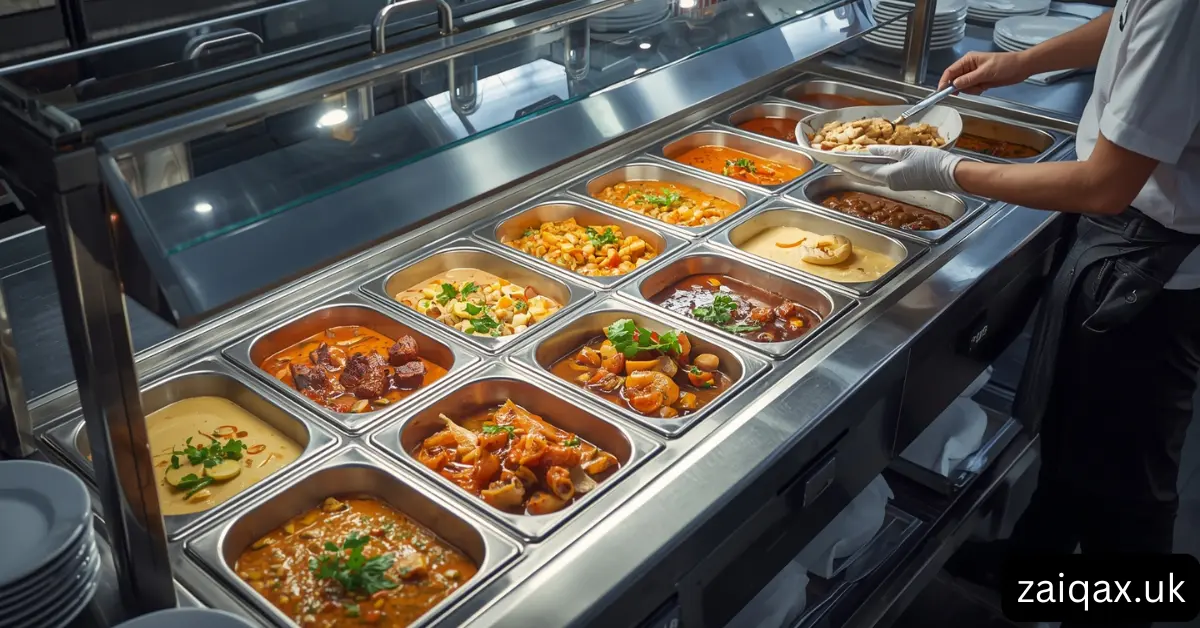
Keeping food warm and safe is not just about turning on the appliance. Here are practical tips that every restaurant owner should follow.
1. Maintain the Correct Water Level
A Bay Marie uses water to transfer heat evenly. If the water level is too low, the bottom of your food pans may overheat and burn. If it’s too high, it can spill over into your food.
- Always check the water level before starting your shift.
- Refill with hot water rather than cold to maintain consistent temperatures.
- Avoid letting the water dry out during service, as this can damage the appliance.
2. Control the Temperature Accurately
Most Bay Marie food warmers have adjustable thermostats. Setting the correct temperature is crucial:
- Keep hot foods at 140°F (60°C) or above to meet food safety standards.
- Avoid exceeding 160°F (71°C) for long periods, which can dry out delicate dishes.
- Use a food thermometer periodically to ensure consistent heat.
3. Use the Right Pans
Not all pans work well in a Bay Marie. Stainless steel pans are preferred because they:
- Conduct heat evenly
- Resist warping under high temperatures
- Are easy to clean
Avoid using glass or plastic pans, as they may crack, melt, or conduct heat unevenly.
4. Organize Food for Easy Access
Efficiency matters during busy service hours. Arrange your food in a way that allows quick access:
- Place high-demand items near the front.
- Keep items that require frequent refills on top.
- Rotate dishes regularly to ensure freshness.
5. Cover Food Properly
Using lids or covers is a simple way to maintain moisture and temperature. Covered food:
- Stays warm longer
- Reduces evaporation
- Prevents contamination
Consider using stainless steel lids or high-temperature-resistant covers designed for Bay Marie pans.
6. Avoid Overfilling Pans
Overfilling food pans can cause spills and uneven heating. It also slows down the warming process.
- Fill pans only 2/3 full to allow heat circulation.
- Stir thick foods periodically to maintain consistent temperature.
7. Monitor Food Quality Regularly
Even with a Bay Marie, some foods can lose texture or flavor if left too long.
- Check sauces, soups, and cooked proteins for dryness or separation.
- Replace or refresh items that have been sitting for extended periods.
- Rotate foods based on “first in, first out” (FIFO) principle.
8. Clean the Bay Marie Thoroughly
Cleaning is critical for hygiene and appliance longevity. Follow these steps:
- Turn off and unplug the unit.
- Allow water to cool before draining.
- Clean the water pan with warm, soapy water.
- Wipe down the exterior and food pans daily.
- Avoid abrasive cleaners that can scratch the surface.
Regular cleaning prevents mineral buildup, reduces odors, and ensures your food tastes fresh.
9. Invest in Quality Equipment
Not all Bay Marie food warmers are created equal. Investing in a high-quality unit ensures:
- Even heating
- Energy efficiency
- Longevity of the appliance
Cheaper models may save money initially but can lead to inconsistent food quality and higher maintenance costs.
10. Train Your Staff
Even the best Bay Marie won’t work well if staff aren’t trained properly. Teach your team to:
- Check water levels
- Set and monitor temperatures
- Rotate and stir foods as needed
- Clean after each shift
Proper training reduces errors and maintains consistent food quality.
Common Mistakes Restaurant Owners Make With Bay Marie Warmers
Understanding what to avoid is just as important as knowing what to do.
- Neglecting water levels: This can damage the appliance and burn food.
- Overheating food: Excess heat dries out sauces and proteins.
- Ignoring cleaning schedules: Bacteria buildup is a serious health risk.
- Using the wrong pans: Incompatible pans heat unevenly and may warp.
- Leaving food too long: Even with proper temperature, some dishes lose quality over time.
By being aware of these common mistakes, you can prevent costly errors and maintain customer satisfaction.
Advantages of Using a Bay Marie in Your Restaurant
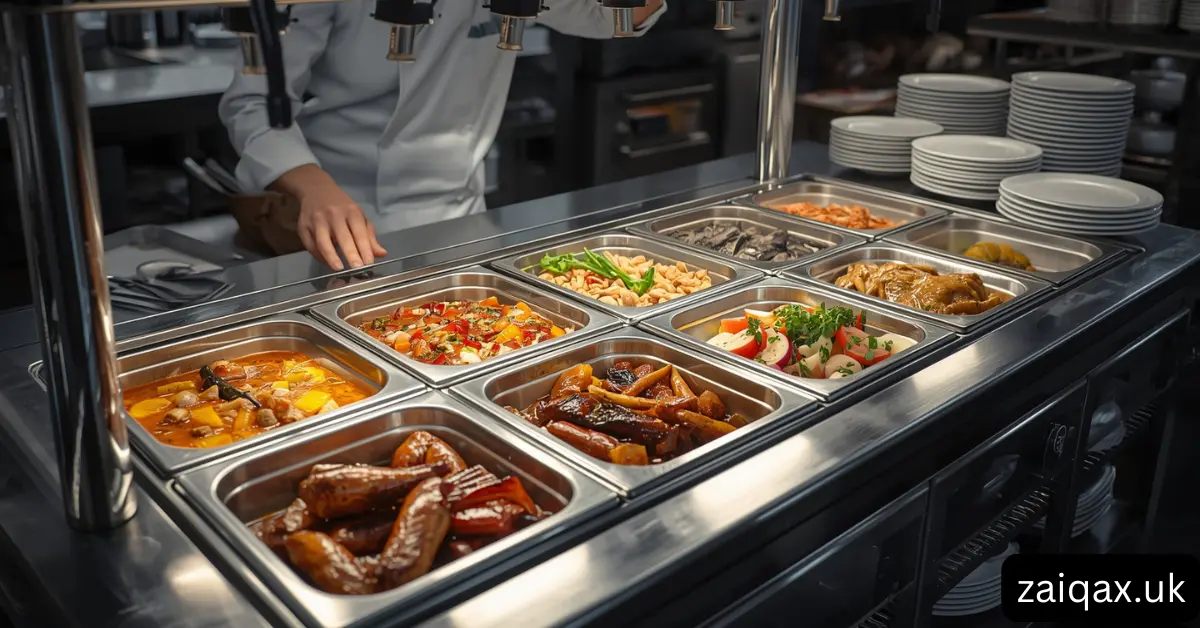
Investing in a Bay Marie comes with numerous benefits for restaurants:
- Food Safety – Maintains proper temperature to prevent bacterial growth.
- Consistency – Ensures every dish served has the same quality.
- Efficiency – Reduces the need to constantly reheat food.
- Versatility – Can be used for soups, sauces, vegetables, and proteins.
- Presentation – Keeps food looking fresh and appealing on buffet lines.
Choosing the Right Bay Marie for Your Restaurant
When selecting a Bay Marie, consider:
- Size: Match the capacity to your kitchen needs.
- Number of compartments: More compartments allow you to serve multiple dishes simultaneously.
- Temperature control: Look for precise thermostats.
- Durability: Stainless steel construction is ideal.
- Ease of cleaning: Removable pans and water trays simplify maintenance.
Choosing the right model reduces headaches and improves service efficiency.
Bay Marie Maintenance Checklist
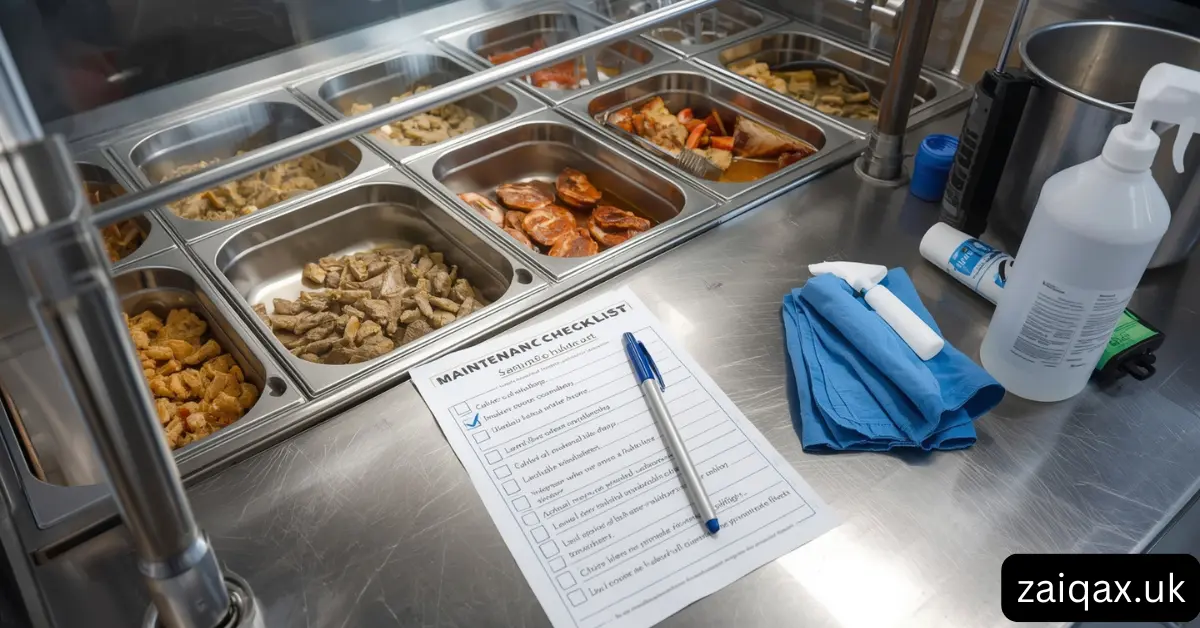
To maximize the life of your Bay Marie, follow this checklist:
- Daily: Check water levels, clean pans, wipe exterior.
- Weekly: Deep clean water trays, check for mineral buildup.
- Monthly: Inspect heating elements and thermostat function.
- Every six months: Schedule professional maintenance if needed.
A proactive maintenance routine prevents downtime and costly repairs.
Conclusion
A Bay Marie food warmer is more than just a kitchen tool; it’s a critical part of keeping your restaurant running smoothly. From maintaining the correct water levels to choosing the right pans and training staff, every detail matters.
By following these Bay Marie food warmer tips every restaurant owner must know, you ensure your food remains fresh, safe, and delicious—improving both operational efficiency and customer satisfaction. Investing time in proper use, maintenance, and staff training will pay off in happier customers, better reviews, and a more profitable restaurant.
A well-maintained Bay Marie isn’t just equipment—it’s an investment in your restaurant’s reputation.
FAQS
What is a Bay Marie food warmer?
A Bay Marie food warmer is a countertop appliance that keeps food warm using steam or hot water.
How does a Bay Marie work?
It uses a water bath to gently heat food without direct contact with flames or heating elements.
What foods can be used in a Bay Marie?
Soups, sauces, gravies, vegetables, and pre-cooked dishes are ideal for a Bay Marie.
Is a Bay Marie safe for long-term food holding?
Yes, it safely maintains food at serving temperatures for extended periods when used properly.
How do you clean a Bay Marie?
Drain the water, wipe down the interior, and sanitize trays regularly for safe use.