
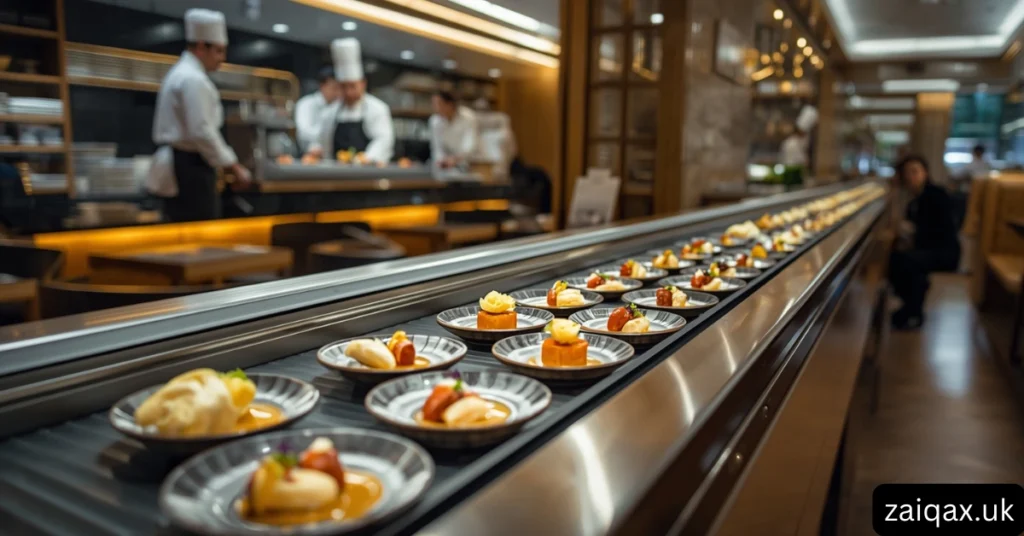
Modern restaurants are constantly evolving. From self-order kiosks to robotic kitchens, technology is reshaping how food is prepared, delivered, and experienced. One of the most fascinating and visually engaging innovations is the belt conveyor food system. Originally popularized by conveyor sushi restaurants, this concept is now spreading to many other dining formats, including hot pot, desserts, fast casual, and even high-end experimental dining.
If you are a restaurant owner, entrepreneur, or simply curious about how belt conveyor dining works, this comprehensive guide will help you understand everything — from benefits and design to costs, hygiene, and customer psychology.
Let’s explore this exciting restaurant trend in a simple and practical way.
What Is a Belt Conveyor Food System
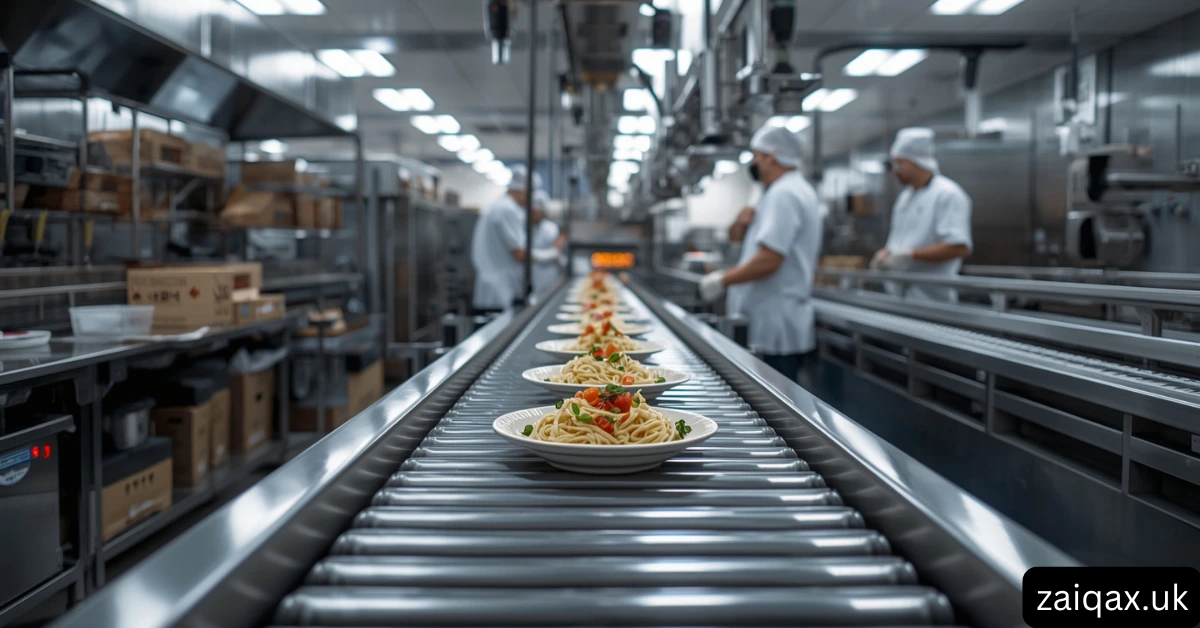
A belt conveyor food system is a mechanized track that continuously moves dishes, plates, or food items around the dining area. Instead of traditional table service, food travels directly to customers via a moving belt.
Customers simply pick the items they want as they pass by.
This system is most commonly associated with:
- Conveyor sushi restaurants
- Automated buffet concepts
- Hot pot or BBQ restaurants
- Dessert and snack bars
- Themed dining experiences
But the applications are expanding rapidly.
Why Restaurants Are Adopting Conveyor Belt Dining
Restaurants choose conveyor belt systems for many practical and strategic reasons. The appeal is not just novelty — it offers real operational advantages.
1. Unique Customer Experience
Conveyor belts instantly create a memorable dining environment. Guests enjoy watching dishes move around, which adds entertainment value. This is especially attractive for families, young diners, and social media–driven audiences.
Dining becomes interactive rather than passive.
2. Faster Service Flow
Food is constantly circulating, reducing wait times. Customers do not need to signal servers or wait for orders to be prepared individually.
This improves:
- Table turnover
- Customer satisfaction
- Perceived efficiency
3. Reduced Labor Dependency
While staff are still essential, conveyor systems can reduce the number of servers needed. Restaurants can operate efficiently with fewer floor staff.
This helps with:
- Labor shortages
- Cost control
- Operational simplicity
4. Increased Impulse Purchases
When dishes pass directly in front of customers, they are more likely to try additional items. Visual exposure encourages spontaneous decisions.
This can significantly increase average ticket size.
5. Strong Brand Differentiation
In competitive markets, standing out is critical. Conveyor dining immediately positions a restaurant as innovative and modern.
Customers remember the experience.
Types of Belt Conveyor Food Systems
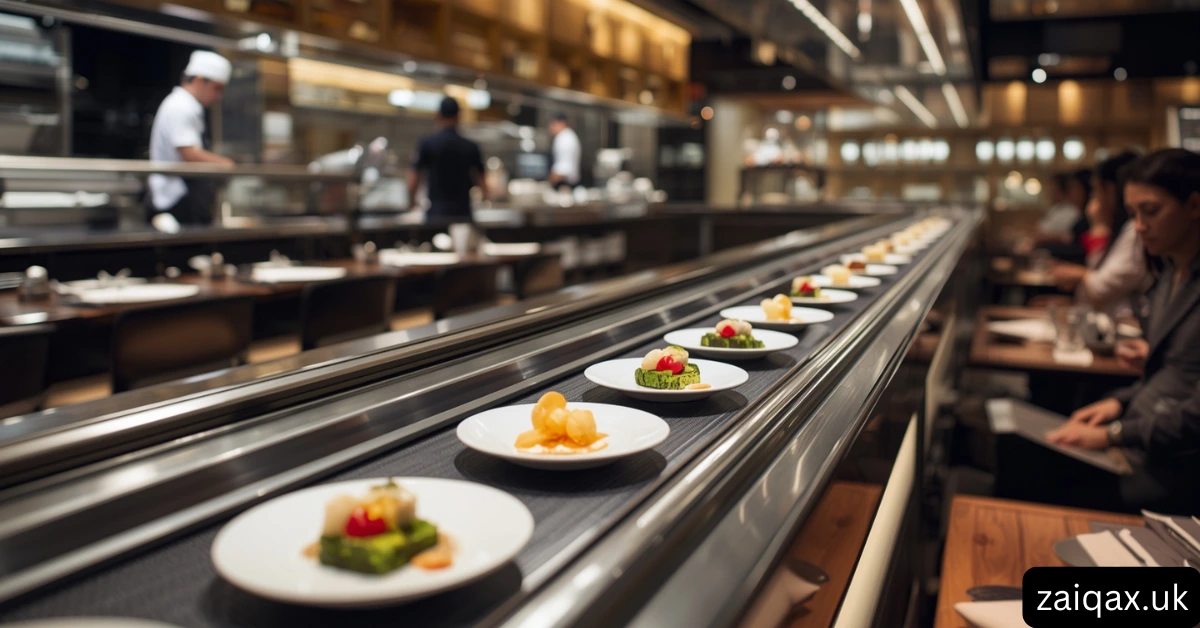
Not all conveyor systems are the same. Restaurants can choose designs depending on concept, budget, and layout.
Linear Conveyor Belt
A straight belt running alongside seating. Common in smaller spaces or fast casual concepts.
Advantages:
- Simple installation
- Lower cost
- Easy maintenance
Loop Conveyor Belt
A circular or oval track allowing food to circulate continuously around the restaurant.
Advantages:
- Efficient for large seating areas
- Equal access for all customers
- Visually impressive
Multi-Level Conveyor
Uses stacked belts or elevated tracks to separate different food categories.
Advantages:
- Maximizes space
- Organizes menu presentation
- Highly modern appearance
Smart Conveyor Systems
Integrated with sensors, RFID, or digital controls.
Features may include:
- Dish tracking
- Freshness monitoring
- Automated removal
- Data analytics
These systems are more advanced and typically higher cost.
Restaurants That Benefit Most from Conveyor Belts
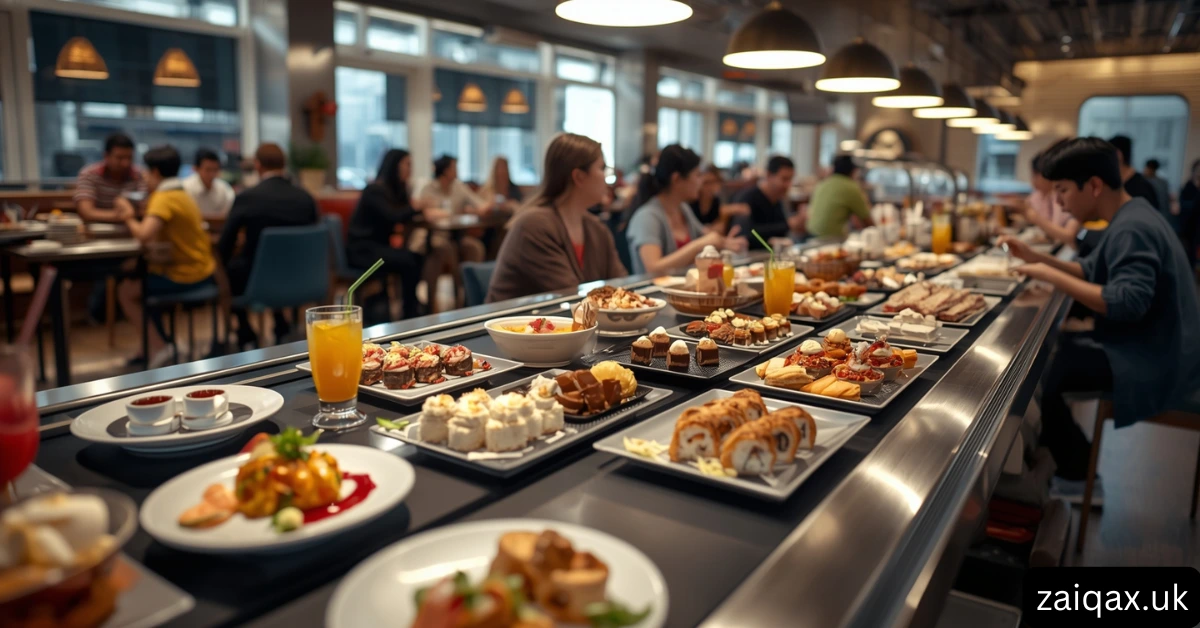
While almost any concept can adopt conveyor systems, some formats benefit more than others.
Sushi and Small Plate Concepts
Perfect match. Small dishes are easy to move, visually appealing, and suitable for continuous circulation.
Hot Pot and BBQ Restaurants
Ingredients like meats, vegetables, and noodles can be delivered via belt, creating a dynamic dining experience.
Dessert Bars and Cafés
Cakes, pastries, and sweets become more enticing when presented in motion.
Casual Dining & Family Restaurants
Kids and families enjoy interactive dining. Conveyor systems add fun without complex service models.
Themed or Experiential Restaurants
If entertainment is part of the brand, conveyor belts reinforce the concept.
Key Design Considerations Before Installation
Installing a conveyor system is a significant decision. Proper planning is essential.
1. Restaurant Layout
Your physical space determines the type of conveyor system you can use.
Questions to consider:
- Is seating centralized or along walls?
- How much floor space is available?
- Will the belt obstruct movement?
Poor layout planning can reduce efficiency rather than improve it.
2. Menu Compatibility
Not all foods travel well on belts.
Ideal items:
- Small plates
- Pre-portioned dishes
- Items that tolerate room temperature briefly
Problematic items:
- Easily spilled soups
- Very large plates
- Highly temperature-sensitive foods
3. Kitchen Integration
Food must be placed onto the belt efficiently. The kitchen workflow should align with belt speed and dish replenishment.
Consider:
- Food prep timing
- Dish staging areas
- Refill procedures
4. Belt Speed
Too fast → Customers feel rushed
Too slow → System feels inefficient
Balance is crucial.
5. Visibility & Presentation
Lighting, plate design, and food arrangement influence customer decisions. Conveyor belts act as moving displays.
Visual appeal drives sales.
Hygiene and Food Safety Essentials
Food safety is one of the most important concerns with conveyor dining. Proper management ensures both compliance and customer trust.
Protective Covers
Many restaurants use transparent covers to shield dishes from contamination.
Benefits:
- Prevents dust and droplets
- Maintains freshness
- Reassures customers
Time-Based Removal
Food should not circulate indefinitely. Systems may remove items after a set time.
This prevents:
- Spoilage
- Quality decline
- Health risks
Temperature Control
Some conveyors include cooling or heating elements for sensitive dishes.
Regular Cleaning Protocols
Belts must be cleaned frequently throughout the day.
Critical areas:
- Belt surfaces
- Rollers
- Dish carriers
Staff Training
Employees must understand:
- Safe food handling
- Belt hygiene rules
- Rotation policies
Technology does not replace food safety discipline.
Customer Psychology Behind Conveyor Dining
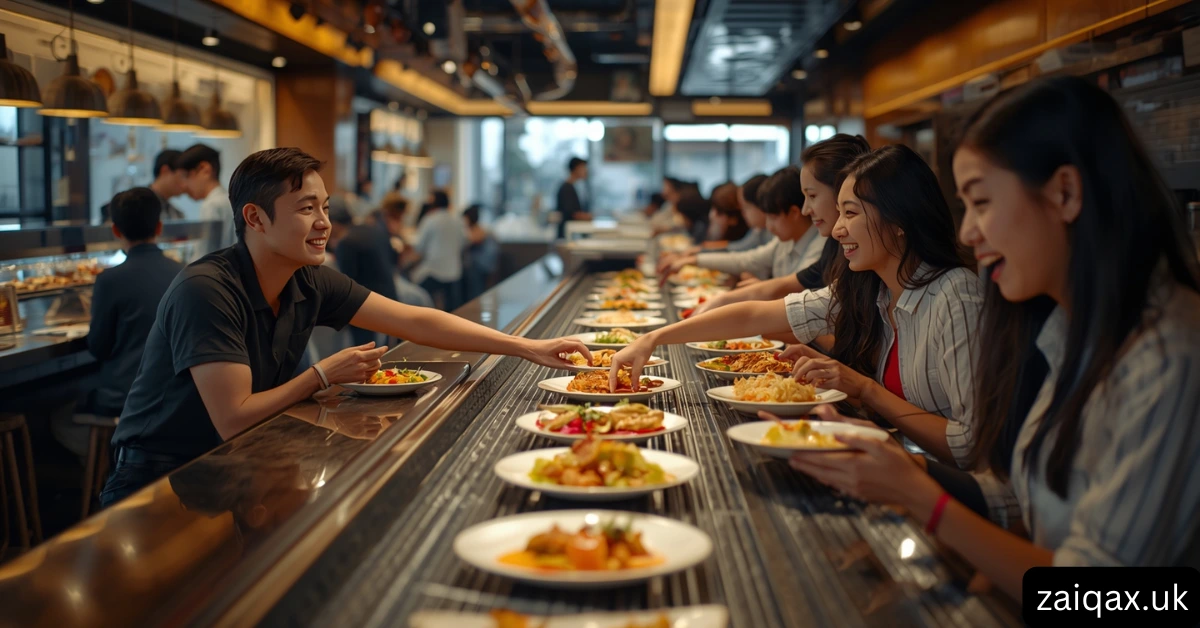
Understanding guest behavior can maximize the system’s effectiveness.
Visual Triggers Drive Decisions
Moving food captures attention. Customers often choose items based on appearance rather than prior intent.
Presentation matters enormously.
Perceived Abundance Encourages Spending
A constantly moving belt suggests variety and availability. Guests feel more comfortable trying multiple dishes.
Gamified Dining Experience
Selecting items from a belt feels playful. This increases engagement and satisfaction.
Social Media Appeal
Conveyor restaurants naturally attract photos and videos. This organic marketing can be powerful.
Operational Challenges and How to Solve Them
Despite many benefits, conveyor systems introduce new complexities.
Food Waste Management
Poor forecasting can lead to excess circulating dishes.
Solutions:
- Data tracking
- Smaller batch preparation
- Time limits
Equipment Maintenance
Mechanical systems require upkeep.
Preventive actions:
- Routine inspections
- Spare parts availability
- Technical support
Initial Investment Costs
Installation is not cheap.
However, ROI can be strong when:
- Experience attracts customers
- Labor efficiency improves
- Sales increase
Menu Planning Adjustments
Recipes may need modification for conveyor suitability.
Cost Factors of Belt Conveyor Systems
Costs vary widely depending on scale and sophistication.
Basic Systems
Lower-end installations typically include:
- Simple belt track
- Standard motors
- Manual controls
Advanced Systems
Higher-end setups may include:
- Smart sensors
- Automated dish tracking
- Custom designs
Influencing Cost Variables
- Belt length
- Technology level
- Customization
- Installation complexity
- Maintenance plans
While exact figures vary by region and vendor, budgeting carefully is essential.
How Conveyor Belts Affect Restaurant Branding
Technology shapes perception.
Conveyor dining often communicates:
- Innovation
- Efficiency
- Fun & entertainment
- Modern identity
However, alignment with brand personality is crucial. A conveyor system may not suit ultra-formal dining concepts.
Tips for Maximizing Conveyor Belt Success
Restaurants can optimize performance with thoughtful strategies.
Curate Plate Design
Uniform, attractive plates enhance visual impact.
Rotate Items Frequently
Variety keeps customers engaged.
Balance Popular & Premium Dishes
Encourage both affordability and upselling.
Monitor Customer Flow
Adjust belt speed and food placement based on peak times.
Maintain Immaculate Cleanliness
Visible hygiene builds trust immediately.
Future Trends in Conveyor Belt Restaurants
This technology continues to evolve.
Emerging innovations include:
- AI-powered demand forecasting
- Personalized dish delivery
- Interactive digital integration
- Robotic kitchen coordination
The line between automation and hospitality is becoming increasingly blurred.
Is a Belt Conveyor Food System Right for Your Restaurant?
Before investing, ask:
- Does it match my concept?
- Will customers value the experience?
- Can my menu adapt?
- Is the budget sustainable?
When implemented correctly, conveyor systems can dramatically enhance both customer excitement and operational efficiency.
Final Thoughts
Belt conveyor food systems are more than a novelty — they represent a shift in how restaurants think about service, presentation, and engagement. By combining automation with creativity, restaurants can deliver memorable experiences while improving workflow efficiency.
Success depends on thoughtful design, food safety discipline, and understanding customer behavior.
For the right concept, conveyor dining can be a powerful competitive advantage.
FAQS
What is belt conveyor food service?
It is a dining system where food moves past customers on a rotating conveyor belt for easy selection.
Where are belt conveyor restaurants commonly used?
They are most popular in sushi restaurants but can be used for desserts, snacks, and fast dining concepts.
Is belt conveyor food hygienic?
Yes, when proper covers, freshness monitoring, and food safety practices are followed.
What are the benefits of belt conveyor food service?
It offers faster service, visual appeal, reduced staffing needs, and a unique customer experience.
How is food kept fresh on a conveyor belt?
Restaurants use time limits, cooling systems, and regular replacement to maintain freshness.