
Healthy bees build strong colonies. Strong colonies produce more honey, survive winter better, and resist diseases more effectively. One of the simplest and most powerful ways to support your hive—especially during cold months—is by using the best bee food fondant recipe for stronger hives.
If you are a beginner beekeeper or even an experienced one, understanding how to prepare and use bee fondant properly can make a huge difference in hive survival. In this complete guide, you will learn:
- What bee fondant is
- Why it is important for hive strength
- When to use it
- The best bee food fondant recipe step by step
- Common mistakes to avoid
- Expert tips for healthier colonies
Let’s begin.
What Is Bee Food Fondant?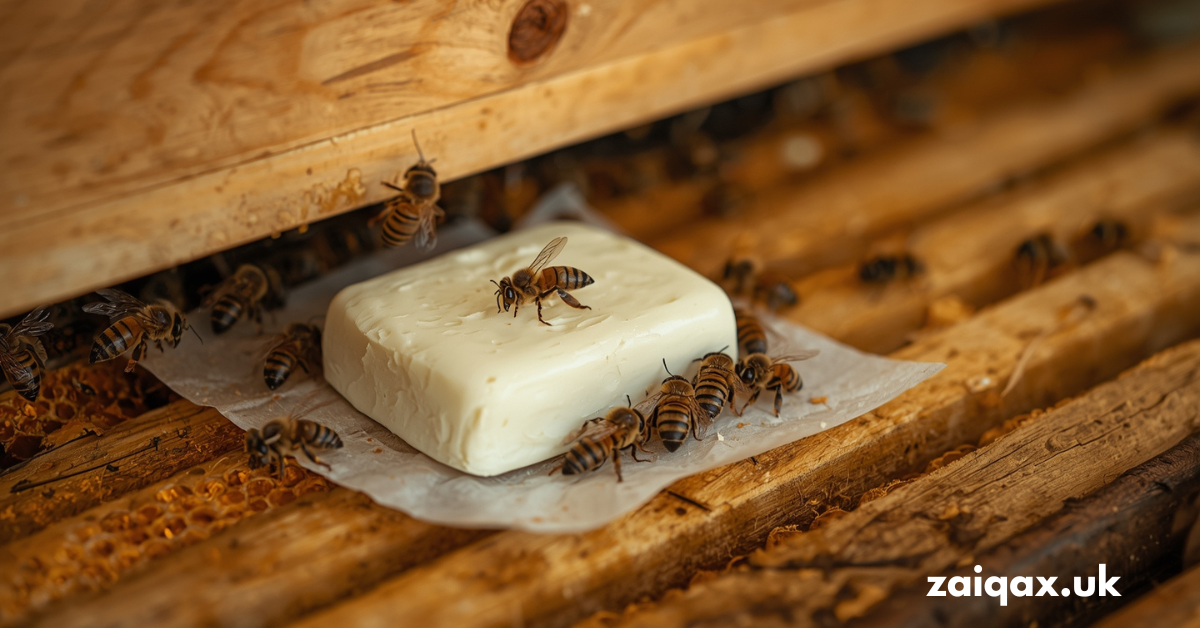
Bee food fondant is a soft sugar-based solid food that beekeepers place inside hives when natural nectar sources are limited. It provides emergency or supplemental nutrition, especially during:
- Winter
- Early spring
- Nectar dearth periods
- Sudden cold snaps
Unlike sugar syrup, fondant is semi-solid. This makes it safer in cold weather because it does not increase moisture levels inside the hive.
Moisture buildup can be deadly for bees during winter. Fondant helps avoid that problem while still providing essential carbohydrates.
Why Strong Hives Need Supplemental Feeding
Bees collect nectar and convert it into honey for survival. But sometimes, natural food stores are not enough. Several factors can weaken a colony:
- Long winters
- Poor flowering seasons
- Drought
- Heavy honey harvesting
- Colony stress
Worker bees need energy to:
- Maintain hive temperature
- Feed brood
- Protect the colony
- Support the queen
Without enough food, colonies shrink, weaken, and may collapse.
Providing the best bee food fondant recipe ensures bees always have access to emergency energy.
Fondant vs Sugar Syrup – What’s Better?
Both sugar syrup and fondant are popular bee feed options. But they serve different purposes.
Sugar Syrup
- Used mainly in spring and fall
- Encourages brood production
- Helps build comb
- Can increase hive moisture in cold weather
Fondant
- Best for winter feeding
- Low moisture content
- Easy for bees to consume
- Reduces risk of fermentation
During cold months, fondant is the safer choice for stronger hives.
When Should You Use Bee Fondant?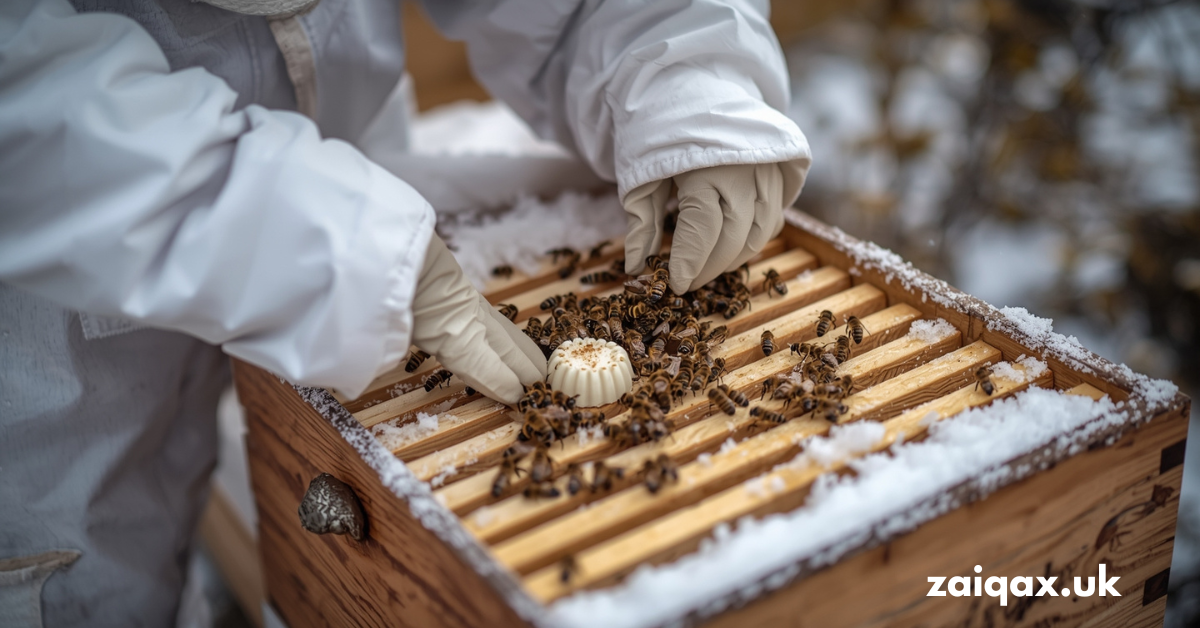
Timing matters. Here are the best times to feed fondant:
1. Late Fall
Before deep winter begins, check honey stores. If they are low, add fondant as backup food.
2. Mid-Winter
If bees have consumed most honey reserves, place fondant directly above the cluster.
3. Early Spring
During cold spells when nectar flow hasn’t started, fondant prevents starvation.
4. Emergency Situations
If a hive suddenly feels light or weak, fondant can save it quickly.
Ingredients for the Best Bee Food Fondant Recipe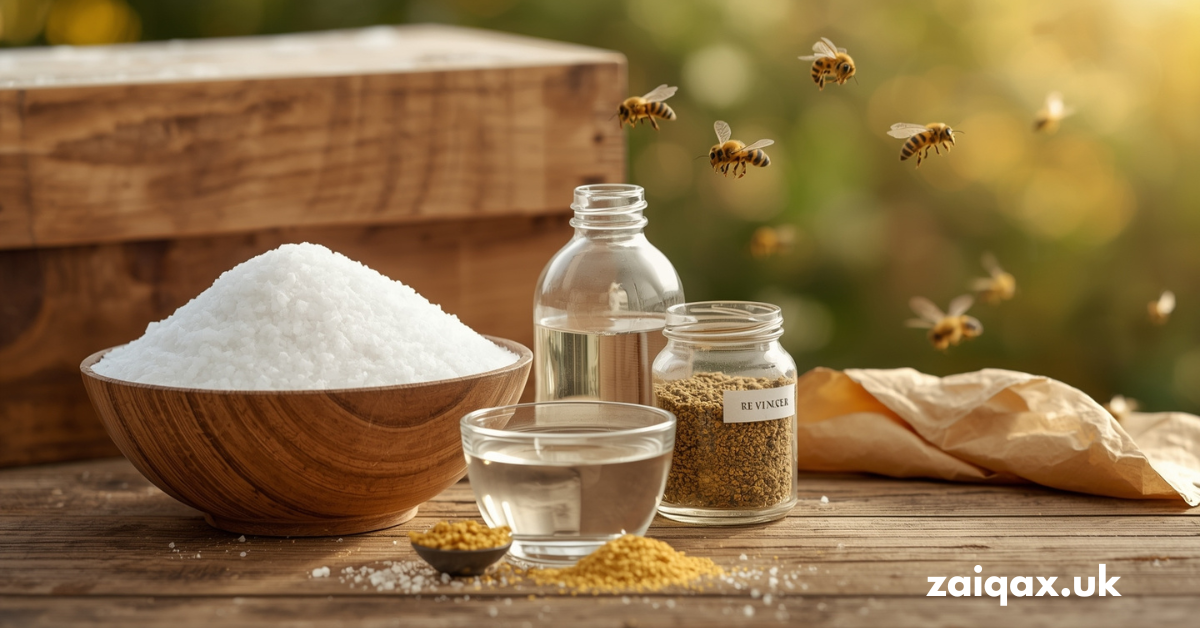
The beauty of fondant is its simplicity. You only need a few ingredients:
Basic Ingredients
- 4 pounds white granulated sugar
- 1 cup water
- 1 tablespoon apple cider vinegar (optional but helpful)
Optional Additions
- Pollen substitute
- Probiotics
- Essential oils (very small amounts)
Use only plain white sugar. Avoid brown sugar or raw sugar because they contain molasses, which can harm bees.
Step-by-Step Best Bee Food Fondant Recipe
Follow these simple steps carefully.
Step 1: Prepare Equipment
You will need:
- Large heavy pot
- Candy thermometer
- Wooden spoon
- Baking tray lined with parchment paper
Step 2: Heat Water
Pour 1 cup of water into the pot. Warm it gently over medium heat.
Step 3: Add Sugar Slowly
Gradually add the 4 pounds of white sugar while stirring constantly. This prevents clumping.
Step 4: Heat to 234–240°F (Soft Ball Stage)
Use a candy thermometer. This stage is important.
If undercooked, fondant stays sticky.
If overcooked, it becomes too hard.
Step 5: Remove from Heat
Let the mixture cool to around 200°F without stirring.
Step 6: Stir Until Opaque
Now stir vigorously. The mixture will turn from clear to creamy white.
Step 7: Pour into Tray
Pour into a lined tray about 1 inch thick.
Step 8: Let It Set
Allow it to cool completely. Once hardened, cut into blocks.
Your bee food fondant is ready.
How to Place Fondant in the Hive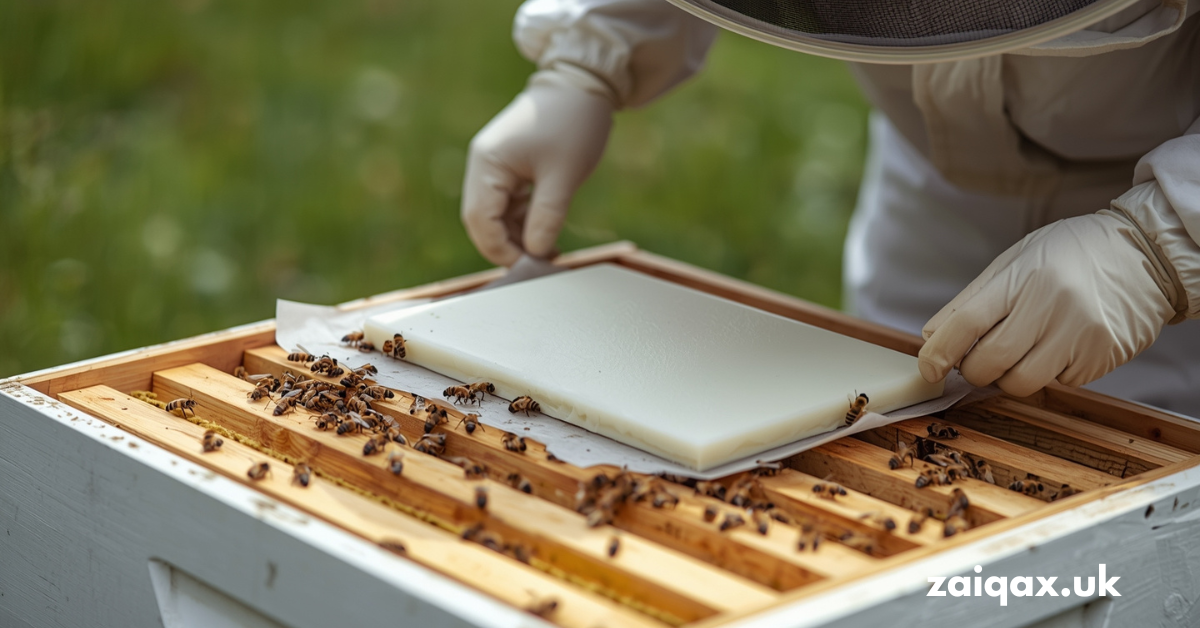
Proper placement ensures bees can access it easily.
Method 1: Directly Above Frames
Place fondant block on wax paper and set it above the brood frames.
Method 2: Under the Inner Cover
Many beekeepers place fondant under the inner cover to allow easy access.
Method 3: Using a Rim Spacer
A rim spacer gives extra room for thicker fondant blocks.
Always place fondant close to the winter cluster.
How Much Fondant Should You Use?
The amount depends on colony size.
- Small colony: 1–2 pounds
- Medium colony: 2–4 pounds
- Large colony: 4–8 pounds
Check hive weight regularly. If it feels light, add more fondant.
Benefits of Using the Best Bee Food Fondant Recipe
Using a properly prepared fondant provides many benefits:
1. Prevents Starvation
Winter starvation is one of the biggest causes of colony loss.
2. Low Moisture Risk
Fondant does not add extra humidity.
3. Easy Digestion
Bees convert it into energy quickly.
4. Supports Brood Rearing
Early spring feeding stimulates brood production.
5. Stronger Winter Survival
Well-fed bees form tighter clusters and maintain heat better.
Common Mistakes to Avoid
Even a simple recipe can go wrong. Avoid these mistakes:
Using Brown Sugar
Molasses can cause dysentery in bees.
Overheating the Mixture
Caramelized sugar is toxic to bees.
Adding Too Many Supplements
Keep it simple. Too many additives can stress bees.
Feeding Too Late
If bees are already starving, they may not reach the fondant.
Can You Add Pollen to Fondant?
Yes, but carefully.
Pollen substitute helps brood growth. However:
- Only add small amounts
- Use during late winter or early spring
- Avoid during extreme cold
Too much protein feed in winter may cause excess waste buildup.
Signs Your Hive Needs Fondant
Watch for these warning signs:
- Hive feels light when lifted
- Bees clustering tightly at top
- Little honey visible
- Increased dead bees near entrance
Regular hive checks during warm winter days help prevent losses.
Winter Hive Management Tips
Fondant is only part of strong hive management.
Provide Ventilation
Moisture kills more bees than cold.
Insulate Properly
Use hive wraps if needed.
Reduce Hive Entrance Helps bees defend against cold wind and pests.
Monitor Varroa Mites
Healthy bees survive winter better.
Spring Transition from Fondant to Nectar
As temperatures rise and flowers bloom:
- Gradually reduce fondant feeding
- Switch to sugar syrup if needed
- Monitor brood development
Strong colonies will quickly expand once nectar flow begins.
How Fondant Supports Colony Strength
Carbohydrates are the main energy source for bees. During winter:
- Bees vibrate muscles to generate heat
- The queen may continue limited egg-laying
- Worker bees maintain hive temperature
Without energy, the cluster collapses.
The best bee food fondant recipe provides consistent fuel without disrupting hive balance.
Advanced Tips for Stronger Hives
If you want even stronger colonies, combine fondant feeding with:
- Proper hive inspections
- Regular mite management
- Strong queen genetics
- Good hive ventilation
- Seasonal feeding strategy
Strong hives are built through consistent care.
The Science Behind Sugar Feeding
Bees naturally consume nectar rich in sucrose. White granulated sugar closely matches nectar sugar composition.
When bees consume fondant:
- They break sucrose into glucose and fructose.
- These sugars fuel muscle activity.
- Energy supports thermoregulation.
This biological process keeps winter clusters alive.
Storage Tips for Homemade Fondant
After preparing large batches:
- Wrap blocks tightly in plastic
- Store in a cool dry place
- Avoid humidity exposure