
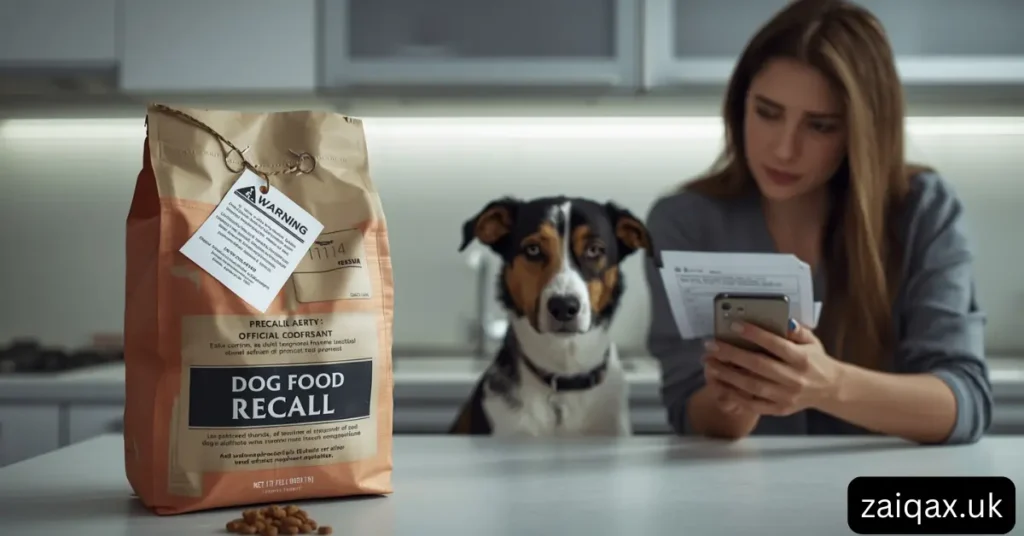
Dog owners care deeply about what goes into their pet’s bowl. Food is not just fuel — it affects energy, digestion, skin health, coat quality, and long-term wellbeing. That is why any mention of a dog food recall can feel alarming. If you feed your dog Beneful, or you are considering it, understanding how recalls work and what they actually mean is essential.
This guide breaks everything down in simple language. You will learn what a recall is, why recalls happen, how they affect pet owners, and how to respond calmly and responsibly. The goal is not panic — it is awareness and smart decision-making.
Understanding Beneful Dog Food
Beneful is a widely recognized dog food brand affected by Nestlé Purina PetCare. The brand offers dry kibble, wet food, and treats designed for different life stages and preferences. Many owners choose it because of availability, flavor variety, and price range.
Like any large pet food, Beneful creator operates under regulatory oversight and quality control processes. However, no food system — for humans or animals — is completely immune to safety issues. That is where recalls come into the picture.
Before reacting to recall news, it helps to understand what recalls actually involve.
What Is a Dog Food Recall?
A dog food recall is a safety action taken when a product may pose a health risk to pets. Recalls are typically initiated when:
- A contamination risk is discovered
- An ingredient problem is detected
- Labeling errors are found
- A manufacturing defect is identified
Contrary to common belief, a recall does not automatically mean pets have been harmed. Often, recalls are precautionary steps designed to prevent potential issues.
Recalls can be initiated by:
- The manufacturer (voluntary recall)
- Regulatory agencies (mandatory recall)
In many cases, companies recall products proactively once a concern appears.
Why Dog Food Recalls Happen
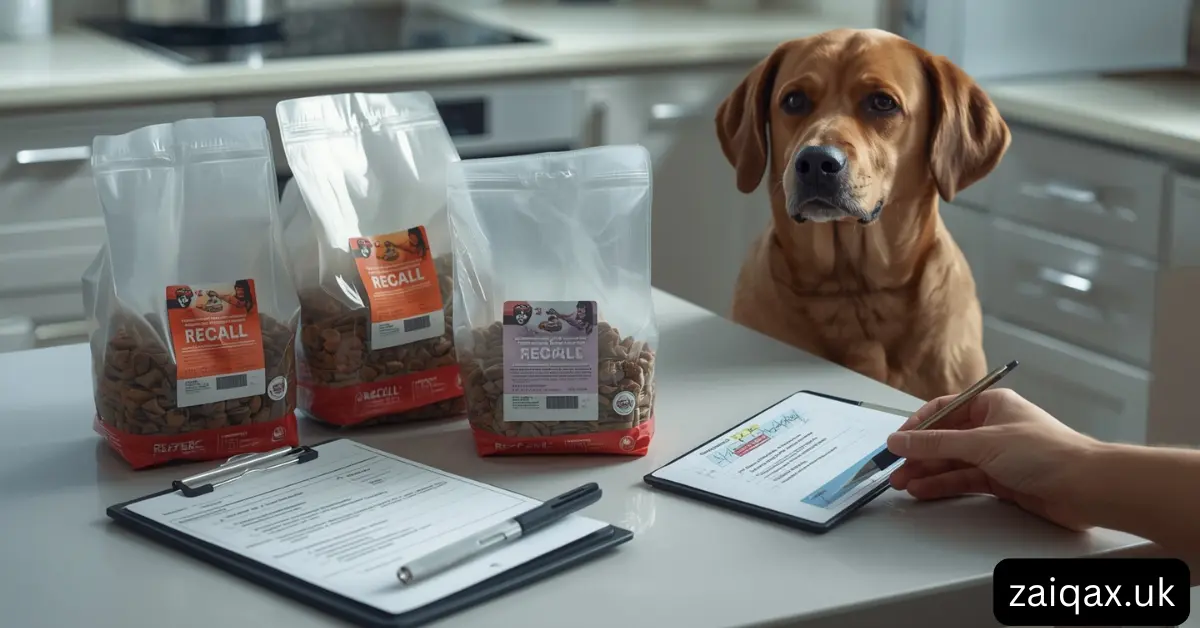
Dog food production involves complex processes: ingredient sourcing, transportation, storage, mixing, cooking, packaging, and distribution. Problems can arise at any stage.
Common recall triggers include:
1. Contamination Concerns
Food may be exposed to unwanted substances such as bacteria, mold, or foreign materials. Even a small risk can lead to a recall.
2. Ingredient Issues
If a supplier provides an ingredient that fails safety standards, finished products containing it may be recalled.
3. Nutritional Imbalances
Incorrect nutrient levels — too high or too low — can be dangerous for dogs and require corrective action.
4. Labeling Errors
Missing allergen warnings, incorrect feeding instructions, or wrong ingredient lists can trigger recalls even if the food itself is safe.
5. Packaging Problems
Damaged or defective packaging may compromise product integrity.
Understanding these causes helps owners avoid assuming worst-case scenarios.
How Recalls Protect Pets
Recalls are part of a safety system, not a failure of it. When companies or regulators identify a potential risk, removing products from circulation reduces chances of illness.
A recall is essentially a risk management tool. It shows that monitoring systems, testing, and reporting mechanisms are functioning.
Instead of viewing recalls purely negatively, it can be helpful to see them as preventive measures designed to maintain safety standards.
How Recall Alerts Reach Dog Owners
Recall information may appear through multiple channels:
- Manufacturer announcements
- Retailer notifications
- News reports
- Social media discussions
- Veterinary advisories
However, not every online claim is accurate. Rumors often spread faster than verified information.
Responsible owners rely on:
- Official product details
- Verified batch or lot numbers
- Clear recall notices
Avoid reacting solely to viral posts or unverified screenshots.
The Difference Between Rumors and Real Recalls
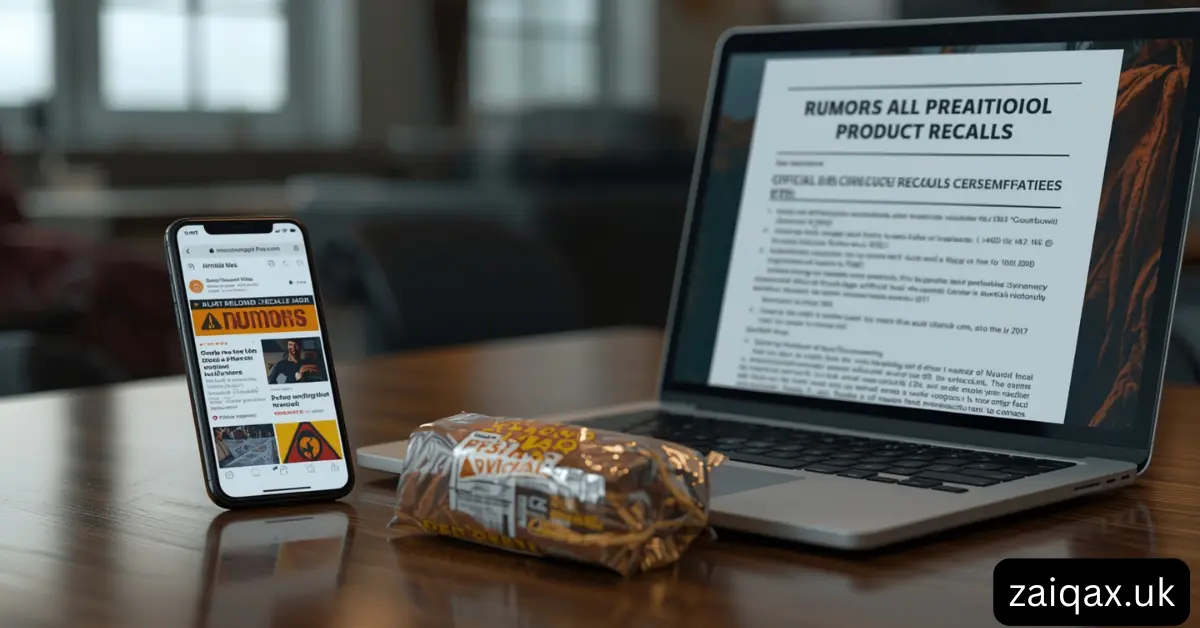
One of the biggest sources of confusion for pet owners is distinguishing between speculation and confirmed recalls.
Signs of a Legitimate Recall Notice
A credible recall typically includes:
- Specific product names
- Batch or lot numbers
- Production dates
- Clear reason for recall
- Instructions for consumers
Signs of Possible Misinformation
Be cautious when you see:
- Vague warnings without product details
- Emotional language without evidence
- Outdated recall stories shared as “breaking news”
- Claims lacking official confirmation
Not every alarming headline reflects a current safety risk.
What To Do If You Hear About a Beneful Recall
Hearing about a recall can trigger anxiety, but responding calmly is key.
Step 1: Check Your Product
Look at the packaging. Identify:
- Product name
- Batch or lot number
- Expiration date
Compare these details with the recall notice. Many recalls affect only specific batches, not the entire brand.
Step 2: Stop Feeding Temporarily (If Applicable)
If your product matches the recall details, discontinue use until you verify next steps.
Step 3: Store Packaging
Do not discard the bag or can immediately. Packaging contains critical information needed for refunds or replacements.
Step 4: Monitor Your Dog
Watch for unusual symptoms such as:
- Vomiting
- Diarrhea
- Lethargy
- Appetite loss
If your dog appears normal, avoid assuming a problem exists.
Step 5: Contact a Veterinarian (If Needed)
If symptoms appear, professional guidance is always the safest path.
Common Owner Reactions — And Better Alternatives
Recall alerts often lead to emotional responses. Let’s address common reactions.
Panic Switching of Foods
Suddenly changing diets can upset a dog’s digestive system. Gradual transitions are safer unless immediate discontinuation is required.
Assuming All Products Are Unsafe
Recalls usually target specific production batches. A recall does not automatically invalidate every product from a brand.
Spreading Unverified Claims
Sharing inaccurate recall information can cause unnecessary fear.
A Better Approach
Stay informed, verify details, and make decisions based on evidence rather than speculation.
How Dog Food Safety Systems Work
Modern pet food manufacturing involves multiple defence:
- Ingredient testing
- Quality control checks
- Microbiological screening
- Traceability tracking
- Production audits
If an issue appears, companies can often identify affected batches quickly.
Recalls are therefore not random events — they are tied to traceable data and monitoring systems.
Health Symptoms Owners Should Know
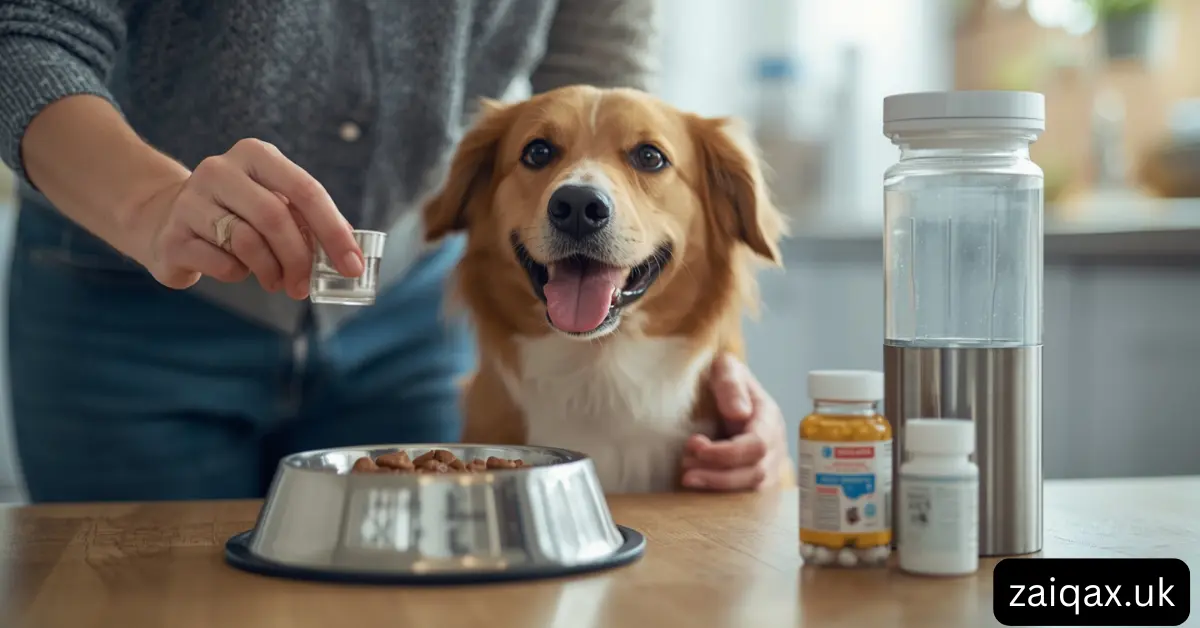
Most dogs consuming safe food will show no issues. However, understanding possible warning signs is useful.
Digestive Changes
Temporary stomach upset can occur for many reasons unrelated to recalls, including stress or dietary changes.
Behavioral Changes
Lethargy or irritability may indicate discomfort but are not automatically linked to food problems.
Hydration Levels
Ensure your dog drinks normally. Dehydration requires attention regardless of cause.
When To Seek Veterinary Help
Consult a veterinarian if symptoms are persistent, severe, or worsening.
Preventive Habits Smart Owners Practice
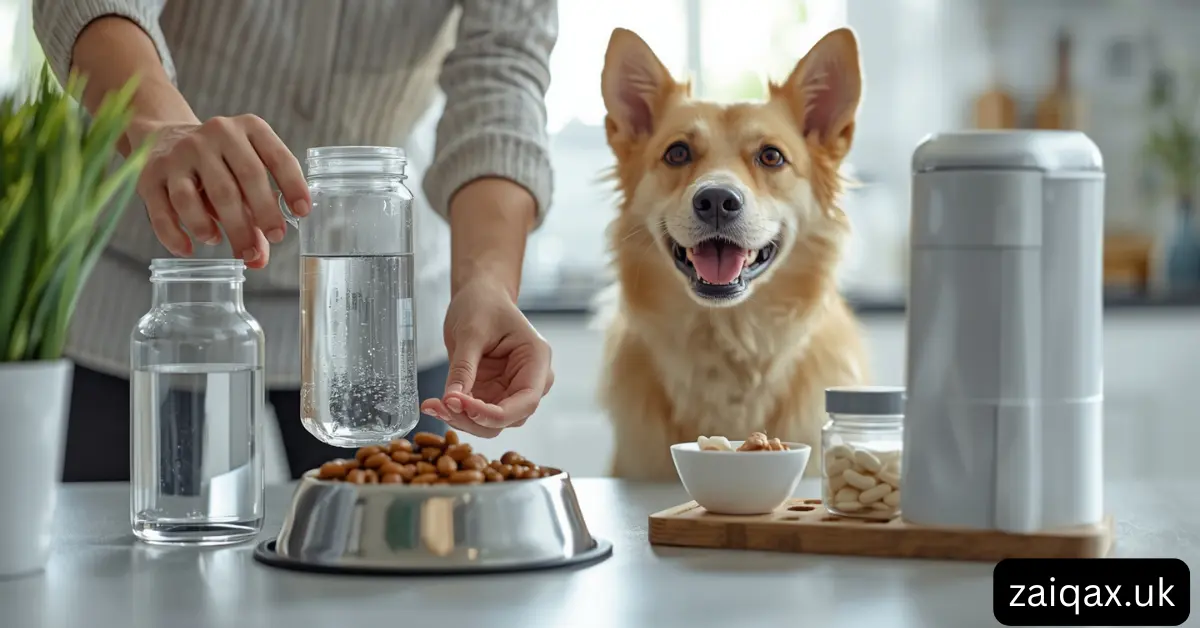
Recall awareness is just one aspect of responsible feeding. Good habits reduce risks overall.
Store Food Properly
Keep food sealed, dry, and away from heat or humidity.
Check Expiration Dates
Expired food may degrade in quality even without recalls.
Inspect Packaging
Avoid feeding from damaged bags or swollen cans.
Introduce New Foods Gradually
Slow transitions help prevent digestive upset.
Observe Your Dog Regularly
Behavior, appetite, and stool quality provide valuable health clues.
The Psychology of Recall Anxiety
Recalls trigger fear because they involve uncertainty and the wellbeing of a beloved pet. However, excessive worry can lead to poor decisions.
Balanced thinking helps:
- Evaluate facts
- Avoid catastrophizing
- Focus on practical steps
Most recall situations do not result in widespread harm.
How Companies Handle Recalls
When a recall occurs, manufacturers typically:
- Identify affected products
- Notify retailers and consumers
- Provide return or refund guidance
- Investigate root causes
- Implement corrective measures
The objective is containment and prevention, not concealment.
Should You Stop Feeding Beneficent Permanently?
Owners often wonder whether any recall history means they should abandon a brand entirely.
There is no universal answer. Consider:
- Severity of the issue
- Frequency of recalls
- Transparency of communication
- Your dog’s health and tolerance
Many brands experience occasional recalls across the pet food industry.
Evaluating Dog Food Rationally
Instead of reacting solely to recall headlines, evaluate dog food using broader criteria:
- Nutritional suitability
- Ingredient quality
- Veterinary guidance
- Your dog’s response
- Feeding consistency
A single recall does not define a product’s entire safety profile.
Building Confidence As a Dog Owner
Knowledge reduces fear. Understanding recalls empowers owners to act calmly and logically.
Confident owners:
- Verify information
- Monitor pets responsibly
- Avoid rumor-driven decisions
- Focus on long-term care
Final Thoughts
Recall alerts are serious, but they are also part of accepted safety systems. The most important thing for dog owners is informed awareness, not panic.
If you encounter recall news:
- Check facts
- Examine product details
- Observe your dog
- Seek professional advice when necessary
Responsible reactions protect both pets and peace of mind.
Your dog’s health is shaped by many factors — diet quality, exercise, genetics, environment, and routine care. Staying educated about food safety is simply one piece of the larger picture of good pet ownership.
FAQS
Has Beneful dog food been recalled?
No — there is currently no active recall on Beneful dog food products.
When was the last Beneful recall?
The only official recall occurred in March 2016 for specific 10-oz wet food tubs.
What was the reason for the 2016 recall?
It was voluntarily recalled because some tubs might not contain recommended levels of vitamins and minerals.
Are all Beneful products affected by recalls?
No — only select 10-oz wet food tubs were in the 2016 recall and no other sizes are affected.
Is there evidence that Beneful causes illness in dogs?
Despite complaints and a lawsuit, no scientific evidence or regulatory recall links Beneful food to widespread illness.