
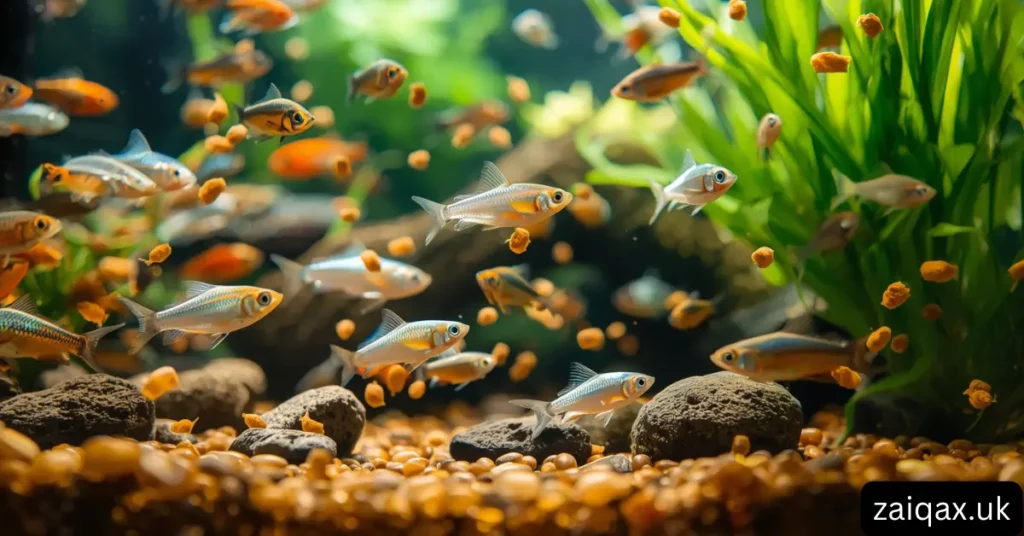
Tetras are among the most popular freshwater aquarium fish. Their vibrant colors, peaceful nature, and active swimming make them a favorite choice for beginners and master aquarists alike. To keep your tetras healthy, energetic, and colorful, the right diet is crucial. This article will guide you to discover the best fish food for tetras and explain how to feed them for healthier growth.
Understanding Tetra Nutrition Needs
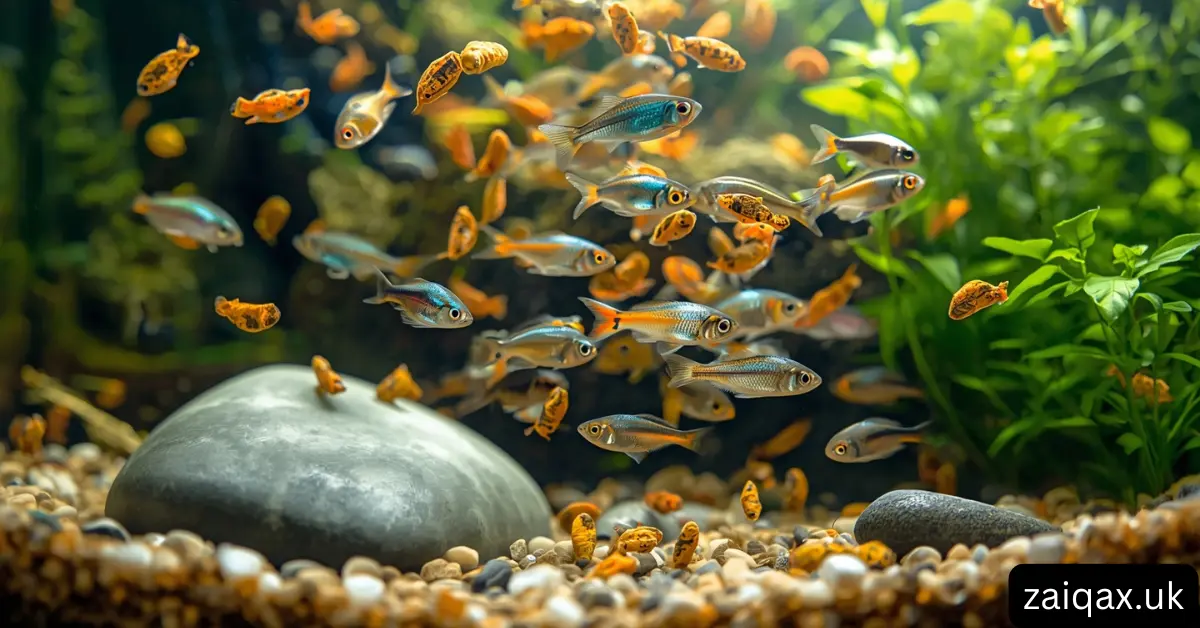
Before selecting the best fish food, it’s essential to understand the nutritional needs of tetras. Like all fish, tetras require a balanced diet to thrive. Their diet should include:
- Proteins – Proteins are vital for growth, tissue repair, and overall health. Tetras, especially young ones, need high-quality protein sources.
- Fats – Healthy fats provide energy and support the absorption of fat-soluble vitamins.
- Carbohydrates – While tetras need carbohydrates in smaller amounts, these help in providing energy for active swimming.
- Vitamins and Minerals – Vitamins like A, C, D, and E, along with minerals such as calcium and phosphorus, support growth, immunity, and coloration.
- Fiber – Helps with digestion and prevents bloating.
A proper balance of these nutrients ensures tetras grow healthy, maintain their color, and live longer.
Types of Fish Food for Tetras
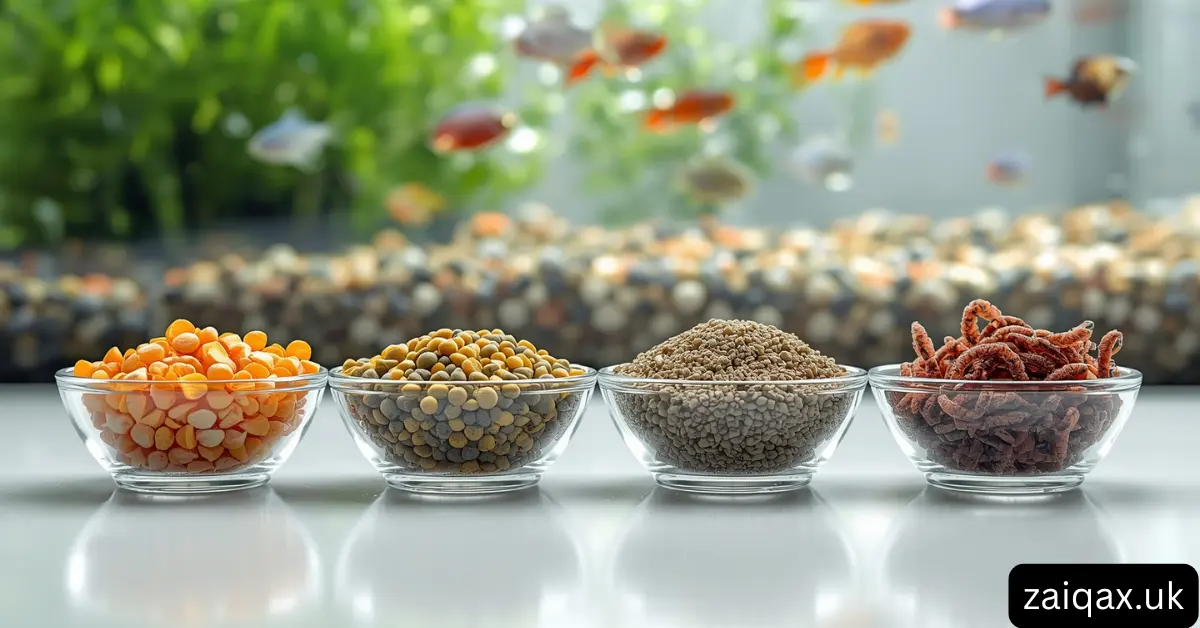
Tetras are omnivores, which means they eat both plant and animal-based foods. Let’s explore the main types of fish food suitable for tetras:
1. Flake Food
Flake food is the most common and suitable option for tetras. It is easy to feed, readily available, and formulated with essential nutrients.
Advantages of Flake Food:
- Provides balanced nutrition.
- Easy to portion and store.
- Suitable for both adult and juvenile tetras.
Tips for Feeding Flakes:
- Break large flakes into smaller pieces for tiny tetras.
- Feed small amounts 2-3 times a day to avoid overfeeding.
- Remove uneaten flakes to prevent water contamination.
2. Pellets
Pellets are compact and nutrient-rich, making them a great option for tetra fish. They often sink slowly, allowing tetras to nibble over time.
Advantages of Pellets:
- High in protein for growth.
- Less messy compared to flakes.
- Ideal for both small and medium-sized tetras.
Tips for Feeding Pellets:
- Choose micro-pellets for smaller tetra species.
- Feed 2-3 times a day in small portions.
- Alternate with flakes or frozen food for variety.
3. Frozen or Live Food
Live and frozen foods such as brine shrimp, daphnia, bloodworms, and tubifex worms are highly nutritious. They mimic the natural diet of tetras and enhance coloration and activity.
Advantages of Live/Frozen Food:
- High protein content.
- Stimulates natural hunting behavior.
- Promotes vibrant colors.
Tips for Feeding Live/Frozen Food:
- Thaw frozen food before feeding.
- Use sparingly to prevent water pollution.
- Rinse live food to remove contaminants.
4. Vegetable-Based Food
Vegetables such as blanched spinach, zucchini, or spirulina-based flakes provide essential vitamins and minerals. Though tetras are omnivores, adding plant-based food supports digestion and overall health.
Advantages of Vegetable-Based Food:
- Rich in vitamins and fiber.
- Reduces risk of constipation and bloating.
- Supports color enhancement.
Tips for Feeding Vegetables:
- Cut vegetables into tiny, digestible pieces.
- Feed 1-2 times per week as a supplement.
- Remove uneaten vegetables to avoid water decay.
Choosing the Best Fish Food for Tetras
Selecting the best fish food depends on several factors including tetra species, age, and aquarium environment. Here are key considerations:
1. Nutritional Content
Check the label for protein, fat, and fiber content. For most tetras:
- Protein: 35%-50%
- Fat: 3%-7%
- Fiber: 2%-5%
High protein promotes growth, while moderate fat and fiber aid in digestion and energy.
2. Size of Food
Tetras are small fish, so food size matters. Micro flakes or small pellets are perfect for adult tetras, while crushed flakes or baby brine shrimp are ideal for juveniles.
3. Color-Enhancing Ingredients
Ingredients like carotenoids and spirulina can enhance the natural colors of tetras. If vibrant coloration is important, look for food labeled as “color-enhancing.”
4. Brand Reputation
Select reputable brands that specialize in tropical fish nutrition. Quality ingredients reduce the risk of disease and ensure balanced nutrition.
Feeding Schedule for Tetras
Proper feeding is as important as choosing the right food. Overfeeding or underfeeding can harm your tetras.
Recommended Feeding Schedule:
- Feed 2-3 small meals per day.
- Offer only what tetras can consume in 2-3 minutes.
- Mix different food types for balanced nutrition.
- Occasionally include live or frozen food to mimic natural feeding.
Tips:
- Avoid overfeeding, as leftover food pollutes water and can cause fin rot or swim bladder issues.
- Monitor fish behavior and adjust feeding accordingly.
- For young tetras, slightly more frequent feedings may be beneficial.
Common Mistakes to Avoid When Feeding Tetras
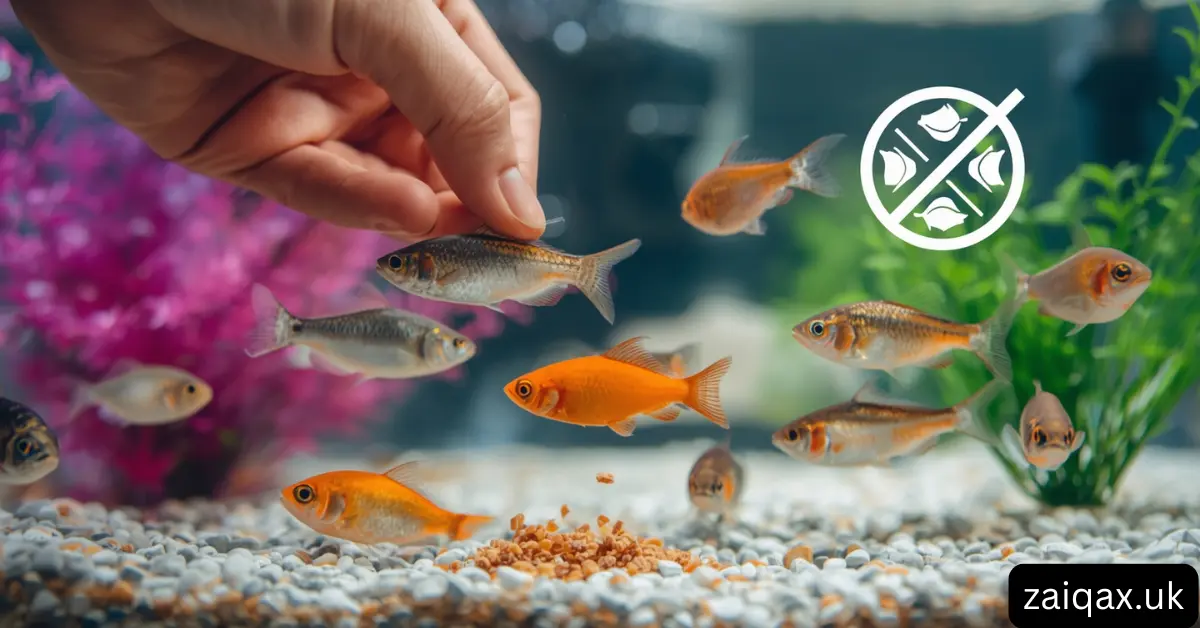
Even experienced aquarists can make feeding mistakes. Avoid these common errors:
- Overfeeding – Leads to obesity, poor water quality, and digestive problems.
- Feeding Only One Type of Food – Can result in nutritional deficiencies.
- Ignoring Food Size – Large flakes or pellets may choke small tetras.
- Feeding at Irregular Times – Inconsistent feeding can stress tetras.
- Neglecting Supplements – Vitamins or vegetables are sometimes needed to prevent deficiencies.
Homemade Fish Food for Tetras
Some aquarists prefer making homemade fish food. This allows full control over ingredients and can be highly nutritious. Common recipes include:
- Vegetable Mix: Blend spinach, peas, and spirulina powder.
- Protein Mix: Combine boiled shrimp, fish, and egg yolk.
- Gel Food: Mix fish, vegetables, and gelatin for easy feeding.
Tips for Homemade Food:
- Store in the fridge for up to a week.
- Freeze portions to maintain freshness.
- Ensure a balanced mix of protein, vitamins, and fiber.
Benefits of Proper Nutrition for Tetras
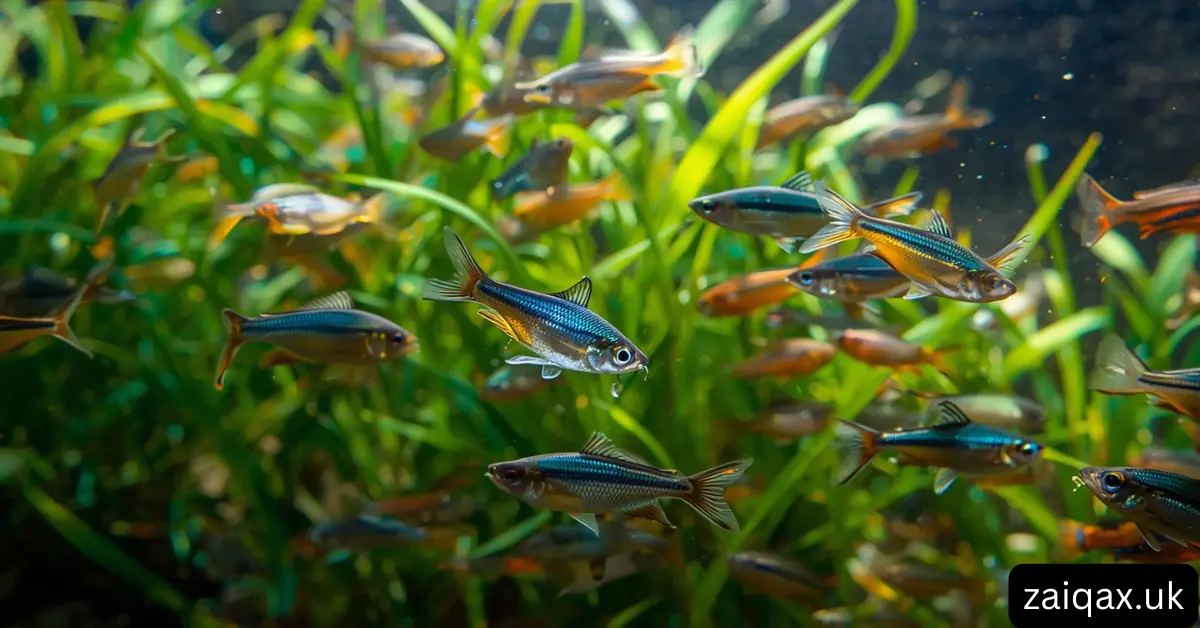
Feeding the right food in the correct amounts has several benefits:
- Healthier Growth – Adequate protein and nutrients promote strong bones and muscles.
- Enhanced Coloration – Carotenoids and spirulina-rich food intensify vibrant colors.
- Improved Immunity – Vitamins and minerals reduce the risk of disease.
- Active Behavior – Proper energy levels encourage swimming and natural activity.
- Longevity – Healthy tetras live longer, making your aquarium more lively and enjoyable.
Conclusion
Discovering the best fish food for tetras is the key to a thriving aquarium. By understanding their nutritional needs, feeding various types of food, and continue a consistent feeding schedule, you can ensure healthier growth, bright colors, and active behavior. Whether you choose high-quality flakes, pellets, live food, or homemade recipes, the focus should always be on balanced nutrition and moderation. With the right care, your tetras will flourish and bring beauty and life to your aquarium for years to come.
FAQS
What is the best type of food for tetras?
High-quality flake or micro-pellet food specially formulated for small tropical fish.
Can tetras eat frozen or live food?
Yes, they enjoy frozen or live brine shrimp, daphnia, and bloodworms for variety.
How often should I feed my tetras?
Feed small portions 2–3 times a day, only what they can eat in 2–3 minutes.
Are plant-based foods suitable for tetras?
Yes, they benefit from occasional spirulina flakes or algae-based foods for balanced nutrition.
Can I mix different foods for tetras?
Absolutely, combining flakes, pellets, and live/frozen foods ensures a healthy diet.