
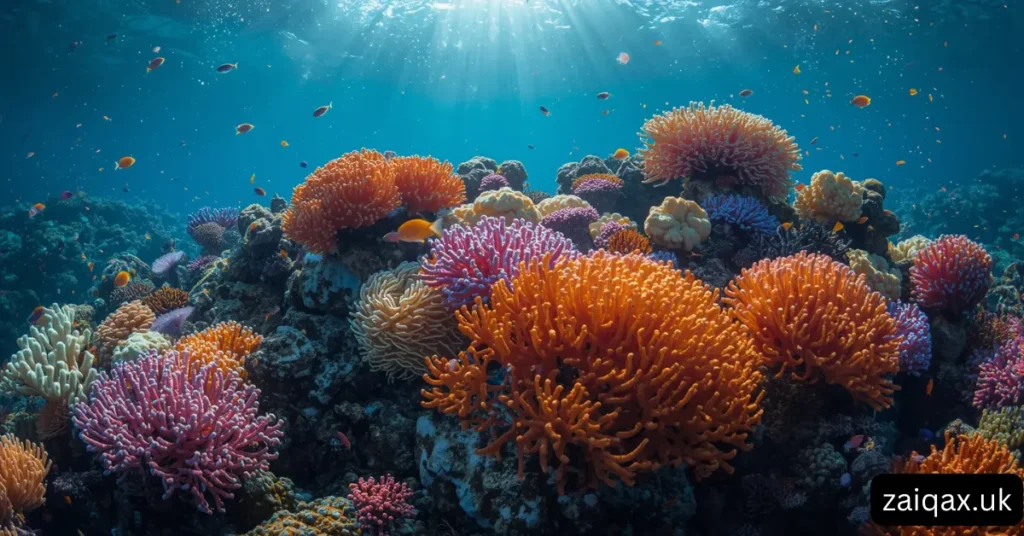
Coral reefs are among the most beautiful and vital ecosystems on our planet. Their vibrant colors and intricate structures not only attract divers and marine enthusiasts but also play a crucial role in maintaining marine biodiversity. However, keeping corals healthy in aquariums or natural environments requires more than just clean water and proper lighting—it demands the right nutrition. Discovering the best coral food can make a significant difference in ensuring your reef thrives with stunning colors and robust growth.
In this guide, we’ll explore the different types of coral food, their nutritional benefits, feeding methods, and tips for maintaining a healthy reef ecosystem. Whether you are a beginner or an experienced reef keeper, this article will help you provide the best care for your corals.
Why Coral Nutrition Matters
Corals are not plants—they are marine animals that rely on both sunlight and food for survival. Many corals have a symbiotic relationship with tiny algae called zooxanthellae, which provide nutrients through photosynthesis. While light is essential, supplemental feeding is necessary for corals to achieve optimal growth, vibrant coloration, and reproduction.
Without proper nutrition, corals may show signs of stress such as:
- Faded colors: Loss of pigmentation is a common sign of nutrient deficiency.
- Slow growth: Corals need proteins and amino acids to grow their skeletons.
- Weak immune system: Malnourished corals are more susceptible to diseases.
Feeding corals the right type of food ensures they remain healthy, colorful, and resilient against environmental stressors.
Types of Coral Food
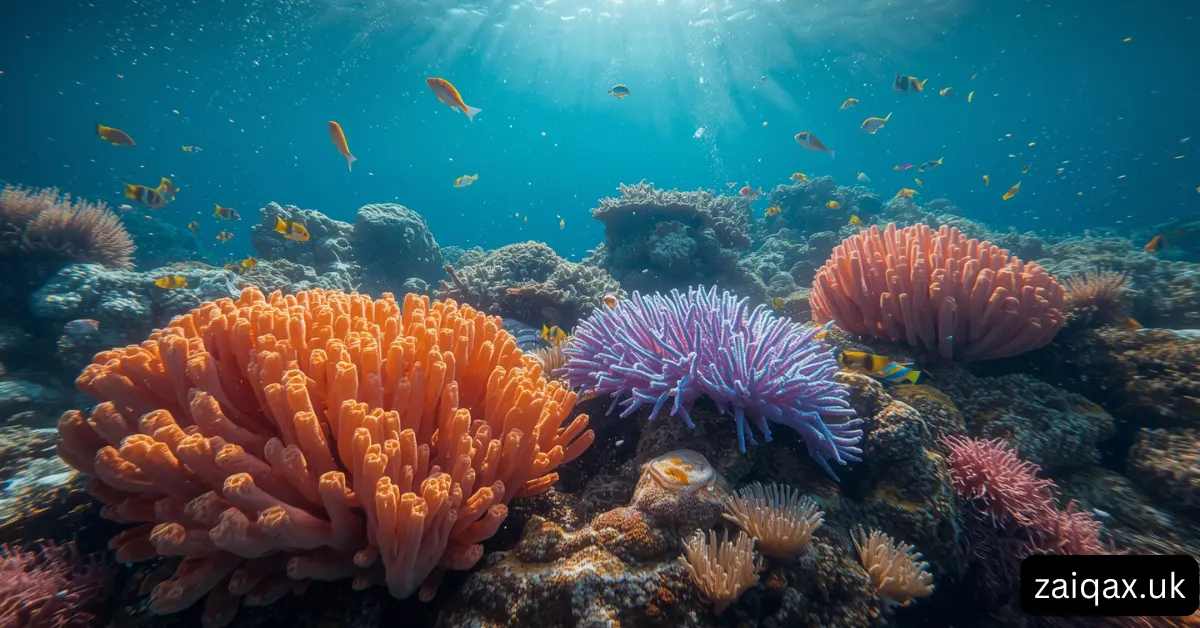
There are several types of coral food available on the market, each with its unique benefits. Understanding these options will help you choose the best food for your specific coral species.
1. Phytoplankton
Phytoplankton are microscopic marine plants rich in essential vitamins, minerals, and fatty acids. Many filter-feeding corals, such as soft corals and LPS (Large Polyp Stony) corals, thrive when fed phytoplankton.
Benefits:
- Provides essential nutrients for growth.
- Enhances coloration.
- Supports beneficial bacteria in the reef tank.
Phytoplankton is usually available in liquid form and can be added directly to the water column. Feeding frequency depends on the type and number of corals in your tank, usually 2–3 times per week.
2. Zooplankton
Zooplankton, such as rotifers and copepods, are tiny aquatic animals that provide protein-rich nutrition for corals. SPS (Small Polyp Stony) corals, which are more demanding, often benefit from zooplankton feeding.
Benefits:
- High protein content for rapid growth.
- Stimulates natural feeding behaviors.
- Improves overall coral health and immunity.
Live zooplankton or frozen variants can be introduced into the aquarium. A careful approach ensures they are consumed by corals rather than dominating the tank.
3. Coral Pellets and Powders
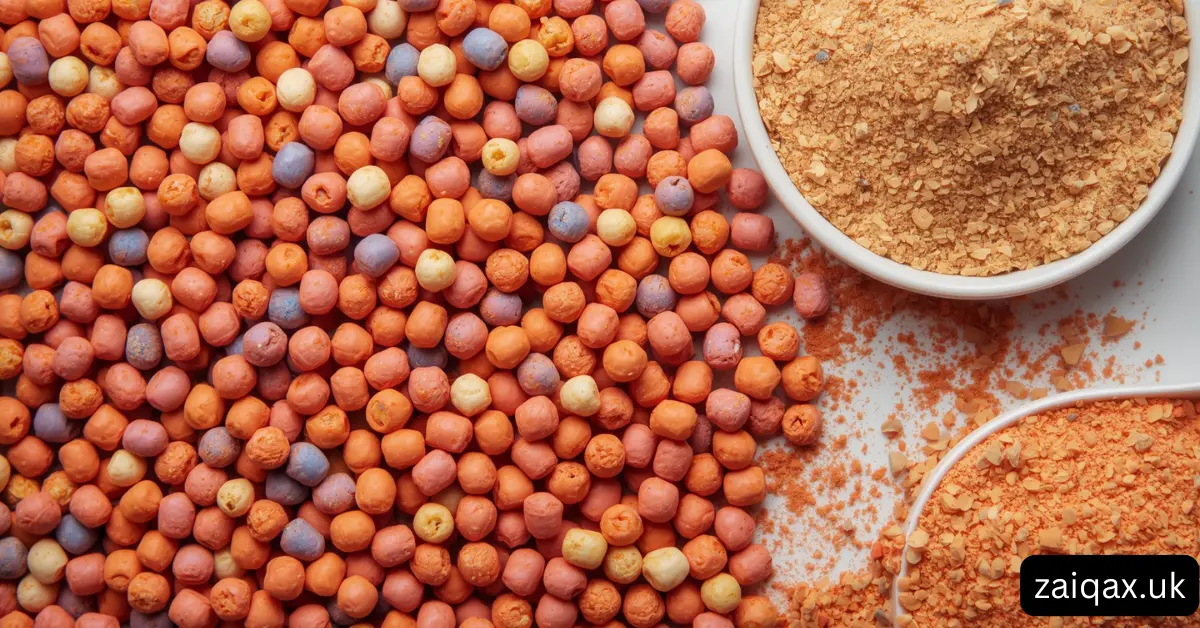
Coral pellets and powders are formulated foods designed for specific coral types. They often contain a blend of amino acids, vitamins, and minerals.
Benefits:
- Balanced nutrition tailored to coral needs.
- Easy to dose and store.
- Supports both soft and hard corals.
Powdered coral foods are typically mixed with aquarium water and added near the coral’s polyps, ensuring they capture the nutrients efficiently.
4. Amino Acid Supplements
Amino acids are the building blocks of proteins and play a critical role in coral growth, coloration, and reproduction. While many prepared coral foods contain amino acids, standalone supplements allow precise dosing.
Benefits:
- Enhances skeletal growth.
- Intensifies vibrant coloration.
- Boosts stress resistance during environmental changes.
Regular dosing of amino acids in moderate amounts supports healthy coral metabolism without overloading the tank.
5. Liquid Coral Foods
Liquid coral foods are convenient, versatile, and effective for feeding a variety of coral types. They usually contain a mix of phytoplankton, zooplankton, and amino acids.
Benefits:
- Easy to disperse evenly in the water column.
- Suitable for both beginner and advanced reef keepers.
- Reduces waste and water quality issues compared to solid food.
For best results, feed corals in the evening or when the lights are dimmed, as many corals extend their polyps more at night.
How to Feed Corals Properly
Feeding corals requires attention to detail. Improper feeding can lead to water quality issues, algae growth, and stressed corals. Here are some essential tips:
1. Observe Coral Behavior
Different coral species have unique feeding habits. Some corals extend their polyps fully, while others feed only occasionally. Observing your corals helps you determine the best feeding times and methods.
2. Targeted Feeding
Using a pipette or turkey baster, you can deliver food directly to coral polyps. Targeted feeding reduces waste and ensures your corals get the nutrients they need.
3. Avoid Overfeeding
Too much food can deteriorate water quality, causing spikes in nitrate and phosphate levels. A small, consistent feeding routine is better than large, infrequent meals.
4. Maintain Water Quality
After feeding, ensure proper filtration and circulation to prevent leftover food from decomposing. Regular water changes and protein skimmers help maintain optimal conditions.
Supporting Coral Health Beyond Food
Nutrition is critical, but corals also rely on environmental stability. Healthy water parameters, proper lighting, and adequate flow are essential for coral vitality.
1. Lighting
Corals depend on light for photosynthesis via their zooxanthellae. Ensure your aquarium lighting matches the needs of your coral species, including intensity and spectrum.
2. Water Flow
Proper water circulation distributes food, removes waste, and prevents stagnant areas. Adjustable powerheads or wavemakers help maintain optimal flow.
3. Stable Water Parameters
Monitoring pH, calcium, alkalinity, magnesium, and salinity is crucial. Corals are sensitive to fluctuations, and stability supports their growth and color.
Choosing the Best Coral Food for Your Reef
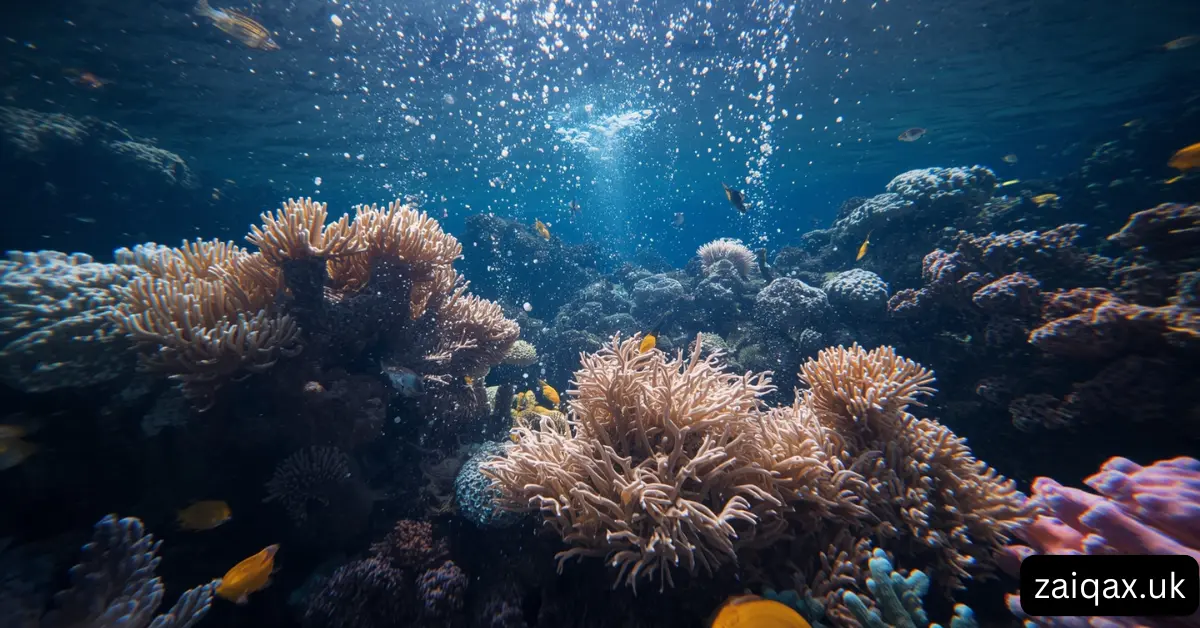
Selecting the best coral food depends on several factors:
- Coral species: LPS, SPS, or soft corals have different dietary needs.
- Tank setup: A heavily stocked reef may require more frequent feeding.
- Desired results: Are you focusing on growth, coloration, or overall health?
For beginners, liquid coral foods or pre-mixed powders are easy to use and effective. Experienced reef keepers may combine multiple food types for targeted nutrition.
Common Mistakes to Avoid
Even with the best coral food, mistakes can harm your reef:
- Overfeeding – Leads to algae blooms and water quality issues.
- Neglecting water testing – Nutrient buildup can stress corals.
- Feeding at the wrong time – Some corals feed best at night.
- Ignoring coral compatibility – Not all corals thrive together; ensure dietary needs align.
By avoiding these pitfalls, your reef can flourish beautifully.
Conclusion
Corals are living jewels of the marine world, and their health depends on a combination of light, water quality, and proper nutrition. To discover the best coral food for vibrant and healthy reefs, consider a mix of phytoplankton, zooplankton, pellets, powders, and amino acid supplements tailored to your coral species. Feeding with care, maintaining stable conditions, and observing your corals will ensure they grow robustly, display vibrant colors, and remain resilient against stress.
By giving your corals the right nutrition, you not only enhance the beauty of your reef but also contribute to a thriving miniature ecosystem in your aquarium. A well-fed reef is a healthy reef, and healthy reefs are the key to long-term success for every reef enthusiast.
FAQS
What is the best food for corals?
Specialized coral foods rich in plankton, amino acids, and nutrients.
How often should I feed corals?
Usually 2–3 times per week, depending on coral type and tank conditions.
Can corals survive without feeding?
Yes, some get nutrients from light via symbiotic algae, but supplemental feeding boosts growth.
Is frozen or dry coral food better?
Both work, but frozen foods often retain more natural nutrients for corals.
Can overfeeding harm corals?
Yes, excess food can pollute water and stress corals.