
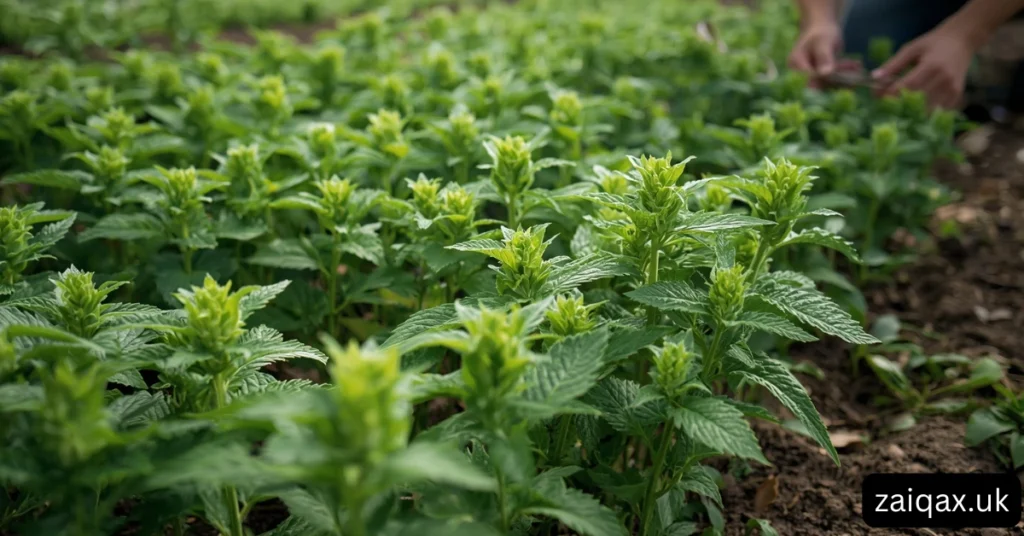
Alfalfa is one of the most popular choices for food plots, thanks to its high nutritional value and attractiveness to wildlife. Yet, many hunters and farmers struggle to achieve consistent success with alfalfa food plot seeds. The truth is that there are several surprising factors that affect alfalfa seed success, and understanding these factors is crucial for anyone serious about planting a thriving food plot. In this article, we’ll uncover the shocking truths about alfalfa food plot seed success and provide practical tips to maximize your results.
Why Alfalfa Food Plot Seeds Are So Popular
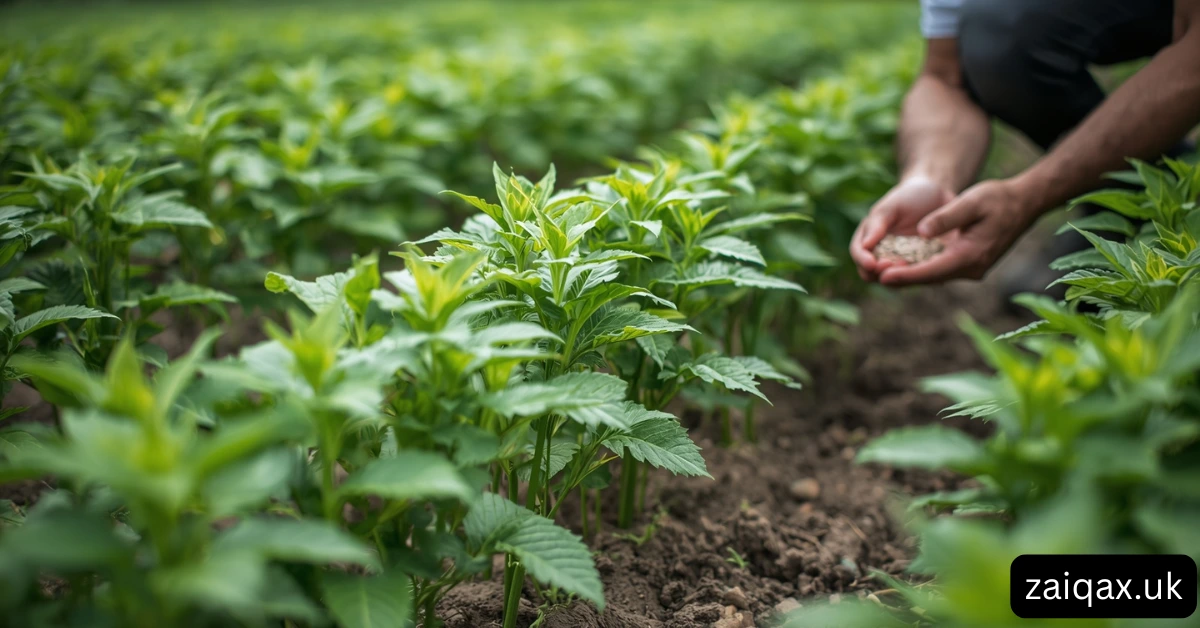
Alfalfa, sometimes referred to as “lucerne,” is a perennial legume known for its deep root system and nutrient-rich leaves. It has been widely used in agriculture and wildlife management for decades. But what makes alfalfa so attractive for food plots?
- High Protein Content – Alfalfa is packed with protein, making it a favorite among deer, rabbits, and other herbivores. Its nutritional value helps wildlife thrive, especially during harsh winter months.
- Durable Growth – With proper care, alfalfa can withstand grazing and multiple harvests in a single season, providing long-term benefits for food plots.
- Soil Improvement – Alfalfa enriches the soil by fixing nitrogen, reducing the need for chemical fertilizers, and supporting other crops planted alongside it.
Despite these benefits, many people struggle to achieve reliable germination and growth with alfalfa seeds. Understanding why requires a closer look at the planting and management process.
The Shocking Truth: Not All Alfalfa Seeds Are Created Equal
One of the most overlooked factors in alfalfa food plot success is seed quality. Many gardeners and hunters assume that any alfalfa seed will perform well, but the reality is far different.
- Seed Variety Matters – Alfalfa comes in many varieties, each adapted to different soil types, climates, and purposes. For instance, some varieties are more dry spell -tolerant, while others are better for grazing or attracting wildlife. Choosing the wrong variety can lead to poor growth or weak plants.
- Seed Freshness – Alfalfa seeds lose viability over time. Old seeds may have a low germination rate, making it nearly impossible to establish a healthy food plot. Always check the seed packaging for the expiration or “packed for” date.
- Seed Treatment – Certain seeds come pre-treated with fungicides or inoculants to protect against disease and promote nitrogen fixation. Untreated seeds might struggle in soils with high pest pressure or low fertility.
Soil Conditions Are Key to Success
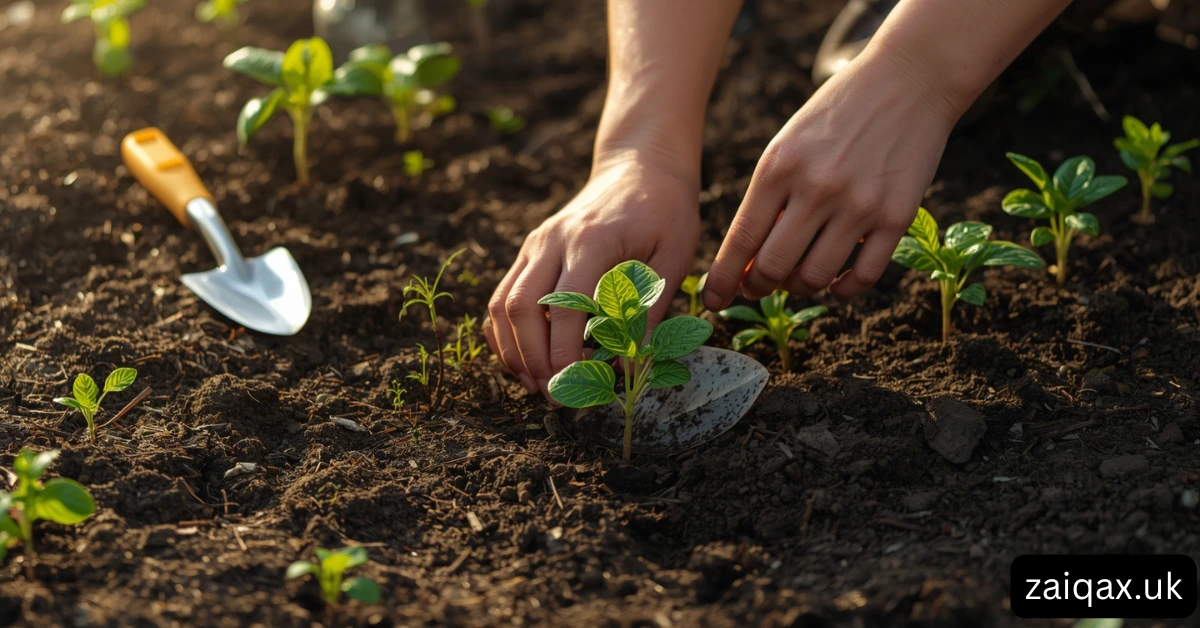
Many people are surprised to learn that soil quality has an enormous impact on alfalfa seed success. Alfalfa is particular about its environment, and ignoring soil conditions is one of the most common reasons food plots fail.
pH Levels
Alfalfa thrives in slightly alkaline soil with a pH between 6.8 and 7.5. Soil that is too acidic or too alkaline can prevent proper nutrient absorption, stunting plant growth. A simple soil test can reveal your soil’s pH and guide amendments.
Soil Texture
Alfalfa prefers well-draining soil. Heavy clay or waterlogged areas can suffocate the roots and lead to seed rot. Sandy soils drain well but may require extra fertilization to retain nutrients.
Nutrient Requirements
Alfalfa is a heavy feeder. Even though it fixes nitrogen from the air, it requires sufficient phosphorus and potassium for root development and leaf growth. Testing your soil and adding these nutrients when needed is critical for seedling success.
Planting Techniques That Make a Difference
Even high-quality seeds and perfect soil will fail without proper planting techniques. Many growers are shocked to learn how much technique matters.
- Seeding Depth – Alfalfa seeds should be planted ¼ to ½ inch deep. Planting too deep can prevent germination, while planting too shallow may dry out the seeds.
- Seed-to-Soil Contact – Seeds need firm contact with soil to absorb moisture. Lightly rolling or pressing the soil after planting improves germination rates.
- Timing Matters – The best time to plant alfalfa is in early spring or late summer, avoiding extreme heat or cold. Seasonal timing affects how well the seedlings establish before wildlife begins grazing.
- Inoculants – Many alfalfa seeds benefit from rhizobium inoculants, which help the plant fix nitrogen from the character. This step can drastically improve growth, especially in new or depleted soils.
Watering and Maintenance Secrets
Many new food plot managers assume alfalfa can thrive without attention once planted. The truth is, alfalfa requires careful maintenance, especially in its early stages.
- Consistent Moisture – Seeds need constant moisture for the first 10-14 days to germinate successfully. Once accepted, alfalfa is drought-tolerant, but young plants are vulnerable.
- Weed Control – Weeds compete with alfalfa for sunlight, water, and nutrients. Early-season weed management is critical. Mechanical cultivation or selective herbicides can help, depending on your goals.
- conception– Although alfalfa fixes nitrogen, it still benefits from phosphorus and potassium. Regular soil tests allow for precise fertilization to support strong root systems and high-quality forage.
Common Mistakes That Reduce Seed Success
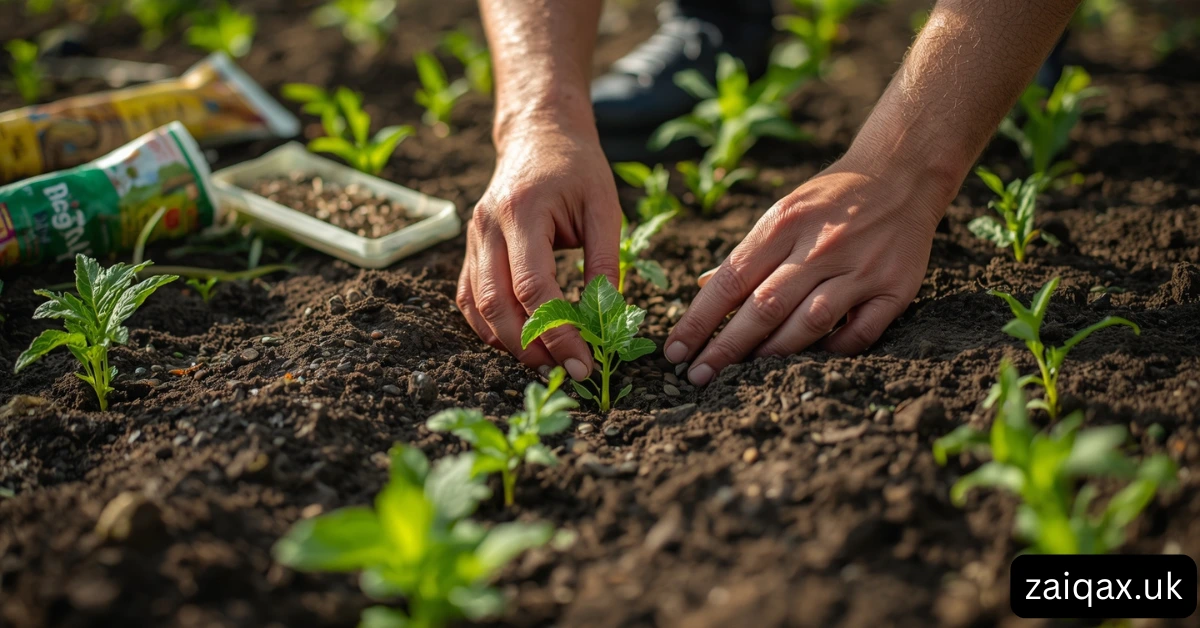
Even experienced growers can make mistakes that drastically reduce alfalfa food plot success. Here are the most shocking pitfalls:
- pass over Soil Prep – Planting on unprepared soil or without proper testing can doom the plot from the start.
- Skipping Inoculants – Neglecting rhizobium inoculants in new soils can prevent nitrogen fixation and stunt growth.
- Over- or Under-Watering – Both extremes can kill seedlings or create conditions for disease.
- Ignoring Wildlife Pressure – Deer and rabbits may graze young seedlings heavily. Temporary fencing or deterrents may be necessary until plants are established.
- Wrong Seed Variety – Planting a variety undue for your climate or soil type is a recipe for failure.
The Role of Climate in Alfalfa Seed Success
Climate plays an often underrated role in alfalfa growth. Temperature extremes, rainfall patterns, and frost dates all impact seed germination and plant health.
- Frost Sensitivity – Young seedlings are sensitive to frost. Planting too early or too late can result in winterkill or poor organization.
- Heat Stress – Extreme summer heat can reduce germination and cause plants to bolt (flower prematurely), which reduces nutritional value.
- Rainfall Patterns – Alfalfa can handle moderate drought once established, but irregular rainfall during germination may require supplemental watering.
How Wildlife Management Influences Food Plot Success
A shocking truth is that even perfectly planted alfalfa plots can fail if wildlife is not managed. While the goal is often to attract deer and other herbivores, uncontrolled grazing can devastate young seedlings.
- Temporary Fencing – Erecting low-cost, temporary fencing can protect seedlings until they are established.
- Staggered Planting – Planting in phases allows some plants to mature before heavy grazing begins.
- Mixed Plantings – Combining alfalfa with other forage crops can reduce pressure on a single species, improving overall plot resilience.
Maximizing Alfalfa Seed Success with Expert Tips
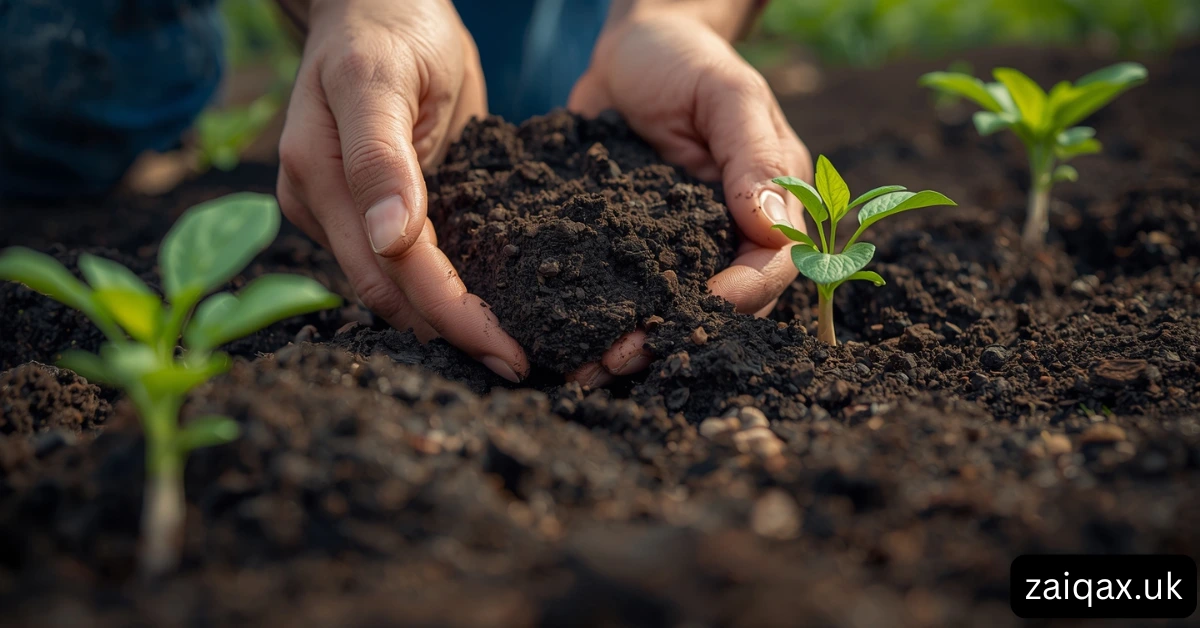
After understanding the shocking truths about alfalfa food plot seeds, here are expert strategies for promised success:
- Test and Amend Soil – Always start with a soil test and adjust pH and nutrients before planting.
- Choose the Right Variety – Match seed varieties to your soil type, climate, and wildlife goals.
- Plant at Correct Depth – Ensure seeds are planted ¼ to ½ inch deep for optimal germination.
- Use Inoculants – Promote nitrogen fixation in new plots with rhizobium inoculants.
- Protect Seedlings – Use fencing or deterrents to protect young plants from grazing.
- Water Consistently – Keep soil moist during germination, then adjust watering based on weather.
- Control Weeds – Early weed management supports healthy, vigorous alfalfa growth.
- Monitor and Adapt – Track growth, soil conditions, and wildlife pressure to make adjustments.
Conclusion
The shocking truth about alfalfa food plot seed success is that while it may seem straightforward, achieving consistent, high-yield results requires attention to detail. From seed variety and soil conditions to planting techniques, maintenance, and wildlife management, every factor contributes to the outcome.
By understanding these truths and applying expert strategies, you can maximize your alfalfa food plot success, providing a lush, nutritious food source for wildlife while improving soil health. The key takeaway? Alfalfa is not a “set it and forget it” crop. With careful planning, preparation, and management, your food plot can thrive, and the results can be truly rewarding.
FAQS
What is alfalfa food plot seed used for?
It is planted to provide high-protein forage for deer, livestock, and wildlife.
When is the best time to plant alfalfa seed?
Early spring or late summer is ideal for optimal germination.
How much alfalfa seed is needed per acre?
Typically, 15–20 pounds per acre is recommended.
What type of soil is best for alfalfa?
Well-drained, fertile soil with a pH of 6.5–7.5 works best.
How often should alfalfa plots be maintained?
Regular mowing, fertilizing, and weed control help maintain healthy growth.