
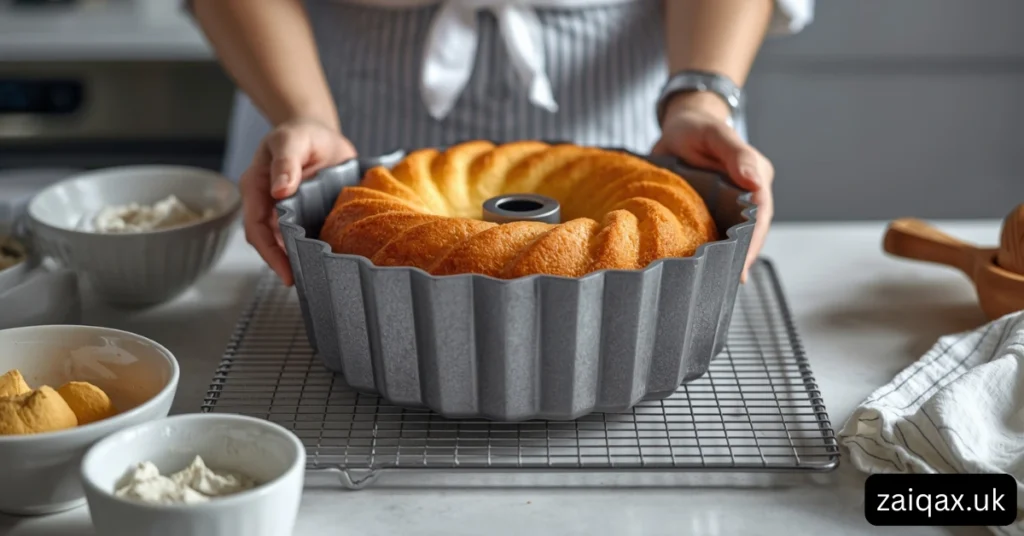
Angel food cake is a delicate, airy dessert that has been loved for generations. Its cloud-like texture, subtle sweetness, and light finish make it a perfect treat for birthdays, tea parties, or simply a sweet indulgence at home. Using a bundt pan adds a charming twist to this classic dessert, giving it an elegant shape and impressive presentation. If you’ve ever wondered how to master angel food cake in a bundt pan, this ultimate guide will walk you through everything—from choosing the right ingredients to baking, cooling, and serving with style.
Understanding Angel Food Cake
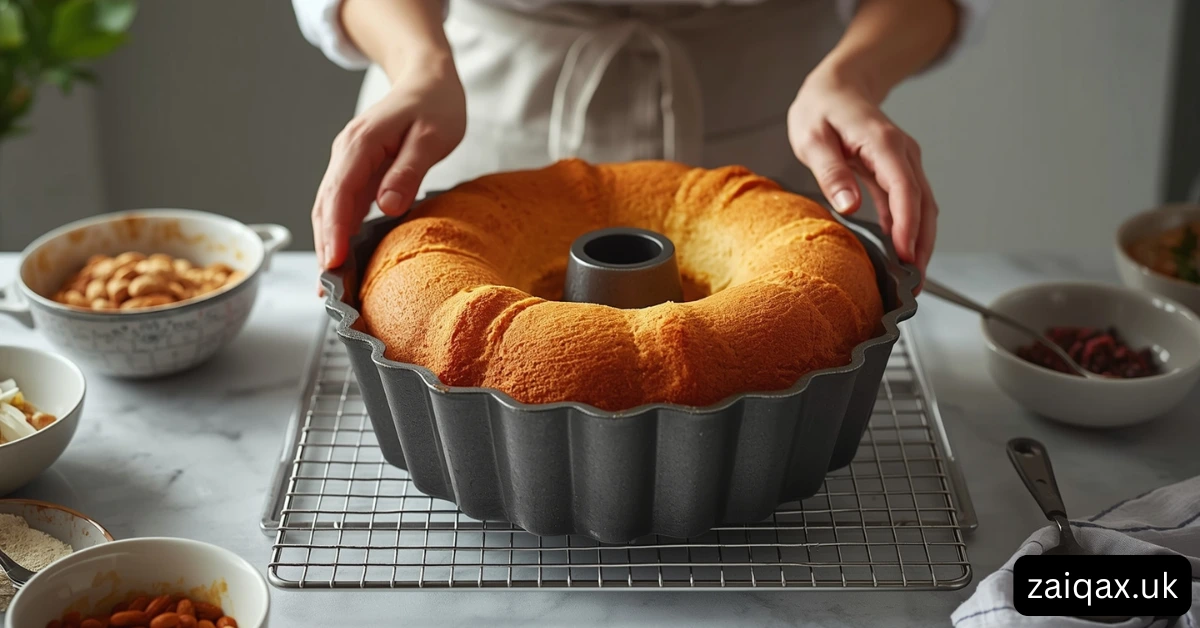
Angel food cake is unique because it relies entirely on whipped egg whites to rise. Unlike traditional cakes that use butter or oil for richness, angel food cake is fat-free, which makes it light and airy. It depends information on proper aeration of the egg whites and careful folding of dry ingredients. Mistakes like overmixing or under-whipping can lead to a dense, flat cake instead of the desired fluffy texture.
Key Ingredients
The simplicity of angel food cake ingredients is part of its charm. Here’s what you’ll need for bundt pan success:
- Egg Whites – Fresh, at room temperature, and free of yolk. Egg whites provide the structure and volume.
- Granulated Sugar – Fine sugar dissolves easily and stabilizes whipped egg whites.
- Cake Flour – Lighter than all-purpose flour, cake flour has a tender, sure crumb.
- Cream of Tartar – A small amount strengthens egg whites, helping them hold their shape.
- Vanilla Extract – Adds subtle flavor without overpowering the cake.
- Salt – upgrades sweetness and balances flavors.
Optional ingredients include almond extract for a nutty aroma or citrus zest for a bright, refreshing touch.
Choosing the Right Bundt Pan
Not all bundt pans are created equal when it comes to angel food cake. Choosing the right pan is crucial to ensure the cake rises evenly and releases cleanly.
- Material: Nonstick pans are convenient but can interfere with the cake clinging to the sides, which is necessary for proper rise. Classic aluminum pans are ideal.
- Shape: Simple designs with smooth, straight sides work best. Complex patterns can make it harder to remove the cake without breaking it.
- Size: A 10–12 cup bundt pan is standard and works well for most angel food cake recipes.
Tips for Preparing the Bundt Pan
Unlike traditional cakes, angel food cakes should not be greased. The cake needs to cling to the sides to climb as it bakes. Some bakers recommend lightly dusting with flour only if the pan is particularly smooth, but generally, an ungreased aluminum pan is the best choice.
Step-by-Step Angel Food Bundt Cake Preparation
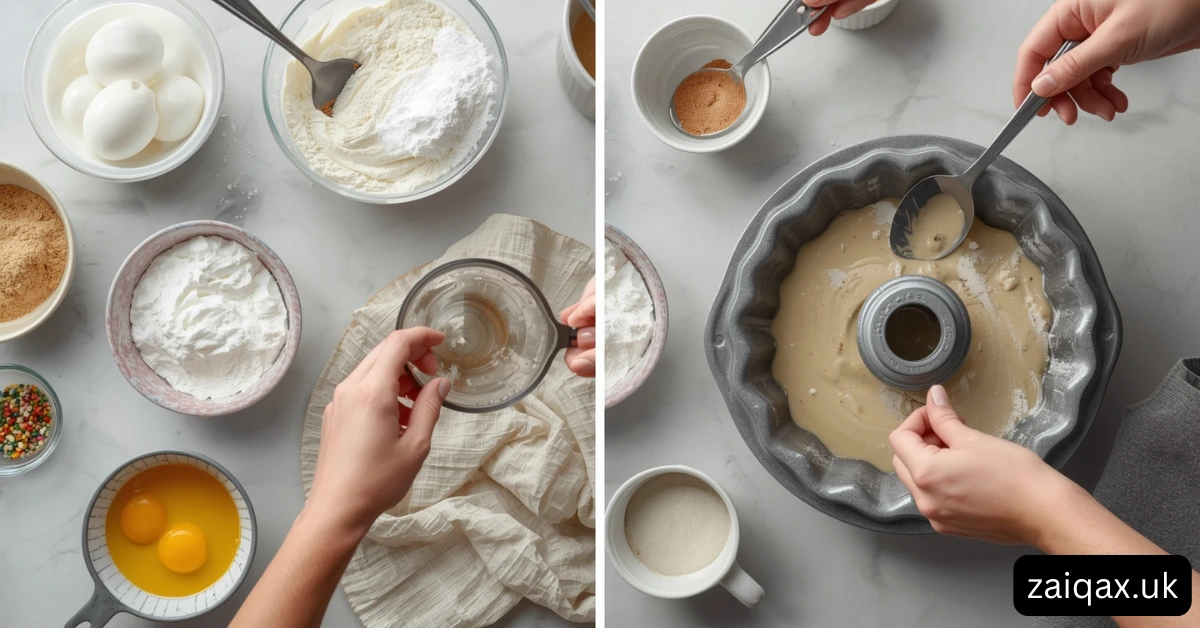
Baking angel food cake in a bundt pan requires patience and precision. Follow these steps carefully for perfect results:
1. Preheat Your Oven
Set your oven to 350°F (175°C). Make sure it’s fully preheated before putting the cake in, as a consistent temperature ensures proper rise.
2. Prepare the Egg Whites
- Separate eggs carefully, avoiding any yolk contamination.
- Allow egg whites to reach room temperature for easier whipping.
- Add a pinch of salt and cream of tartar to stabilize the whites.
3. Whip the Egg Whites
- Use a stand mixer or hand mixer on medium speed.
- Gradually add sugar while whipping until stiff peaks form.
- Avoid overbeating, which can dry out the egg whites and cause the cake to collapse.
4. Sift Dry Ingredients
- Sift cake flour and additional sugar together.
- Sifting ensures even distribution and prevents lumps, which can weigh down the cake.
5. Fold in Dry Ingredients
- Gently fold dry ingredients into the whipped egg whites using a spatula.
- Use a slow, round motion to preserve the airiness of the batter.
6. Pour Into Bundt Pan
- Carefully transfer the batter into the ungreased pan.
- Smooth the top gently with a spatula.
7. Bake with Care
- Bake for 35–45 minutes or until the cake is golden and springs back when lightly pressed.
- Avoid opening the oven door during the first 25–30 minutes, as this can cause the cake to deflate.
8. Cool Upside Down
- Angel food cake must cool upside down to maintain height and prevent collapse.
- Invert the bundt pan on a bottle or funnel and let it cool completely, typically 1–2 hours.
9. Remove From Pan
- Run a thin knife around the edges and center tube to loosen the cake.
- Gently tap the pan to release the cake without breaking it.
Common Mistakes to Avoid
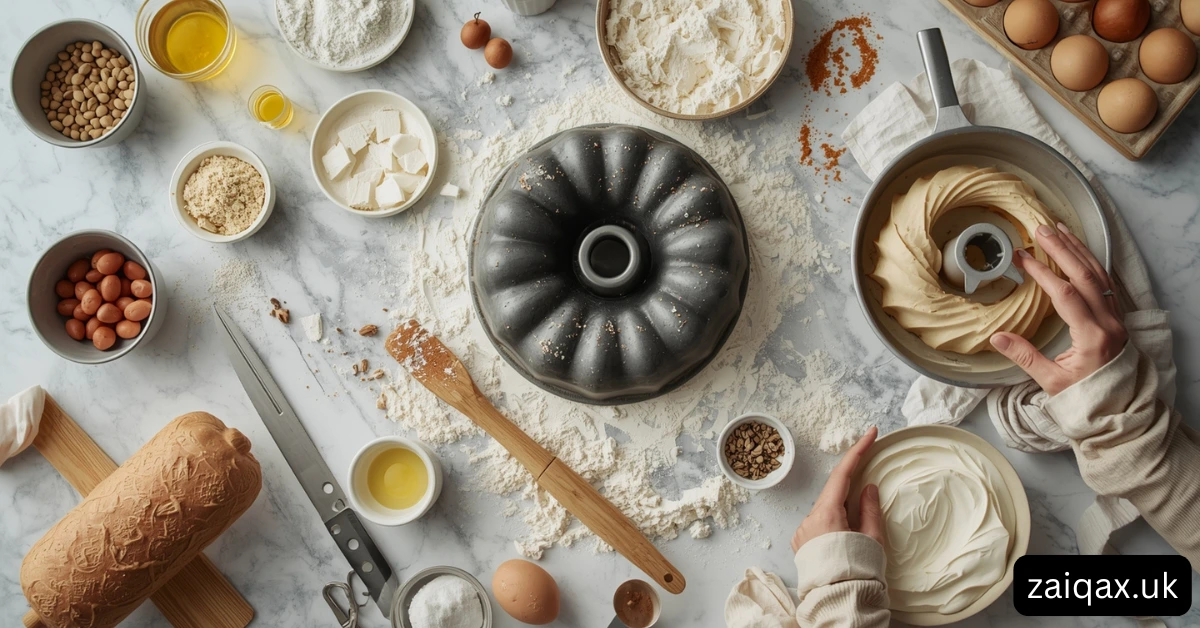
Even experienced bakers sometimes struggle with angel food cake. Here are common pitfalls and how to avoid them:
- Egg Yolk Contamination – Even a small trace of yolk can prevent egg whites from whipping properly.
- Overbeating Egg Whites – Stiff peaks are ideal, but overbeaten whites become dry and break down during baking.
- Opening the Oven Door Too Soon – Sudden temperature changes can cause the cake to collapse.
- Greasing the Pan – Greasing prevents the cake from climbing the sides, resulting in a flat cake.
- Skipping Cooling Upside Down – Cooling right-side-up can shrink the cake and ruin its fluffy texture.
Tips for Perfect Texture
- Use room temperature eggs for maximum volume.
- Sift dry ingredients at least twice for extra lightness.
- Fold gently and consistently to avoid deflating the batter.
- Avoid vibrations or sudden movements while the cake is baking.
Flavor Variations and Additions
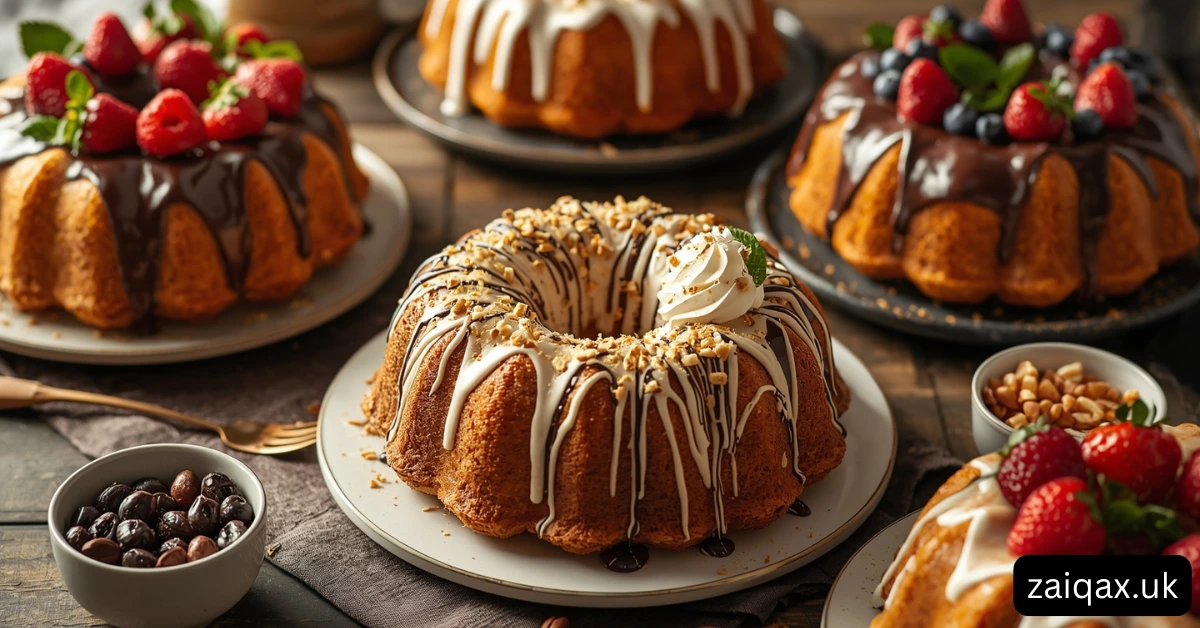
While classic angel food cake is delicious on its own, bundt cakes offer room for creative flavor enhancements:
- Citrus Zest – Add lemon or orange zest to the batter for a fresh, zesty flavor.
- Vanilla or Almond Extract – A teaspoon of extract enhances the natural sweetness.
- Fruit Toppings – Serve with fresh berries, fruit compote, or a light glaze.
- Chocolate Drizzle – Melted chocolate or a light ganache can add a decadent touch.
Serving Suggestions
Angel food bundt cakes are versatile and pair beautifully with various accompaniments:
- Dust with powdered sugar for a simple, elegant finish.
- Serve with whipped cream and fresh berries for a classic presentation.
- Pair with lemon or raspberry glaze for a tangy-sweet contrast.
- Add a scoop of ice cream for a dessert everyone will love.
Storage and Shelf Life
Proper storage keeps your angel food bundt cake light and fresh:
- Room Temperature – Store in an airtight container for up to 2 days.
- Refrigeration – Wrap in plastic wrap to prevent drying and store for up to 5 days.
- Freezing – Slice and freeze pieces in airtight bags for up to 3 months. Thaw at room temperature before serving.
Why Bundt Pans Enhance Angel Food Cake
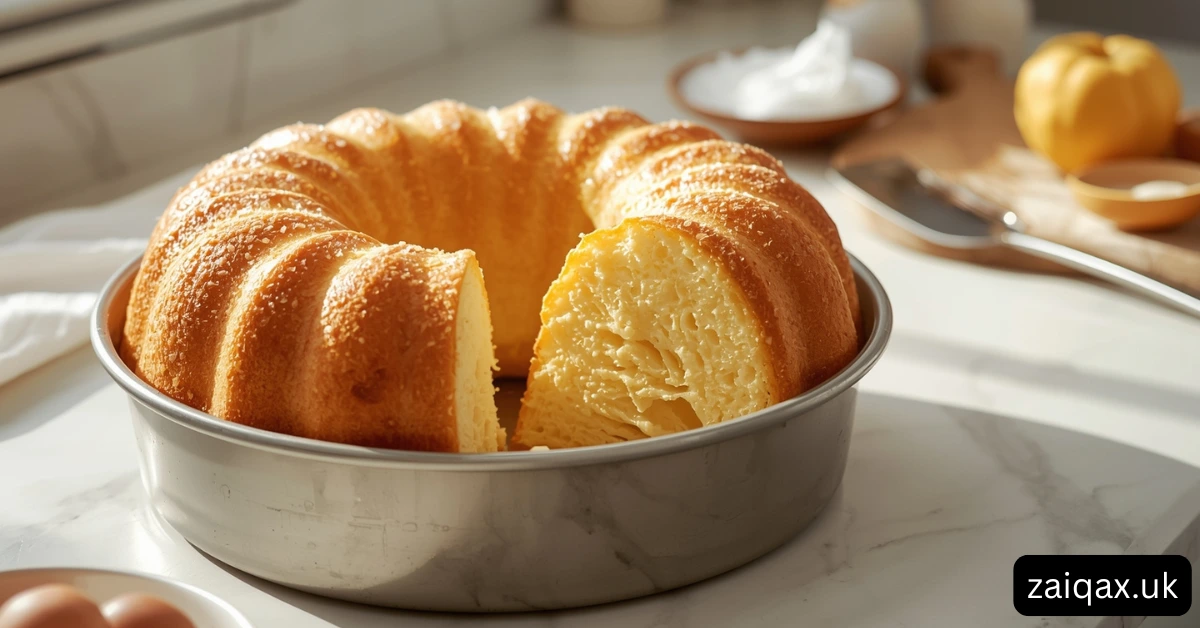
Using a bundt pan elevates angel food cake in several ways:
- Visual Appeal – The signature shape makes the cake look impressive without extra decoration.
- Even Baking – The central tube allows heat to reach the middle, ensuring the cake bakes evenly.
- Serving Ease – Bundt cakes slice neatly, making portioning simple.
Conclusion
Mastering angel food cake in a bundt pan may seem intimidating, but with the right ingredients, careful technique, and patience, anyone can create an amazing, airy dessert at home. From selecting fresh egg whites to proper cooling and creative serving, each step contributes to achieving the perfect light, cloud-like texture. Whether you enjoy it plain, with fruit, or drizzled with chocolate, angel food bundt cake is a show-stopping treat that brings joy to any occasion.
With this ultimate guide, you now have all the tools and tips to bake angel food cake successfully in a bundt pan. The next time you want a dessert that’s both elegant and light, follow these steps, and your cake will rise to the occasion—literally and figuratively!
FAQS
What is an angel food bundt pan?
A pan specially designed to bake light and airy angel food cakes with a hole in the center.
What material is best for an angel food bundt pan?
Nonstick aluminum or tube pans are ideal for even baking and easy release.
Can I use a regular bundt pan for angel food cake?
Yes, but it works best if the pan has a removable bottom and is ungreased for proper rising.
Do I need to grease an angel food bundt pan?
No, angel food cakes need an ungreased pan to cling to the sides and rise properly.
How do I clean an angel food bundt pan?
Wash with warm soapy water and a soft brush, avoiding abrasive scrubbers to protect the nonstick surface.