Kids Special

The Secret Wonka Bar Recipe Everyone Is Talking About

The Secret Wonka Bar Recipe Everyone Is Talking About

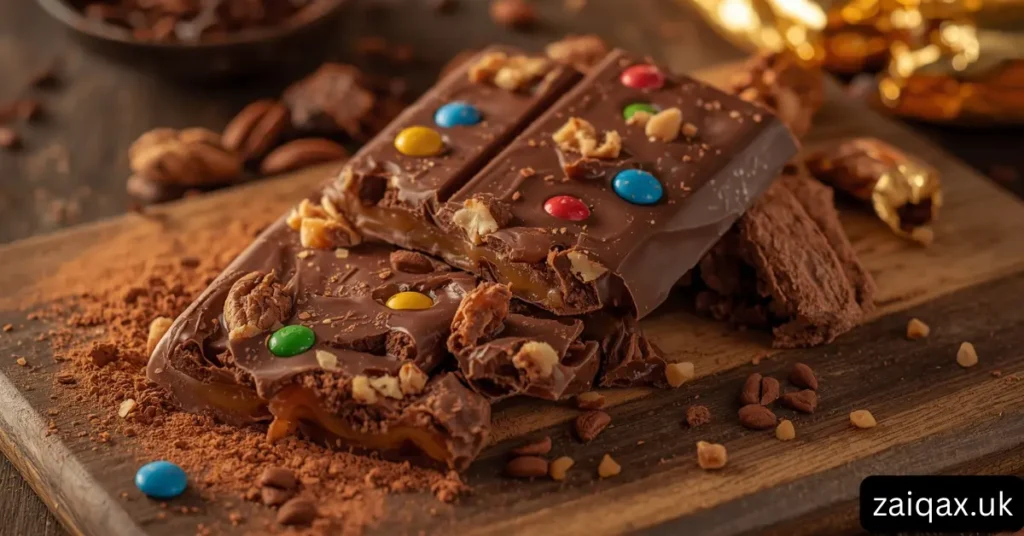
Chocolate lovers, prepare yourselves. There’s a buzz in the culinary world about the secret Wonka bar recipe, and everyone seems to be talking about it. Whether you are a die-hard fan of the classic Willy Wonka & the Chocolate Factory or just someone who loves chocolatey treats, this recipe has captured the imagination of foodies everywhere. Today, we are diving deep into the story, ingredients, and step-by-step process to make your own version of the magical Wonka bar at home. The Fascination with Wonka Bars When we think of chocolate, most of us immediately picture rich, smooth, melt-in-your-mouth sweetness. But Wonka bars are more than just chocolate—they are a combination of mystery, fun, and nostalgia. Inspired by Roald Dahl’s timeless story, the Wonka bar is known for its whimsical appeal and hidden surprises, making it a favorite among kids and adults alike. The intrigue comes from the elusive “secret recipe.” While the official recipe is closely guarded, creative bakers have tried to replicate the flavor and magic in their kitchens. The result? A bar that isn’t just chocolate—it’s an experience. What Makes a Wonka Bar So Special? To understand why everyone is so excited about this recipe, we need to look at what makes a Wonka bar unique: The Texture – A perfect Wonka bar isn’t just chocolatey. It has layers: crunchy, creamy, and chewy bits all combined in harmony. The Flavor – It balances sweet, slightly salty, and rich cocoa notes, sometimes with hidden surprises like caramel or nuts. The Surprise Factor – Just like in the story, the magic of the bar is the unexpected element inside. It could be a gooey center, popping candy, or even small candy pieces hidden within. When you replicate these elements in your own kitchen, you’re not just making a chocolate bar—you’re recreating a piece of childhood wonder. Ingredients You’ll Need for the Secret Wonka Bar While every home baker may have a slightly different version, the core ingredients stay surprisingly simple. Here’s a typical list: High-quality chocolate – Use dark, milk, or a mix depending on your taste preference. Chocolate with a cocoa content of 50–60% works best. Caramel – Soft, chewy caramel adds that magical gooey center. Crispy elements – Wafers, rice crisps, or cookie crumbs give the texture that sets a Wonka bar apart. Nuts and fruits (optional) – Almonds, hazelnuts, or dried fruits like raisins can enhance flavor and texture. Popping candy (optional) – For that authentic Wonka “surprise” effect. Butter and sugar – Essential for caramel and chocolate blends. Vanilla extract – Enhances the richness of the chocolate. Sea salt – A pinch can elevate the sweetness and make the chocolate pop. These ingredients are easy to source, yet when combined in the right way, they transform into something wonderful. Step-by-Step Guide to Making Your Own Wonka Bar Now comes the exciting part—making your very own Wonka bar. Follow these steps for a bar that tastes like it came straight from Willy Wonka’s chocolate factory. Step 1: Preparing the Chocolate Base Chop your chocolate into small pieces for even melting. Melt the chocolate using a double boiler or microwave. If using a microwave, heat in 30-second intervals, stirring in between to avoid burning. Once melted, add a teaspoon of butter and a splash of vanilla extract for extra creaminess. Step 2: Adding the Crunch Mix in your chosen crispy elements, like rice crisps or crushed wafers. Stir until evenly coated in the melted chocolate. This gives your Wonka bar that signature crunch. Step 3: Creating the Caramel Layer In a separate pan, melt sugar over medium heat until it turns golden brown. Stir in butter and a splash of cream carefully—this becomes your gooey caramel. Allow the caramel to cool slightly before adding it to your chocolate mix to avoid melting the chocolate completely. Step 4: Layering Your Bar Pour a layer of chocolate into a lined mold. Add a layer of caramel, spreading evenly. Sprinkle nuts, dried fruits, or popping candy if desired. Cover with another layer of chocolate. Step 5: Setting and Finishing Touches Let your bar sit in the refrigerator for at least 2–3 hours. Once firm, remove from the mold and cut into desired shapes. Optional: drizzle with extra chocolate or sprinkle sea salt for presentation. Congratulations! You now have a homemade Wonka bar that’s sure to impress. Tips for Perfecting Your Wonka Bar Creating the perfect bar takes a little practice. Here are some expert tips: Use high-quality chocolate – The flavor is the foundation. Don’t compromise. Control your temperature – Chocolate can seize if overheated; caramel burns easily. Patience is key. Experiment with flavors – Don’t be afraid to add a hint of espresso, chili, or orange zest. Add the surprise element last – Popping candy or candy bits should go in just before setting to retain their texture. The Secret Ingredient Everyone Is Talking About Many bakers swear by a “hidden ingredient” that makes their Wonka bars irresistible. While there’s no official secret, a touch of sea salt or malted milk powder can make your chocolate richer and more complex. This subtle addition often separates a good homemade bar from a magical one. Why Homemade Wonka Bars Are Better Than Store-Bought Customizable – You can control the sweetness, textures, and surprises. Freshness – Nothing beats freshly made chocolate straight from your kitchen. Fun Factor – Making your own bars is a fun activity for kids and adults alike. Creative Freedom – Add unusual ingredients like chili, matcha, or dried berries for a twist. Unlike mass-produced chocolate, your homemade Wonka bar tells a story—your story. Conclusion The secret Wonka bar recipe everyone is talking about is more than just chocolate. It’s a nostalgic journey, a playful experience, and a chance to create magic in your own kitchen. By carefully combining chocolate, caramel, crispy elements, and optional surprises, you can craft a bar that delights every sense. Whether you follow the classic approach or add your own twist, making a Wonka

The Secret Wonka Bar Recipe Everyone Is Talking About Read More »

Best Bar Mitzvah Food Ideas Guests Always Love Today

Best Bar Mitzvah Food Ideas Guests Always Love Today

Planning a Bar Mitzvah is a joyful experience filled with meaning, family, tradition, and celebration. Among all the details — the venue, music, décor, and guest list — one element always stands out: the food. Guests may forget the centerpieces or party favors, but they always remember what they ate. Choosing the right Bar Mitzvah menu is not just about feeding people. It is about creating an atmosphere, satisfying guests of all ages, respecting traditions, and keeping energy high throughout the event. Whether you are planning a formal banquet, a modern party, or a relaxed gathering, selecting crowd-pleasing dishes makes a huge difference. This guide explores the best Bar Mitzvah food ideas guests genuinely enjoy, along with practical tips to help you design a menu that feels exciting, inclusive, and memorable. Understanding What Makes Bar Mitzvah Food Successful Before jumping into specific dishes, it helps to understand why certain foods work better than others at Bar Mitzvah celebrations. A successful Bar Mitzvah menu usually has:  Wide appeal – Suitable for adults, teens, and children Comfort factor – Familiar flavors guests already love Energy-boosting options – Food that keeps guests active and happy Kosher considerations – Respecting dietary traditions when required Variety – Multiple choices prevent boredom Visual appeal – Attractive food enhances the party vibe Food at a Bar Mitzvah is part of the entertainment. Interactive stations, colorful displays, and creative presentations add excitement to the celebration. Crowd-Favorite Bar Mitzvah Appetizers Appetizers set the tone of your event. Guests often begin eating while mingling, so easy-to-grab, flavorful bites work best. Mini Sliders Sliders are universally loved. Their small size makes them perfect for sampling without feeling heavy. Popular options include: Classic beef sliders Chicken sliders Vegetarian sliders BBQ-style sliders Gourmet toppings like caramelized onions or specialty sauces They feel fun, modern, and satisfying. Stuffed Mushrooms Stuffed mushrooms bring elegance without being complicated. They suit formal and semi-formal celebrations. Common fillings: Herb mixtures Cheese blends Savory vegetable fillings Meat-based stuffing (when appropriate) They are small, tasty, and visually appealing. Falafel Bites Falafel connects beautifully with tradition while still feeling trendy. Guests appreciate both the flavor and the cultural connection. Serve with: Tahini sauce Hummus Mini pita pieces Fresh herbs They are a reliable hit, especially for vegetarian guests. Spring Rolls Spring rolls offer crisp texture and bright flavors. They work for almost any party style. Varieties may include: Vegetable spring rolls Chicken spring rolls Sweet chili dipping sauce Sesame or soy-style sauces They are light and easy to enjoy. Skewered Snacks Food on sticks feels playful and convenient. Skewers reduce mess and increase mobility. Ideas include: Chicken skewers Fruit skewers Caprese skewers Grilled vegetable skewers Dessert skewers They are ideal for both kids and adults. Bar Mitzvah Main Course Ideas That Always Work Main dishes should satisfy hunger while matching the mood of your event. Flexibility and familiarity are key. Classic Buffet Selections Buffets remain one of the safest and most popular choices. Why guests love buffets:  Freedom of choice   No waiting for plated courses   Accommodates different tastes Encourages movement and socializing Common buffet favorites: Grilled chicken dishes Roasted vegetables Rice or grain sides Pasta dishes Fish options Vegetarian selections Buffets suit large guest lists particularly well. Pasta Stations Interactive pasta stations are extremely popular at modern Bar Mitzvah celebrations. Guests choose: Pasta type Sauce Proteins Vegetables Toppings Benefits include: Personalization Live cooking excitement   Comfort food appeal Suitable for many dietary needs This station often becomes a centerpiece attraction. Carving Stations For more formal celebrations, carving stations add sophistication and drama. Typical choices: Roast beef Turkey Brisket Specialty sauces Guests enjoy watching fresh slices prepared in front of them, enhancing the experience. Gourmet Chicken Dishes Chicken remains one of the most universally accepted proteins. Popular styles: Herb roasted chicken Grilled chicken breast Honey glazed chicken Lemon garlic chicken Mediterranean-style chicken Chicken dishes feel safe, satisfying, and adaptable. Fish Entrées Fish adds variety and often suits kosher menus beautifully. Guest-friendly options: Baked salmon Grilled white fish Lemon herb fish Lightly seasoned fillets Fish appeals particularly to adult guests seeking lighter fare. Fun and Interactive Food Stations Guests Adore Modern Bar Mitzvah celebrations often incorporate food stations to create a lively atmosphere. Build-Your-Own Taco Bar Taco bars consistently generate excitement. Guests choose: Tortillas Fillings Toppings Sauces They appeal to all ages and encourage creativity. Burger Bar Burger bars work perfectly for energetic celebrations. Offer: Beef burgers Chicken burgers Vegetarian patties Unique toppings Specialty sauces Guests appreciate the familiar yet customizable concept. Loaded Fries Station Fries are comfort food royalty. A toppings station makes them irresistible. Topping ideas: Cheese sauces Herbs Savory toppings Vegetarian additions Spices This station is especially popular with younger guests. Sushi Station Sushi stations add modern flair and visual elegance. Benefits: Trendy appeal   Light yet flavorful Engaging presentation Vegetarian options available They elevate the party’s sophistication instantly. Pizza Bar Pizza never fails at youth-heavy celebrations. Include: Classic flavors Gourmet variations Vegetarian choices Personal-size slices Pizza bars guarantee guest satisfaction. Kid-Friendly Bar Mitzvah Food Ideas Bar Mitzvah guest lists almost always include many children and teenagers. Their preferences matter greatly. Mini Hot Dogs Simple, nostalgic, and highly popular. Why they work:  Easy to eat Familiar taste Perfect size Minimal mess Chicken Tenders Chicken tenders are a universal comfort food. Serve with: Dipping sauces Fries Simple sides Mac and Cheese Cups Portable, warm, and comforting. They feel fun and indulgent without being heavy. Popcorn Bar A popcorn station adds whimsy and variety. Flavors may include: Sweet Savory Caramel Chocolate-drizzled Snack Stations Casual snack tables help maintain energy. Include: Chips Pretzels Crackers Bite-size treats Elegant Options for Formal Bar Mitzvah Celebrations For traditional or upscale events, refined dishes create the right tone. Plated Dinners Plated meals deliver structure and elegance. Advantages:  Sophisticated presentation Clear dining flow  Controlled portions Enhanced guest experience Steak or Premium Entrées Premium entrées add luxury. Serve with classic sides like: Roasted vegetables Potatoes Flavorful sauces Beautifully Presented Salads Salads need not be boring. Enhance

Best Bar Mitzvah Food Ideas Guests Always Love Today Read More »

Ultimate Guide to Angel Food Bundt Pan Success at Home

Ultimate Guide to Angel Food Bundt Pan Success at Home

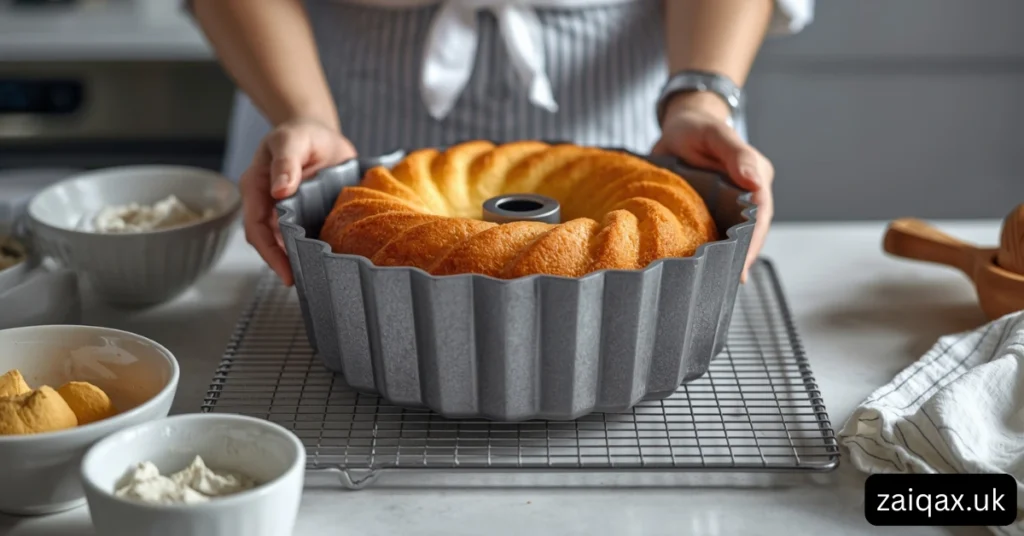
Angel food cake is a delicate, airy dessert that has been loved for generations. Its cloud-like texture, subtle sweetness, and light finish make it a perfect treat for birthdays, tea parties, or simply a sweet indulgence at home. Using a bundt pan adds a charming twist to this classic dessert, giving it an elegant shape and impressive presentation. If you’ve ever wondered how to master angel food cake in a bundt pan, this ultimate guide will walk you through everything—from choosing the right ingredients to baking, cooling, and serving with style. Understanding Angel Food Cake Angel food cake is unique because it relies entirely on whipped egg whites to rise. Unlike traditional cakes that use butter or oil for richness, angel food cake is fat-free, which makes it light and airy. It depends information on proper aeration of the egg whites and careful folding of dry ingredients. Mistakes like overmixing or under-whipping can lead to a dense, flat cake instead of the desired fluffy texture. Key Ingredients The simplicity of angel food cake ingredients is part of its charm. Here’s what you’ll need for bundt pan success: Egg Whites – Fresh, at room temperature, and free of yolk. Egg whites provide the structure and volume. Granulated Sugar – Fine sugar dissolves easily and stabilizes whipped egg whites. Cake Flour – Lighter than all-purpose flour, cake flour has a tender, sure crumb. Cream of Tartar – A small amount strengthens egg whites, helping them hold their shape. Vanilla Extract – Adds subtle flavor without overpowering the cake. Salt – upgrades sweetness and balances flavors. Optional ingredients include almond extract for a nutty aroma or citrus zest for a bright, refreshing touch. Choosing the Right Bundt Pan Not all bundt pans are created equal when it comes to angel food cake. Choosing the right pan is crucial to ensure the cake rises evenly and releases cleanly. Material: Nonstick pans are convenient but can interfere with the cake clinging to the sides, which is necessary for proper rise. Classic aluminum pans are ideal. Shape: Simple designs with smooth, straight sides work best. Complex patterns can make it harder to remove the cake without breaking it. Size: A 10–12 cup bundt pan is standard and works well for most angel food cake recipes. Tips for Preparing the Bundt Pan Unlike traditional cakes, angel food cakes should not be greased. The cake needs to cling to the sides to climb as it bakes. Some bakers recommend lightly dusting with flour only if the pan is particularly smooth, but generally, an ungreased aluminum pan is the best choice. Step-by-Step Angel Food Bundt Cake Preparation Baking angel food cake in a bundt pan requires patience and precision. Follow these steps carefully for perfect results: 1. Preheat Your Oven Set your oven to 350°F (175°C). Make sure it’s fully preheated before putting the cake in, as a consistent temperature ensures proper rise. 2. Prepare the Egg Whites Separate eggs carefully, avoiding any yolk contamination. Allow egg whites to reach room temperature for easier whipping. Add a pinch of salt and cream of tartar to stabilize the whites. 3. Whip the Egg Whites Use a stand mixer or hand mixer on medium speed. Gradually add sugar while whipping until stiff peaks form. Avoid overbeating, which can dry out the egg whites and cause the cake to collapse. 4. Sift Dry Ingredients Sift cake flour and additional sugar together. Sifting ensures even distribution and prevents lumps, which can weigh down the cake. 5. Fold in Dry Ingredients Gently fold dry ingredients into the whipped egg whites using a spatula. Use a slow, round motion to preserve the airiness of the batter. 6. Pour Into Bundt Pan Carefully transfer the batter into the ungreased pan. Smooth the top gently with a spatula. 7. Bake with Care Bake for 35–45 minutes or until the cake is golden and springs back when lightly pressed. Avoid opening the oven door during the first 25–30 minutes, as this can cause the cake to deflate. 8. Cool Upside Down Angel food cake must cool upside down to maintain height and prevent collapse. Invert the bundt pan on a bottle or funnel and let it cool completely, typically 1–2 hours. 9. Remove From Pan Run a thin knife around the edges and center tube to loosen the cake. Gently tap the pan to release the cake without breaking it. Common Mistakes to Avoid Even experienced bakers sometimes struggle with angel food cake. Here are common pitfalls and how to avoid them: Egg Yolk Contamination – Even a small trace of yolk can prevent egg whites from whipping properly. Overbeating Egg Whites – Stiff peaks are ideal, but overbeaten whites become dry and break down during baking. Opening the Oven Door Too Soon – Sudden temperature changes can cause the cake to collapse. Greasing the Pan – Greasing prevents the cake from climbing the sides, resulting in a flat cake. Skipping Cooling Upside Down – Cooling right-side-up can shrink the cake and ruin its fluffy texture. Tips for Perfect Texture Use room temperature eggs for maximum volume. Sift dry ingredients at least twice for extra lightness. Fold gently and consistently to avoid deflating the batter. Avoid vibrations or sudden movements while the cake is baking. Flavor Variations and Additions While classic angel food cake is delicious on its own, bundt cakes offer room for creative flavor enhancements: Citrus Zest – Add lemon or orange zest to the batter for a fresh, zesty flavor. Vanilla or Almond Extract – A teaspoon of extract enhances the natural sweetness. Fruit Toppings – Serve with fresh berries, fruit compote, or a light glaze. Chocolate Drizzle – Melted chocolate or a light ganache can add a decadent touch. Serving Suggestions Angel food bundt cakes are versatile and pair beautifully with various accompaniments: Dust with powdered sugar for a simple, elegant finish. Serve with whipped cream and fresh berries for a classic presentation. Pair with lemon or raspberry glaze for a tangy-sweet contrast.

Ultimate Guide to Angel Food Bundt Pan Success at Home Read More »

The Secret to Perfect Angel Food and Pie Filling Every Time

The Secret to Perfect Angel Food and Pie Filling Every Time

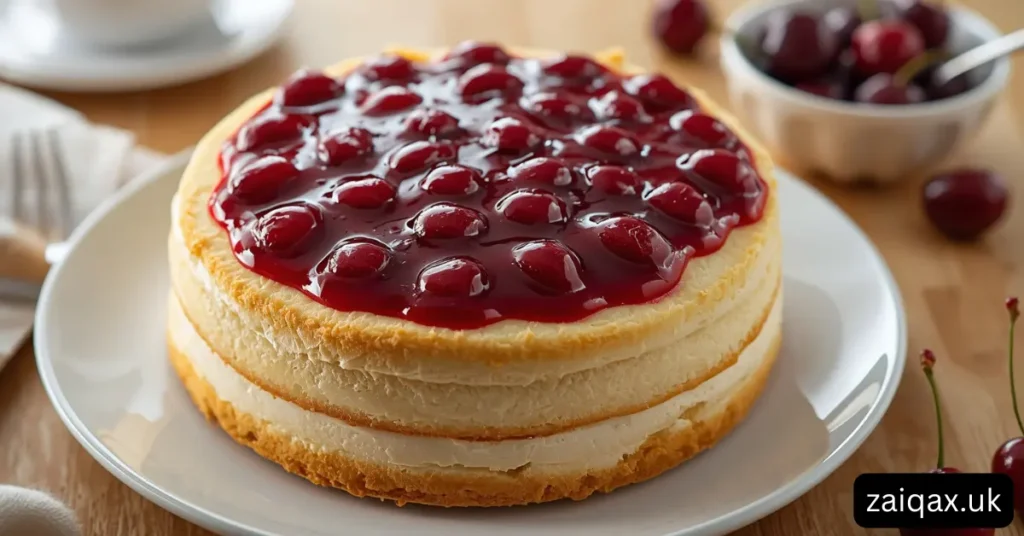
Baking is an art, but it’s also a science. Few things are as satisfying as slicing into a fluffy angel food cake or spooning out a creamy pie filling that holds its shape perfectly. If you’ve ever struggled with flat cakes, runny fillings, or cracked tops, don’t worry—you’re not alone. The secret to perfect angel food and pie filling every time isn’t some hidden magic trick; it’s a combination of kindness to your ingredients, using the right techniques, and learning. In this article, we’ll uncover the exact steps and tips that ensure your angel food cakes rise sky-high and your pie fillings stay smooth and delicious every single time. Understanding Angel Food Cake: Light as Air Angel food cake is famous for its airy, cloud-like texture. But that same delicacy makes it tricky to bake. The secret lies in the egg whites. 1. The Power of Egg Whites Egg whites are the backbone of angel food cake. When whipped, they create a foam that traps air, giving the cake its light arrangement. To achieve perfection: Use room temperature egg whites: They whip up more easily and create more volume. Ensure no yolk contamination: Even a tiny bit of yolk can prevent whites from whipping properly. Add sugar gradually: This stabilizes the foam without deflating it. 2. Flour Matters Angel food cake relies on cake flour rather than all-purpose flour. Cake flour is lighter and lower in protein, which results in a tender crumb rather than a dense texture. Sift the flour: This adds air and ensures a smooth batter. Fold gently: When combining whipped egg whites with the flour, fold carefully to maintain the airy structure. 3. Avoid Overbaking Even with perfect whipping and folding, overbaking can ruin your angel food cake. Check for doneness with touch: The top should spring back gently when pressed. Cool upside down: Angel food cakes are delicate. Cooling upside down prevents collapsing. The Science of Pie Filling: Thick, Smooth, and Delicious Whether it’s fruit, custard, or cream, pie filling must strike a balance between flavor and structure. The secret is understanding your thickening agents and how to treat them included. 1. Choosing the Right Thickener Cornstarch: Perfect for clear, glossy fillings like cherry or apple. Flour: Works well in custard-based or baked pies. Tapioca: Ideal for fruit pies that release a lot of juice; it gives a firm, jelly-like consistency. 2. Proper Cooking Techniques Avoid boiling: Many starches break down if boiled too hard. A gentle simmer ensures a smooth, thick texture. Constant stirring: Prevents lumps and scorching. Add sugar gradually:Finish sugar completely avoids a grainy texture. 3. Flavoring and Balance The secret to a pie filling that tastes as good as it looks is in the flavor layers: Acidity: A bit of lemon juice brightens fruit pies. Spices: Cinnamon, nutmeg, or vanilla can enhance depth. Butter: Adding a small pat at the end gives richness and a glossy finish. Combining Science and Art: Tips for Consistent Success Consistency in baking comes from understanding both the science of your ingredients and the art of technique. Here are some tips to make your angel food and pie fillings perfect every time: 1. Measure Accurately Baking is precise. Use a digital scale or proper measuring cups for both dry and liquid ingredients. Even small variations can affect texture. 2. Temperature Control Room temperature ingredients: Eggs, butter, and dairy mix better and trap air more effectively. Oven calibration: Even a few degrees too hot or too cold can impact rising and setting. 3. Timing Matters Don’t rush: Let batters and fillings rest if the recipe calls for it. Cool properly: Angel food cake should cool upside down; pie fillings may need time to set in the fridge for the best consistency. Common Mistakes and How to Avoid Them Even experienced bakers fall into pitfalls. Knowing common mistakes helps you avoid them: 1. Dense Angel Food Cake Cause: Underwhipped egg whites or improper folding. Fix: Whip egg whites to stiff peaks and fold gently using a spatula in a figure-eight motion. 2. Runny Pie Filling Cause: Incorrect thickener, too much liquid, or undercooking. Fix: Use the right starch, cook gently, and allow the filling to cool and set. 3. Cracked Pie Surface Cause: Overbaking or baking at too high a temperature. Fix: Bake at the recommended temperature and avoid opening the oven frequently. Secrets from Professional Bakers Professional bakers have their own tricks that home cooks can adopt: Room temperature egg whites: Increases volume. Fine sugar: Dissolves faster and stabilizes foam. Cornstarch slurry: Mix cornstarch with a little water before adding to hot liquid to prevent clumps. Blind baking: For pies with custard or wet fillings, pre-bake the crust slightly to avoid sogginess. Step-by-Step Guide: Perfect Angel Food Cake Every Time Preheat the oven to 350°F (175°C). Separate egg whites from yolks, ensuring no yolk contamination. Whip egg whites until foamy. Gradually add sugar, whipping to stiff peaks. Sift cake flour and gently fold into egg whites in batches. Pour batter into an ungreased tube pan. Bake for 35–40 minutes, or until the top springs back when lightly touched. Invert the pan and let cool completely before removing. Step-by-Step Guide: Perfect Pie Filling Every Time Choose your fruit or custard base. Combine your thickening agent (cornstarch, flour, or tapioca) with a small portion of sugar. Heat your fruit juices or milk, stirring constantly. Slowly add the thickener mixture, stirring until fully incorporated. Cook over medium heat until the filling thickens and begins to bubble gently. Remove from heat and stir in butter and flavorings. Let the filling cool slightly before pouring into a pre-baked or unbaked pie crust. Final Thoughts The secret to perfect angel food and pie filling every time isn’t a single trick—it’s the combination of understanding your ingredients, careful technique, and a bit of patience. With practice, you’ll notice the differences: angel food cakes that rise beautifully and stay airy, and pie fillings that hold firm while bursting with flavor. Remember, baking is both

The Secret to Perfect Angel Food and Pie Filling Every Time Read More »

zaiqax.uk

Proven Mango Baby Food Moms Trust Instantly

Every mom wants to give her baby the best start. Food plays a big role in that. And nothing is sweeter or more loved than a ripe mango. The proven mango baby food moms trust instantly  is easy to make. It tastes naturally sweet. It is full of vitamins and energy. And most important — babies love it. This mango recipe has become a trusted choice for many moms around the world. If you want a simple, healthy, and fast meal for your little one, this is it. The Power of Mango for Babies   Mango is called the “king of fruits” for a reason. It’s not just sweet and delicious. It’s also packed with nutrition your baby needs. Key Benefits of Mango for Babies:   Vitamin A helps support vision and growth. Vitamin C boosts the immune system. Fiber helps in smooth digestion. Natural sugars give quick energy. Antioxidants support a healthy body. The smooth texture of ripe mango makes it easy for babies to eat. It doesn’t need extra sugar or flavoring. That’s why the proven mango baby food moms trust instantly has become a must-try for many families.  When to Introduce Mango to Your Baby   Most doctors suggest introducing fruits like mango at around 6 months of age. This is the time when many babies start eating solid foods.  Signs Your Baby Is Ready:    Sits up with support.  Shows interest in what you eat.  Opens mouth when food comes close.  Can swallow soft purees without choking. Always talk to your pediatrician before starting new foods. Every baby is different. Some may be ready earlier. Others may need more time. Choosing the Right Mango for Baby Food   The secret to making proven mango baby food moms trust instantly starts with choosing the right mango.  Tips to Pick the Best Mango:    Look for a fully ripe mango.  It should be soft but not mushy.  The skin may have spots — that’s okay.  A sweet smell at the stem end means it’s ready. Avoid unripe or sour mangoes. They can upset a baby’s stomach. Go for juicy, golden-orange flesh with a smooth texture.  How to Prepare Mango for Baby Food   Making mango baby food is simple. You don’t need fancy tools or long steps.  What You Need:    1 ripe mango  A clean knife and spoon  A blender or fork  A clean bowl Step-by-Step:   Wash the mango carefully. Peel the skin off completely. Cut the fruit into small chunks. Blend until smooth. If needed, add a little breast milk or water for a thinner texture. That’s it. Your proven mango baby food moms trust instantly is ready. No sugar. No preservatives. Just pure fruit goodness. Texture Guide for Different Baby Stages   Babies grow fast. Their eating needs to change too. 6 to 8 months:    Smooth puree.  No lumps.  Mix with a bit of breast milk or formula. 8 to 10 months:    Slightly thicker.  Soft lumps are okay.  You can mash with a fork instead of blending.  10 months and older:  Chunky mash or small cubes.  Encourage self-feeding.  Serve as finger food. This step-by-step adjustment helps your baby learn to chew and swallow safely. Why This Recipe Works So Well Moms love recipes that are easy, quick, and healthy. That’s why this proven mango baby food moms trust instantly is a top favorite. Why It’s Special:    Ready in minutes.  Full of vitamins and minerals.  No added sugar or salt.  Baby-friendly texture.  Naturally sweet taste.  Budget-friendly and fresh. Many moms say their babies eat more when mango is on the menu. It’s a flavor babies enjoy.  Expert Tips for Making Mango Baby Food To make this recipe even better, try these helpful tips: Use a ripe mango for a smooth texture. Serve fresh — don’t keep it for too long. Store leftovers in airtight containers in the fridge. Freeze for later use in small portions. Warm slightly before serving if cold. Mango can be mixed with other healthy foods too. This makes it even more fun for your baby. Fun Mix-Ins to Boost Nutrition   You can mix mango with other baby-safe foods to make it more nutritious.  Best Combinations:    Mango + banana = extra energy.  Mango + yogurt = creamy texture.  Mango + oats = more fiber.  Mango + avocado = healthy fats.  Mango + sweet potato = added iron. These combos make mealtime more exciting. They also give your baby more nutrients in one bowl.  Storage Tips to Keep Mango Baby Food Fresh Freshness matters. You want your baby’s food safe and healthy. Storing in the Fridge:  Place in a clean airtight container.  Use within 2 days. Keep it at the back of the fridge where it’s coldest. Freezing: Use small freezer-safe portions. Freeze for up to 1 month. Thaw in the fridge overnight. Warm gently before feeding. Never refreeze thawed food. Always check the smell and texture before serving. How to Serve Mango Baby Food Safely Safety comes first. Even soft fruits need proper serving. Make sure the texture matches your baby’s age. Test the temperature before giving it to your baby. Sit your baby upright during feeding.  Always watch while they eat.  Start with small amounts. Feeding should be relaxed and happy. Don’t force the baby to eat. Let them explore the flavor. Common Mistakes to Avoid   Even simple recipes can go wrong if not careful. Avoid These:    Using unripe mango.  Adding sugar or honey.  Serving big chunks too early.  Leaving it out for too long.  Not checking for allergies. Stay mindful. A few simple steps keep your baby safe and happy. Signs of Mango Allergy in Babies   Mango allergy is rare, but it can happen. Watch for:    Rash or redness.  Swelling of lips or face.  Trouble breathing.  Vomiting or diarrhea. If you see any of these, stop feeding mango and call your doctor. Always introduce new foods one at a time. That way, you can easily spot any reaction. How to

Proven Mango Baby Food Moms Trust Instantly Read More »

zaiqax.uk (2)

Proven Toddler Finger Food Hacks That Make Kids Eat Fast

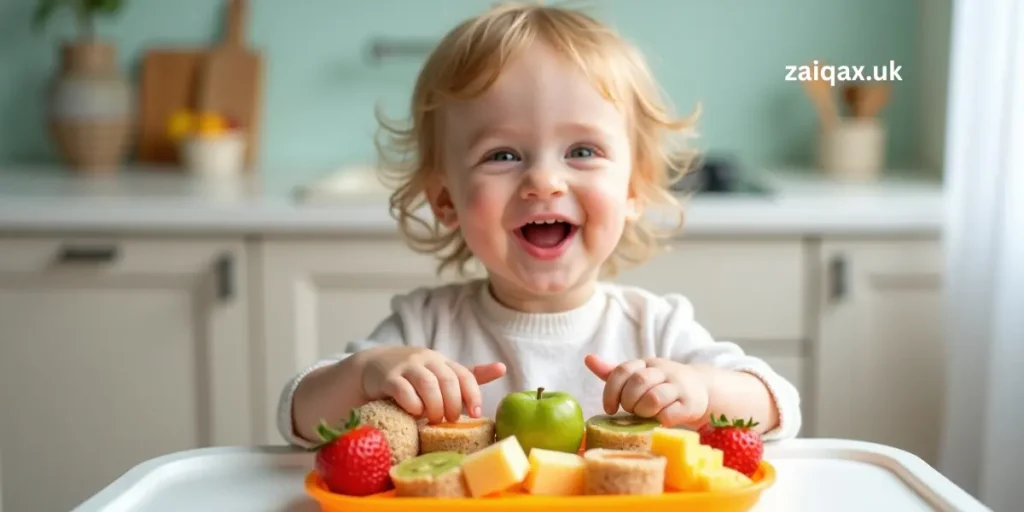
Feeding toddlers can feel like a never-ending game. They run around. They refuse to sit. They push away spoons. But there is a simple solution that works like magic — finger food. Today, you will discover proven toddler finger food hacks that make kids eat fast. These hacks are easy. They are practical. And best of all, they actually work. Whether you are a busy parent, a grandparent, or a babysitter, these ideas will help you feed little ones without stress.  Why Toddler Finger Food Works So Well Finger food is more than just small bites. It is a smart way to help toddlers feed themselves.  It gives them control over their food.  It makes mealtime feel like play.  It improves their motor skills.  It keeps them busy and focused.  And yes — it makes them eat faster. Many parents don’t realize this, but toddler finger food hacks are not just about recipes. They are about strategy. The way you serve the food matters as much as what you serve.  1. Keep It Bite-Sized and Fun Toddlers love tiny things. Small bites make eating easy. If food looks fun, they eat faster. Here are simple ways to make bites perfect for little hands:  Cut fruits like bananas, mangoes, or melons into small cubes.  Slice veggies like carrots and cucumbers into soft sticks.  Make mini sandwiches with soft bread.  Shape cheese into tiny squares or stars. When food looks playful, toddlers grab it without hesitation. And when they can grab it fast, they eat it fast too.  2. Make Food Soft but Grabbable Texture matters. If food is too hard, toddlers get frustrated. If it’s too soft, it falls apart. The trick is finding the perfect middle. Here are good finger food textures:  Steamed veggies that stay firm but soft.  Toasted bread that holds shape but isn’t tough.  Scrambled eggs cooked just right — not too runny.  Mini pancakes that are soft but not sticky. This simple hack can turn picky eaters into happy eaters. 3. Use Color to Attract Their Eyes Toddlers eat with their eyes first. Bright, happy colors make them excited to eat. Try mixing colors like:  Orange carrots  Green peas  Red strawberries  Yellow bananas  Purple grapes (cut safely) A colorful plate feels like a toy box. Kids love exploring it. And when they are excited, they eat faster.  4. Keep Portions Small Big plates can overwhelm toddlers. Small portions make mealtime easier. Start with a few bites. Let them finish. Then offer more. This trick reduces waste and encourages quick eating. It also gives toddlers a sense of success. When they finish a small plate, they feel proud — and they want more. 5. Use Dipping Sauces to Boost Interest Dips make everything better for kids. They turn plain finger food into fun. Here are some toddler-friendly dips:  Yogurt  Hummus  Mashed avocado  Mild cheese sauce  Peanut butter (if safe for your child) Place the dip in a small cup or section. Kids love to dip and bite. It gives them a sense of control and makes eating quick.  6. Serve Familiar Food in New Ways Toddlers can be picky. But if you serve familiar food in a fun way, they get curious. Examples:  Turn a regular sandwich into star shapes.  Roll up cheese in tortilla slices for mini wraps.  Make fruit kebabs using baby-safe sticks.  Turn mini pancakes into smiley faces. This hack keeps their interest alive and speeds up mealtime.  7. Mix Sweet and Savory Toddlers love sweet flavors. But adding a tiny savory twist makes food more balanced and satisfying. Try these combos:  Apple slices with cheese  Banana with peanut butter  Pancakes with eggs  Sweet potato with chicken bites A mix of flavors keeps toddlers from getting bored. And less boredom means faster eating.  8. Create a Finger Food Routine Mealtime routines work wonders. When toddlers know what to expect, they eat better and faster. Simple routine tips:  Serve food at the same time daily.  Use the same favorite plate or tray.  Keep finger food in a set portion.  Keep distractions like screens away. When mealtime is calm and consistent, toddlers focus on their food.  9. Keep Meals Mess-Friendly Many parents fear the mess. But toddlers learn best when they can explore food with their hands. Tips to make it easy:  Use a wipeable mat or highchair.  Dress your toddler in an easy-to-clean bib.  Use small bowls that don’t tip over.  Keep a damp cloth nearby. Less stress means more freedom for them to eat fast without pressure.  10. Involve Them in the Prep When toddlers help prepare food, they become more eager to eat. Simple tasks toddlers can help with:  Washing fruits and veggies.  Mixing batter or yogurt.  Picking food colors or shapes.  Arranging bites on the plate. This sense of ownership makes them eat quickly and happily.  11. Serve One Item at a Time Too many options can confuse toddlers. Serve one or two finger foods at a time. For example:  First, give cheese bites.  Next, give fruit cubes.  Then, give mini wraps. This method keeps their attention sharp. No distractions. Just fast eating.  12. Play Soft Music During Meals Calm music helps toddlers stay relaxed. A peaceful vibe leads to better eating habits. Pick soft, happy tunes. Keep it low. Avoid loud noise or screens. A peaceful environment makes mealtime smooth and quick.  13. Finger Food Hack for Picky Eaters Picky toddlers often eat slowly or not at all. But finger food can change that. Try this trick:  Offer a familiar favorite next to a new item.  Make both items look cute or fun.  Keep portions tiny.  Celebrate every bite they take. Positive energy around food can speed up their eating.  14. Create Toddler Snack Boxes Snack boxes make finger food more exciting. Use a small bento box or tray. Fill each section with a fun snack:  Cheese cubes  Fruit bites  Mini crackers  Veggie sticks  Yogurt dip Snack boxes turn meals into a mini adventure. Toddlers love exploring every section —

Proven Toddler Finger Food Hacks That Make Kids Eat Fast Read More »

featured images

Best Zucchini Baby Food Combinations Every Mom Needs

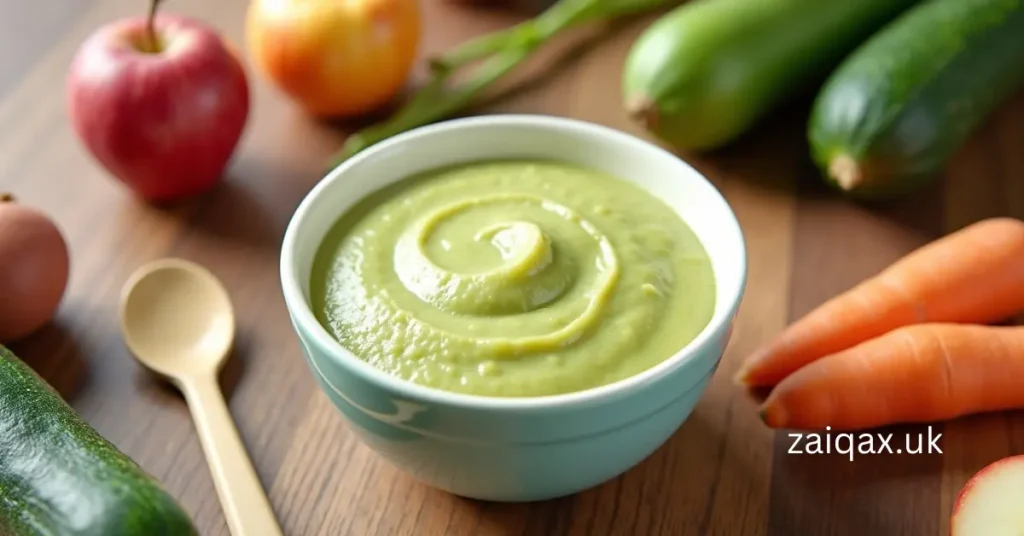
It’s exciting and difficult to feed your baby. You want meals that are flavorful, nutritious, and safe. One of the greatest vegetables to start with is zucchini. It is nutrient-dense, mild, and simple to digest. Zucchini adds wonderful flavors to other foods that your baby will adore. This guide will give you the best zucchini baby food combinations every mom needs. We’ll cover benefits, recipes, storage tips, and expert advice. Why Choose Zucchini for Baby Food? Mild taste  makes it perfect for little taste buds. Soft texture blends smoothly into purees. Rich in vitamins A and C for growth and immunity. High in water keeps digestion smooth. Low allergen risk compared to many foods. Zucchini is a simple vegetable that pairs well with almost everything.  When Can Babies Start Eating Zucchini?  6-month-old  babies are ready to start solid foods. Soft vegetables like zucchini are safe at this point. Purees of a single ingredient should always be made first, then combinations. Before introducing any new foods, consult your pediatrician.  How to Prepare Zucchini for Baby Wash zucchini properly. Peel skin for younger babies. Cut into small pieces. Steam until soft. Blend into smooth puree. For older babies, you can leave the skin for more fiber. Best Zucchini Baby Food Combinations Here are tried-and-tested ideas:  1. Zucchini and Carrot  Carrots add natural sweetness.  Rich in vitamin A for eye health.  Bright colors make it fun for babies. Recipe: Steam equal parts zucchini and carrot. Blend into a smooth puree. 2. Zucchini and Sweet Potato  Creamy and filling.  High in fiber and beta-carotene. Great for babies needing extra energy. Recipe: Steam zucchini and sweet potato. Blend together until creamy. 3. Zucchini and Apple  Sweet and mild.  Perfect for picky eaters.  A balance of fruit and vegetable. Recipe: Steam zucchini and apples. Puree until smooth. 4. Zucchini and Banana  No cooking required for bananas.  Soft, sweet, and easy to mash.  Great for quick meals. Recipe: Steam zucchini, mash with ripe banana.  5. Zucchini and Pear  Gentle on the stomach.  Naturally sweet and hydrating.  Helps with constipation. Recipe: Steam zucchini and pear. Blend into a soft puree. 6. Zucchini and Avocado  Creamy texture.  Packed with healthy fats. Supports brain development. Recipe: Mash steamed zucchini with ripe avocado.  7. Zucchini and Chicken  Protein boost for growth.  Soft and easy to digest.  A filling meal for lunch or dinner. Recipe: Cook chicken until tender. Steam zucchini. Blend both together. 8.Zucchini and Rice Light and filling.  Easy on baby’s tummy.  Great for babies learning textures. Recipe: Cook rice until very soft. Mix with steamed zucchini. Blend or mash.  9. Zucchini and Lentils  High in protein and iron.  Creamy and nutritious.  Helps build strength. Recipe: Cook lentils until soft. Steam zucchini. Blend together.  10. Zucchini and Oats  Perfect for breakfast.  Rich in fiber and energy.  Keeps the baby full longer. Recipe: Cook oats with water. Add steamed zucchini. Blend into a smooth puree. Tips for Making Baby Food with Zucchini  Always cook zucchini before serving.  Start with smooth purees, then move to chunky textures.  Add breast milk or formula to thin puree if needed.  Avoid salt, sugar, or spices. Babies don’t need them. Storage and Freezing Tips Fridge: Store puree in an airtight container for 3 days. Freezer: Freeze in small portions for 1 month. Defrost: Warm gently before serving. Never refreeze thawed food. Signs Your Baby Enjoys Zucchini Combinations Smiles when eating.  Open mouth for more.  Finishes most of the serving. If your baby refuses, don’t worry. Try again after a few days. Babies often need several tries before liking a new food. Safety Precautions Introduce one new food at a time.  Wait 3 days before trying another new food.  Watch for allergy signs like rash or vomiting.  Always supervise feeding time. Expert Advice for Moms Rotate zucchini with other vegetables for variety. Mix zucchini with fruits for sweetness. Slowly add proteins like chicken or lentils after 6 months.  By 9 months, offer chunkier textures to develop chewing skills. Benefits of Zucchini Combinations for Babies  Balanced nutrition from fruits, veggies, and proteins.  Improves digestion.  Builds immunity.  Encourages healthy eating habits. Frequently Asked Questions Can I give raw zucchini to my baby? No, always cook zucchini for babies under 12 months. Can I mix zucchini with breast milk? Yes, adding breast milk makes puree smoother and tastier. What if my baby refuses zucchini? Try mixing with sweeter foods like apples or bananas. Is zucchini safe for baby-led weaning? Yes, steam zucchini sticks until soft and serves as finger food.  Conclusion One of the simplest and healthiest first foods for babies is zucchini. It becomes a nutritional powerhouse when paired with grains, proteins, fruits, and vegetables. These zucchini baby food combinations are simple, tasty, and safe. They will help your baby grow strong, happy, and healthy. Begin with modest quantities. If your baby initially refuses, have patience. Zucchini will eventually become a favorite food. Every mom needs these combinations in her kitchen. They are easy, proven, and full of love for your little one.

Best Zucchini Baby Food Combinations Every Mom Needs Read More »

istockphoto 117707989 612x612

Proven Strawberry Baby Food Recipe for Happy Tummies

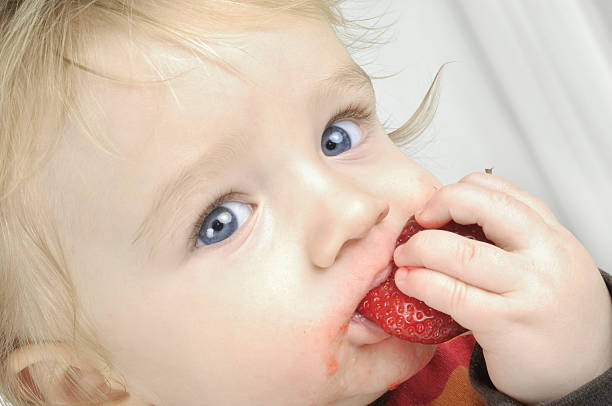
Strawberries are not just delicious. They are also full of nutrients. Babies love their sweet taste. Parents love their health benefits. If you’re looking for a proven strawberry baby food recipe for happy tummies, you’re in the right place. We will discuss here  all the details starting from reasons why strawberries are good for babies, to recipes, storage, feeding tips and much more.   Together we can make healthy eating enjoyable! Why Choose Strawberries for Baby Food? Strawberries are full of  vitamins. Strawberries contain vitamin C, fiber, and antioxidants. These help your baby grow strong. They also help in digestion and boost the immune system. Here are some quick benefits: Vitamin C helps absorb iron. Fiber aids digestion. Antioxidants protect cells. Natural sweetness makes it baby-friendly. But wait—can babies eat strawberries? Let’s cover that next. When Can Babies Eat Strawberries? Most doctors say babies can have strawberries at around 6 months. This is the usual age to start solids. But every baby is different. Here’s what to keep in mind: Talk to your pediatrician first. Watch for any signs of allergies. Start with a small amount. Strawberries are not a common allergen. But they can cause a rash around the mouth. It’s usually from the fruit’s natural acid. This is normal for many babies.   Now that you know it’s safe, let’s move to the exciting part—the recipe! Proven Strawberry Baby Food Recipe for Happy Tummies Here is a simple, tried-and-true recipe that parents swear by. It’s fresh, flavorful, and gentle on little tummies. Ingredients: 1 cup of fresh, ripe strawberries 2 tablespoons of water or breast milk (optional) Tools Needed: Blender or food processor Fine mesh strainer (optional) Knife and cutting board Spoon and storage containers Instructions: Wash the Strawberries Rinse the strawberries under cold water. Make sure they are clean. Remove the Stems Cut off the green tops using a knife. Cut into Small Pieces Slice the strawberries to help them blend easier. Blend Until Smooth Place them in a blender or food processor. Blend until you get a smooth puree. Optional: Add Liquid If the mix is too thick, add a little water or breast milk. Blend again. Optional: Strain the Puree For younger babies, you can strain the puree to remove seeds. Cool Before Serving Let the puree cool before feeding your baby. Texture Tips for Each Stage Babies go through different stages. Their chewing skills grow with time. Here’s how to adjust the texture: Stage 1 (6–7 months): Puree until very smooth. No chunks or seeds. Serve plain or mix with breast milk. Stage 2 (8–9 months): Mash with a fork for a thicker texture. Add mashed banana or yogurt. Stage 3 (10+ months): Offer small soft chunks. Mix with oatmeal or cottage cheese. Smart Add-Ins for More Flavor You can pair strawberries with other baby-friendly foods. These add variety and nutrition: Banana – adds creaminess Avocado – healthy fats Oats – fiber boost Greek yogurt – protein and probiotics Applesauce – natural sweetness Mixing new foods can make mealtime exciting! How to Store Strawberry Baby Food Making baby food ahead saves time. Here’s how to store it safely: In the Fridge: Use airtight containers. Lasts for up to 3 days. In the Freezer: Use ice cube trays or baby food molds. Freeze for up to 3 months. Label with date. To Reheat: Use a warm water bath or baby food warmer. Stir well and test the temperature. Never refreeze food once thawed. Signs Your Baby Loves the Recipe Wondering if your baby enjoys this recipe? Look for these happy signs: Opens mouth eagerly Smiles or makes happy noises Finishes the serving No tummy troubles after eating A proven strawberry baby food recipe for happy tummies should make your baby full and cheerful. That’s the goal! Troubleshooting Common Issues Sometimes, feeding doesn’t go as planned. Here’s how to handle common problems: Baby Refuses to Eat: Try again later. Mix with a favorite food. Change the texture. Rash Around the Mouth: Often caused by acidity. Wipe the face after eating. Stop feeding if rash gets worse. Loose Stool or Gassiness: Reduce serving size. Mix with binding foods like rice cereal. Make It a Full Meal You can turn the strawberry puree into a full meal: Mix with oatmeal and breast milk for breakfast. Pair with mashed sweet potato for lunch. Add to plain yogurt for a snack. Keep it balanced. Variety keeps your baby’s gut and taste buds happy. Baby-Led Weaning Strawberry Ideas Doing baby-led weaning? Skip the puree. Try these soft options: Ripe strawberry halves (for older babies) Strawberry slices rolled in baby cereal Cooked strawberry pieces in pancake batter Always watch your baby while eating. Make sure the pieces are soft and easy to gum. Benefits for Baby’s Digestion Why does this proven strawberry baby food recipe for happy tummies work so well? Strawberries are: High in water (keeps baby hydrated) Easy to digest (when pureed) Mildly fibrous (helps avoid constipation) Naturally sweet (no sugar needed) Babies with gentle tummies often do well with strawberries. Making Mealtime Special Use bright bowls and baby spoons. Play soft music. Talk or sing during feeding. These little things matter. They help your baby enjoy the food. Happy mealtimes build trust and good habits. What Other Moms Say We asked real moms what they think: Ayesha, mom of 1-year-old: “My baby lights up when she sees the red color! This recipe is a winner!” Mina, mom of twins: “I blend strawberries with banana and oats. No tummy troubles at all!” Hina, first-time mom: “Started at 6 months. She loved the taste. No added sugar needed!” This proves it’s a trusted and proven strawberry baby food recipe for happy tummies. Doctor’s Advice Always check with your baby’s pediatrician before starting new foods. Especially if there’s a family history of food allergies. Start slow. Watch your baby. Keep a food diary if needed. Fun Strawberry Facts for Kids Want to make strawberries even more fun? Share these cute facts: Strawberries

Proven Strawberry Baby Food Recipe for Happy Tummies Read More »

zaiqax.uk 20250911 215052 0000

Smart Moms Choose These Baby Brezza Recipes

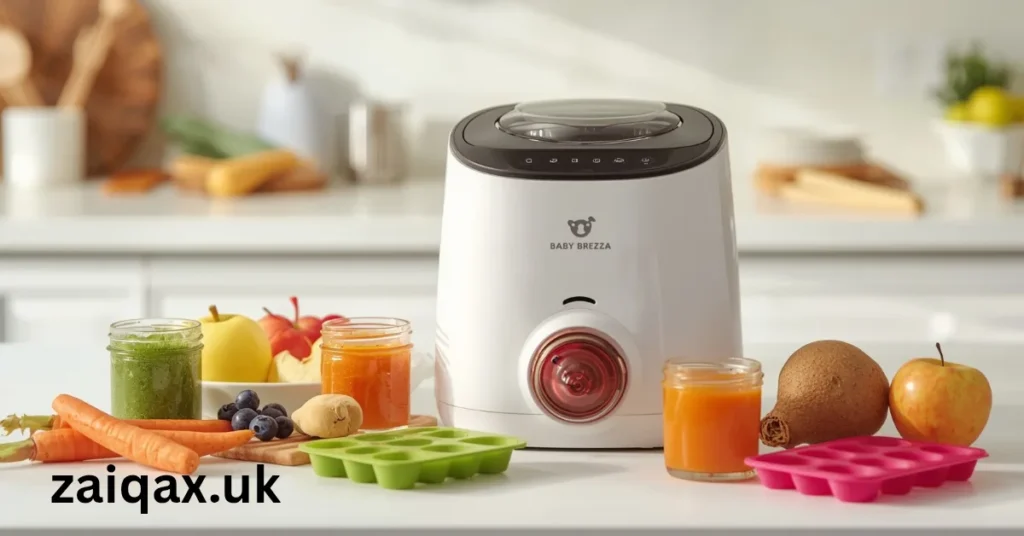
Are you a busy mom looking to make healthy food for your baby? Do you want something quick, easy, and full of goodness? If yes, you’re in the right place. Smart moms choose these Baby Brezza recipes to save time and give their babies tasty meals. With the Baby Brezza food maker, you can steam and blend food in minutes. It’s a game-changer for new parents. In this guide, you’ll find the best baby food recipes using the Baby Brezza. Each recipe is easy, nutritious, and baby-approved. Let’s dive into it! Why Smart Moms Love the Baby Brezza Food Maker The Baby Brezza food maker is more than a kitchen gadget. It’s a lifesaver. Here’s why: One-touch operation – just press a button. Steams and blends in one step. Easy to clean – no mess. Saves time – perfect for busy moms. Preserves nutrients in fruits and veggies. The Baby Brezza is great innovative equipment for meal prepping fun and quick whether you are a first-time or experienced mom. When to Start Using Baby Brezza Recipes Routine checkups with your doctor are needed to determine ideal time frames to venture into solids which is typically between 4-6 months. During this period make sure to single ingredient purees for starters. Prepped food at intervals helps them know their body better. You will be able to prepare smooth four different varieties from scratch helping your little one relish the flavors with utmost love and joy using baby brezza. Tips Before You Start Cooking Before we get into the recipes, here are a few tips: Always wash fruits and veggies well. Peel and chop food into small pieces. Use fresh and organic ingredients if possible. Steam until soft to help with digestion. Start with small amounts and increase as needed. Now let’s get to the good stuff—the recipes smart moms swear by. Stage 1: Single-Ingredient Purees (4-6 Months) 1. Apple Puree Smart moms choose this Baby Brezza recipe first. Ingredients: 1 peeled apple, chopped Instructions: Add apples to the Baby Brezza. Select steam + blend for 10 minutes. Let it cool and serve. Benefits: Full of  fiber and vitamin C. 2. Carrot Puree   Ingredients: 1 peeled carrot, chopped Instructions: Steam + blend in Baby Brezza for 15 minutes. Let it cool and serve fresh. Benefits: Great for eye health. 3. Pear Puree Ingredients: 1 ripe pear, peeled and diced Instructions: Use steam + blend for 10 minutes. Serve once cooled. Benefits: Soft on baby’s tummy 4. Sweet Potato Puree Ingredients: 1 small sweet potato, cubed finely Instructions: Steam + blend for 20 minutes. Check texture and serve. Benefits: Rich in  vitamin A and fiber. Stage 2: Two-Ingredient Combos (6-8 Months) 5. Apple and Carrot Mash Smart moms choose these Baby Brezza recipes for growing babies. Ingredients: 1 apple 1 carrot Instructions: Add both ingredients to the Baby Brezza. Steam and  blend for just 15 minutes. Benefits: Sweet and rich in nutrients. 6.Mash of  Banana and Avocado  Ingredients: 1 ripe banana ½ avocado Instructions: No need to steam. Just blend using the Baby Brezza blend setting. Benefits: High in healthy fats and potassium. 7. Spinach and Sweet Potato Ingredients: 1 handful fresh spinach 1 small sweet potato Instructions: Steam + blend for 20 minutes. Benefits: Iron and vitamin A combo. 8. Blueberry and Pear   Ingredients: ½ cup blueberries 1 pear Instructions: Steam + blend for 12 minutes. Benefits: Antioxidants and natural sweetness. Stage 3: Protein-Rich Purees (8-10 Months) 9. Chicken and Carrot Puree Smart moms choose these Baby Brezza recipes to add protein. Ingredients: ½ chicken breast (boneless) 1 carrot Instructions: Chop chicken into small pieces. Add carrot and chicken to Baby Brezza. Steam + blend for 20–25 minutes. Benefits: Protein and vitamins for growth. 10. Lentils and Carrots Ingredients: ¼ cup cooked red lentils 1 carrot Instructions: Steam carrot in Baby Brezza. Add cooked lentils. Blend until smooth. Benefits: Plant-based protein and fiber. 11. Egg Yolk and Avocado Ingredients: 1 hard-boiled egg yolk ½ avocado Instructions: Blend both ingredients until creamy. Benefits: Iron, healthy fats, and brain-boosting nutrients. 12. Beef and Sweet Potato Ingredients: ¼ cup cooked ground beef ½ sweet potato Instructions: Steam sweet potato. Add cooked beef. Blend together. Benefits: Iron and energy for active babies. Stage 4: Chunky Textures and Finger Foods (10-12 Months) 13. Broccoli and Cheese Mash Ingredients: 1 cup broccoli florets 2 tbsp shredded cheese Instructions: Steam broccoli. Add cheese and blend briefly. Benefits: Calcium and flavor. 14. Quinoa and Banana Mash Ingredients: ¼ cup cooked quinoa 1 banana Instructions: Mix and blend until soft. Benefits: Protein and carbs for energy. 15. Pasta and Veggie Mix   Ingredients: ¼ cup cooked baby pasta ¼ cup steamed mixed veggies Instructions: Blend lightly for texture. Benefits: Balanced and hearty. Storage Tips for Baby Brezza Meals Smart moms choose these Baby Brezza recipes and store them right. Store in airtight containers. Refrigerate for up to 3 days. Freeze for up to 1 month. Use baby food trays or ice cube trays for small portions. Label with name and date. Always warm gently and stir before serving. Common Questions Moms Ask Q: Can I use frozen fruits or veggies? Yes, but thaw them before using in the Baby Brezza. Q: Can I add spices or herbs? Mild herbs like basil can be added after 8 months. Avoid salt and sugar. Q: How often should I make baby food? You can prep a week’s worth and freeze it. Batch cooking saves time. Q: What texture should baby food be? Start with smooth purees and move to thicker textures slowly. Bonus: Smart Feeding Schedule Example Baby’s Age Meal Frequency Recipe Examples 4–6 Months 1x/day Apple puree, carrot puree 6–8 Months 2x/day Apple-carrot, banana-avocado 8–10 Months 3x/day Chicken-carrot, lentil mix 10–12 Months 3 meals + snacks Broccoli-cheese, pasta veggie mix Final Thoughts Smart moms choose these Baby Brezza recipes because they are fast, healthy, and full of flavor. Your baby gets the nutrition they need, and you save time every day.

Smart Moms Choose These Baby Brezza Recipes Read More »

zaiqax.uk 20250911 122029 0000

How to Make Spinach Balls That Kids Will Love

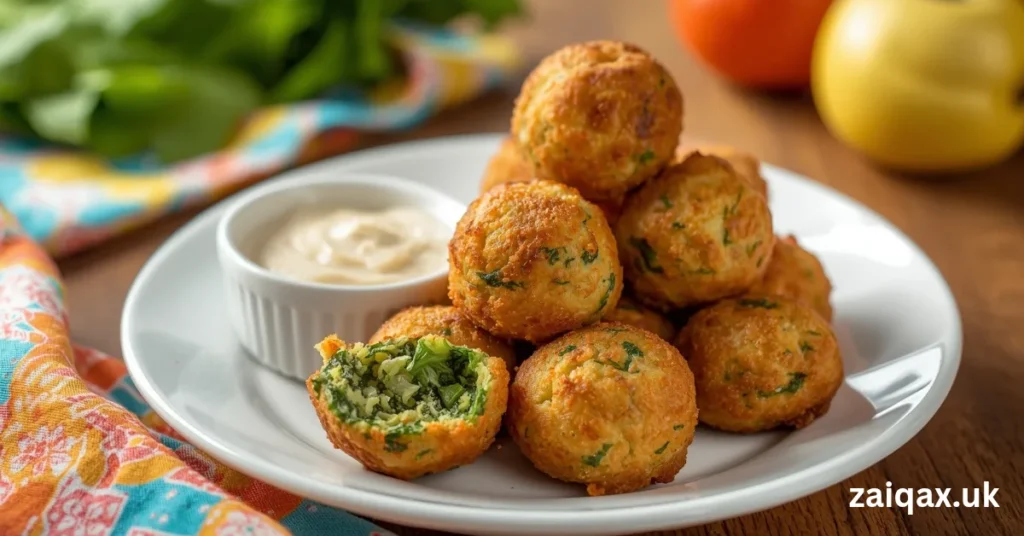
  Looking for a wholesome snack your kids will truly enjoy? You’re in the right place. In this guide, we’ll show you how to make spinach balls that kids will love—easy, cheesy, and absolutely delicious. These little green bites are full of flavor. They’re soft on the inside, lightly crispy on the outside, and packed with nutrients. Plus, they’re fun to eat! Let’s get started. Why Kids Will Love These Spinach Balls Most children don’t like spinach. It’s green, leafy, and looks strange. But not when you turn it into tasty, bite-sized balls! Here’s why these spinach balls are kid-approved: They look like fun finger food They taste cheesy, not “green” Easy to dip in ketchup or ranch Soft texture, not bitter Kids can help make them, too This recipe hides the spinach flavor so well, even picky eaters will say “yum.”   Ingredients You’ll Need This is a simple recipe with everyday ingredients. Here’s what you’ll need: Basic Ingredients: 1 package (10 oz) frozen chopped spinach 1 cup breadcrumbs 1 cup shredded mozzarella or cheddar cheese 2 large eggs 1/4 cup grated Parmesan 1/2 tsp garlic powder 1/2 tsp onion powder Salt and pepper to taste Optional Add-ins (for more flavor): 1 tbsp fresh parsley 1/4 tsp Italian seasoning Pinch of chili flakes (for older kids) Feel free to mix and match based on your child’s taste. Step-by-Step Instructions Step 1: Thaw and Drain the Spinach Place the frozen spinach in a bowl and let it thaw completely. Once thawed, squeeze out all the water using a clean towel. This step is crucial—wet spinach will make the balls mushy. Step 2: Mix the Ingredients In a large bowl, combine: Drained spinach Eggs Cheese Breadcrumbs Spices Mix well until everything comes together. The mixture should hold when pressed. Step 3: Shape the Balls Take a spoonful of the mixture and roll it into a small ball (about 1 to 1.5 inches wide). Place them on a baking tray lined with parchment paper. Step 4: Bake or Air-Fry Oven Method: Preheat to 375°F (190°C) Bake for 18–20 minutes or until golden Air Fryer Method: Preheat to 375°F Cook for 10–12 minutes, shaking halfway through Step 5: Cool and Serve Let the spinach balls cool slightly before serving. Serve warm with a kid-friendly dip. Tips to Make Them Even Better Use fresh spinach if you prefer—just steam and chop Add cooked rice or mashed potato for a softer texture Use cookie scoops for evenly sized balls Sprinkle extra cheese on top before baking Dipping Sauce Ideas for Kids Dips make everything more fun! Try these with spinach balls: Ketchup (classic and kid-favorite) Ranch dressing Cheese sauce Garlic yogurt dip Honey mustard Let kids choose their favorite dip to make snack time more exciting. Variations to Try Want to switch things up? Try these fun versions: Cheesy Pizza Spinach Balls Add mini pepperoni bits and a pinch of oregano. Serve with marinara sauce. Potato Spinach Balls Mix in mashed potatoes for added softness. Chicken and Spinach Balls Mix in cooked shredded chicken for extra protein. Hidden Veggie Spinach Balls Grate in carrots or zucchini—kids won’t notice! Gluten-Free Spinach Balls Use gluten-free breadcrumbs or almond flour. Make-Ahead and Freezer Tips To Refrigerate: Store uncooked spinach balls in the fridge for up to 24 hours, then bake when ready. To Freeze: Place raw balls on a tray and freeze for 2 hours. Then transfer to a zip bag. Bake directly from frozen—just add 5 extra minutes. Spinach balls freeze well and reheat easily. How to Involve Kids in Cooking Kids love helping in the kitchen. Let them: Crack the eggs Stir the mixture Roll the balls Sprinkle cheese It’s fun and teaches healthy eating habits early on. Nutritional Benefits of Spinach Balls These aren’t just tasty—they’re good for your kids too! What spinach offers: Rich in iron for strong blood High in vitamin C for immune support Contains fiber for digestion Packed with antioxidants Combined with cheese and eggs, it’s a balanced, protein-rich snack. Common Questions About Spinach Balls Can I use fresh spinach? Yes! Steam, chop, and squeeze out all the moisture. Can I fry the spinach balls? Yes, but baking or air-frying is healthier. Are they good for toddlers? Yes. Just keep the texture soft and avoid spicy add-ins. Can I add meat? Absolutely! Try minced chicken or turkey. How long do they last in the fridge? Up to 4 days in a sealed container. Can I pack them in school lunchboxes? Definitely! They stay good at room temp for a few hours. When to Serve Spinach Balls These spinach balls are great for almost any occasion: After-school snacks Lunchbox additions Appetizers at parties Picnic food Healthy dinner side dish Fun movie night finger food Perfect for any time your child is hungry—and picky. Why This Recipe Works This recipe is kid-tested and parent-approved because: It uses simple, healthy ingredients It’s quick and easy to prepare It turns spinach into something fun and tasty It works every single time If you’re wondering how to make spinach balls that kids will love, this method is the one to try. Final Thoughts Getting kids to eat veggies can be tough. But not when you turn them into something fun. These spinach balls prove that healthy food can be exciting, tasty, and totally kid-approved. In just a few steps, you’ll have a snack the whole family will enjoy. They’re perfect for busy weekdays, lunchboxes, or parties. Now that you know how to make spinach balls that kids will love, grab your ingredients and get cooking! Don’t Forget: Share this recipe with other parents Pin it on Pinterest for later Comment below with your favorite variation Tag us if you try it—we’d love to see your results!

How to Make Spinach Balls That Kids Will Love Read More »

Scroll to Top