
Uncategorized

Winter Essential Oil Recipes That Transform Your Home

Winter Essential Oil Recipes That Transform Your Home

Winter changes everything inside a home. Windows stay closed, fresh air becomes limited, and rooms can start to feel heavy, dry, or dull. At the same time, winter is also the season of comfort — warm blankets, cozy evenings, hot drinks, and relaxing moments indoors. This is exactly why winter essential oil recipes can make such a powerful difference. The right essential oil blends do more than create a pleasant scent. They influence mood, energy levels, comfort, relaxation, and even how welcoming your home feels. Certain aromas evoke warmth, freshness, cleanliness, calmness, or festive cheer. When used correctly, essential oils can completely transform your indoor environment during cold months. This guide explores winter essential oil recipes that help your home feel warmer, fresher, calmer, and more inviting. Whether you use a diffuser, sprays, or DIY home products, these blends are designed to be simple, effective, and easy to follow. Why Winter Is Perfect for Essential Oils Winter conditions naturally create a few indoor challenges: Dry indoor air from heaters Stale or recycled air Lower energy and mood Increased time spent indoors Seasonal stress and fatigue Essential oils work well in winter because they directly affect how we experience the habitat. Aromas influence the brain through the olfactory system, which is closely linked to emotions and memory. This is why certain scents right away feel warm, comforting, refreshing, or uplifting. Winter-friendly oils typically fall into these categories: Warm & Spicy Oils – Cinnamon, clove, nutmeg Fresh & Crisp Oils – Eucalyptus, peppermint, pine Calming & Comforting Oils – Lavender, chamomile, sandalwood Bright & Uplifting Oils – Orange, lemon, bergamot Festive & Cozy Oils – Vanilla-like blends, sweet spices Benefits of Using Essential Oils During Winter Using essential oils in winter offers multiple advantages beyond fragrance. 1. Creates a Cozy Atmosphere Warm blends make rooms feel more comfortable and inviting. Spicy and sweet oils simulate the feeling of warmth even on cold days. 2. Improves Indoor Air Experience Fresh and minty oils help counteract stale air and closed-room feelings. 3. Supports Relaxation Winter often brings stress, low motivation, and fatigue. Calming blends promote mental comfort and relaxation. 4. Enhances Seasonal Mood Bright citrus oils can help uplift mood when days feel darker and shorter. 5. Adds Natural Fragrance Without Chemicals DIY oil blends provide a cleaner alternative to artificial air fresheners. How to Use Winter Essential Oil Recipes Before diving into recipes, it helps to understand common methods. Diffuser Blends Add drops of oils into a diffuser filled with water. This is the most popular and safest method for consistent fragrance. Room Sprays Combine essential oils with water and a dispersing agent (like witch hazel or alcohol) to refresh spaces quickly. Potpourri & Simmer Pots Add oils to dried botanicals or warm water mixtures for natural aroma. DIY Home Products Use oils in candles, cleaning solutions, and linen sprays. These blends create a feeling of warmth, comfort, and relaxation. 1. Classic Winter Spice Blend Aroma Profile: Warm, sweet, comforting Recipe: 3 drops Cinnamon 2 drops Clove 2 drops Sweet Orange This blend instantly creates a cozy atmosphere. It mimics the comforting smell of baked treats and warm drinks. Best For: Living rooms, evenings, gatherings 2. Warm Vanilla Comfort Blend Aroma Profile: Soft, creamy, soothing Recipe: 3 drops Cedarwood 2 drops Lavender 2 drops Sweet Orange While vanilla essential oil is rare, cedarwood combined with citrus creates a soft, warm base. Best For: Bedrooms, relaxation time 3. Cozy Fireplace Blend Aroma Profile: Deep, woody, grounding Recipe: 3 drops Sandalwood 2 drops Cedarwood 1 drop Clove Perfect for winter evenings when you want a calm, luxurious feeling. Best For: Quiet nights, reading corners Fresh & Crisp Winter Essential Oil Recipes Closed rooms can feel heavy. These blends add freshness. 4. Winter Forest Blend Aroma Profile: Clean, crisp, natural Recipe: 3 drops Pine 2 drops Eucalyptus 2 drops Cedarwood This combination creates the refreshing scent of cold outdoor air. Best For: Morning diffusion, common areas 5. Cool & Clean Air Blend Aroma Profile: Bright, invigorating Recipe: 3 drops Peppermint 2 drops Lemon 2 drops Eucalyptus Excellent for reducing the feeling of stuffiness indoors. Best For: Offices, kitchens, workspaces 6. Winter Breeze Blend Aroma Profile: Light, airy, refreshing Recipe: 3 drops Spearmint 2 drops Lavender 2 drops Lemon Balances freshness with relaxation. Best For: Daytime use Relaxing & Comforting Winter Recipes Winter is ideal for calm and rest. 7. Deep Relaxation Blend Aroma Profile: Soft, soothing, calming Recipe: 3 drops Lavender 2 drops Chamomile 2 drops Sandalwood Helps create a peaceful indoor environment. Best For: Evenings, bedtime 8. Stress Relief Winter Blend Aroma Profile: Gentle, warm, balancing Recipe: 3 drops Bergamot 2 drops Lavender 1 drop Cedarwood Useful for mental relaxation after long days. 9. Comfort & Calm Blend Recipe: 3 drops Frankincense 2 drops Sweet Orange 2 drops Lavender Promotes emotional comfort. Energizing Winter Essential Oil Recipes Cold weather sometimes reduces motivation. These blends help. 10. Winter Morning Boost Blend Recipe: 3 drops Peppermint 2 drops Orange 2 drops Lemon Fresh and energizing. 11. Focus & Clarity Blend Recipe: 3 drops Rosemary 2 drops Lemon 2 drops Peppermint Ideal for work-from-home environments. 12. Bright Winter Day Blend Recipe: 3 drops Grapefruit 2 drops Orange 1 drop Spearmint Light and cheerful. Festive & Holiday-Inspired Winter Blends Perfect for celebrations and guests. 13. Holiday Cheer Blend Recipe: 3 drops Orange 2 drops Cinnamon 1 drop Clove Classic festive aroma. 14. Sweet Treat Blend Recipe: 3 drops Orange 2 drops Nutmeg 1 drop Cinnamon Smells like baked desserts. 15. Winter Celebration Blend Recipe: 3 drops Pine 2 drops Orange 1 drop Cinnamon Balanced and joyful. DIY Winter Essential Oil Home Products Beyond diffusers, oils can upgrade your home environment. Winter Room Spray Recipe Ingredients: 1 cup distilled water 1–2 tablespoons alcohol or witch hazel 10–15 drops essential oils Example Blend: 5 drops Orange 3 drops Cinnamon 2 drops Clove Shake before use. Winter Linen Spray Recipe: 1 cup water 10 drops Lavender 5 drops Cedarwood Creates a

Winter Essential Oil Recipes That Transform Your Home Read More »
Natural Xylitol Mouthwash Recipe for a Cleaner Smile

Natural Xylitol Mouthwash Recipe for a Cleaner Smile

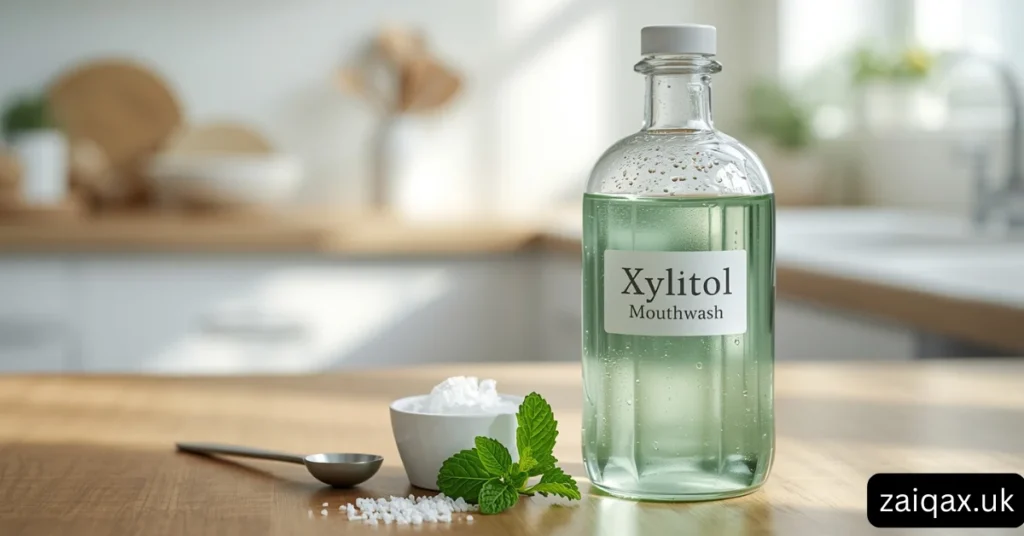
A healthy smile is more than just a cosmetic feature—it’s an indicator of your overall oral health. While brushing and flossing are essential, adding a mouthwash to your daily routine can provide an extra layer of protection. But many trading mouthwashes contain harsh chemicals that can sometimes do more harm than good. That’s where a natural xylitol mouthwash comes into play. This guide will walk you through everything you need to know about making your own xylitol mouthwash, its benefits, and tips for achieving a cleaner, fresher smile naturally. What is Xylitol and Why It’s Beneficial for Oral Health Xylitol is a naturally occurring sugar alcohol found in fruits, vegetables, and some tree bark. It’s widely known for its sweet taste, similar to sugar, but it has unique properties that make it excellent for dental care. Unlike sugar, xylitol doesn’t feed the harmful bacteria in your mouth. Instead, it helps reduce the growth of bacteria responsible for cavities and gum disease. Key Benefits of Xylitol for Your Mouth Reduces cavity-causing bacteria – Xylitol inhibits the growth of Streptococcus mutans, a primary culprit behind tooth decay. Promotes remineralization – It helps your teeth absorb calcium and phosphate, strengthening enamel and preventing decay. Balances oral pH – By offset acids in your mouth, xylitol helps maintain a healthier environment for your teeth and gums. Fights bad breath naturally – Regular use can reduce odor-causing bacteria. Incorporating xylitol into your mouthwash ensures you are not only freshening your breath but also actively protecting your teeth. Why Make Your Own Mouthwash? Commercial mouthwashes are convenient, but they often contain artificial flavors, alcohol, and other chemicals that can irritate the mouth or dry out your tissues. Making your own natural mouthwash allows you to: Control ingredients – Avoid harsh chemicals, artificial colors, and preservatives. Customize flavors – Add essential oils like peppermint or tea tree for freshness. Save money – Natural ingredients are often cheaper and last longer. Support long-term oral health – Regular use of natural remedies promotes healthier gums and teeth. Ingredients You Need for a Natural Xylitol Mouthwash Before we dive into the recipe, let’s list the ingredients you will need. Each one contributes to a healthier mouth in its own way. Xylitol – The star ingredient for cavity prevention and enamel strengthening. Filtered Water – The base for your mouthwash; avoid tap water with high fluoride or impurities. Baking Soda – Helps neutralize acids and freshen breath naturally. Essential Oils (optional but recommended) – Peppermint, spearmint, tea tree, or clove oil can add antibacterial properties and a refreshing taste. A Clean Glass Bottle or Jar – For storage; glass is preferable to plastic to avoid chemical leaching. Step-by-Step Natural Xylitol Mouthwash Recipe Creating your own mouthwash is simple and takes only a few minutes. Follow these steps for a fresh, clean smile: Step 1: Measure Ingredients 1 cup filtered water 1 tablespoon xylitol ½ teaspoon baking soda 3–5 drops peppermint essential oil (optional) Step 2: Mix the Base Warm the filtered water slightly to help dissolve the xylitol. Add the xylitol and baking soda to the water and stir until fully dissolved. Step 3: Add Essential Oils Add your chosen essential oils and stir gently. Essential oils are potent, so a few drops are enough. Peppermint gives a cooling effect, while tea tree oil provides natural antibacterial properties. Step 4: Store Properly Pour the mixture into a clean glass bottle or jar and seal tightly. Store in a cool, dark place or the refrigerator to maintain freshness. Shake well before each use. Step 5: Use Daily Take 1–2 tablespoons of the mouthwash and swish it around your mouth for 30–60 seconds. Spit it out; do not swallow. Use this mouthwash once or twice daily for best results. Tips for Maximizing the Benefits of Xylitol Mouthwash Consistency is key – Daily use enhances the cavity-fighting and remineralization benefits. Combine with proper brushing and flossing – Mouthwash works best as part of a complete oral hygiene routine. Avoid sugary foods immediately after – Sugar can counteract the benefits of xylitol. Experiment with flavors – Try adding a drop of orange or lemon essential oil for a refreshing twist. Adjust strength if needed – If you find the taste too strong, dilute with a bit more water. The Science Behind Xylitol Mouthwash Research has shown that xylitol can reduce the incidence of cavities by up to 40% in children and adults. When used in mouthwash form, xylitol directly contacts the teeth and gums, allowing its protective properties to work more effectively. How Xylitol Works Inhibits bacterial growth – Harmful bacteria can’t metabolize xylitol successfully, leading to reduced acid production. Stimulates saliva flow – Saliva naturally protects teeth and helps wash away food particles. Xylitol enhances saliva production. Promotes enamel repair – Xylitol facilitates the absorption of calcium and phosphate into enamel, strengthening teeth. Choosing the Right Essential Oils While xylitol is the active ingredient, essential oils can enhance the mouthwash in both flavor and function. Here are some top choices: Peppermint Oil – Refreshing taste and antibacterial properties. Tea Tree Oil – Known for its antimicrobial effects, reducing plaque and gum inflammation. Clove Oil – Helps soothe gums and fight oral bacteria. Spearmint Oil – Mild flavor and natural breath freshener. Be careful with dosage—essential oils are highly strong, and a little goes a long way Common Questions About Natural Xylitol Mouthwash Can Children Use It? Yes, xylitol is safe for children, but ensure essential oils are child-friendly. Limit essential oils for kids under six. Does It Replace Toothpaste? No, this mouthwash complements brushing and flossing; it doesn’t replace them. How Long Does It Last? Stored properly in the fridge, your natural xylitol mouthwash can last up to two weeks. Always check for changes in color or smell before use. Is It Safe to Swallow? No, mouthwash is for rinsing only. Swallowing essential oils or all out xylitol may cause digestive upset. Benefits Beyond a Cleaner Smile Using a natural xylitol mouthwash does

Natural Xylitol Mouthwash Recipe for a Cleaner Smile Read More »

Must Try Yaylabs Recipes for Amazing Results

Must Try Yaylabs Recipes for Amazing Results

If you love experimenting in the kitchen and enjoy creating fun frozen treats at home, exploring Yaylabs recipes can completely transform your dessert game. Whether you are new to DIY ice cream making or already obsessed with crafting your own flavors, learning how to get the best results from Yaylabs-style recipes is both exciting and rewarding. This guide will walk you through everything you need to know — from understanding the basics to mastering techniques, avoiding common mistakes, and creating consistently delicious frozen desserts. The tone is simple, practical, and easy to follow, so anyone can benefit from it. Why Homemade Frozen Treats Are So Popular Homemade frozen desserts have gained huge popularity in recent years, and for good reason. People love the control, creativity, and freshness that come with making treats at home. Here are some key benefits: Better ingredient control – You decide what goes into your dessert Healthier choices – Adjust sugar, dairy, and additives Unlimited creativity – Mix flavors you cannot find in stores Fun kitchen experience – Great for families and food lovers Yaylabs recipes perfectly fit into this trend because they focus on simplicity, creativity, and satisfying results. What Makes Yaylabs Recipes Special Yaylabs recipes are known for being: Easy to follow Beginner-friendly Highly customizable Designed for reliable freezing and texture Unlike complicated professional formulas, these recipes are typically structured to work with home equipment and everyday ingredients. This makes them ideal for casual cooks and enthusiasts alike. The Foundation of Successful Frozen Desserts Before diving into specific recipes, it helps to understand the building blocks that influence texture and flavor. 1. The Role of Fat Fat creates creaminess and richness. It also prevents your dessert from turning into a hard block of ice. Common fat sources include: Cream Milk Coconut milk Nut-based alternatives Higher fat usually means smoother texture. 2. The Importance of Sugar Sugar does more than sweeten. It affects freezing behavior and softness. Benefits of sugar: Lowers freezing point Improves scoopability Enhances mouthfeel Too little sugar often leads to icy results. 3. Air Incorporation Air is essential for lightness. Without it, desserts feel dense and heavy. Churning, blending, or whipping helps incorporate air 4. Stabilizers and Texture Helpers Some recipes include natural stabilizers like: Egg yolks Cornstarch Gelatin Plant gums These improve consistency and reduce ice crystals. Must Try Yaylabs Recipes for Amazing Results Let’s explore some of the most loved categories and approaches you can try. Classic Vanilla Base Recipe Vanilla is not boring — it is the foundation of untold variations. Why Start with Vanilla Neutral flavor Easy to modify Helps you learn texture control Basic Ingredient Structure A typical vanilla base includes: Milk or cream Sugar Vanilla flavoring Optional egg yolks Tips for Best Results Chill mixture before freezing Do not rush the cooling process Use quality vanilla flavor A well-made vanilla base becomes your creative playground. Chocolate Lovers’ Favorite Chocolate frozen desserts are incredibly satisfying when done right. Key Success Factors Balanced sweetness Proper cocoa integration Smooth melting texture Texture Enhancers Chocolate recipes benefit from: Melted chocolate Cocoa powder Slightly higher sugar Common Mistakes Grainy cocoa texture Overly bitter taste Too hard when frozen Always dissolve cocoa thoroughly for smoothness. Fruit-Based Frozen Treats Fruit recipes are refreshing, colorful, and naturally flavorful. Advantages of Fruit Recipes Bright taste Lighter feel Naturally appealing Texture Challenges Fruit contains water, which can cause iciness. Solutions include: Adding sugar Mixing with dairy or fat Using purees instead of juices Strawberry Style Recipe Strawberry-based treats are among the easiest and most rewarding. Why Strawberry Works Well Strong natural flavor Blends easily Kid-friendly Pro Tips Use ripe strawberries Avoid excessive water content Balance sweetness carefully Mango Frozen Delight Mango brings tropical richness and smooth texture. Why Mango Is Ideal Naturally creamy Vibrant color Excellent sweetness profile Frozen mango puree often delivers excellent results. Dairy-Free Yaylabs Recipes Not everyone wants dairy, and that is completely fine. Popular Alternatives Coconut milk Almond milk Cashew cream Oat milk Texture Considerations Dairy-free recipes may need: Extra fat Slight stabilizers Sugar balance adjustments Coconut milk is especially helpful for creaminess. Low-Sugar Frozen Options Many people now seek reduced sugar desserts. The Challenge Less sugar can mean harder texture. Possible Solutions Use sugar substitutes Add natural sweetness from fruits Increase fat content Balance is key — extreme reductions often disappoint. Creative Flavor Combinations One of the most exciting parts of Yaylabs recipes is experimentation. Popular ideas: Vanilla + Caramel Chocolate + Orange Strawberry + Basil Mango + Lime Coffee + Chocolate Start simple and adjust gradually. Texture Secrets for Amazing Results Even perfect ingredients fail without proper technique. Proper Mixing Matters Incomplete mixing leads to: Uneven sweetness Poor freezing behavior Grainy texture Always whisk or blend thoroughly. Temperature Control Temperature affects everything. Best practices: Chill bases before freezing Avoid warm mixtures Store correctly Cold mixtures freeze more smoothly. Freezing Technique Slow freezing often creates large ice crystals. Faster freezing usually improves texture. Churning and Agitation Movement during freezing prevents hardness. If equipment allows, gentle churning is beneficial. Common Problems and How to Fix Them Every home cook encounters issues. Here’s how to handle typical ones. Problem: Icy Texture Possible Causes: Too much water Too little sugar Poor mixing Solutions: Increase sugar slightly Add fat or creaminess Blend better Problem: Too Hard When Frozen Possible Causes: Low sugar Low fat Overfreezing Solutions: Adjust sweetness Let soften before serving Problem: Weak Flavor Possible Causes: Insufficient flavoring Poor ingredient quality Solutions: Use concentrated flavors Taste before freezing Problem: Grainy Consistency Possible Causes: Undissolved solids Poor cocoa integration Solutions: Heat gently if needed Strain mixture Storage Tips for Long-Lasting Quality Proper storage keeps desserts enjoyable. Best practices: Use airtight containers Minimize air exposure Keep consistent freezer temperature Frequent thawing and refreezing ruin texture. Serving Suggestions That Enhance Experience Presentation and pairing matter more than many realize. Ideas include: Fresh fruit toppings Crushed nuts Chocolate drizzle Cookie crumbles Honey or syrup accents Small additions dramatically improve enjoyment. Family-Friendly Frozen Treat Ideas Homemade desserts are

Must Try Yaylabs Recipes for Amazing Results Read More »

10 Zheelicious Recipes That Will Transform Your Cooking

10 Zheelicious Recipes That Will Transform Your Cooking

Are you tired of the same old meals and craving something wonderful in your kitchen? Look no further! These 10 Zheelicious recipes are designed to elevate your cooking game, offering unique flavors, vibrant giving, and easy-to-follow steps. Whether you are a beginner or a seasoned home cook, these recipes will inspire you to create dishes that are not just tasty but memorable. From hearty meals to lovely desserts, each recipe is a celebration of creativity and taste. 1. Zheelicious Garlic Butter Shrimp If seafood is your go-to comfort food, the Zheelicious Garlic Butter Shrimp is a must-try. Bursting with flavors, this dish is both quick and satisfying. Ingredients: 1 lb shrimp, peeled and deveined 4 cloves garlic, minced 4 tbsp butter 1 tbsp olive oil 1 tsp paprika Salt and pepper to taste Fresh parsley, chopped Instructions: Heat olive oil and butter in a large skillet. Add garlic and sauté until fragrant. Toss in shrimp, season with paprika, salt, and pepper. Cook until shrimp turns pink and opaque. Garnish with fresh parsley and serve hot with rice or pasta. This recipe stands out because it balances richness from butter with the aromatic punch of garlic, giving your taste buds an unforgettable experience. 2. Zheelicious Creamy Mushroom Risotto A creamy risotto can turn any meal into a luxurious dining experience. The Zheelicious Creamy Mushroom Risotto is comfort food elevated to gourmet status. Ingredients: 1 cup Arborio rice 4 cups vegetable broth 1 cup mushrooms, sliced 1 small onion, finely chopped 2 cloves garlic, minced ½ cup grated Parmesan cheese 2 tbsp butter Olive oil Salt and pepper Instructions: Heat olive oil in a pan and sauté onions and garlic until soft. Add mushrooms and cook until tender. Stir in Arborio rice until lightly toasted. Gradually add broth, stirring continuously until rice is creamy and cooked. Mix in butter and Parmesan, season with salt and pepper, and serve warm. This dish is rich in texture and flavor, making it a Zheelicious option for both family dinners and special occasions. 3. Zheelicious Spicy Chicken Tacos Tacos are a classic favorite, but these Zheelicious Spicy Chicken Tacos will add a twist that leaves everyone asking for seconds. Ingredients: 2 chicken breasts, thinly sliced 1 tbsp chili powder 1 tsp smoked paprika 1 tsp garlic powder ½ tsp cumin Salt and pepper Corn tortillas Fresh salsa and guacamole Instructions: Mix spices and coat chicken slices. Pan-fry until golden and cooked through. Warm tortillas and assemble with chicken, salsa, and guacamole. Garnish with fresh cilantro. The spice mixture gives a bold, fiery flavor, making these tacos a Zheelicious crowd-pleaser. 4. Zheelicious Veggie Stir-Fry with Teriyaki Glaze For a healthy yet tasty option, the Zheelicious Veggie Stir-Fry is a vibrant medley of colorful vegetables glazed with sweet and savory teriyaki sauce. Ingredients: 2 cups mixed vegetables (bell peppers, broccoli, carrots, snap peas) 2 tbsp soy sauce 1 tbsp honey 1 tsp sesame oil 1 clove garlic, minced Olive oil Instructions: Heat olive oil in a wok and add garlic until fragrant. Toss in vegetables and stir-fry on high heat. Mix soy sauce, honey, and sesame oil, and pour over veggies. Cook until vegetables are tender-crisp. Serve hot with steamed rice or noodles. This dish not only bursts with color but also delivers a Zheelicious harmony of sweet, salty, and umami flavors. 5. Zheelicious Cheesy Baked Ziti Comfort food lovers will rejoice with Zheelicious Cheesy Baked Ziti. It’s gooey, cheesy, and has that perfect baked crisp on top. Ingredients: 1 lb ziti pasta 2 cups marinara sauce 2 cups mozzarella cheese ½ cup Parmesan cheese 1 cup ricotta cheese Fresh basil, chopped Instructions: Cook ziti according to package instructions. Mix ziti with marinara sauce and ricotta cheese. Transfer to a baking dish, top with mozzarella and Parmesan. Bake at 375°F for 25-30 minutes or until golden. Garnish with basil and serve warm. This dish transforms a simple pasta dinner into a Zheelicious feast with layers of creamy and cheesy goodness. 6. Zheelicious Lemon Herb Salmon For a fresh, light, yet flavorful dish, the Zheelicious Lemon Herb Salmon is a game-changer in healthy cooking. Ingredients: 4 salmon fillets Juice of 1 lemon 2 tbsp olive oil 1 tsp dried thyme 1 tsp dried rosemary Salt and pepper Instructions: Preheat oven to 400°F. Mix lemon juice, olive oil, thyme, and rosemary. Brush salmon fillets with mixture, season with salt and pepper. Bake for 12-15 minutes or until salmon is cooked through. Serve with steamed vegetables or a fresh salad. The citrusy brightness combined with aromatic herbs makes this a Zheelicious recipe perfect for weekday dinners or weekend gatherings. 7. Zheelicious Sweet Potato & Black Bean Chili Chili doesn’t always have to be heavy. The Zheelicious Sweet Potato & Black Bean Chili offers a hearty, healthy twist with plant-based ingredients. Ingredients: 2 sweet potatoes, diced 1 can black beans, drained 1 can diced tomatoes 1 onion, chopped 2 cloves garlic, minced 1 tsp chili powder 1 tsp cumin Olive oil, salt, and pepper Instructions: Heat olive oil, sauté onions and garlic until translucent. Add sweet potatoes, chili powder, cumin, and cook for 5 minutes. Add black beans and diced tomatoes, simmer for 20 minutes. Season with salt and pepper. Serve with fresh cilantro and a dollop of sour cream. This chili is a Zheelicious choice for cold nights, offering warmth, comfort, and nutrition. 8. Zheelicious Mango Coconut Smoothie Bowl Start your day with a tropical burst of flavor! The Zheelicious Mango Coconut Smoothie Bowl is refreshing, creamy, and Instagram-worthy. Ingredients: 1 cup frozen mango chunks ½ banana ½ cup coconut milk 1 tbsp chia seeds Toppings: fresh fruit, granola, shredded coconut Instructions: Blend mango, banana, and coconut milk until smooth. Pour into a bowl and top with chia seeds, granola, and fresh fruit. Serve immediately. This bowl is visually appealing and packed with vitamins, making it a Zheelicious breakfast or snack. 9. Zheelicious Chocolate Lava Cake Indulge in a decadent treat with the Zheelicious Chocolate Lava Cake, perfect for chocolate

10 Zheelicious Recipes That Will Transform Your Cooking Read More »

Best Zote Laundry Detergent Recipe for Powerful Cleaning

Best Zote Laundry Detergent Recipe for Powerful Cleaning

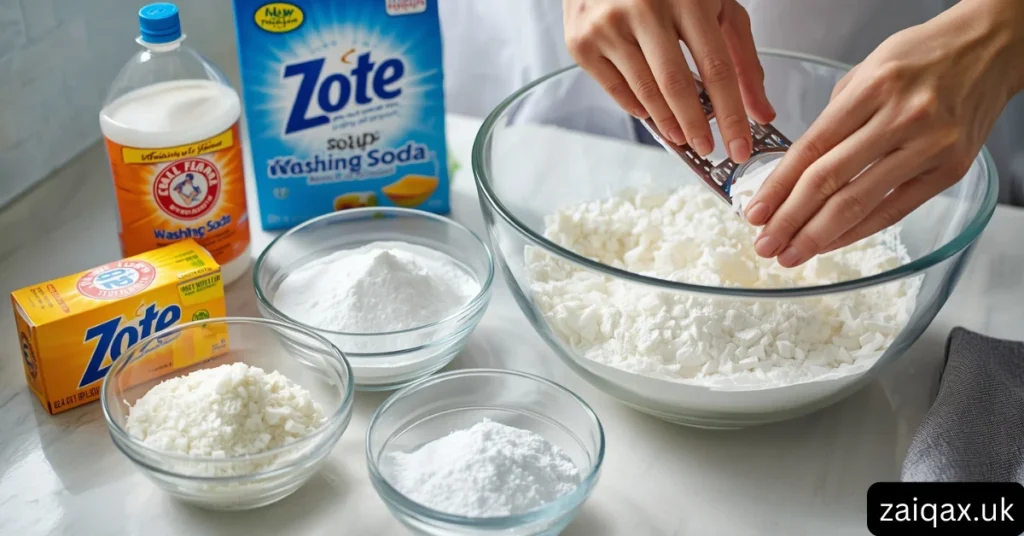
When it comes to laundry, achieving fresh, clean clothes is a daily concern for every household. Many people are turning to homemade laundry solutions for a safer, more effective, and cost-efficient approach. One detergent that stands out in the DIY world is Zote laundry soap. Known for its power and affordability, Zote can be transformed into a potent homemade laundry detergent with just a few simple ingredients. In this guide, we will explore the best Zote laundry detergent recipe for powerful cleaning, its benefits, step-by-step order, tips, and answers to common questions. Why Choose Zote Laundry Soap for Homemade Detergent? Zote soap has been a household staple for decades. It is a pink, bar-style laundry soap made from natural ingredients, primarily sodium tallowate, coconut oil, and glycerin. But why is Zote ideal for homemade detergent? Strong Cleaning Power: Zote is formulated to lift stains and grease effectively. When combined with other ingredients like washing soda and borax, it creates a detergent that rivals commercial brands. Gentle on Fabrics: Despite its strength, Zote is gentle enough for delicate fabrics, making it versatile for all laundry types. Eco-Friendly Option: Homemade Zote detergent avoids harsh chemicals, dyes, and fillers often found in store-bought detergents. Cost-Effective: Making your own detergent with Zote is much cheaper than buying premium laundry products. By using Zote soap as the base, you can achieve powerful cleaning results while maintaining control over the ingredients used in your laundry routine. Ingredients Needed for the Best Zote Laundry Detergent Before diving into the recipe, gather the following ingredients: 1 bar of Zote laundry soap 1 cup washing soda (sodium carbonate) 1 cup borax (sodium borate) Optional: 10–15 drops of essential oil (for fragrance, like lavender, lemon, or eucalyptus) Ingredient Breakdown Zote Soap: The primary cleaning agent that removes dirt, grease, and stains. Washing Soda: Boosts cleaning power, softens water, and helps break down heavy soils. Borax: Enhances stain removal and deodorizes laundry naturally. Essential Oils: Provide a pleasant scent without artificial chemicals. These ingredients work together to create a highly effective, natural laundry detergent that is safe for both the family and the environment. Step-by-Step Guide: Best Zote Laundry Detergent Recipe Creating your own Zote laundry detergent is simple and requires minimal effort. Here’s a detailed step-by-step guide: Step 1: Grate the Zote Soap Use a cheese grater to finely grate 1 bar of Zote soap. The finer the soap, the faster it dissolves in water, preventing residue on clothes. Step 2: Combine Dry Ingredients In a large mixing bowl, combine 1 cup of washing soda and 1 cup of borax. Mix thoroughly to ensure even distribution. Step 3: Mix Zote Soap with Dry Ingredients Add the grated Zote soap to the bowl with washing soda and borax. Stir until the mixture is uniform. Step 4: Add Essential Oils (Optional) If you want a natural fragrance, add 10–15 drops of essential oil. Lavender, lemon, and eucalyptus are popular choices for a fresh scent. Step 5: Store the Detergent Transfer the mixture into an airtight container or jar. Store in a cool, dry place to maintain potency. Step 6: Usage Instructions For a standard load, use 2 tablespoons of homemade Zote detergent. For heavily soiled laundry, use 3–4 tablespoons. Dissolve in warm water if washing in a machine or use directly in hand-washing. This recipe is suitable for both front-loading and top-loading washing machines, as well as hand washing. Tips for Maximum Cleaning Power Even the best Zote laundry detergent works better with some extra tips: Pre-Treat Stains: Rub a small piece of Zote soap directly on tough stains before washing. Avoid Overloading: Wash full loads to save detergent but avoid overloading the machine. Use Hot Water for Heavily Soiled Clothes: Warm or hot water enhances cleaning for stubborn dirt and oils. Combine with Vinegar for Extra Softness: Add ½ cup of white vinegar to the rinse cycle for soft, residue-free laundry. Grate Soap Finely: Finer soap dissolves faster and prevents buildup in the washing machine. Following these tips ensures your homemade detergent delivers powerful cleaning results every time. Benefits of Using Zote Laundry Detergent Homemade Zote detergent is more than just a cleaning agent. Its benefits include: Natural Ingredients: No harsh chemicals, artificial colors, or synthetic fragrances. Cost Savings: One batch can last several weeks, reducing laundry expenses. Effective Stain Removal: Excellent on grass, grease, oil, and other common stains. Environmentally Friendly: Reduces plastic waste from store-bought detergents and avoids toxic chemicals. Customizable Scents: Add your favorite essential oils for a personalized fragrance. These advantages make Zote detergent a powerful and eco-conscious choice for modern households. Common Variations of Zote Laundry Detergent Recipes There are several variations you can try to optimize your detergent for specific needs: Liquid Zote Laundry Detergent: Melt the grated Zote soap in hot water and mix with washing soda and borax for a liquid version. Sensitive Skin Version: Skip borax and washing soda; use only Zote soap and water for a gentler option.   Extra Whitening Formula: Add ½ cup of baking soda or hydrogen peroxide for brighter whites. Powdered Scent-Free Option: Omit essential oils for fragrance-free laundry suitable for babies or allergies. These variations allow you to customize your detergent based on fabric type, skin sensitivity, and cleaning needs. Common Mistakes to Avoid Even a great recipe can be ruined with a few common mistakes. Avoid these pitfalls: Not Grating Soap Finely: Large chunks may not dissolve completely. Overusing Detergent: More isn’t always better; it can leave residue. Using Cold Water for Heavy Stains: Warm water improves cleaning performance. Ignoring Storage Instructions: Moisture can cause clumping and reduce detergent effectiveness. Mixing with Harsh Chemicals: Avoid using bleach directly with homemade detergent, which can reduce cleaning power. Avoiding these mistakes ensures your Zote detergent performs at its peak. Zote Detergent vs Commercial Detergents Many people wonder if homemade Zote detergent really stacks up against store-bought brands. Here’s a comparison: Feature Zote Homemade Detergent Commercial Detergent Cost Very affordable Higher cost per load Ingredients Natural, simple

Best Zote Laundry Detergent Recipe for Powerful Cleaning Read More »

Zigeuner Schnitzel Recipe That Everyone Is Talking About

If you love rich, flavorful meals that are simple yet satisfying, you need to know about the Zigeuner Schnitzel recipe that everyone is talking about. This German-inspired dish combines crispy, golden-brown schnitzel with a vibrant, tangy sauce full of peppers, onions, and tomatoes. Perfect for lunch or dinner, it’s a recipe that will impress your family and friends every time. In this article, we’ll walk you through everything about this dish—from its history and ingredients to step-by-step cooking tips and variations. By the end, you’ll be ready to make this restaurant-quality meal in your own kitchen. What is Zigeuner Schnitzel? Zigeuner Schnitzel, sometimes referred to as “Gypsy Schnitzel,” is a traditional German dish that features breaded and fried meat—usually pork or veal—topped with a spicy, colorful sauce. The sauce often includes bell peppers, onions, tomatoes, and paprika, giving the dish a bright, tangy, and slightly smoky flavor. The term “Zigeuner” in German refers to the Romani people, but in culinary terms, it primarily refers to the bold, spicy sauce style used in the dish. The schnitzel itself is tender and crispy, creating a perfect balance with the vibrant sauce. Why This Zigeuner Schnitzel Recipe is So Popular There are several reasons why this Zigeuner Schnitzel recipe has become a favorite among food experts: Easy to Make at Home – With just a few ingredients, you can recreate a restaurant-style dish in your kitchen. Flavor Explosion – The combination of crispy meat and tangy pepper sauce delivers an unforgettable taste. Versatile – You can serve it with potatoes, rice, or even a fresh salad. Family-Friendly – Mildly spicy, yet full of flavor, this dish appeals to both kids and adults. Everyone loves sharing photos of their homemade Zigeuner Schnitzel online because it looks as impressive as it tastes! Ingredients for Zigeuner Schnitzel To make the classic Zigeuner Schnitzel recipe that everyone is talking about, you’ll need simple, fresh ingredients: For the Schnitzel: 4 pork or veal cutlets, pounded thin Salt and pepper, to taste ½ cup all-purpose flour 2 eggs, beaten 1 cup breadcrumbs 3 tablespoons vegetable oil or clarified butter for frying For the Zigeuner Sauce: 1 large onion, finely chopped 2 bell peppers (red and yellow), sliced thin 2 medium tomatoes, chopped 1 tablespoon tomato paste 1 teaspoon smoked paprika ½ teaspoon chili flakes (optional for extra heat) 1 cup vegetable or chicken stock 1 tablespoon butter Salt and pepper, to taste Optional garnish: fresh parsley or chives Step-by-Step Instructions to Make Zigeuner Schnitzel Step 1: Prepare the Schnitzel Start by pounding the pork or veal cutlets until they are about ¼ inch thick. Season both sides with salt and pepper. Set up a breading station: one plate with flour, one bowl with beaten eggs, and one plate with breadcrumbs. Dredge each cutlet in flour, dip in egg, then coat with breadcrumbs. Make sure they are evenly coated for a crispy finish. Step 2: Fry the Schnitzel Heat oil or butter in a large skillet over medium heat. Fry the schnitzel for 3-4 minutes on each side, or until golden brown and crispy. Remove from the pan and drain on paper towels to remove excess oil. Step 3: Prepare the Zigeuner Sauce In the same skillet, add a little butter if needed and sauté the onions until translucent. Add bell peppers and cook for 3-4 minutes until slightly soft. Stir in chopped tomatoes and tomato paste. Cook for another 2 minutes. Sprinkle in smoked paprika, chili flakes, salt, and pepper. Mix well. Pour in the stock and let the sauce simmer for 5-7 minutes until slightly thickened. Step 4: Combine Schnitzel and Sauce Place the fried schnitzel on a serving plate. Spoon the Zigeuner sauce generously over each cutlet. Garnish with fresh parsley or chives. Serve immediately. Tips for the Perfect Zigeuner Schnitzel Pound the Meat Thin – This ensures even cooking and tender meat. Crispy Coating – Make sure the oil is hot before frying to get a golden, crunchy crust. Fresh Ingredients – Use fresh bell peppers and tomatoes for the best sauce flavor. Don’t Overcrow the Pan – Fry the schnitzel in batches if necessary. Make the Sauce Ahead – The Zigeuner sauce can be prepared in advance and reheated. Variations of Zigeuner Schnitzel While the classic recipe is irresistible, there are a few ways to make it your own: 1. Chicken Zigeuner Schnitzel Use chicken breasts instead of pork or veal for a lighter version. Pound and bread as usual. 2. Vegetarian Zigeuner Schnitzel Substitute schnitzel with thick slices of eggplant or cauliflower, bread, and fry them for a meat-free version. 3. Creamy Zigeuner Sauce Add a splash of cream to the sauce for a richer, smoother texture. 4. Spicy Zigeuner Add extra chili flakes or smoked paprika for a spicier kick that’s perfect for those who love bold flavors. What to Serve With Zigeuner Schnitzel The best part about this dish is its versatility. Here are some great serving ideas: Mashed Potatoes – Classic comfort food pairing. Rice or Pasta – Absorbs the flavorful sauce beautifully. Roasted Vegetables – Adds freshness and balance. Fresh Salad – A light, refreshing complement to the rich schnitzel. Health Benefits of Zigeuner Schnitzel Ingredients While this is a hearty, indulgent dish, some ingredients offer nutritional benefits: Bell Peppers – Rich in vitamin C and antioxidants. Tomatoes – High in lycopene, good for heart health. Onions – Contain anti-inflammatory compounds. Lean Meat – Excellent source of protein. Using fresh, high-quality ingredients makes this dish not only tasty but nourishing. Common Mistakes to Avoid To make the best Zigeuner Schnitzel recipe that everyone is talking about, avoid these mistakes: Not Pounding the Meat – Thick cutlets may cook unevenly. Cold Oil – Frying in cold oil results in greasy schnitzel. Overcooking the Sauce – Bell peppers should remain slightly crisp. Skipping the Resting Time – Let the schnitzel rest for a minute before serving to retain juices. Why Everyone Loves This Recipe This recipe is popular because it’s delicious,

Zigeuner Schnitzel Recipe That Everyone Is Talking About Read More »

Discover the Best Coral Food for Vibrant and Healthy Reefs

Discover the Best Coral Food for Vibrant and Healthy Reefs

Coral reefs are among the most beautiful and vital ecosystems on our planet. Their vibrant colors and intricate structures not only attract divers and marine enthusiasts but also play a crucial role in maintaining marine biodiversity. However, keeping corals healthy in aquariums or natural environments requires more than just clean water and proper lighting—it demands the right nutrition. Discovering the best coral food can make a significant difference in ensuring your reef thrives with stunning colors and robust growth. In this guide, we’ll explore the different types of coral food, their nutritional benefits, feeding methods, and tips for maintaining a healthy reef ecosystem. Whether you are a beginner or an experienced reef keeper, this article will help you provide the best care for your corals. Why Coral Nutrition Matters Corals are not plants—they are marine animals that rely on both sunlight and food for survival. Many corals have a symbiotic relationship with tiny algae called zooxanthellae, which provide nutrients through photosynthesis. While light is essential, supplemental feeding is necessary for corals to achieve optimal growth, vibrant coloration, and reproduction. Without proper nutrition, corals may show signs of stress such as: Faded colors: Loss of pigmentation is a common sign of nutrient deficiency. Slow growth: Corals need proteins and amino acids to grow their skeletons. Weak immune system: Malnourished corals are more susceptible to diseases. Feeding corals the right type of food ensures they remain healthy, colorful, and resilient against environmental stressors. Types of Coral Food There are several types of coral food available on the market, each with its unique benefits. Understanding these options will help you choose the best food for your specific coral species. 1. Phytoplankton Phytoplankton are microscopic marine plants rich in essential vitamins, minerals, and fatty acids. Many filter-feeding corals, such as soft corals and LPS (Large Polyp Stony) corals, thrive when fed phytoplankton. Benefits: Provides essential nutrients for growth. Enhances coloration. Supports beneficial bacteria in the reef tank. Phytoplankton is usually available in liquid form and can be added directly to the water column. Feeding frequency depends on the type and number of corals in your tank, usually 2–3 times per week. 2. Zooplankton Zooplankton, such as rotifers and copepods, are tiny aquatic animals that provide protein-rich nutrition for corals. SPS (Small Polyp Stony) corals, which are more demanding, often benefit from zooplankton feeding. Benefits: High protein content for rapid growth. Stimulates natural feeding behaviors. Improves overall coral health and immunity. Live zooplankton or frozen variants can be introduced into the aquarium. A careful approach ensures they are consumed by corals rather than dominating the tank. 3. Coral Pellets and Powders Coral pellets and powders are formulated foods designed for specific coral types. They often contain a blend of amino acids, vitamins, and minerals. Benefits: Balanced nutrition tailored to coral needs. Easy to dose and store. Supports both soft and hard corals. Powdered coral foods are typically mixed with aquarium water and added near the coral’s polyps, ensuring they capture the nutrients efficiently. 4. Amino Acid Supplements Amino acids are the building blocks of proteins and play a critical role in coral growth, coloration, and reproduction. While many prepared coral foods contain amino acids, standalone supplements allow precise dosing. Benefits: Enhances skeletal growth. Intensifies vibrant coloration. Boosts stress resistance during environmental changes. Regular dosing of amino acids in moderate amounts supports healthy coral metabolism without overloading the tank. 5. Liquid Coral Foods Liquid coral foods are convenient, versatile, and effective for feeding a variety of coral types. They usually contain a mix of phytoplankton, zooplankton, and amino acids. Benefits: Easy to disperse evenly in the water column. Suitable for both beginner and advanced reef keepers. Reduces waste and water quality issues compared to solid food. For best results, feed corals in the evening or when the lights are dimmed, as many corals extend their polyps more at night. How to Feed Corals Properly Feeding corals requires attention to detail. Improper feeding can lead to water quality issues, algae growth, and stressed corals. Here are some essential tips: 1. Observe Coral Behavior Different coral species have unique feeding habits. Some corals extend their polyps fully, while others feed only occasionally. Observing your corals helps you determine the best feeding times and methods. 2. Targeted Feeding Using a pipette or turkey baster, you can deliver food directly to coral polyps. Targeted feeding reduces waste and ensures your corals get the nutrients they need. 3. Avoid Overfeeding Too much food can deteriorate water quality, causing spikes in nitrate and phosphate levels. A small, consistent feeding routine is better than large, infrequent meals. 4. Maintain Water Quality After feeding, ensure proper filtration and circulation to prevent leftover food from decomposing. Regular water changes and protein skimmers help maintain optimal conditions. Supporting Coral Health Beyond Food Nutrition is critical, but corals also rely on environmental stability. Healthy water parameters, proper lighting, and adequate flow are essential for coral vitality. 1. Lighting Corals depend on light for photosynthesis via their zooxanthellae. Ensure your aquarium lighting matches the needs of your coral species, including intensity and spectrum. 2. Water Flow Proper water circulation distributes food, removes waste, and prevents stagnant areas. Adjustable powerheads or wavemakers help maintain optimal flow. 3. Stable Water Parameters Monitoring pH, calcium, alkalinity, magnesium, and salinity is crucial. Corals are sensitive to fluctuations, and stability supports their growth and color. Choosing the Best Coral Food for Your Reef Selecting the best coral food depends on several factors: Coral species: LPS, SPS, or soft corals have different dietary needs. Tank setup: A heavily stocked reef may require more frequent feeding. Desired results: Are you focusing on growth, coloration, or overall health? For beginners, liquid coral foods or pre-mixed powders are easy to use and effective. Experienced reef keepers may combine multiple food types for targeted nutrition. Common Mistakes to Avoid Even with the best coral food, mistakes can harm your reef: Overfeeding – Leads to algae blooms and water quality issues. Neglecting water testing – Nutrient buildup can

Discover the Best Coral Food for Vibrant and Healthy Reefs Read More »

Proven Best Dry Food for Bernedoodle Puppy for Healthy Growth

Proven Best Dry Food for Bernedoodle Puppy for Healthy Growth

Raising a Bernedoodle puppy is an exciting journey filled with joy, curiosity, and responsibility. These adorable hybrids—part Bernese Mountain Dog, part Poodle—require special attention to their nutrition. Choosing the proven best dry food for Bernedoodle puppies for healthy growth is crucial for their development, energy, and overall well-being. In this guide, we’ll explore everything you need to know about feeding your Bernedoodle puppy the right dry food, what nutrients to look for, and how to make mealtime a healthy habit. Why Proper Nutrition Matters for Bernedoodle Puppies Nutrition is the foundation of a Bernedoodle puppy’s health. Puppies grow quickly, and their bones, muscles, and immune system rely heavily on the food they eat. Feeding the wrong type of food or low-quality ingredients can lead to health issues such as obesity, weak joints, digestive problems, and even developmental delays. High-quality dry dog food ensures that your Bernedoodle gets the important nutrients it needs: Proteins – Support muscle growth and repair. Puppies need high protein content for their energy and development. Fats – Provide strong energy and support skin, coat, and brain development. Carbohydrates – Supply energy for active puppies while promoting healthy digestion. Vitamins and minerals – Ensure strong bones, teeth, and a resilient immune system. By choosing the proven best dry food for Bernedoodle puppies for healthy growth, you are investing in your puppy’s future health and happiness. Key Factors in Choosing the Best Dry Food for Bernedoodle Puppies Selecting dry food isn’t just about picking the brand with the highest rating. Bernedoodles are unique, and their nutritional needs differ from other breeds. Here are the critical factors to consider: 1. High-Quality Protein Source Protein is needed for muscle development. Look for foods where the primary ingredient is a high-quality protein source, such as: Chicken Turkey Lamb Fish Avoid foods with fillers like corn, wheat, or soy, which can be harder to digest and provide minimal nutritional value. 2. Healthy Fats for Energy Fats supply essential fatty acids such as Omega-3 and Omega-6, which are crucial for: Healthy skin and shiny coat Brain development Energy for playful activities Ingredients like fish oil, chicken fat, or flaxseed are excellent sources of healthy fats. 3. Balanced Carbohydrates Carbs in dog food should come from nutrient-rich sources like: Sweet potatoes Brown rice Oats These provide sustained energy and promote healthy digestion. 4. Essential Vitamins and Minerals A Bernedoodle puppy’s growth depends on key nutrients, including: Calcium and phosphorus for strong bones Zinc for skin and coat health Vitamins A, D, and E for immune support Make sure the dry food you choose is fortified with these nutrients. 5. Kibble Size and Texture Bernedoodle puppies grow quickly, but their mouths are still small. Choosing a dry food with appropriately sized kibble ensures: Easier chewing Reduced risk of choking Proper oral health Benefits of Dry Food for Bernedoodle Puppies Dry food, when chosen carefully, offers numerous powers over other types of dog food. Here’s why dry food is ideal for Bernedoodle puppies: 1. Supports Healthy Teeth Crunchy kibble helps clean teeth naturally by reducing plaque buildup, which contributes to better oral hygiene. 2. Convenient and Long-Lasting Dry food is easy to store, doesn’t spoil quickly, and is convenient for busy owners who want to maintain a consistent feeding schedule. 3. Promotes Balanced Nutrition Reputable dry food brands carefully balance protein, fat, and carbohydrates, providing a complete diet for your puppy. 4. Aids Digestive Health High-quality dry food contains fibers like beet pulp or prebiotics that support a healthy gut microbiome and regular bowel movements. Top Ingredients to Look for in Proven Dry Food When choosing the proven best dry food for Bernedoodle puppies for healthy growth, the ingredient list matters more than packaging claims. Look for these components: Deboned meat or meat meal as the first ingredient Whole grains or vegetables for slow-release energy Probiotics for gut health Antioxidants like blueberries or spinach for immunity Avoid artificial colors, flavors, and preservatives that can be harmful to your puppy’s sensitive system. Feeding Guidelines for Bernedoodle Puppies Proper feeding ensures your Bernedoodle grows at a healthy pace. Here’s a general guide: Puppies (8–12 weeks): Feed 3–4 small meals daily 3–6 months: Feed 3 meals daily 6–12 months: Feed 2–3 meals daily 1 year and older: Transition to adult food, 2 meals daily Always follow the portion recommendations on your dry food packaging but adjust according to your puppy’s activity level, age, and metabolism. Common Mistakes to Avoid When Feeding Dry Food Even the best dry food can become harmful if not fed correctly. Avoid these mistakes: Overfeeding: Can lead to obesity and joint problems Sudden food changes: Switch gradually over 7–10 days to prevent upset stomachs Ignoring allergies: Watch for signs like itching, vomiting, or diarrhea Skipping hydration: Dry food must always be paired with fresh water Homemade Supplements to Enhance Dry Food While high-quality dry food is complete, some owners add natural supplements to enhance nutrition: Cooked vegetables for extra fiber and vitamins Fish oil for a shiny coat and joint support Pumpkin puree for digestion Eggs for additional protein Always consult your vet before adding supplements to ensure safe quantities. Transitioning to Adult Dog Food Bernedoodle puppies grow fast, and their nutritional needs change as they mature. Most Bernedoodles transition to adult food around 12 months of age. When choosing adult dry food: Look for joint-supporting ingredients like glucosamine Ensure protein content is slightly lower than puppy food but still high-quality Maintain a balanced diet for sustained energy Transition gradually to prevent digestive upset. How to Ensure Healthy Growth in Bernedoodle Puppies Feeding is only part of healthy growth. Combine nutrition with: Regular exercise – Daily walks and playtime prevent obesity and develop muscles Veterinary checkups – Regular vet visits ensure your puppy is growing properly Mental stimulation – Training and toys keep your puppy mentally sharp Healthy growth is a combination of proper diet, exercise, and care. Signs of a Healthy Bernedoodle Puppy Knowing what a healthy Bernedoodle looks like can help you

Proven Best Dry Food for Bernedoodle Puppy for Healthy Growth Read More »

Discover the Best Fish Food for Tetras for Healthier Growth

Discover the Best Fish Food for Tetras for Healthier Growth

Tetras are among the most popular freshwater aquarium fish. Their vibrant colors, peaceful nature, and active swimming make them a favorite choice for beginners and master aquarists alike. To keep your tetras healthy, energetic, and colorful, the right diet is crucial. This article will guide you to discover the best fish food for tetras and explain how to feed them for healthier growth. Understanding Tetra Nutrition Needs Before selecting the best fish food, it’s essential to understand the nutritional needs of tetras. Like all fish, tetras require a balanced diet to thrive. Their diet should include: Proteins – Proteins are vital for growth, tissue repair, and overall health. Tetras, especially young ones, need high-quality protein sources. Fats – Healthy fats provide energy and support the absorption of fat-soluble vitamins. Carbohydrates – While tetras need carbohydrates in smaller amounts, these help in providing energy for active swimming. Vitamins and Minerals – Vitamins like A, C, D, and E, along with minerals such as calcium and phosphorus, support growth, immunity, and coloration. Fiber – Helps with digestion and prevents bloating. A proper balance of these nutrients ensures tetras grow healthy, maintain their color, and live longer. Types of Fish Food for Tetras Tetras are omnivores, which means they eat both plant and animal-based foods. Let’s explore the main types of fish food suitable for tetras: 1. Flake Food Flake food is the most common and suitable option for tetras. It is easy to feed, readily available, and formulated with essential nutrients. Advantages of Flake Food: Provides balanced nutrition. Easy to portion and store. Suitable for both adult and juvenile tetras. Tips for Feeding Flakes: Break large flakes into smaller pieces for tiny tetras. Feed small amounts 2-3 times a day to avoid overfeeding. Remove uneaten flakes to prevent water contamination. 2. Pellets Pellets are compact and nutrient-rich, making them a great option for tetra fish. They often sink slowly, allowing tetras to nibble over time. Advantages of Pellets: High in protein for growth. Less messy compared to flakes. Ideal for both small and medium-sized tetras. Tips for Feeding Pellets: Choose micro-pellets for smaller tetra species. Feed 2-3 times a day in small portions. Alternate with flakes or frozen food for variety. 3. Frozen or Live Food Live and frozen foods such as brine shrimp, daphnia, bloodworms, and tubifex worms are highly nutritious. They mimic the natural diet of tetras and enhance coloration and activity. Advantages of Live/Frozen Food: High protein content. Stimulates natural hunting behavior. Promotes vibrant colors. Tips for Feeding Live/Frozen Food: Thaw frozen food before feeding. Use sparingly to prevent water pollution. Rinse live food to remove contaminants. 4. Vegetable-Based Food Vegetables such as blanched spinach, zucchini, or spirulina-based flakes provide essential vitamins and minerals. Though tetras are omnivores, adding plant-based food supports digestion and overall health. Advantages of Vegetable-Based Food: Rich in vitamins and fiber. Reduces risk of constipation and bloating. Supports color enhancement. Tips for Feeding Vegetables: Cut vegetables into tiny, digestible pieces. Feed 1-2 times per week as a supplement. Remove uneaten vegetables to avoid water decay. Choosing the Best Fish Food for Tetras Selecting the best fish food depends on several factors including tetra species, age, and aquarium environment. Here are key considerations: 1. Nutritional Content Check the label for protein, fat, and fiber content. For most tetras: Protein: 35%-50% Fat: 3%-7% Fiber: 2%-5% High protein promotes growth, while moderate fat and fiber aid in digestion and energy. 2. Size of Food Tetras are small fish, so food size matters. Micro flakes or small pellets are perfect for adult tetras, while crushed flakes or baby brine shrimp are ideal for juveniles. 3. Color-Enhancing Ingredients Ingredients like carotenoids and spirulina can enhance the natural colors of tetras. If vibrant coloration is important, look for food labeled as “color-enhancing.” 4. Brand Reputation Select reputable brands that specialize in tropical fish nutrition. Quality ingredients reduce the risk of disease and ensure balanced nutrition. Feeding Schedule for Tetras Proper feeding is as important as choosing the right food. Overfeeding or underfeeding can harm your tetras. Recommended Feeding Schedule: Feed 2-3 small meals per day. Offer only what tetras can consume in 2-3 minutes. Mix different food types for balanced nutrition. Occasionally include live or frozen food to mimic natural feeding. Tips: Avoid overfeeding, as leftover food pollutes water and can cause fin rot or swim bladder issues. Monitor fish behavior and adjust feeding accordingly. For young tetras, slightly more frequent feedings may be beneficial. Common Mistakes to Avoid When Feeding Tetras Even experienced aquarists can make feeding mistakes. Avoid these common errors: Overfeeding – Leads to obesity, poor water quality, and digestive problems. Feeding Only One Type of Food – Can result in nutritional deficiencies. Ignoring Food Size – Large flakes or pellets may choke small tetras. Feeding at Irregular Times – Inconsistent feeding can stress tetras. Neglecting Supplements – Vitamins or vegetables are sometimes needed to prevent deficiencies. Homemade Fish Food for Tetras Some aquarists prefer making homemade fish food. This allows full control over ingredients and can be highly nutritious. Common recipes include: Vegetable Mix: Blend spinach, peas, and spirulina powder. Protein Mix: Combine boiled shrimp, fish, and egg yolk. Gel Food: Mix fish, vegetables, and gelatin for easy feeding. Tips for Homemade Food: Store in the fridge for up to a week. Freeze portions to maintain freshness. Ensure a balanced mix of protein, vitamins, and fiber. Benefits of Proper Nutrition for Tetras Feeding the right food in the correct amounts has several benefits: Healthier Growth – Adequate protein and nutrients promote strong bones and muscles. Enhanced Coloration – Carotenoids and spirulina-rich food intensify vibrant colors. Improved Immunity – Vitamins and minerals reduce the risk of disease. Active Behavior – Proper energy levels encourage swimming and natural activity. Longevity – Healthy tetras live longer, making your aquarium more lively and enjoyable. Conclusion Discovering the best fish food for tetras is the key to a thriving aquarium. By understanding their nutritional needs, feeding various types of food, and

Discover the Best Fish Food for Tetras for Healthier Growth Read More »

Beneful Dog Food Recall Alert What Every Owner Must Know

Beneful Dog Food Recall Alert What Every Owner Must Know

Dog owners care deeply about what goes into their pet’s bowl. Food is not just fuel — it affects energy, digestion, skin health, coat quality, and long-term wellbeing. That is why any mention of a dog food recall can feel alarming. If you feed your dog Beneful, or you are considering it, understanding how recalls work and what they actually mean is essential. This guide breaks everything down in simple language. You will learn what a recall is, why recalls happen, how they affect pet owners, and how to respond calmly and responsibly. The goal is not panic — it is awareness and smart decision-making. Understanding Beneful Dog Food Beneful is a widely recognized dog food brand affected by Nestlé Purina PetCare. The brand offers dry kibble, wet food, and treats designed for different life stages and preferences. Many owners choose it because of availability, flavor variety, and price range. Like any large pet food, Beneful creator operates under regulatory oversight and quality control processes. However, no food system — for humans or animals — is completely immune to safety issues. That is where recalls come into the picture. Before reacting to recall news, it helps to understand what recalls actually involve. What Is a Dog Food Recall? A dog food recall is a safety action taken when a product may pose a health risk to pets. Recalls are typically initiated when: A contamination risk is discovered An ingredient problem is detected Labeling errors are found A manufacturing defect is identified Contrary to common belief, a recall does not automatically mean pets have been harmed. Often, recalls are precautionary steps designed to prevent potential issues. Recalls can be initiated by: The manufacturer (voluntary recall) Regulatory agencies (mandatory recall) In many cases, companies recall products proactively once a concern appears. Why Dog Food Recalls Happen Dog food production involves complex processes: ingredient sourcing, transportation, storage, mixing, cooking, packaging, and distribution. Problems can arise at any stage. Common recall triggers include: 1. Contamination Concerns Food may be exposed to unwanted substances such as bacteria, mold, or foreign materials. Even a small risk can lead to a recall. 2. Ingredient Issues If a supplier provides an ingredient that fails safety standards, finished products containing it may be recalled. 3. Nutritional Imbalances Incorrect nutrient levels — too high or too low — can be dangerous for dogs and require corrective action. 4. Labeling Errors Missing allergen warnings, incorrect feeding instructions, or wrong ingredient lists can trigger recalls even if the food itself is safe. 5. Packaging Problems Damaged or defective packaging may compromise product integrity. Understanding these causes helps owners avoid assuming worst-case scenarios. How Recalls Protect Pets Recalls are part of a safety system, not a failure of it. When companies or regulators identify a potential risk, removing products from circulation reduces chances of illness. A recall is essentially a risk management tool. It shows that monitoring systems, testing, and reporting mechanisms are functioning. Instead of viewing recalls purely negatively, it can be helpful to see them as preventive measures designed to maintain safety standards. How Recall Alerts Reach Dog Owners Recall information may appear through multiple channels: Manufacturer announcements Retailer notifications News reports Social media discussions Veterinary advisories However, not every online claim is accurate. Rumors often spread faster than verified information. Responsible owners rely on: Official product details Verified batch or lot numbers Clear recall notices Avoid reacting solely to viral posts or unverified screenshots. The Difference Between Rumors and Real Recalls One of the biggest sources of confusion for pet owners is distinguishing between speculation and confirmed recalls. Signs of a Legitimate Recall Notice A credible recall typically includes: Specific product names Batch or lot numbers Production dates Clear reason for recall Instructions for consumers Signs of Possible Misinformation Be cautious when you see: Vague warnings without product details Emotional language without evidence Outdated recall stories shared as “breaking news” Claims lacking official confirmation Not every alarming headline reflects a current safety risk. What To Do If You Hear About a Beneful Recall Hearing about a recall can trigger anxiety, but responding calmly is key. Step 1: Check Your Product Look at the packaging. Identify: Product name Batch or lot number Expiration date Compare these details with the recall notice. Many recalls affect only specific batches, not the entire brand. Step 2: Stop Feeding Temporarily (If Applicable) If your product matches the recall details, discontinue use until you verify next steps. Step 3: Store Packaging Do not discard the bag or can immediately. Packaging contains critical information needed for refunds or replacements. Step 4: Monitor Your Dog Watch for unusual symptoms such as: Vomiting Diarrhea Lethargy Appetite loss If your dog appears normal, avoid assuming a problem exists. Step 5: Contact a Veterinarian (If Needed) If symptoms appear, professional guidance is always the safest path. Common Owner Reactions — And Better Alternatives Recall alerts often lead to emotional responses. Let’s address common reactions. Panic Switching of Foods Suddenly changing diets can upset a dog’s digestive system. Gradual transitions are safer unless immediate discontinuation is required. Assuming All Products Are Unsafe Recalls usually target specific production batches. A recall does not automatically invalidate every product from a brand. Spreading Unverified Claims Sharing inaccurate recall information can cause unnecessary fear. A Better Approach Stay informed, verify details, and make decisions based on evidence rather than speculation. How Dog Food Safety Systems Work Modern pet food manufacturing involves multiple defence: Ingredient testing Quality control checks Microbiological screening Traceability tracking Production audits If an issue appears, companies can often identify affected batches quickly. Recalls are therefore not random events — they are tied to traceable data and monitoring systems. Health Symptoms Owners Should Know Most dogs consuming safe food will show no issues. However, understanding possible warning signs is useful. Digestive Changes Temporary stomach upset can occur for many reasons unrelated to recalls, including stress or dietary changes. Behavioral Changes Lethargy or irritability may indicate discomfort but are not automatically linked to food

Beneful Dog Food Recall Alert What Every Owner Must Know Read More »

Scroll to Top