Uncategorized

Why Everyone Loves This 2 Gallon Bucket Food Grade Choice

Why Everyone Loves This 2 Gallon Bucket Food Grade Choice

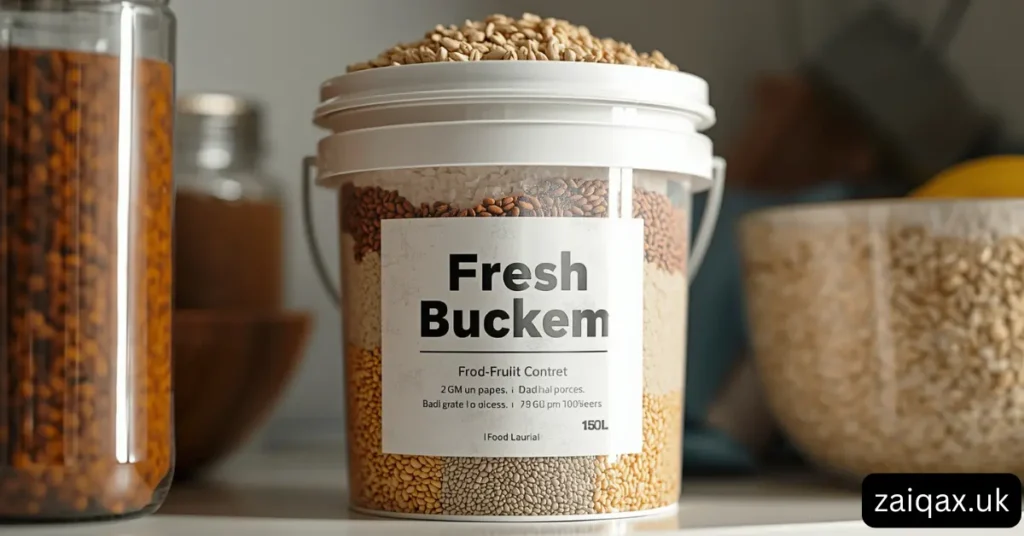
When it comes to food storage, cooking, or even emergency preparedness, choosing the right container can make a world of difference. One container that has gained immense popularity recently is the 2 gallon bucket food grade. Whether you’re a professional chef, a home cook, or someone looking to stock up for emergencies, this bucket offers a blend of safety, enjoyment, and durability that almost everyone loves. In this article, we’ll explore why this container has become a must-have in kitchens and households everywhere. What Is a 2 Gallon Bucket Food Grade? Before diving into the reasons for its popularity, it’s important to understand what a 2 gallon bucket food grade actually is. A food-grade bucket is a container made from materials approved for storing edible items. Typically, these buckets are made from high-density polyethylene (HDPE) and are free from harmful chemicals like BPA or phthalates. The 2-gallon size is particularly popular because it offers a balance between capacity and manageability. It’s large enough to store significant amounts of food but still small enough to carry comfortably. Key Features of a Food Grade Bucket: Safe Materials: Made from BPA-free, non-toxic plastics. Durable fabrication: Resistant to cracking and punctures. Secure Lids: Often comes with airtight lids to preserve freshness. Multi-Purpose Use: Suitable for storing dry goods, liquids, or even for emergency water storage. Why Size Matters: The Perfect 2 Gallon Capacity One of the main reasons people love this bucket is its size. A 2-gallon bucket food grade is the perfect compromise between small, inconvenient containers and bulky, heavy-duty buckets that are hard to handle. Benefits of the 2-Gallon Size: Portability: You can carry it easily with one hand. Versatility: Ideal for storing flour, rice, sugar, and even liquids like water or juice. Space-Saving: Fits comfortably in kitchen cabinets, pantries, or even car trunks. Portion Control: Perfect for meal prep or storing smaller quantities of ingredients. The 2-gallon capacity also makes it ideal for emergency food storage. You can store enough dry goods to last a small family for a week without taking up excessive space. Material Matters: Why Food-Grade Plastic Is Essential Safety is a top concern when storing food, and this is where the term “food grade” becomes crucial. A 2 gallon bucket food grade is made to ensure that your stored items are safe to consume. Advantages of Food-Grade Plastic: No Chemical Leaching: Unlike regular plastic, food-grade containers prevent harmful chemicals from seeping into your food. Preserves Taste and Quality: Maintains the natural taste and texture of food items. Durable and Long-Lasting: Resistant to stains, odors, and wear over time. Safe for Multiple Uses: You can safely store different types of foods without cross-contamination. Many people underestimate the importance of using a food-grade container. Regular buckets,  your food over time. Choosing a food-grade option ensures your family’s health and safety. Airtight Lids: Keeping Your Food Fresh Another reason everyone loves the 2 gallon bucket food grade is the airtight lid. The lid is not just a cover—it’s a crucial part of food preservation. Benefits of Airtight Lids: Prevents Moisture: Keeps flour, sugar, and grains dry. Keep Pests Out: Protect your food from insects and rodents. Maintains Freshness: Locks in natural flavors and prevents spoilage. Leak-Resistant: Ideal for liquids or semi-liquid foods like sauces. A tightly sealed lid can extend the shelf life of your stored goods significantly. Many users report that food stored in these buckets stays fresh for months or even years when sealed properly. Multi-Purpose Uses of a 2 Gallon Bucket Food Grade What sets the 2 gallon bucket food grade apart is its versatility. It’s not just for storing flour or rice. Here’s why people love it: Dry Food Storage: Perfect for grains, pasta, sugar, or beans. Liquid Storage: Can safely hold water, juice, or homemade sauces. Emergency Preparedness: Ideal for storing food or water for natural disasters or power outages. Pet Food: Convenient for keeping dog or cat food fresh and secure. Outdoor Activities: Great for camping, picnics, or even gardening purposes. This versatility is one of the main reasons the 2-gallon food-grade bucket has become a household favorite. You can use the same container for multiple purposes, versatility reducing the need for additional storage solutions. Easy to Clean and Maintain Another factor contributing to the popularity of the 2 gallon bucket food grade is ease of maintenance. These buckets are designed to be simple to clean and reuse. Cleaning Tips: Wash with warm soapy water. Rinse thoroughly to remove any residue. For long-term storage, sanitize with a food-safe solution. Dry completely before sealing with the lid. The durability of the material ensures that repeated cleaning does not cause cracks, odors, or discoloration. This makes the bucket not only practical but also cost-effective in the long run. Ideal for Bulk Buying and Meal Prep Bulk buying has become increasingly popular as families look for benefit and cost-saving measures. A 2 gallon bucket food grade fits perfectly into this lifestyle. Why Bulk Storage Works: Reduces the number of trips to the grocery store. Minimizes packaging waste. Keeps large quantities of food fresh and safe. For meal prep supporters, the 2-gallon size allows for storing pre-portioned ingredients, sauces, or even pre-made meals. This not only saves time but also keeps your kitchen organized and clutter-free. Durability and Longevity: A Smart Investment One of the most respected aspects of the 2 gallon bucket food grade is its durability. Unlike cheap plastic containers that crack or warp, these buckets are built to last. Reasons for Longevity: High-Quality Plastic: Resistant to cracks, dents, and damage. Stackable Design: Allows for safe and convenient storage without compromising stability. Weather-Resistant: Suitable for indoor and outdoor use. Reusable: Can be repurposed for years, making it eco-friendly. Investing in a high-quality food-grade bucket might seem like a small step, but over time, it pays off by reducing waste and avoiding the need for frequent replacements. Popular Uses in Different Settings The versatility of the 2 gallon bucket food grade makes it popular across various

Why Everyone Loves This 2 Gallon Bucket Food Grade Choice Read More »

4 Compartment Sink for Food Truck Proven Setup Guide

4 Compartment Sink for Food Truck Proven Setup Guide

Running a food truck is exciting, but it also comes with serious responsibilities. One of the most important—and often misunderstood—requirements is the 4 compartment sink for food truck operations. Many food truck owners struggle with health inspections not because their food is bad, but because their sink setup is wrong. This proven setup guide will walk you through everything you need to know about installing, using, and maintaining a 4 compartment sink in a food truck. The language is simple, the steps are practical, and the focus is on real compliance—not confusing rules. If you want to pass inspections, protect your customers, and run a professional food truck, this guide is for you. What Is a 4 Compartment Sink for a Food Truck A 4 compartment sink for food truck use is a stainless-steel sink unit divided into four separate basins. Each compartment has a specific cleaning purpose that helps prevent contamination and keeps your kitchen safe. Unlike a 3 compartment sink, which is common in restaurants, a 4 compartment sink adds an extra level of sanitation that many local health departments require for mobile food operations. Why Food Trucks Need a 4 Compartment Sink   Food trucks operate in small spaces, serve high volumes, and face strict inspections. A 4 compartment sink allows you to: Clean utensils properly Sanitize equipment safely Control grease and food residue Meet mobile health code standards Avoid fines or shutdowns Health inspectors often look at the sink before anything else. The Four Compartments Explained Simply Understanding how each compartment works is the foundation of a proven setup. First Compartment – Pre-Rinse or Scrape This sink is used to remove food scraps, grease, and debris. Scrape leftover food into the trash Rinse items with warm water No soap is used here This step prevents dirty water from impairing the next sink. Second Compartment – Wash This is where actual cleaning happens. Use hot water Add approved dishwashing detergent Scrub utensils, pots, and tools thoroughly This compartment removes grease and visible dirt. Third Compartment – Rinse The rinse compartment removes soap residue. Use clean, warm water No detergent or sanitizer Ensure items are completely soap-free Skipping this step can cause sanitizer to fail later. Fourth Compartment – Sanitize This is the most critical compartment. Use approved sanitizer Follow correct concentration levels Allow proper contact time Sanitizing kills bacteria and viruses that washing alone cannot remove. Why Health Departments Prefer a 4 Compartment Sink Health departments focus on food safety flow. A 4 compartment sink ensures a clear and controlled process. Key Benefits for Inspectors Clear separation of cleaning stages Reduced cross-contamination risk Easier to monitor staff practices Better sanitation in tight food truck spaces Many inspectors now expect a 4 compartment sink, especially for trucks handling raw meat, dairy, or high-risk foods. Proven Setup Guide for a 4 Compartment Sink in a Food Truck Setting up a sink is not just about installing steel basins. It is about workflow, plumbing, water supply, and compliance. Step 1 – Choose the Right Sink Size Space is limited in food trucks, so size matters. Recommended features: Stainless steel construction Equal-sized compartments Rounded corners for easy cleaning Drainboards if space allows Each compartment should be large enough to submerge your biggest utensil. Step 2 – Plan the Placement Carefully Your 4 compartment sink should be placed: Away from food prep surfaces Close to the handwashing sink but not shared Easily ready for staff Not blocking walkways Good placement improves workflow and inspection results. Step 3 – Water Supply Requirements A proper water system is essential. Fresh Water Tank Must supply all four compartments Food-grade material Adequate capacity for daily use Hot Water Required for washing Must reach safe temperatures Consistent pressure is critical Inspectors often check water temperature first. Step 4 – Wastewater Management Dirty water must be handled safely. Wastewater tank must be larger than fresh water tank Proper drainage from all four compartments No leaks or open hoses Improper wastewater systems are a common reason for inspection failure. Step 5 – Sanitizer Setup and Testing The sanitized compartment must meet specific standards. Use approved sanitizer types Maintain proper concentration Use test strips daily Train staff on correct usage Too weak or too strong sanitizer can both cause problems. Daily Operating Procedure for a 4 Compartment Sink A proven setup is useless without proper daily use. Step-by-Step Cleaning Process Scrape and rinse food debris Wash with hot soapy water Rinse with clean water Sanitize for required time Air dry only Never towel-dry sanitized items. Common Mistakes Food Truck Owners Make Avoid these costly errors. Using the Sink as Storage Health inspectors hate this. No utensils stored in sinks No food containers placed inside Sinks must stay clean and empty when not in use Skipping the First Compartment Many operators jump straight to washing. This leads to: Dirty wash water Poor sanitation Inspection violations Incorrect Sanitizer Levels Guessing sanitizer strength is risky. Always test Always document Always train staff Cleaning Schedule for Compliance steadiness matters.. Daily Tasks Drain and clean all compartments Sanitize sink surfaces Check drain flow Weekly Tasks Deep clean plumbing lines Inspect seals and fittings Review staff procedures Training Your Staff the Right Way Even the best sink fails if staff are confused. Training Tips Label each compartment clearly Post simple instructions nearby Demonstrate the full process Correct mistakes immediately Well-trained staff impress inspectors. Inspection Day Tips for 4 Compartment Sink Success When inspection day arrives, confidence is key. Before the Inspector Arrives Fill fresh water tank Heat water properly Prepare sanitizer correctly Clear sinks completely During Inspection Explain your process calmly Show sanitizer test strips display cleaning flow if asked Preparation prevents panic. Cost Considerations and Budget Planning A 4 compartment sink is an investment, not a cost. Typical Expenses Include Sink unit Plumbing materials Water tanks Installation labor Maintenance supplies Cutting corners here usually costs more later. Long-Term Benefits of a Proper 4 Compartment Sink Setup When installed and used correctly, the benefits are

4 Compartment Sink for Food Truck Proven Setup Guide Read More »

Best Food Delivery Services Proven to Save Time and Money

In today’s fast-paced world, time has become just as valuable as money. Between work, family, errands, and personal commitments, cooking every meal at home or dining out regularly is not always practical. This is where food delivery services have changed the way people eat. They are no longer just about convenience; the best food delivery services are now proven to save both time and money when used smartly. This in-depth guide will help you understand how food delivery services work, why they are cost-effective, and how to choose the right one for your lifestyle. Whether you are a busy professional, a student, or a family managing daily routines, this article will show you how food delivery can become a smart and budget-friendly solution. Understanding Food Delivery Services Food delivery services allow customers to order meals, groceries, or meal kits online or through mobile apps and have them delivered directly to their doorstep. These services generally fall into three main categories: Restaurant food delivery Meal kit delivery services Grocery delivery services Each type serves a different purpose, but all aim to reduce the time spent on cooking, shopping, or dining out. Why Food Delivery Services Are More Popular Than Ever The demand for food delivery services has grown rapidly for several reasons: Busy work schedules Urban lifestyles with limited time for cooking Rising fuel and transportation costs Increased focus on convenience Access to a wide variety of cuisines What once felt like a luxury is now a daily necessity for many households. How the Best Food Delivery Services Save Time 1. No Grocery Shopping Required One of the biggest time-savers is eliminating grocery store visits. Shopping involves travel time, waiting in lines, and navigating crowded aisles. Food delivery services remove all these steps. 2. Faster Meal Decisions Instead of deciding what to cook, checking ingredients, and planning meals, delivery apps provide ready-made options. With a few taps, food is on its way. 3. Reduced Cooking and Cleaning Time Meal kits and ready-to-eat food significantly reduce preparation and cleanup time. This is especially helpful after long workdays. 4. Consistent Scheduling Many services allow scheduled deliveries, ensuring meals arrive exactly when needed. This is ideal for people with fixed routines.   How Food Delivery Services Save Money Many people assume food delivery is expensive, but the best food delivery services can actually help reduce overall food costs. 1. Less Food Waste Meal kits provide pre-measured ingredients, preventing unnecessary waste. This means you only pay for what you use. 2. Reduced Impulse Buying Grocery shopping often leads to impulse purchases. Ordering online helps you stick to your budget. 3. Affordable Meal Plans Subscription-based services often cost less per meal than dining out at restaurants. 4. Lower Transportation Costs No fuel expenses, parking fees, or vehicle maintenance costs related to food shopping. Types of Food Delivery Services That Save Time and Money Restaurant Food Delivery Services These services connect customers with local restaurants. They are ideal for quick meals, busy evenings, or special occasions. Key benefits: Access to multiple cuisines No cooking required Saves travel time Best for: Busy professionals Families needing quick dinners Occasional treats Meal Kit Delivery Services Meal kits include fresh ingredients and step-by-step recipes delivered weekly. Key benefits: Balanced portion sizes Reduced food waste Faster cooking time Best for: People who enjoy cooking Families managing budgets Health-conscious individuals Grocery Delivery Services Grocery delivery services allow you to shop online and receive groceries at home. Key benefits: Saves shopping time Helps budget control Ideal for bulk purchases Best for: Large families Elderly individuals Busy households Features to Look for in the Best Food Delivery Services Choosing the right food delivery service can make a big difference. Here are important features to consider: 1. Transparent Pricing The best services clearly show meal prices, delivery fees, and service charges without hidden costs. 2. Flexible Subscription Options Look for services that allow you to pause, skip, or cancel anytime. 3. Menu Variety A wide range of meals prevents boredom and supports different dietary needs. 4. Quality Ingredients Fresh, high-quality ingredients lead to better meals and better value. 5. Reliable Delivery Times On-time delivery saves planning stress and ensures food quality. Food Delivery Services for Families Families often struggle to balance nutrition, time, and budget. Food delivery services can help by: Offering family-sized meals Providing kid-friendly options Reducing daily cooking stress Supporting consistent meal routines Meal kits are especially beneficial for families because they simplify dinner preparation while keeping costs predictable. Food Delivery Services for Busy Professionals For professionals with long working hours, food delivery services are a practical solution. Benefits include: Quick access to meals No time wasted on cooking Better focus on work Consistent eating habits Many professionals find that ordering food delivery is cheaper than eating out daily. Food Delivery Services for Students Students often operate on tight budgets and schedules. Food delivery services can help students: Save time during exams Avoid expensive campus food Learn cooking skills through meal kits Control food expenses Budget-friendly meal plans make food delivery accessible even for students. Health Benefits of Smart Food Delivery Choices The best food delivery services also promote healthier eating habits. Balanced Meals Many services offer meals designed by nutrition experts, ensuring proper balance of protein, carbohydrates, and fats. Special Diet Options Services often cater to vegetarian, vegan, low-carb, and calorie-controlled diets. Portion Control Pre-portioned meals help prevent overeating. Comparing Home Cooking vs Food Delivery Factor Home Cooking Food Delivery Time High Low Cost Control Medium High with meal plans Variety Limited Wide Cleanup Required Minimal Convenience Moderate Very High When planned correctly, food delivery can be more efficient and cost-effective than daily home cooking. How to Maximize Savings with Food Delivery Services 1. Choose Weekly Meal Plans Weekly subscriptions often reduce per-meal costs. 2. Avoid Peak Ordering Times Ordering during peak hours can increase delivery fees. 3. Track Spending Monitor monthly expenses to ensure food delivery fits your budget. 4. Combine Services Wisely Use grocery delivery for essentials and meal kits

Best Food Delivery Services Proven to Save Time and Money Read More »

Urea 4600 Fertilizer

Introduction to Urea 4600 Fertilizer Urea 4600 fertilizer is one of the most widely used nitrogen fertilizers in agriculture today. Farmers across the world rely on it because it delivers fast results, improves crop growth, and is cost-effective. Whether you grow wheat, rice, maize, vegetables, or fruits, urea 4600 fertilizer plays a key role in boosting plant health and yield. Farmers who want strong vegetative growth, greener leaves, and better crop performance. What Is Urea 4600 Fertilizer? Urea 4600 fertilizer is a nitrogen-based fertilizer that contains 46 percent nitrogen, which is why it is commonly called “46-0-0.” The numbers represent the fertilizer’s nutrient composition: ● 46% Nitrogen ● 0% Phosphorus ● 0% Potassium Nitrogen is the most important nutrient for plant growth, especially during early and middle growth stages. Urea 4600 fertilizer provides this nitrogen in a highly concentrated and efficient form. Urea itself is a white, crystalline, water-soluble substance that is easy to handle and apply. Because of its high nitrogen content, smaller amounts are needed compared to many other fertilizers. Why Nitrogen Is So Important for Plants Before understanding why urea 4600 fertilizer is so effective, it is important to know why nitrogen matters. Nitrogen helps plants in the following ways: ● Promotes rapid leaf growth ● Enhances green color through chlorophyll production ● Improves photosynthesis ● Supports protein formation in plants ● Increases overall plant vigor Without enough nitrogen, plants appear weak, pale, and stunted. Leaves may turn yellow, growth slows down, and crop yield drops significantly. Urea 4600 fertilizer solves this problem by supplying nitrogen quickly and efficiently. How Urea 4600 Fertilizer Works in Soil When urea 4600 fertilizer is applied to soil, it does not feed plants immediately. First, it goes through a natural transformation process. Step-by-Step Process: 1. Urea Conversion Soil enzymes convert urea into ammonium carbonate. 2. Ammonium Formation Ammonium becomes available for plant roots to absorb. 3. Nitrification Soil bacteria convert ammonium into nitrate, another usable form of nitrogen. Both ammonium and nitrate are essential nitrogen forms that plants can easily absorb. This process makes urea 4600 fertilizer a fast-acting and efficient nitrogen source. Main Benefits of Urea 4600 Fertilizer Urea 4600 fertilizer is popular for many reasons. Below are its most important benefits. High Nitrogen Concentration With 46 percent nitrogen, urea 4600 fertilizer provides more nitrogen per bag than most other fertilizers. This reduces transportation, storage, and application costs. Fast Plant Response Plants respond quickly after application. Leaves become greener, growth speeds up, and crops look healthier within a short time. Cost-Effective Fertilizer Because of its high nutrient content, urea 4600 fertilizer is often more affordable per unit of nitrogen than other options. Easy to Store and Apply Urea granules are uniform, dry, and easy to spread manually or with machines. Suitable for Many Crops Urea 4600 fertilizer works well for cereals, vegetables, fruits, fodder crops, and even lawns. Crops That Benefit Most from Urea 4600 Fertilizer Urea 4600 fertilizer is extremely versatile. It can be used on almost all crops, especially those that need high nitrogen levels. Cereal Crops ● Wheat ● Rice ● Maize ● Barley ● Sorghum Vegetable Crops ● Spinach ● Lettuce ● Cabbage ● Tomatoes ● Potatoes Fruit Crops ● Citrus fruits ● Bananas ● Mango trees ● Apple orchards Fodder and Grass ● Pasture grass ● Alfalfa ● Napier grass These crops show strong growth and higher yields when urea 4600 fertilizer is applied correctly. How to Apply Urea 4600 Fertilizer Correctly Correct application is very important to get the best results and avoid nitrogen loss. Soil Application Method This is the most common method. ● Spread urea evenly over the soil ● Incorporate it lightly into the soil ● Apply before irrigation or rainfall This method reduces nitrogen loss and improves absorption. Top Dressing Method Used during crop growth stages. ● Apply urea between crop rows ● Irrigate immediately after application Top dressing is especially effective for wheat and rice crops. Foliar Application (Limited Use) Urea can also be dissolved in water and sprayed on leaves in low concentrations. ● Used only when quick correction is needed ● Must be applied carefully to avoid leaf burn Best Time to Use Urea 4600 Fertilizer Timing plays a major role in fertilizer effectiveness. Early Growth Stage Nitrogen is most needed during early plant growth. Applying urea 4600 fertilizer at this stage encourages strong roots and healthy leaves. Tillering or Vegetative Stage For crops like wheat and rice, this stage is critical. Urea application here increases tiller formation and yield potential. Avoid Late Application Late application may increase leaf growth but reduce fruit or grain quality. Recommended Dosage of Urea 4600 Fertilizer Dosage depends on crop type, soil fertility, and climate. General Guidelines ● Wheat: 2 to 3 bags per acre (split application) ● Rice: 2 to 4 bags per acre ● Maize: 2 bags per acre ● Vegetables: Small doses applied multiple times ● Fruit trees: Applied around the root zone Soil testing is always recommended to determine exact needs. Common Mistakes When Using Urea 4600 Fertilizer Many farmers do not get full benefits because of improper use. Overuse of Urea Too much nitrogen can cause: ● Excessive leaf growth ● Weak stems ● Delayed maturity ● Reduced crop quality Surface Application Without Water Applying urea without irrigation can cause nitrogen loss through evaporation. Applying During Hot Weather High temperatures increase nitrogen loss and reduce efficiency. Ignoring Soil Health Using only urea without balanced nutrients can lead to soil degradation. Environmental Impact of Urea 4600 Fertilizer While urea 4600 fertilizer is effective, misuse can harm the environment. Nitrogen Loss Nitrogen can escape into the air or leach into groundwater if not applied correctly. Soil Imbalance Long-term overuse may reduce soil organic matter and microbial activity. Sustainable Use Practices ● Use recommended doses ● Apply during cooler hours ● Combine with organic matter ● Practice crop rotation Responsible use protects both crops and the environment. Urea 4600 Fertilizer vs Other Nitrogen Fertilizers Urea vs Ammonium Sulfate

Urea 4600 Fertilizer Read More »

Mineral Oil for Food Cutting Board The Simple Method Pros Never Skip

A food cutting board is one of the most used tools in any kitchen. From chopping vegetables to slicing meat and bread, it faces daily wear and tear. Yet many people ignore one simple step that professionals never skip—properly oiling their cutting board. Using mineral oil for food cutting board care is the safest, easiest, and most effective way to protect your board, extend its life, and keep food preparation hygienic. This complete guide explains why mineral oil matters, how to apply it correctly, how often to use it, and the simple professional method that keeps cutting boards smooth, strong, and bacteria‑resistant. Whether you use a wooden cutting board, bamboo board, or butcher block, this article will help you master the process with confidence. What Is Mineral Oil and Why Is It Used on Cutting Boards Mineral oil is a clear, odorless, tasteless oil derived from petroleum. When labeled food‑grade or USP mineral oil, it is completely safe for food contact. It does not spoil, turn rancid, or react with food, making it ideal for kitchen tools. For cutting boards, mineral oil acts as a protective barrier. Wood is naturally porous. Without protection, it absorbs moisture, food juices, and bacteria. Mineral oil fills those pores, reducing water absorption and preventing cracks and warping. Key Reasons Professionals Choose Mineral Oil It is food‑safe and non‑toxic It does not harden or become sticky It never goes rancid It penetrates deep into wood fibers It enhances the natural grain and color of wood Professional chefs, butchers, and woodworkers rely on mineral oil because it delivers consistent, long‑term protection without altering the taste or safety of food.   Why Cutting Boards Need Regular Oiling A cutting board faces constant stress. Knives create micro‑cuts, water causes swelling, and heat speeds up drying. Over time, untreated boards become rough, dull, and cracked. Regular oiling solves these problems by: Preventing moisture damage Reducing cracking and splitting Making the surface smoother for cutting Improving hygiene by sealing pores Extending the lifespan of the board Without oil, even the best wooden cutting board can fail prematurely. Types of Cutting Boards That Benefit Most from Mineral Oil Wooden Cutting Boards Hardwoods like maple, walnut, beech, teak, and acacia benefit the most from mineral oil. These woods are durable but still porous and require sealing. Bamboo Cutting Boards Bamboo is technically a grass, but it behaves like wood. It is highly absorbent and can dry out quickly. Mineral oil keeps bamboo boards flexible and smooth. Butcher Blocks Large butcher blocks face heavy use and frequent washing. Mineral oil prevents surface cracking and deep moisture penetration. Boards That Do Not Need Mineral Oil Plastic cutting boards Glass cutting boards Marble or stone boards Mineral oil is designed for natural fiber surfaces, not synthetic materials.   Food‑Grade Mineral Oil vs Regular Mineral Oil Not all mineral oil is suitable for kitchen use. Always choose food‑grade mineral oil. Food‑Grade Mineral Oil Labeled USP or food safe Approved for food contact Safe for cutting boards and utensils Non‑Food‑Grade Mineral Oil May contain additives Not intended for ingestion Should never be used on food surfaces Reading labels carefully ensures safety for you and your family.   The Simple Method Pros Never Skip Professional kitchens follow a straightforward, repeatable method for oiling cutting boards. It takes little time but delivers long‑lasting results. Step 1 Clean the Cutting Board Thoroughly Wash the board with warm water and mild dish soap. Scrub gently to remove food particles and residue. Avoid soaking the board in water. Rinse quickly and dry with a clean towel. Step 2 Allow the Board to Fully Dry Let the board air dry completely. This step is critical. Applying oil to a damp board traps moisture inside the wood. Drying may take several hours or overnight. Step 3 Apply Mineral Oil Generously Pour a small amount of mineral oil onto the board. Use a clean cloth or paper towel to spread it evenly across the surface. Rub with the grain and cover: Top surface Bottom surface All edges and corners Professionals never skip the edges, as they absorb moisture fastest. Step 4 Let the Oil Soak In Allow the oil to absorb for at least 30 minutes. For dry boards, leave it overnight. The wood will drink in what it needs. Step 5 Wipe Off Excess Oil After soaking, wipe away any remaining oil with a clean cloth. The board should feel smooth, not greasy. Step 6 Optional Second Coat For new or very dry boards, apply a second coat using the same method.   How Often Should You Oil a Cutting Board Frequency depends on usage and environment. General Guidelines New boards: once a week for the first month Regular home use: once every 3 to 4 weeks Heavy use: once every 1 to 2 weeks Dry climates: oil more frequently A simple test is the water drop test. Sprinkle a few drops of water on the board. If water beads up, the board is protected. If it absorbs quickly, it needs oil.   Benefits of Using Mineral Oil for Food Cutting Board Care Extends Board Life Mineral oil prevents cracks and warping, allowing boards to last for years. Improves Food Safety Sealed pores reduce bacteria growth and prevent odors from settling into the wood. Enhances Appearance Oiled boards look richer and smoother, highlighting natural wood grain. Easy Maintenance The process is quick, affordable, and requires no special tools.   Common Mistakes to Avoid Even simple care can go wrong if mistakes are made. Using Cooking Oils Oils like olive, vegetable, or coconut oil go rancid over time. This leads to sticky surfaces and unpleasant smells. Skipping the Bottom Side Oiling only one side causes uneven moisture balance, leading to warping. Over‑Soaking in Water Water damages wood fibers. Always wash quickly and dry immediately. Applying Oil Too Sparingly A dry board needs generous oiling. Light coating may not penetrate deeply.   Mineral Oil and Beeswax Combination Many professionals enhance mineral oil with beeswax. Why

Mineral Oil for Food Cutting Board The Simple Method Pros Never Skip Read More »

Traditional Tamil Brahmin Recipes Made Easy at Home

Traditional Tamil Brahmin Recipes Made Easy at Home

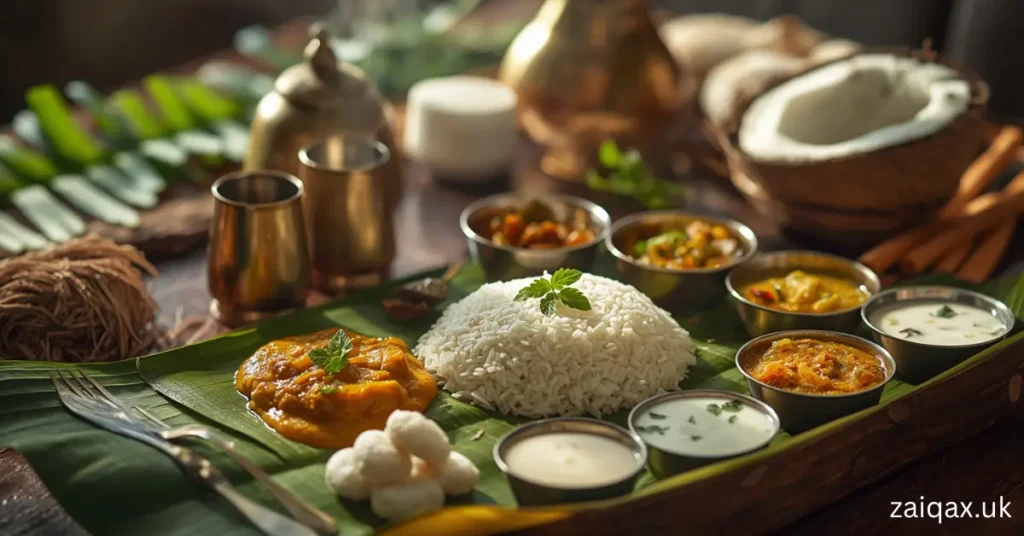
Traditional Tamil Brahmin food is known for its simplicity, purity, and strong cultural roots. These recipes are based on the principles of sattvic cooking, meaning the food is clean, light, vegetarian, and prepared without onion and garlic. Every dish has a deep connection to festivals, temples, pujas, family gatherings, and daily meals. In Tamil Brahmin homes, food is more than just cooking—it is a ritual, a tradition, and a way of life. Many recipes have been passed down through generations, often prepared using local ingredients like tour dal, coconut, tamarind, moong dal, rice, cumin, curry leaves, pepper, and ghee. This guide will help you easily make Tamil Brahmin recipes at home, even if you are a beginner. The tone is simple, and each recipe is explained step by step. What Makes Tamil Brahmin Cuisine Special? Tamil Brahmin cuisine is different from other South Indian cuisines because: No onion, no garlic in traditional cooking Heavy use of coconut, dal, pepper, cumin, and ghee Simple flavors, minimal masala Meals balanced with carbs, protein, veggies, and spices Food often cooked for spiritual purity It is a perfect blend of taste, health, and tradition. Core Ingredients Used in Tamil Brahmin Cooking Here are common ingredients you will find in most dishes: Ingredient Purpose Toro Dal Used in sambar, ransom, koru Moong Dal Used for Pongal, paraph, payada Coconut Adds richness to curries and gravies Black Pepper + Cumin Key spice blend for ransom, Pongal Tamarind Gives tanginess in sambar and kuzhambu Ghee Enhances aroma and flavor Curry Leaves & Mustard Seeds Used for tempering (taka) These ingredients create authentic taste and aroma. Daily Tamil Brahmin Meal Structure A complete meal typically includes: Rice Sambar Rasa Perilya (dry vegetable curry) Kodu or Kuzhambu Curd / Buttermilk Papas & Pickle Let’s move into full recipes you can try at home. 1. Sambar – The Classic Tamil Brahmin Staple Sambar is the heart of every Tamil Brahmin home. It is a balanced mix of dal, vegetables, tamarind, and spices. Ingredients 1 cup tour dal 1 cup mixed vegetables (drumstick, carrot, beans, pumpkin) 1 tomato 1 tbsp. sambar powder Small ball of tamarind Mustard seeds, curry leaves, hinge Salt, turmeric Ghee for tempering Steps Cook dal with turmeric until soft. Boil vegetables separately. Add tamarind water, turmeric, salt, and let boil. Add cooked dal and simmer. Add sambar powder and let it combine. Temper mustard seeds, curry leaves, hinge in ghee and pour over. Tips Use freshly ground sambar powder for best aroma. Do not overboil after adding sambar powder. 2. Rasa – Light, Flavorful & Digestive Rasa is thinner than sambar, usually consumed with rice or like a soup. Ingredients 1 tomato mashed Tamarind water Black pepper + cumin powder Curry leaves, mustard seeds Hing, turmeric Coriander leaves ½ cup cooked tour dal (optional) Steps Boil tomato, tamarind water, turmeric, salt. Add ransom powder or pepper-cumin mix. Add dal water and simmer until frothy (do not overboil). Temper mustard seeds and curry leaves in ghee. Garnish with coriander leaves. 3. Venn Pongal – Comfort Breakfast Dish Pongal is creamy, mild, and served with coconut chutney or sambar. Ingredients 1 cup rice ½ cup moong dal Black pepper, cumin, ginger Curry leaves Ghee Salt Steps Wash rice and dal; cook together with salt until mushy. Heat ghee, fry pepper, cumin, ginger, curry leaves. Mix tempering into cooked Pongal. Tip More ghee = more authentic taste. 4. Coconut Chutney (No Onion Version) Ingredients Grated coconut Green chilies Roasted Chana dal Salt Mustard seeds, curry leaves, hinge Steps Grind coconut, dal, chilies, salt with water. Temper mustard seeds + curry leaves + hinge. Pour over chutney. 5. Kodu – Veggies + Lentils + Coconut   Kodu is thick and healthy, great with rice or roti. Ingredients Snake gourd / ash gourd / cabbage Moong dal Coconut + cumin paste Turmeric, salt Mustard seeds & curry leaves Steps Cook dal & veggie separately. Mix, add coconut paste, simmer. Temper with mustard seeds and curry leaves. 6. Moor Kuzhambu – Curd-Based Curry A mild, cooling curry made from yogurt and ground coconut mix. Ingredients Beaten curd Vegetables (white pumpkin / okra) Coconut, cumin, green chili paste Turmeric, salt Curry leaves & mustard seeds Steps Cook vegetables. Add ground paste and turmeric. Mix curd at the end and simmer gently (do not boil hard). Temper and serve. 7. Avail – Kerala + Tamil Brahmin Fusion Dish Ingredients Drumstick, yam, beans, carrot, potato Coconut + cumin paste Curd Coconut oil Curry leaves, turmeric, salt Steps Cook all vegetables together. Add coconut paste and simmer. Mix curd and drizzle coconut oil. 8. Paraph Sandam – Simple Dal Rice for Any Day Ingredients Cooked rice Cooked tour dal Ghee, cumin, pepper Turmeric, curry leaves Steps Mix rice with dal and salt. Temper spices in ghee. Serve with pickle or ghee. 9. Sweet Pongal – Festive Prasad am Ingredients Rice + moong dal Jaggery water Cardamom Ghee Cashews + raisins Steps Cook dal & rice soft. Add jaggery water & mix slowly. Add ghee and roasted nuts. 10. Payada – Temple Style Sweet Dish Popular Variations Sekiya payada Pal payada Moong dal payada Chana dal jaggery payada Key Ingredients Milk Jaggery or sugar Dal or vermicelli Ghee Nuts Steps (General) Cook base (dal or vermicelli). Boil milk and combine slowly. Add sweetener. Fry nuts in ghee and add. Health Benefits of Tamil Brahmin Food Benefit Why Easy to digest Less oil, simple spices Protein rich Dal + rice combinations Sattvic No onion, no garlic Balanced meals Carb + protein + micronutrients Good for gut health Rasa, curd, cumin, pepper   Festivals & Special Recipes Festival Dish Pongal Sweet & Venn Pongal Navaratri Sandal varieties Tamil New Year Mango pochade Karthikey Appam & pore urundai Aadi Kozhukattai & payada   Tips to Get Authentic Taste at Home Use freshly grated coconut, not packaged Cook dal soft and mash well Use ghee instead of refined oil Avoid store-bought masalas Use small onions only for non-traditional versions Add hinge

Traditional Tamil Brahmin Recipes Made Easy at Home Read More »

Tasty Vegetarian Recipes for Dogs That Boost Energy Fast

Tasty Vegetarian Recipes for Dogs That Boost Energy Fast

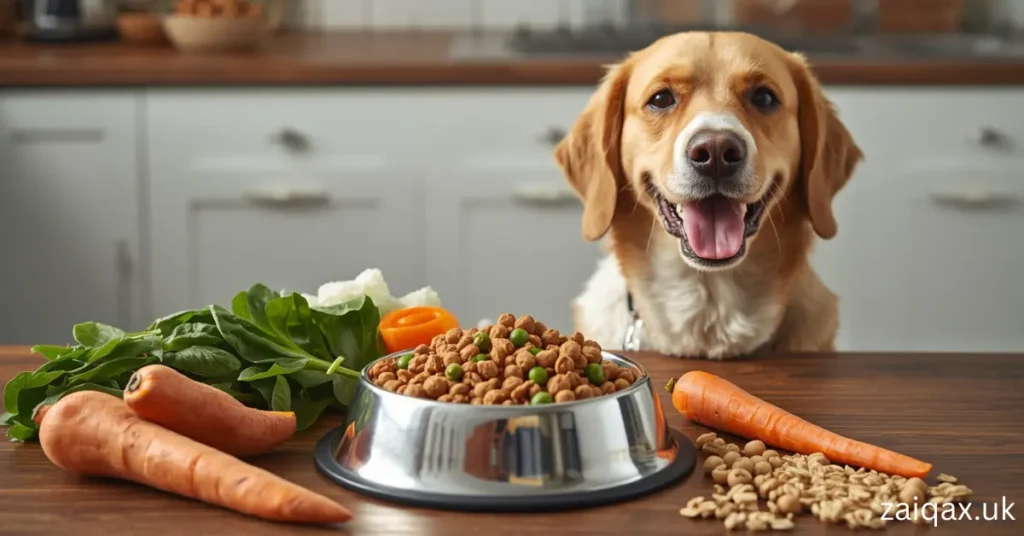
As a dog owner, you always want your furry companion to stay healthy, energetic, and happy. While many pet owners rely on meat-based diets, vegetarian recipes for dogs are becoming increasingly popular—especially for dogs with allergies, sensitive stomachs, or owners who simply prefer plant-based meals. The great news is that a well-balanced vegetarian diet can fuel your dog with natural energy, better digestion, and overall vitality. In this guide, you will discover tasty vegetarian recipes for dogs that boost energy fast, nutritional benefits, safe ingredients list, cooking tips, and how to ensure your dog gets all essential nutrients without meat. This article uses easy language, practical guidance, and step-by-step instructions so anyone can start making healthy vegetarian meals at home. Why Choose Vegetarian Recipes for Dogs? Dogs are omnivores, meaning they can digest plant-based food alongside animal protein. Many vegetables, grains, and legumes provide essential nutrients such as protein, fiber, minerals, and antioxidants that support health, immunity, and energy. Here are common reasons dog owners choose vegetarian diets: Benefit How It Helps Dogs Reduces allergies Useful for dogs allergic to chicken, beef, or fish Improves digestion Fiber-rich foods prevent constipation and gas Supports weight loss Low-fat ingredients help maintain healthy weight Boosts natural energy Plant-based carbs release sustained energy Supports heart & joint health Less saturated fat and more vitamins A carefully planned vegetarian diet can be nutritious and satisfying, especially if recipes include balanced protein sources such as lentils, oats, chickpeas, tofu, and quinoa. Can Dogs Stay Energetic on a Vegetarian Diet? Yes—dogs can stay healthy and energetic on a vegetarian diet when meals provide: High-quality plant protein Various fiber sources Healthy fats Essential vitamins & minerals Energy in vegetarian meals typically comes from natural carbohydrates like rice, sweet potatoes, pumpkin, and oats, which help maintain consistent stamina, making these recipes perfect for playful, active, or working dogs. Key Nutrients to Include in Vegetarian Dog Meals To keep your dog strong and full of energy, make sure meals include: Nutrient Plant-Based Sources Benefits Protein Lentils, quinoa, tofu, peas Builds muscles & supports metabolism Fiber Pumpkin, carrots, oats Smooth digestion & long-lasting energy Omega fats Flaxseed, chia seeds, coconut oil Healthy coat & brain function Iron Spinach, beans, oats Improves circulation & stamina Calcium Broccoli, sesame seeds Bone and joint strength Vitamin B Whole grains, leafy greens Boosts nervous system & energy Balancing these nutrients ensures your dog doesn’t feel fatigued or nutrient-deficient. Tasty Vegetarian Recipes for Dogs That Boost Energy Fast Below are high-nutrient, dog-friendly, meat-free recipes that you can easily make at home. 1. Sweet Potato & Lentil Power Bowl This recipe provides slow-release energy, perfect for active dogs. Ingredients: 1 cup boiled lentils 1 cup mashed sweet potato ½ cup cooked peas 1 tbsp. olive or coconut oil Pinch of turmeric Method: Boil lentils until soft. Steam sweet potatoes and mash them. Mix all ingredients in a large bowl. Serve warm in small portions. Why It Boosts Energy Lentils are high in protein, sweet potatoes provide long-lasting energy, and coconut oil supports brain function. 2. Protein-Rich Quinoa & Veggie Mix This recipe is perfect for dogs needing a quick boost after exercise. Ingredients: 1 cup cooked quinoa ½ cup shredded carrots ½ cup steamed green beans 1 tsp chia seeds 1 tbsp. flax oil Method: Cook quinoa until soft. Mix with vegetables. Add chia seeds and oil before serving. Energy Benefits Quinoa is a complete protein source with essential amino acids, helping muscle recovery and endurance. 3. Peanut Butter Banana Energy Treats A high-energy snack dogs love. Ingredients: 1 mashed banana 2 tbsp. unsalted peanut butter ½ cup oats 1 tsp coconut oil Method: Blend ingredients until dough-like. Roll into bite-sized balls. Refrigerate 1 hour before serving. Boost Factor Packed with natural sugars, healthy fats, and carbs for instant energy. 4. Chickpea & Pumpkin Digestive Stew Great for sensitive stomachs and dogs needing gentle but energizing meals. Ingredients: 1 cup boiled chickpeas, mashed 1 cup pumpkin purée ¼ cup boiled brown rice 1 tbsp. sesame seeds Method: Mash chickpeas. Mix with pumpkin and rice. Add sesame seeds for minerals. Why It Works Pumpkin improves digestion while chickpeas provide protein for strength. 5. Green Power Porridge for Morning Energy Ideal for breakfast or energy before walks. Ingredients: 1 cup oats ½ cup spinach (finely chopped) 1 tbsp. hemp seeds Water or vegetable broth for boiling Method: Cook oats in low-sodium broth. Add spinach halfway through. Stir in hemp seeds before serving. Energy Benefits Oats fuel endurance while spinach provides iron to boost stamina. Foods Dogs Should Avoid on a Vegetarian Diet Not all plant foods are safe. Avoid these: Toxic Foods Why They’re Dangerous Onions & garlic Damage red blood cells Grapes & raisins Cause kidney issues Chocolate & caffeine Toxic to heart & nerves Macadamia nuts Harm muscles & nerves Raw dough Can expand in stomach High-salt canned foods Cause dehydration Always introduce new foods slowly and monitor reactions. Signs Your Dog Is Thriving on a Vegetarian Diet Look for positive changes such as: Shinier coat Increased stamina Less gas or bloating Better mood and activity levels Healthy skin and reduced allergies If energy improves, you’re on the right track. How to Transition Your Dog to a Vegetarian Diet Switching food too fast can upset the stomach. Transition gently: Day % Old Food % New Veg Food Days 1–3 75% 25% Days 4–6 50% 50% Days 7–10 25% 75% Day 11+ 0% 100% Go slow, observe bowel movements, and adjust as needed. Best Cooking Tips for Healthy Dog Meals Use no spices, salt, or artificial flavors Always cook beans, peas, and grains fully Use dog-safe oils like coconut or flax Mash food for small or senior dogs Store meals in the fridge for 3–4 days max Final Thoughts Choosing tasty vegetarian recipes for dogs that boost energy fast is a wonderful way to nourish your pet using wholesome, plant-based ingredients. With the right balance of protein, carbs, fats, and vitamins, dogs can thrive on vegetarian meals

Tasty Vegetarian Recipes for Dogs That Boost Energy Fast Read More »

Elite Finisher Recipe Granado Espada Power Boost Guide

Elite Finisher Recipe Granados Spada Power Boost Guide

If you play Granados Spada, you already know that power matters. Every skill, every stance, every personality strategy depends on how fast you can boost damage and how efficiently you can defeat mobs and bosses. Among all the ways to improve your  strength, the Elite Finisher Recipe stands out as a pure power boost essential. This guide will explain everything about the Elite Finisher Recipe, how to craft it, how to use it, which characters benefit the most, and how you can turn this recipe into a major damage-dealing power. This is a simple, easy-to-follow guide written for new, returning, and veteran players who want fast results. What Is the Elite Finisher Recipe in Granados Spada? The Elite Finisher Recipe is a crafting formula that lets you create a powerful item designed to enhance attack output, finishing damage, stance performance, and end-combat results. It is popular because it works well in both Pave and P2P, and helps players clear content faster. In simple words: Elite Finisher Recipe = extra power, faster kills, better performance. Players often look for it when they want quick growth without waiting for slow stat upgrades or expensive gear builds. Why Is the Elite Finisher Recipe Important? There are many boosts in Granados Spada, so why is this one special? Because it focuses on finishing power—the final blow damage that decides how fast an enemy dies. Here are the main reasons players chase this recipe:  Faster DPS Output Its total growth attack performance, allowing you to burst enemies quicker instead of grinding longer battles.  Helps in High-Level Maps High-level enemies take longer to defeat. This recipe helps you break their defense faster.  Useful for Both Solo and Squad Play Whether you farm alone or in a party, finishing damage is essential for clearing waves and bosses.  Works With Multiple Stances It has synergy with offensive stances, including ranged, melee, and magic builds.  Budget-Friendly Progression Instead of investing heavily in ultimate gear early, this gives you a strong start. Elite Finisher Recipe Granados Spada Power Boost: Core Benefits Here are the major benefits in simple terms: Benefit Description Burst Damage More power in shorter fights Wave Clearing Efficient mob cleanup in dungeons and missions P2P Finishing Power Helps defeat opponents before they react Stance Synergy Works with offensive, crib, and speed builds Quick Leveling Faster kills, more EXP per hour If your play style focuses on speed, aggression, and hard-hitting combos, this recipe fits you perfectly. Who Should Use the Elite Finisher Recipe? Not every build needs finishing power. Some focus on tanking, buffs, or support. This recipe is best for: DPS Characters Characters built for damage will gain immediate improvements. Ranged Burst Shooters Gun-focused characters can chain kills quickly. High Crist Builds Crist builds already deal heavy blows—finisher boosts add even more impact. Speed-Combo Melee Fighters Fast attackers benefit from extra final strike power per combo. Solo Farmers If you grind maps alone, this helps you clear faster. In short, if your character attacks often and deals direct damage, you should use it. How to Craft the Elite Finisher Recipe (General Structure) While ingredient names vary depending on server versions and game updates, the typical crafting structure follows: Component Type Purpose Core Material Base foundation of the recipe Enhancement Shards Add power and stat influence Combat Modifiers Improve stance compatibility Finisher Catalyst Increases finishing damage output Think of the recipe like assembling layers: Base Ingredient → Enhancer → Catalyst → Final Boost Even if ingredient names change, this structure helps you understand what to collect. Best Characters for Elite Finisher Build If you’re wondering which characters take the maximum advantage, here are common playstyles that shine with finishing boosts:  Melee Burst Characters Close-range fighters who deal quick combos Strong in boss fights and raids Long-Range DPS Rifle, pistol, dual-gun builds Ideal for farming and P2P executions Elemental Casters Magic damage builds with Aloe burst spells Useful for mob clearing Critical Hit Assassins High-speed crib attackers with quick execution skills These builds turn finishing boosts into unstoppable kill chains. Best Stances to Pair With Elite Finisher To maximize power, pair the recipe with offensive stances instead of defensive or support stances. Recommended Stance Types Stance Type Reason Critical Damage Stances Synergy with final blow multipliers Ranged Burst Stances Fast finishing shots Dual Weapon Stances Continuous strike potential Magic Explosion Stances Multi-target finishing potential Stances focused on blocking, guarding, healing, or tanking generally do not benefit from finishing boosts. Elite Finisher Recipe Power-Boost Strategies Here are strategies to get the most power out of the recipe: Pair With ATK % Buffs Use self or party buffs that increase base attack, so finishing damage multiplies on top. Boost Critical Chance The more crates you deal, the more finishing power stacks across strikes. Use Fast-Execution Skills Skills that hit multiple times allow frequent finishing procs. Focus on Weak Points Target enemies with lower defense first for faster chain kills. Mix With Weapon Enhancements Weapon boosts + finisher recipe = explosive damage. Elite Finisher Recipe Farming Guide To craft the recipe, you need to farm materials efficiently. Here’s a simple farming plan: Step Task Focus Step 1 Farm base ingredients High-mob maps Step 2 Collect catalysts Boss runs / elite mobs Step 3 Gather enhancement items Crafting zones Step 4 Assemble recipe Crafting NPC / workshop Step 5 Test on mobs Measure performance Always track drops and build a repeatable route to speed up crafting. Elite Finisher Recipe for P2P Players If you play P2P modes, finishing damage can help: Burst opponents before they counter Break defensive builds Execute low-HP targets instantly Increase hit-and-run efficiency P2P requires precision, and finishing boosts give you the edge to end fights fast. Elite Finisher Recipe for Farming & Leveling For grinders and solo farmers, this recipe: Cuts killing time Increases EXP per hour Helps manage mob density Reduces dependency on party buffs If you want fast leveling, this is your friend. Common Mistakes Players Make Many players fail to get full benefit because

Elite Finisher Recipe Granados Spada Power Boost Guide Read More »

best south indian brahmin recipes

Best South Indian Brahmin Recipes You Must Try Today

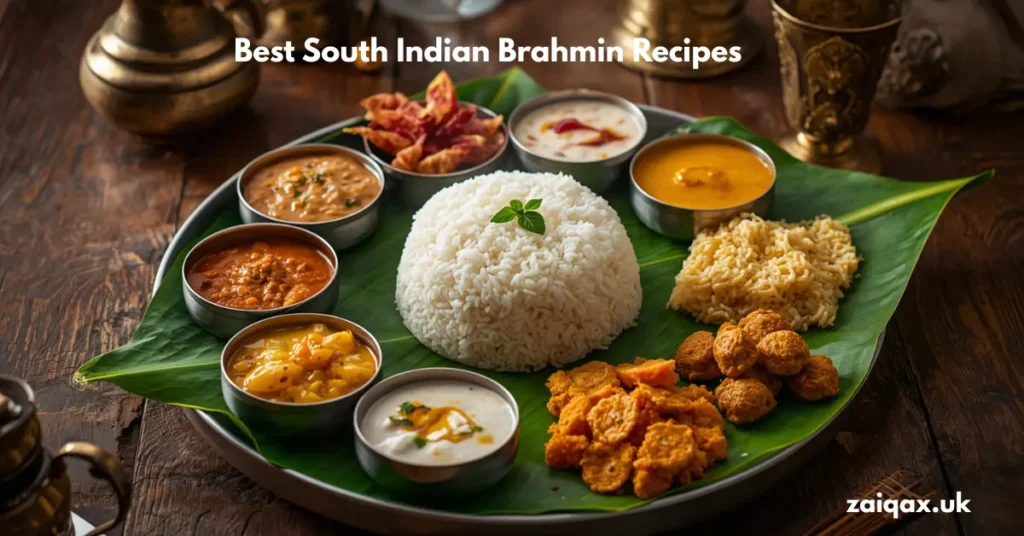
South Indian Brahmin cuisine is one of the most ancient, soulful, and culturally rich food traditions in India. Known for its purity, simplicity, and deep flavor profiles, Brahmin cooking relies heavily on natural ingredients, fresh spices, homemade masalas, and time-tested kitchen practices that have been passed down for generations. Whether you love coconut-based gravies, tangy tamarind curries, steamed delicacies, temple-style offerings, or comforting rice dishes, South Indian Brahmin recipes offer something unique for every taste. This comprehensive guide will take you through the best South Indian Brahmin recipes you must try today, complete with taste descriptions, ingredients, variations, and semantic context that helps search engines fully understand the content. What Makes South Indian Brahmin Recipes Unique? Before exploring the recipes, it’s important to understand what sets Brahmin cuisine apart: 1. Sattvic Ingredients Traditional Brahmin food usually avoids onion and garlic, focusing instead on sattvic (pure) ingredients that promote clarity, calmness, and physical well-being. 2. Use of Freshly Ground Masalas Unlike commercial masalas, Brahmin kitchens use fresh spice pastes made with coconut, pepper, cumin, coriander, curry leaves, red chilies, and lentils. 3. Balanced Flavors Recipes typically balance mild spice, gentle tang, subtle sweetness, and aromatic tempering. 4. Temple-Inspired Cooking Many dishes originate from ancient temple kitchens, giving them a divine, traditional essence. 5. Steamed and Light Cooking Techniques Steaming, slow-cooking, roasting, and pan-frying dominate instead of deep-frying. These principles give Brahmin recipes their soothing, comforting, and spiritually enriched identity. Top South Indian Brahmin Recipes You Must Try Today Below is a curated list of the best South Indian Brahmin recipes—temple-style, homestyle, festival-special, and everyday meals. Each recipe is described with a semantic-rich explanation of taste, texture, ingredients, and preparation style. 1. Ven Pongal – The Sacred Comfort Food of Tamil Brahmins Ven Pongal is a staple South Indian Brahmin dish made with rice, moong dal, black pepper, cumin, curry leaves, and ghee. It is creamy, warm, and soothing—often prepared during festivals like Pongal or as a morning breakfast offering to deities. Why You Must Try It Today Extremely easy to make Light on the stomach Rich in protein Perfect as an everyday breakfast Flavor Profile Creamy, buttery, mildly spiced with pepper, and deeply aromatic from ghee. 2. Sambar – The Heartbeat of Brahmin Cuisine Sambar is one of the most iconic South Indian Brahmin recipes. Made with toor dal, vegetables, tamarind, and homemade sambar powder, it has a perfect blend of tanginess, warmth, and nutrition. Types of Brahmin Sambar Tamil Brahmin Arachuvitta Sambar (fresh-ground masala) Iyengar Sambar Kerala Brahmin Sambar Udupi Temple-Style Sambar Why It Stands Out Every region and every Brahmin household has its own version, making sambar a culturally deep and diverse dish. 3. Coconut Chutney – The Soul of Every Brahmin Breakfast No Brahmin meal—especially dosa, idli, pongal, or upma—is complete without coconut chutney. What Makes Brahmin Coconut Chutney Special? Freshly grated coconut Roasted chana dal Green chilies Ginger Mustard, curry leaves tempering Variations Mint coconut chutney Coriander coconut chutney Red coconut chutney This simple dish enhances every meal with freshness and balance. 4. Rasam – A Healing Elixir From Brahmin Kitchens Rasam is a tangy, peppery, aromatic soup-like dish made using tamarind, tomatoes, lentils, pepper, cumin, and rasam powder. Why Brahmin Rasam Is Famous Known for digestive benefits Light and soothing Perfect for cold, cough, or heavy meals Packed with antioxidant spices Popular Brahmin Variants Tomato Rasam Pepper Rasam (Milagu Rasam) Lemon Rasam Paruppu Rasam Mysore Rasam Each version carries a unique personality and depth. 5. Avial – Kerala Brahmin Mixed Vegetable Delight Avial is a thick coconut-based curry made with vegetables like drumstick, ash gourd, carrots, and beans. What Makes It Special? Rich, creamy coconut texture Mild yet flavorful Tempered with coconut oil and curry leaves A must-have in Kerala Brahmin feasts Best Paired With Adai Rice Coconut rice 6. Kootu – The Perfect Lentil-Vegetable Harmony Kootu is a Brahmin-style curry made with vegetables and moong dal or chana dal. It is thicker than sambar but lighter than a sabzi. Types of Brahmin Kootu Poricha Kootu (pepper-cumin base) Mor Kootu (buttermilk base) Kerala Olan-style Kootu Chow Chow Kootu Why You Must Try This Recipe Highly nutritious Balanced in spice Great for kidney and digestive health 7. Curd Rice – The Ultimate Comfort Bowl Curd rice is a classic Brahmin recipe that combines cooked rice, curd, milk, ginger, curry leaves, and pomegranate or grapes. Why It’s Loved Everywhere Cooling Easy to digest Perfect for summer A staple in Tamil Brahmin households This dish represents simplicity, balance, and nourishment. 8. Lemon Rice – The Zesty Brahmin Favorite Lemon rice is a vibrant, tangy, lightly spiced rice preparation made with lemon juice, turmeric, peanuts, curry leaves, and a warm tempering. Why It’s a Must-Try Quick and tasty Ideal for lunchboxes Perfect for festivals and tiffin 9. Tamarind Rice (Puliyodarai / Puliyogare) This temple-style rice dish is made using tamarind paste, jaggery, sesame, roasted spices, curry leaves, and peanuts. What Makes Brahmin Puliyodarai Unique Long shelf life Deeply flavorful Often served as a prasadam in temples 10. Thayir Pachadi – Brahmin Yogurt Side Dish Pachadi is similar to raita but with a South Indian twist. Made with yogurt, cucumber, coconut, green chili, and mustard seeds. Popular Versions Cucumber pachadi Beetroot pachadi Pineapple pachadi Great with sambar rice, rasam rice, or curd rice. 11. Upma – Simple, Nutritious, Everyday Breakfast Upma is a thick porridge made with semolina (rava), vegetables, green chilies, mustard, and ghee. Why Brahmins Love Upma Quick to prepare Light yet filling Perfectly complements coconut chutney 12. Adai – High-Protein Brahmin Dosa Adai is a lentil-based dosa made from chana dal, toor dal, urad dal, and rice. Why It’s Healthier Than Regular Dosa Naturally protein-rich No fermentation needed Pairs beautifully with avial 13. Kesari – Brahmin-Style Sweet Delight Kesari is a semolina-based sweet dish flavored with ghee, cardamom, and saffron. Variations Pineapple kesari Banana kesari Milk kesari This is a temple-style dessert that melts in your mouth. 14. Vatha Kuzhambu – Tangy Tamarind Brahmin Curry Vatha kuzhambu

Best South Indian Brahmin Recipes You Must Try Today Read More »

Recipe Justalittlebite Master The Trend Everyone Loves

Recipe Justalittlebite Master The Trend Everyone Loves

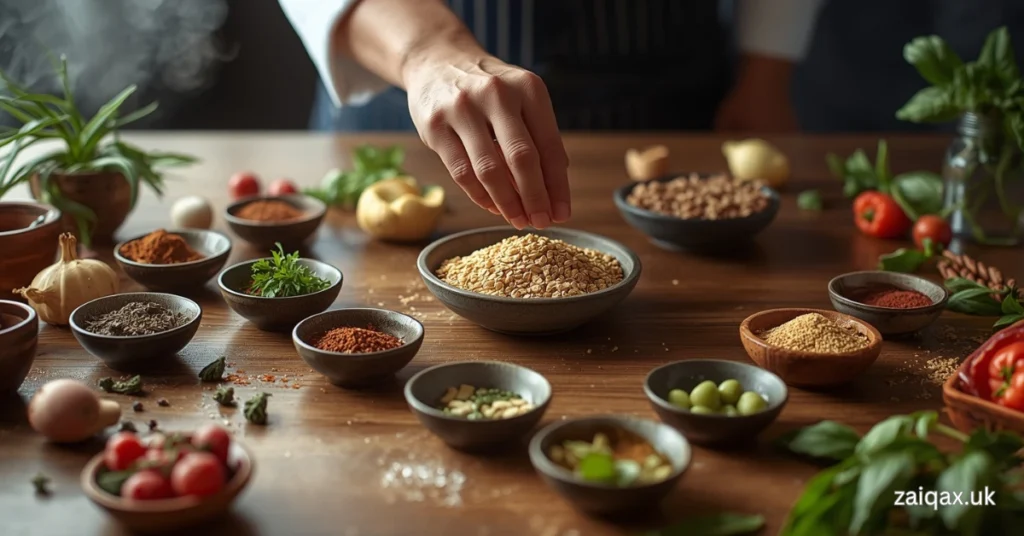
Food trends rise fast and fade even faster but some flavors leave a mark that stays in kitchens for years. Recipe Justalittlebite is one of those trends. People everywhere are recreating it, adding their own twist and bragging about mastering the recipe. What makes it special is its balance of flavor, simplicity, and versatility. Anyone can make it from beginners learning to cook to experts polishing culinary skills. This guide will help you master the trend everyone loves and understand why Recipe Justalittlebite is more than just a dish. It is an experience, a feeling, a flavor memory. This article breaks down its origin, the secret to its taste, how to prepare it step by step and how to customize it for breakfast, lunch, dinner desserts and healthy diets. We will also explore storage methods, expert tips, common mistakes to avoid and the cultural influence that keeps the trend alive. Let us dive into the delicious world of Recipe Justalittlebite and master the trend everyone loves. What Is Recipe Justalittlebite and Why Is It Trending Recipe Justalittlebite is a modern cooking approach focused on bold flavors small servings and versatile combinations. Unlike traditional recipes that focus on large portions this trend emphasizes tasting portions or snack-sized servings. The idea is to enjoy food in small exciting bites rather than heavy meals. Why People Love It Easy to prepare even for beginners Fits modern busy lifestyles Works with any cuisine style Great for social media and food photography Offers guilt-free snacking with portion control The trend became popular because people wanted food that satisfies cravings without overeating. It is not about eating less but about savoring more in small bites. Core Flavor Philosophy Behind Recipe Justalittlebite The magic lies in balancing three keys Texture Crunch Softness Creaminess Flavor Layers Sweet Spicy Tangy Savory Portion Control Small Bites With Big Taste Every variation of Recipe Justalittlebite follows a simple rule Small serving large impact Rather than loading plates with sauces and ingredients it focuses on elevating small elements like seasoning, finishing oils, herbs and garnishes. Ingredients You Need to Start Even though the recipe can be customized you need a base structure. Basic Ingredient Categories Main Base Bread tortilla rice crackers mini buns pasta cups or grilled veggies Flavor Protein or Core Element Chicken tofu paneer eggs seafood beans or mushrooms Sauce or Flavor Binder Garlic mayo spicy yogurt herb pesto creamy cheese sauce glaze or dressing Crunch Layer Seeds toasted crumbs nuts fried onions crispy herbs Garnish Lemon zest coriander spring onions red pepper flakes chaat masala sesame seeds Choose one from each group and you can create endless combinations. Step-By-Step Method to Master Recipe Justalittlebite Step 1 Prepare Your Base Toast grill or lightly heat the base to create a firm structure. Step 2 Cook or Season the Core Ingredient Marinate or sauté with spices to create depth of taste. Step 3 Add the Sauce Spread evenly so every bite has a consistent flavor. Step 4 Add Crunch Layer This transforms the bite into something memorable. Step 5 Top with Garnish Fresh herbs, spices and citrus elevate aroma and taste. Step 6 Serve Fresh The trend emphasizes serving immediately to preserve crunch and freshness. Flavor Variations to Try 1. Spicy Street Style Justalittlebite Toasted buns Spicy potato filling Mint yogurt sauce Crunchy sev Lemon and coriander Works best for snacks and parties. 2. Creamy Herb Chicken Justalittlebite Garlic pita bread Shredded chicken in herb mayo Crushed chili flakes Fresh parsley Ideal for dinner plates or cafe-style meals. 3. Sweet Dessert Justalittlebite Mini pancakes Whipped chocolate cream Almond crunch Fresh berries and caramel drizzle Perfect for celebrations or café menus. 4. Vegan Protein Justalittlebite Grilled zucchini slices Spiced tofu crumble Tahini herb sauce Sesame seeds and microgreens Great for health and fitness lovers. How to Make It Fit Different Diets Diet Type Modification Keto Use zucchini crisps cheese base chicken eggs Vegan Use tofu beans nut cheeses tahini sauce Gluten Free Use rice cakes quinoa cups potato base High Protein Add eggs chicken paneer protein sauce The recipe adapts easily which is why it spreads worldwide. Pairing Suggestions for Different Occasions Occasion Best Version Family Brunch Creamy herb chicken bites Kids Lunchbox Mini cheese pizza bites Fitness Meal Vegan protein bites Midnight Cravings Spicy street style bites Tea Time Tangy potato and yogurt bites Dessert Table Mini chocolate caramel bites   How to Make It Look Stunning for Photos Since the trend grew with social media presentation matters. Tips for Perfect Food Styling Use contrasting colors herbs chili flakes lemon zest Serve on wooden boards or matte plates Add side dips for visual depth Use natural light for photos When food looks good people want to try it. Common Mistakes to Avoid Mistake Result Adding too much sauce Bite becomes soggy and messy Serving too late Crunch fades and taste drops Overloading toppings Flavor balance is lost Too little seasoning Bite tastes plain The key is balance not quantity. Storage and Meal Prep Even though it is best served fresh you can still prep ahead. What You Can Prepare in Advance Cook protein and store Pre-mix sauces in airtight jars Keep toasted bases separate Store crunch toppings in airtight containers Reheat Tips Reheat base on a pan not microwave to keep it crisp Add sauces only after reheating Assemble right before serving Why This Trend Is Here to Stay Recipe Justalittlebite fits modern lifestyle patterns Small plates instead of heavy meals Social gatherings over large dinners Healthy snacking instead of binge eating Customizable diet friendly and aesthetic People are not just eating for hunger they are eating for mood, creativity and experience. Expert Tips to Master Recipe Justalittlebite Always season each layer not just the final dish Use citrus or vinegar to brighten taste Balance soft and crunchy textures Garnish fresh herbs right before serving Test multiple bases to find the best pairing Mastering the trend is about understanding flavor patterns, not memorizing a single recipe. Final Thoughts Recipe Justalittlebite

Recipe Justalittlebite Master The Trend Everyone Loves Read More »

Scroll to Top