
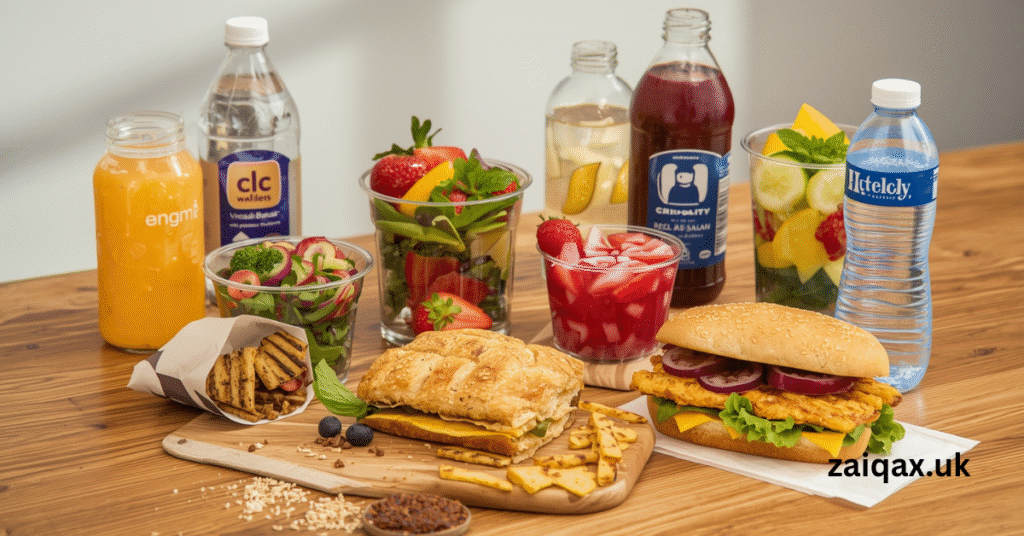
Living with Chronic kidney disease can feel overwhelming, especially when it comes to food choices. Many people believe fast food is off-limits. But here’s the good news — there are fast foods that are okay for kidney disease when chosen wisely.
You don’t have to give up convenience. You just need to make smart choices. In this article, we’ll reveal safe fast food options, tips to order wisely, and what to avoid to protect your kidneys.
This is not medical advice. Always talk with your doctor or dietitian. But this guide will help you make better, more confident decisions.
Understanding Kidney Disease and Diet
Kidneys help remove waste and control fluids in your body. When they don’t work properly, your body can build up extra sodium, potassium, and phosphorus.
That’s why people with kidney disease must be careful with what they eat — especially with fast food, which often has high levels of salt, fat, and additives.
The key is choosing fast food that are okay for kidney disease by controlling portions and picking lower-sodium options.
Why Fast Food Can Be Tricky for Kidney Disease
Most fast food items are:
High in sodium.
Rich in phosphorus additives.
Loaded with processed ingredients.
Often too large in portion size.
These factors can make it risky for kidney health. But not all fast foods are the same. Some menu items are lower in sodium, phosphorus, and potassium — and these are the fast food that are okay for kidney disease.
How to Choose Kidney-Friendly Fast Food
Before we reveal specific items, here are some smart rules to follow:
Pick grilled instead of fried.
Choose small portions.
Skip cheese, extra sauces, and salty sides.
Ask for no added salt if possible.
Drink water or unsweetened tea.
These steps help reduce your sodium and fluid intake, making it easier on your kidneys.
Best Fast Food Chains for Kidney-Friendly Choices
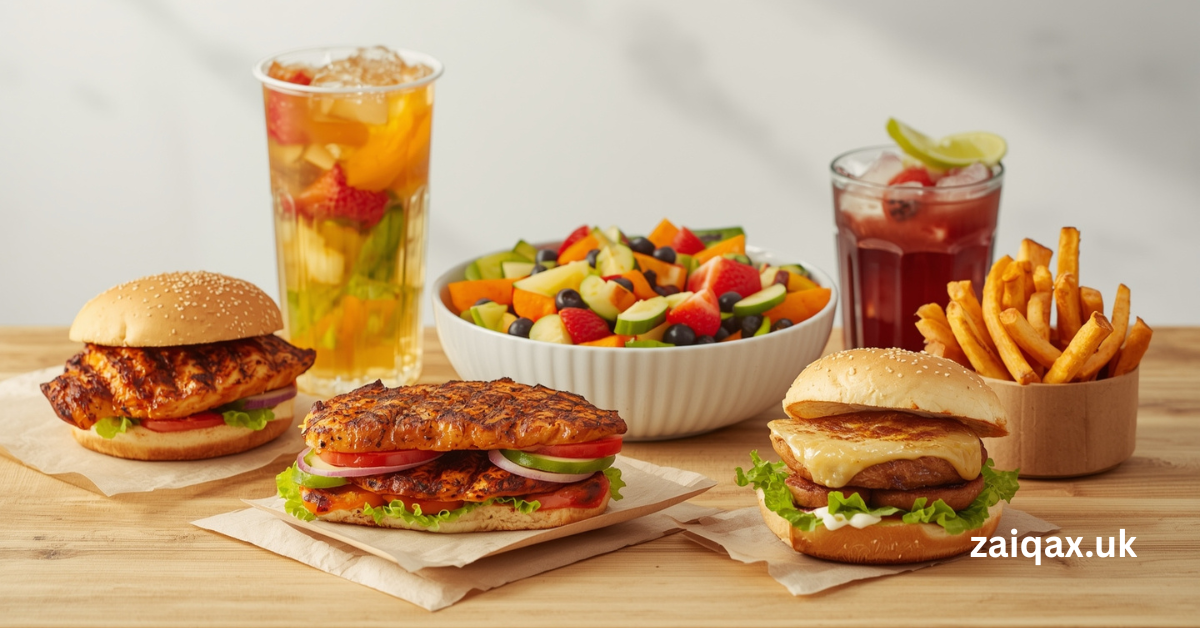
Some chains offer better options than others. Here are popular fast food chains where people with kidney disease can find safer meals.
1. Subway
Go for a 6-inch turkey breast sandwich on white bread.
Load up on fresh veggies.
Skip the cheese and extra sauces.
Ask them not to add extra salt or seasoning.
Why it’s okay: It’s lower in sodium and phosphorus than many other fast food sandwiches.
2. McDonald’s
A plain hamburger without cheese can be a safer choice.
Small fries can be allowed sometimes in moderation.
Pair with water or unsweetened iced tea.
Why it’s okay: Smaller portion size and less sauce mean less sodium.
3. Chick-fil-A
Grilled chicken nuggets with a fruit cup or side salad.
Light dressing or no dressing.
Avoid dipping sauces high in sodium.
Why it’s okay: Grilled items have lower sodium than breaded or fried.
4. Wendy’s
Grilled chicken sandwich without cheese or sauces.
Side salad with lemon instead of dressing.
Why it’s okay:Simple, grilled items help manage sodium intake.
5. Taco Bell
Fresco-style chicken taco is a better choice.
Order one or two, not a whole combo.
Skip cheese, sour cream, and extra sauces.
Why it’s okay: Smaller tacos with simple toppings are lower in sodium.
Specific Fast Food Items That Are Okay for Kidney Disease
Here are some fast food items that are okay for kidney disease revealed by nutrition experts and dietitians.
Plain hamburger (small)
Grilled chicken sandwich without sauce
Turkey sub with vegetables
Soft tacos with chicken and veggies
Fruit cup or side salad
Small portion fries (occasional treat)
Water or unsweetened drinks
These items work better because they are lower in phosphorus additives and sodium compared to many other fast foods.
Foods to Avoid When Eating Fast Food with Kidney Disease
Some fast foods can harm your kidneys because of high sodium, potassium, and phosphorus.
Avoid these:
Extra-large burgers or double patties
Cheese-covered sandwiches
Fried chicken with skin
Pizza with heavy toppings
Sauces and dressings loaded with salt
Sugary sodas
These can cause fluid retention, raise blood pressure, and worsen kidney function.
The Importance of Portion Control
Even kidney-friendly fast food can become risky if you eat too much.
Portion control tips:
Choose a small or regular size.
Share your meal with someone.
Avoid combo deals.
Skip extras like cheese, bacon, and sauces.
A smaller portion means less sodium, fat, and phosphorus in your system.
How Sodium Affects Kidney Disease
Sodium is one of the biggest concerns with fast food. It can:
Raise blood pressure.
Cause swelling and water retention.
Put stress on your kidneys.
People with kidney disease should limit sodium intake. Choosing low-sodium fast food helps keep blood pressure and kidney health in check.
Reading Nutrition Labels
Many fast food restaurants now list nutrition facts. Reading these can save your health.
Look for:
Sodium content under 600 mg per meal.
Phosphorus additives (avoid when possible).
Lower potassium options.
The fast food that is okay for kidney disease usually has simpler ingredients.
Asking for Custom Orders
Don’t be afraid to ask for changes. Most restaurants allow it.
Ask for:
No salt added.
No cheese.
No sauce or dressing on the side.
Grilled instead of fried.
This can turn a regular fast food item into a kidney-friendly fast food option.
Choosing the Right Bread and Sides
Bread can add hidden sodium. White bread usually has less phosphorus than whole grain.
Side options to choose:
Small side salad
Fruit cup
Small fries (sometimes)
Side options to avoid:
Mac and cheese
Onion rings
Extra cheese sauces
A simple side can make your fast food meal much safer.
Drinks to Choose and Avoid
What you drink matters too.
Better drink choices:
Water
Unsweetened tea
Lemon water
Avoid these:
Sugary sodas
Colas with phosphorus
Sports drinks
These can affect fluid balance and add unnecessary sugar or phosphorus.
Fast Food Breakfast Options for Kidney Disease
You can still grab breakfast on the go.
Good options:
English muffin with egg (no cheese)
Oatmeal with water and fruit (no added sugar)
Small hash browns (occasionally)
Avoid breakfast sandwiches with cheese, sausage, or bacon. These are too high in sodium.
Eating Out Without Stress
You can enjoy fast food once in a while with the right mindset.
Plan your meal before you go.
Check online menus.
Choose the simplest option.
Eat slowly and stop when full.
This makes eating out easier and healthier.
Talking With Your Dietitian
A renal dietitian can give you personal guidance. Everyone’s kidney condition is different. What’s okay for one person may not be safe for another.
Your dietitian can help you:
Set daily sodium limits.
Find safe fast food choices.
Balance fast food with home-cooked meals.
Making Fast Food Safer at Home
You can recreate your favorite fast food at home in a kidney-friendly way.
Ideas:
Homemade grilled chicken sandwich
Turkey burger with low-sodium seasoning
Oven-baked fries with no salt
Simple chicken tacos with fresh veggies
This way, you control the ingredients and keep your kidneys safe.
Fast Food Myths and Kidney Disease
Many people believe they can never eat fast food again. That’s not true.
Myth: All fast food is bad for kidney disease.
Fact: Some fast food can fit into a kidney-friendly diet in moderation.
The key is making smart choices and knowing what to avoid.
How Often You Can Eat Fast Food
Fast food should not be an everyday habit. But once in a while, it can be okay.
A good rule:
Limit fast food to 1–2 times per week.
Balance with healthy home meals.
Watch your lab results and fluid levels.
Kidney-Friendly Eating Tips When Traveling
Traveling can make it hard to stick to a kidney diet.
Tips:
Carry a list of safe fast food options.
Drink plenty of water.
Ask for sauces on the side.
Stick with small portions.
This helps you stay healthy even on the go.
Watch for Hidden Ingredients
Many fast foods contain hidden phosphorus and potassium additives. These can harm your kidneys without you realizing.
Always check:
Ingredient labels if available.
Restaurant nutrition pages.
Words like “phosphate” or “potassium” in ingredients.
Healthy Mindset Around Food
Living with kidney disease means changing habits, but it doesn’t mean giving up your favorite things.
Learn what your body needs.
Make mindful choices.
Treat fast food as an occasional option, not daily fuel.
This balance can support your kidney health.
Common Mistakes People Make
Avoid these mistakes:
Ordering extra-large meals.
Forgetting to check sodium levels.
Drinking soda with fast food.
Adding cheese or creamy sauces.
Eating fast food too often.
Even healthy choices can turn harmful if portion sizes are too big.
Why Education Matters
Knowing what’s safe makes a big difference. When you understand which fast food is okay for kidney disease, you feel more in control.
Education leads to better habits. Better habits lead to better health.
Expert Tips to Eat Smart
Look at the nutrition info before ordering.
Ask for no added salt.
Go for grilled, not fried.
Eat slowly and stop when full.
Choose water over soda.
These tips keep your meal safer for your kidneys.
Role of Protein in Kidney Diet
Protein is important, but too much can stress your kidneys.
That’s why choosing smaller protein portions like a single burger patty or a small chicken sandwich is smarter than ordering large meat-heavy meals.
How Fast Food Affects Fluid Balance
People with kidney disease often need to control fluids. Fast food meals with salty sauces can make you feel more thirsty.
Choosing plain items and drinking water helps prevent fluid overload.
Supporting Your Kidney Health Every Day
Eating smart outside the home is just one part of kidney health.
Other steps:
Take your prescribed medications.
Monitor your blood pressure.
Follow your meal plan.
Exercise if allowed.
Small steps each day make a big difference.
Final Thoughts
You can still enjoy fast food even if you have kidney disease. It entails developing better decision-making skills.
You can enjoy your favorite restaurants in a safe manner by choosing grilled food over fried, avoiding extras, managing portions, and selecting the appropriate beverages.
It was discovered which fast food is safe for kidney disease. You can enjoy life and stay on course with the help of this guide. Always consult your physician or dietitian to customize these options to meet your unique requirements.
Making healthy decisions has great power. In a drive-thru, even.