
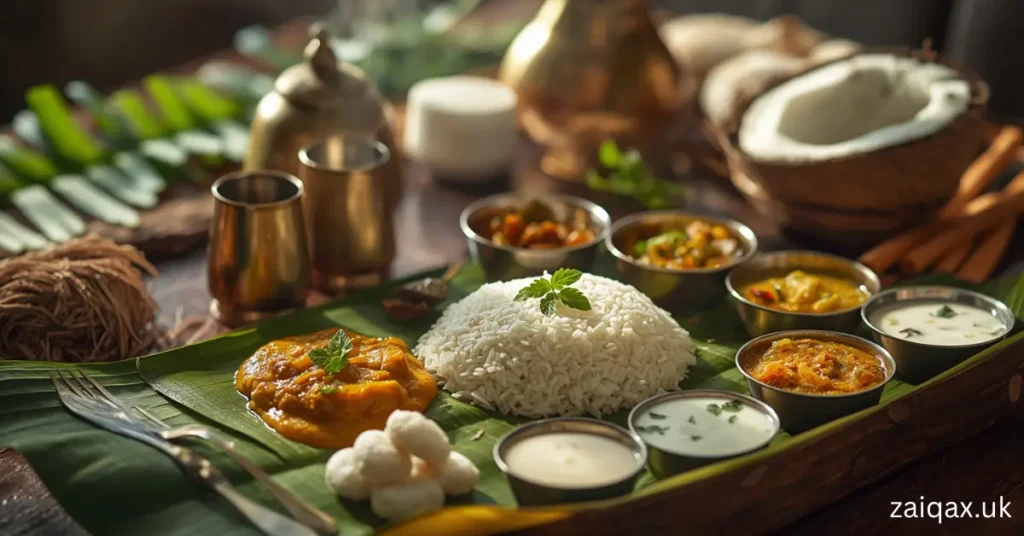
Traditional Tamil Brahmin food is known for its simplicity, purity, and strong cultural roots. These recipes are based on the principles of sattvic cooking, meaning the food is clean, light, vegetarian, and prepared without onion and garlic. Every dish has a deep connection to festivals, temples, pujas, family gatherings, and daily meals.
In Tamil Brahmin homes, food is more than just cooking—it is a ritual, a tradition, and a way of life. Many recipes have been passed down through generations, often prepared using local ingredients like tour dal, coconut, tamarind, moong dal, rice, cumin, curry leaves, pepper, and ghee.
This guide will help you easily make Tamil Brahmin recipes at home, even if you are a beginner. The tone is simple, and each recipe is explained step by step.
What Makes Tamil Brahmin Cuisine Special?
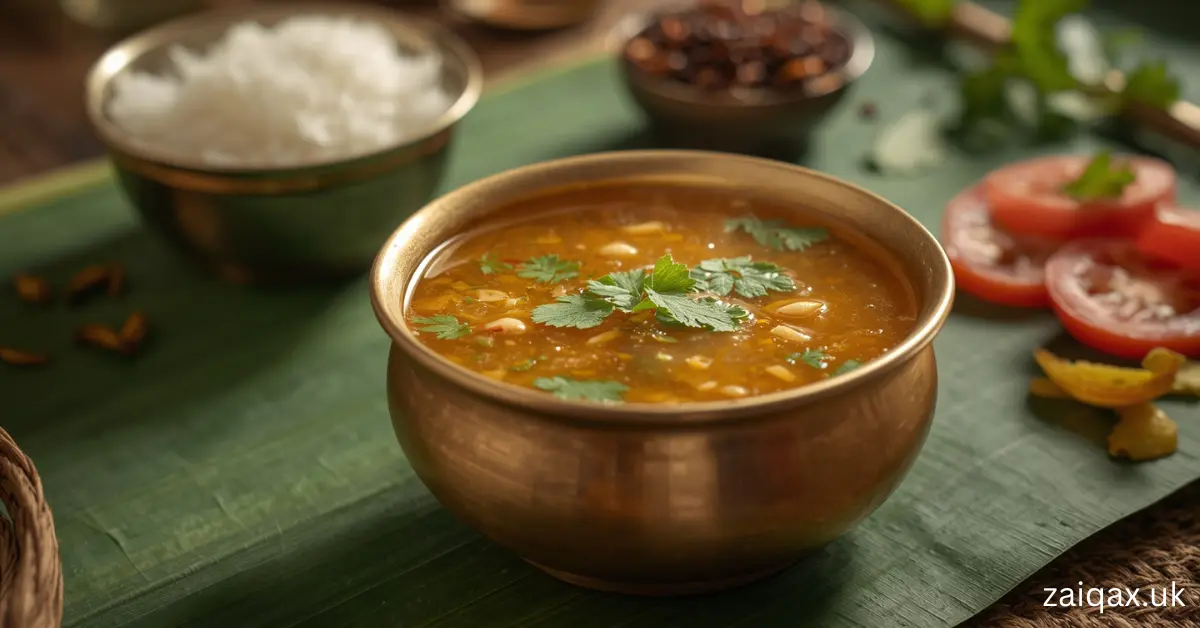
Tamil Brahmin cuisine is different from other South Indian cuisines because:
- No onion, no garlic in traditional cooking
- Heavy use of coconut, dal, pepper, cumin, and ghee
- Simple flavors, minimal masala
- Meals balanced with carbs, protein, veggies, and spices
- Food often cooked for spiritual purity
It is a perfect blend of taste, health, and tradition.
Core Ingredients Used in Tamil Brahmin Cooking
Here are common ingredients you will find in most dishes:
| Ingredient | Purpose |
| Toro Dal | Used in sambar, ransom, koru |
| Moong Dal | Used for Pongal, paraph, payada |
| Coconut | Adds richness to curries and gravies |
| Black Pepper + Cumin | Key spice blend for ransom, Pongal |
| Tamarind | Gives tanginess in sambar and kuzhambu |
| Ghee | Enhances aroma and flavor |
| Curry Leaves & Mustard Seeds | Used for tempering (taka) |
These ingredients create authentic taste and aroma.
Daily Tamil Brahmin Meal Structure
A complete meal typically includes:
- Rice
- Sambar
- Rasa
- Perilya (dry vegetable curry)
- Kodu or Kuzhambu
- Curd / Buttermilk
- Papas & Pickle
Let’s move into full recipes you can try at home.
1. Sambar – The Classic Tamil Brahmin Staple
Sambar is the heart of every Tamil Brahmin home. It is a balanced mix of dal, vegetables, tamarind, and spices.
Ingredients
- 1 cup tour dal
- 1 cup mixed vegetables (drumstick, carrot, beans, pumpkin)
- 1 tomato
- 1 tbsp. sambar powder
- Small ball of tamarind
- Mustard seeds, curry leaves, hinge
- Salt, turmeric
- Ghee for tempering
Steps
- Cook dal with turmeric until soft.
- Boil vegetables separately.
- Add tamarind water, turmeric, salt, and let boil.
- Add cooked dal and simmer.
- Add sambar powder and let it combine.
- Temper mustard seeds, curry leaves, hinge in ghee and pour over.
Tips
- Use freshly ground sambar powder for best aroma.
- Do not overboil after adding sambar powder.
2. Rasa – Light, Flavorful & Digestive
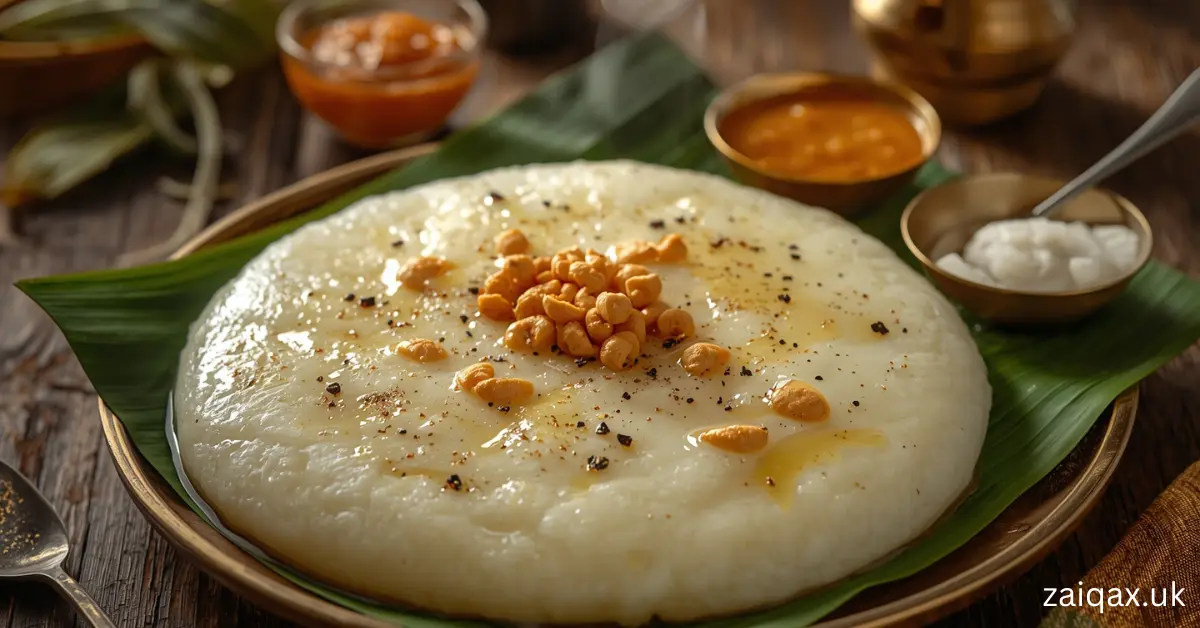
Rasa is thinner than sambar, usually consumed with rice or like a soup.
Ingredients
- 1 tomato mashed
- Tamarind water
- Black pepper + cumin powder
- Curry leaves, mustard seeds
- Hing, turmeric
- Coriander leaves
- ½ cup cooked tour dal (optional)
Steps
- Boil tomato, tamarind water, turmeric, salt.
- Add ransom powder or pepper-cumin mix.
- Add dal water and simmer until frothy (do not overboil).
- Temper mustard seeds and curry leaves in ghee.
- Garnish with coriander leaves.
3. Venn Pongal – Comfort Breakfast Dish
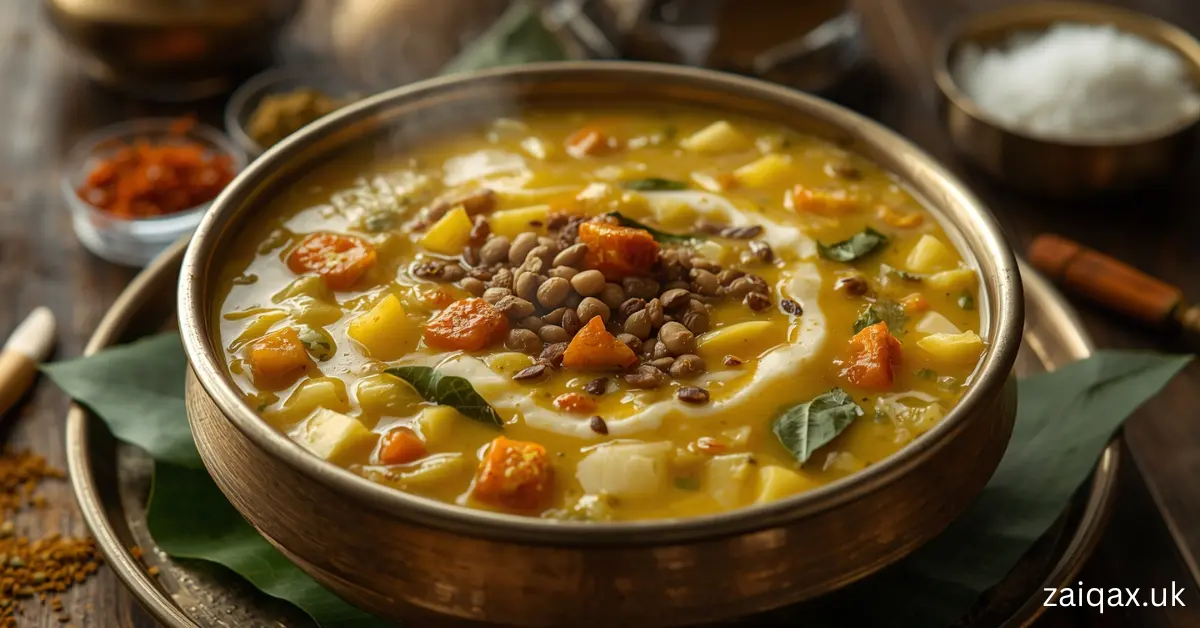
Pongal is creamy, mild, and served with coconut chutney or sambar.
Ingredients
- 1 cup rice
- ½ cup moong dal
- Black pepper, cumin, ginger
- Curry leaves
- Ghee
- Salt
Steps
- Wash rice and dal; cook together with salt until mushy.
- Heat ghee, fry pepper, cumin, ginger, curry leaves.
- Mix tempering into cooked Pongal.
Tip
More ghee = more authentic taste.
4. Coconut Chutney (No Onion Version)
Ingredients
- Grated coconut
- Green chilies
- Roasted Chana dal
- Salt
- Mustard seeds, curry leaves, hinge
Steps
- Grind coconut, dal, chilies, salt with water.
- Temper mustard seeds + curry leaves + hinge.
- Pour over chutney.
5. Kodu – Veggies + Lentils + Coconut
Kodu is thick and healthy, great with rice or roti.
Ingredients
- Snake gourd / ash gourd / cabbage
- Moong dal
- Coconut + cumin paste
- Turmeric, salt
- Mustard seeds & curry leaves
Steps
- Cook dal & veggie separately.
- Mix, add coconut paste, simmer.
- Temper with mustard seeds and curry leaves.
6. Moor Kuzhambu – Curd-Based Curry
A mild, cooling curry made from yogurt and ground coconut mix.
Ingredients
- Beaten curd
- Vegetables (white pumpkin / okra)
- Coconut, cumin, green chili paste
- Turmeric, salt
- Curry leaves & mustard seeds
Steps
- Cook vegetables.
- Add ground paste and turmeric.
- Mix curd at the end and simmer gently (do not boil hard).
- Temper and serve.
7. Avail – Kerala + Tamil Brahmin Fusion Dish
Ingredients
- Drumstick, yam, beans, carrot, potato
- Coconut + cumin paste
- Curd
- Coconut oil
- Curry leaves, turmeric, salt
Steps
- Cook all vegetables together.
- Add coconut paste and simmer.
- Mix curd and drizzle coconut oil.
8. Paraph Sandam – Simple Dal Rice for Any Day
Ingredients
- Cooked rice
- Cooked tour dal
- Ghee, cumin, pepper
- Turmeric, curry leaves
Steps
- Mix rice with dal and salt.
- Temper spices in ghee.
- Serve with pickle or ghee.
9. Sweet Pongal – Festive Prasad am
Ingredients
- Rice + moong dal
- Jaggery water
- Cardamom
- Ghee
- Cashews + raisins
Steps
- Cook dal & rice soft.
- Add jaggery water & mix slowly.
- Add ghee and roasted nuts.
10. Payada – Temple Style Sweet Dish
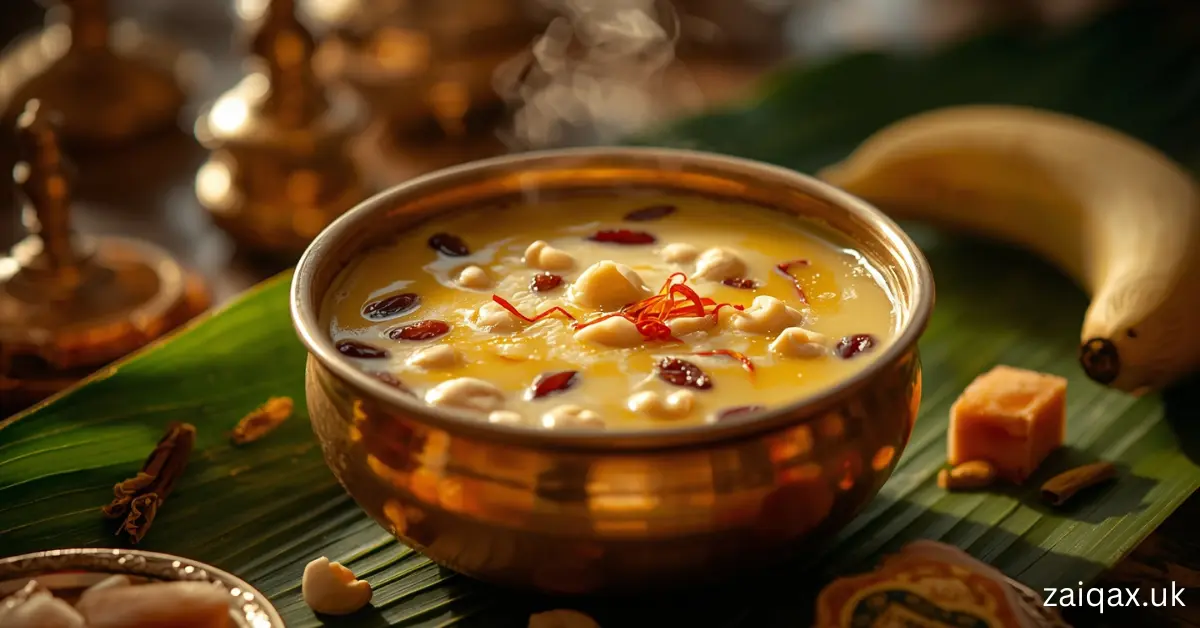
Popular Variations
- Sekiya payada
- Pal payada
- Moong dal payada
- Chana dal jaggery payada
Key Ingredients
- Milk
- Jaggery or sugar
- Dal or vermicelli
- Ghee
- Nuts
Steps (General)
- Cook base (dal or vermicelli).
- Boil milk and combine slowly.
- Add sweetener.
- Fry nuts in ghee and add.
Health Benefits of Tamil Brahmin Food
| Benefit | Why |
| Easy to digest | Less oil, simple spices |
| Protein rich | Dal + rice combinations |
| Sattvic | No onion, no garlic |
| Balanced meals | Carb + protein + micronutrients |
| Good for gut health | Rasa, curd, cumin, pepper |
Festivals & Special Recipes
| Festival | Dish |
| Pongal | Sweet & Venn Pongal |
| Navaratri | Sandal varieties |
| Tamil New Year | Mango pochade |
| Karthikey | Appam & pore urundai |
| Aadi | Kozhukattai & payada |
Tips to Get Authentic Taste at Home
- Use freshly grated coconut, not packaged
- Cook dal soft and mash well
- Use ghee instead of refined oil
- Avoid store-bought masalas
- Use small onions only for non-traditional versions
- Add hinge for aroma
Final Thoughts
Tamil Brahmin recipes are simple, pure, and full of culture. You do not need complex spices or heavy cooking techniques. With a few basic ingredients and the right method, you can easily prepare traditional dishes at home. Whether it’s sambar for a weekday meal or sweet pongal for a festival, each dish carries a story of heritage and devotion.
Cooking these recipes at home keeps traditions alive while giving your family healthy and delicious meals.
FAQS
1. What makes Tamil Brahmin recipes unique?
They are traditionally vegetarian, sattvic, and focused on simple, natural ingredients without onion or garlic in many dishes.
2. Which is the most popular Tamil Brahmin breakfast dish?
Idli dosa and pongal are among the most loved traditional breakfast dishes.
3. Do Tamil Brahmin recipes use a lot of spices?
They use minimal, balanced spices emphasizing aroma and natural flavors rather than heat.
4. Are Tamil Brahmin recipes healthy?
4. Are Tamil Brahmin recipes healthy?
Yes, they rely on lentils, rice, vegetables, and low-oil cooking methods that support digestion and nutrition.
5. Can beginners cook Tamil Brahmin dishes easily?
Absolutely—many dishes like rasam, curd rice, and upma require simple steps and basic ingredients.