
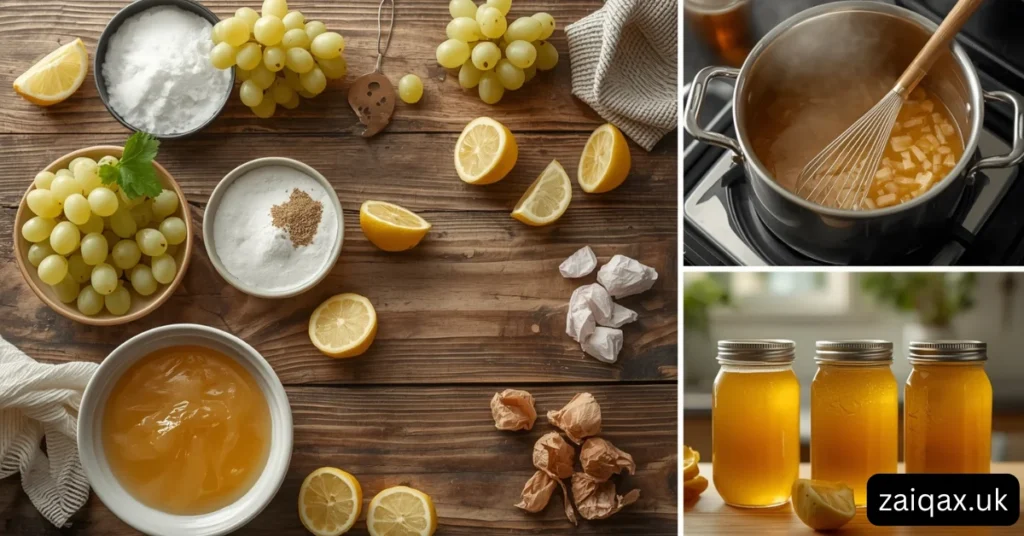
If you’ve ever tasted homemade jelly, you know there’s nothing quite like it. Making your own white grape jelly is not just fun—it’s an experience that rewards you with a sweet, smooth, and flavorful treat. With the right technique and a bit of patience, you can create a jelly that rivals anything in the store. This step-by-step white grape jelly recipe will guide you from selecting the grapes to sealing your jars for long-lasting enjoyment.
Whether you’re a beginner in the kitchen or a seasoned home cook, this guide ensures sweet success every time.
Why White Grape Jelly Is a Kitchen Favorite
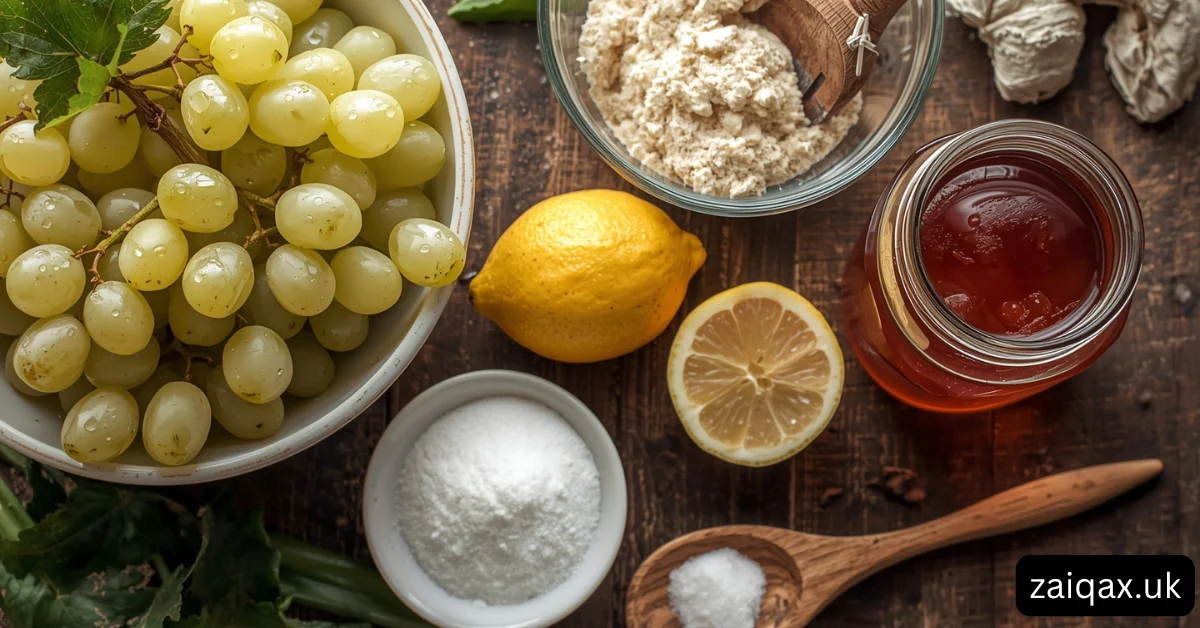
White grape jelly stands out for its delicate flavor and versatility. Unlike darker grape varieties, white grapes offer a lighter sweetness and subtle aroma that pairs perfectly with toast, sandwiches, desserts, and even cheese platters.
Some reasons people love making white grape jelly at home include:
- Natural Sweetness: No need for excessive sugar—the grapes provide a mild, natural flavor.
- Homemade Quality: You control every ingredient, ensuring freshness and purity.
- Gift-Worthy: Homemade jelly makes a perfect gift for friends and family.
- Versatility: Use it in cooking, baking, or as a simple spread.
With this in mind, let’s move on to the heart of the recipe—the ingredients.
Ingredients for White Grape Jelly
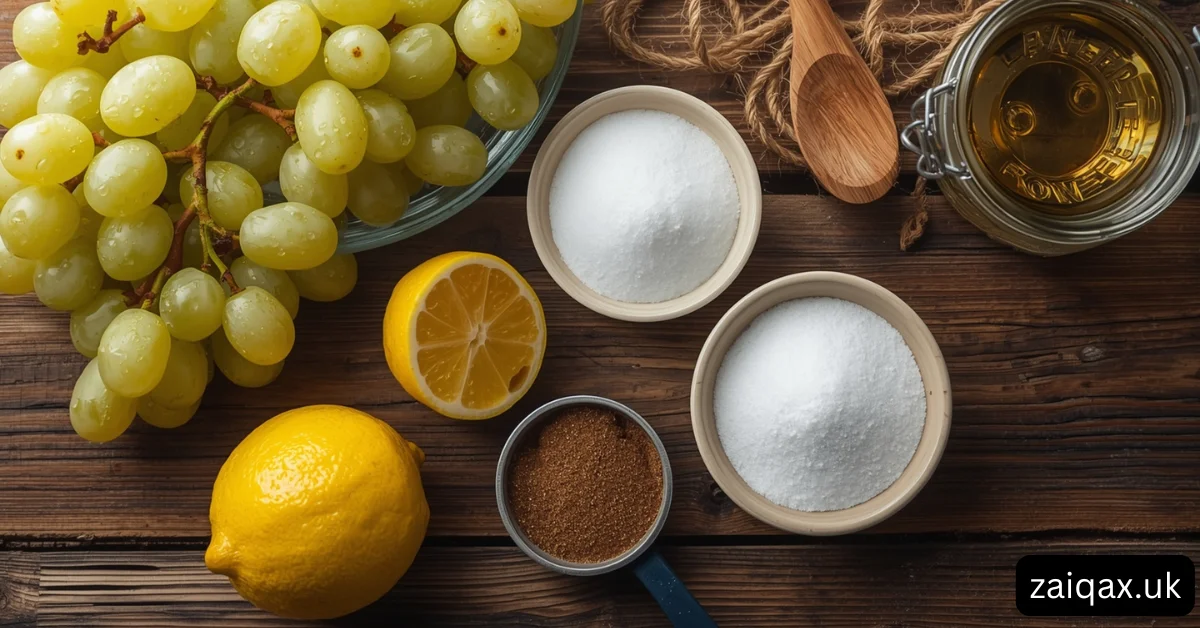
To make this white grape jelly recipe, you’ll need fresh, high-quality grapes and a few pantry staples. Here’s the list:
- 4 pounds of white grapes (seedless varieties like Thompson or Concord work best)
- 4 cups granulated sugar
- 1/4 cup lemon juice (freshly squeezed is ideal)
- 1 packet fruit pectin (powdered or liquid, depending on preference)
- Optional: pinch of butter (to reduce foam during cooking)
Tip: Always wash grapes thoroughly and remove any stems or spoiled fruits. Fresh, ripe grapes make all the difference in flavor.
Equipment You’ll Need
Making jelly requires some basic kitchen tools. For this step-by-step guide, make sure you have:
- Large stockpot or saucepan
- Potato masher or blender
- Fine mesh strainer or jelly bag
- Measuring cups and spoons
- Wooden spoon
- Candy thermometer (optional but helpful)
- Sterilized jars with lids
Using the right equipment ensures smooth, clear jelly and avoids any surprises in texture or flavor.
Step 1: Preparing the Grapes
The first step in making white grape jelly is preparing your fruit.
- Wash the grapes thoroughly under cold running water.
- Remove stems and discard any bruised or overripe grapes.
- Place the grapes in a large stockpot and crush them using a potato masher. Crushing helps release the natural juice, which is essential for a flavorful jelly.
Pro Tip: If you prefer a smoother jelly, blend the grapes in a food processor before cooking. This reduces cooking time and helps extract more juice.
Step 2: Cooking the Grapes
Once your grapes are crushed, it’s time to cook:
- Place the crushed grapes in a large stockpot over medium heat.
- Add the lemon juice. The acid in lemon juice helps the pectin set and balances the sweetness.
- Bring the mixture to a gentle boil, stirring occasionally.
- Reduce heat and simmer for about 10–15 minutes until the grapes are soft and have released enough juice.
Step 3: Extracting the Juice
Now that your grapes are cooked, you’ll need to separate the juice from the pulp. This is crucial for clear jelly.
- Pour the cooked grapes through a fine mesh strainer or jelly bag.
- Press gently with a spoon to extract as much juice as possible. Avoid pressing too hard if you want crystal-clear jelly, as this can force pulp and seeds through.
You should now have a bowl of fragrant, golden grape juice ready for the next step.
Step 4: Preparing the Jelly Mixture
With the juice ready, it’s time to mix in sugar and pectin:
- Pour the grape juice into a clean stockpot.
- Stir in the fruit pectin according to the package instructions. Some pectins require you to mix with sugar first; check your specific type.
- Add the sugar gradually, stirring constantly.
Tip: Using a wooden spoon prevents the mixture from sticking to the bottom.
Step 5: Boiling to Perfection
Boiling is the most critical step for ensuring your jelly sets perfectly:
- Bring the grape juice, sugar, and pectin mixture to a rolling boil over medium-high heat.
- Stir constantly to prevent scorching.
- Boil for 1–2 minutes (or as recommended on the pectin package).
A rolling boil is when the liquid is boiling powerfully and cannot be stirred down. This ensures proper gelling.
Step 6: Skimming Foam
During boiling, foam may form on the surface. While harmless, it can affect the clarity of your jelly:
- Use a spoon to gently skim off foam.
- Optionally, add a small pinch of butter to reduce foam formation.
This small step makes your white grape jelly look professionally clear and polished.
Step 7: Canning and Storing
Proper storage is essential to preserve your jelly for months:
- Pour the hot jelly into sterilized jars, leaving about 1/4 inch of headspace.
- Wipe jar rims clean and seal with lids.
- Process jars in a boiling water bath for 10 minutes to ensure they are airtight.
- Remove and let cool completely.
Storage Tip: Store sealed jars in a cool, dark place. Once opened, keep refrigerated and use within a few weeks.
Step 8: Enjoying Your White Grape Jelly
Now comes the fun part—tasting! Your white grape jelly can be enjoyed in various ways:
- Spread on toast, muffins, or bagels
- Used as a filling for cakes and pastries
- Paired with cheeses for a sweet-savory contrast
- Glazed over roasted fruits or meats
Its smooth texture and delicate sweetness make it a versatile kitchen favorite.
Tips for Sweet Success
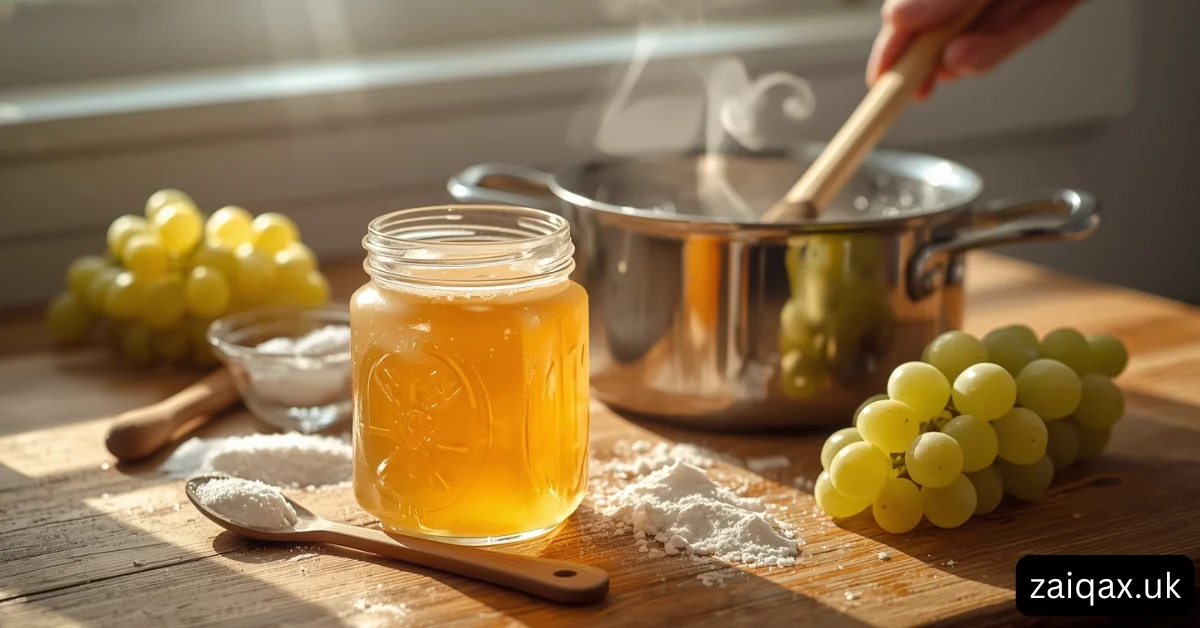
To ensure every batch of white grape jelly is perfect, keep these tips in mind:
- Use ripe grapes: Sweet, fully ripe grapes yield the best flavor.
- Measure perfectly: Jelly is a chemistry experiment; proper sugar-to-juice ratios matter.
- Follow pectin instructions: Different brands may vary—don’t skip this.
- Avoid overcooking: Overcooking can make jelly too thick or alter the flavor.
- Sterilize jars: This prevents spoilage and extends shelf life.
Variations to Try
Once you’ve mastered the classic white grape jelly, you can experiment with flavors:
- Mint-Infused Jelly: Add a few fresh mint leaves during cooking for a refreshing twist.
- Spiced Jelly: Incorporate cinnamon or ginger for a warming flavor.
- Mixed Fruit Jelly: Blend white grapes with apples or pears for a unique taste.
These variations can elevate your homemade jelly and make it a standout gift or treat.
Troubleshooting Common Issues
Even experienced cooks sometimes face jelly setbacks. Here’s how to fix common problems:
- Jelly Won’t Set: Add more pectin or ensure proper sugar ratio. Also, check acidity with lemon juice.
- Jelly Too Runny: Boil a little longer to concentrate the juice.
- Cloudy Jelly: Avoid pressing pulp too hard; strain carefully.
- Crystals Forming: Make sure sugar dissolves completely and don’t stir after setting starts.
With patience and attention, these problems are easily solved.
Why Homemade Jelly Beats Store-Bought
While store-bought jelly is convenient, homemade white grape jelly offers unbeatable advantages:
- Pure Ingredients: No artificial flavors or preservatives.
- Custom Sweetness: Adjust sugar to taste.
- Creative Freedom: Experiment with flavors and textures.
- Satisfaction: There’s something magical about creating a jar of jelly from scratch.
Serving Suggestions
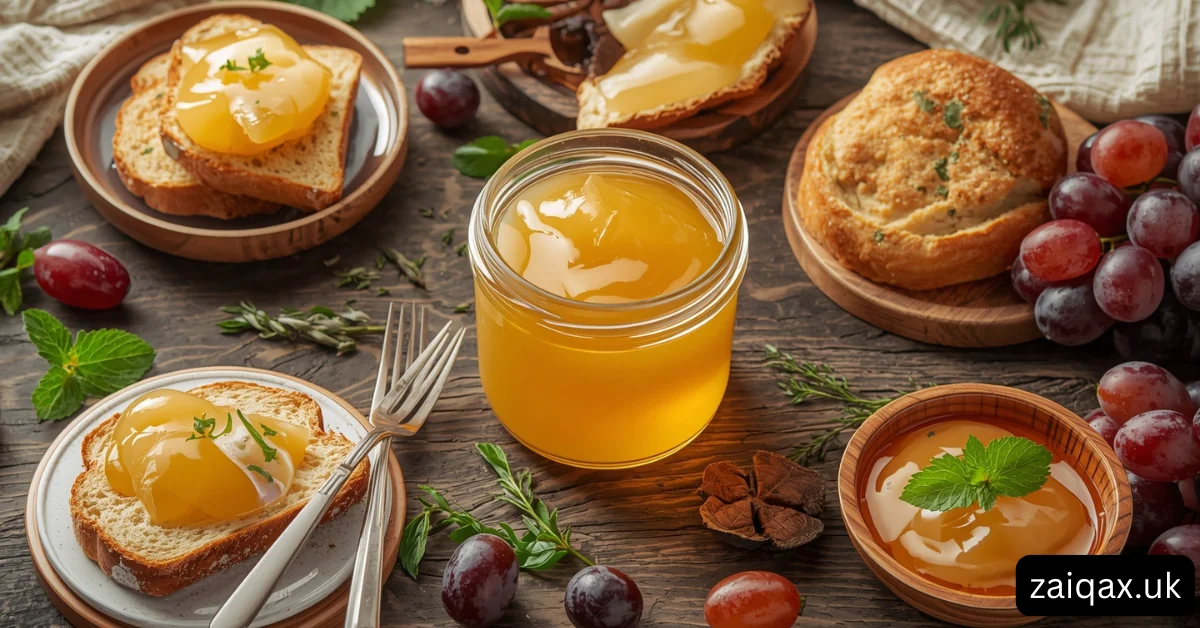
To make the most of your white grape jelly, consider these serving ideas:
- Breakfast: Spread on toast or swirl into yogurt.
- Snacks: Pair with crackers and cheese for a savory-sweet treat.
- Desserts: Use as a filling for tarts, pastries, and cakes.
- Gifts: Package in small jars with ribbons for friends and family.
The possibilities are endless, making your jelly a versatile kitchen staple.
Conclusion
Making white grape jelly at home is a rewarding process that combines simple ingredients with careful technique. By following this step-by-step guide, you’ll not only create a delicious, smooth jelly but also gain the confidence to experiment with flavors and styles.
From selecting the right grapes to the final jar of glossy jelly, each step to present sweet success. Homemade jelly is more than just food—it’s a gift of time, care, and flavor.
So roll up your sleeves, gather your ingredients, and dive into this delightful culinary adventure. Your homemade white grape jelly will be the star of breakfasts, snacks, and desserts for months to come.
FAQS
Can I use fresh or frozen white grapes for jelly?
– Yes, both fresh and frozen white grapes work well for jelly.
Do I need to peel the grapes before making jelly?
– Peeling is optional, but leaving skins adds natural pectin and color.
How long does white grape jelly last?
– Properly sealed, it can last up to a year in a cool, dark place.
Can I make jelly without added pectin?
– Yes, but it may take longer to set and might be slightly softer.
Should I add sugar before or after cooking the grapes?
– Add sugar after cooking and straining the grape juice for best results.