
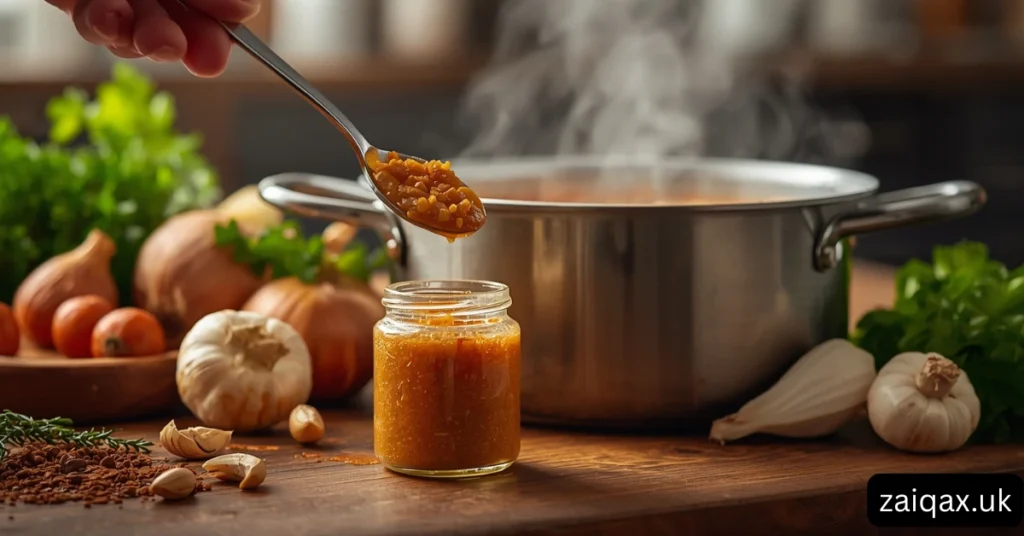
If you’ve ever wondered how some dishes have that irresistible, rich, umami-packed taste, the secret often lies in yeast extracts. These ingredients have become a kitchen staple for home cooks and professional chefs alike, offering a natural way to elevate flavors without adding extra salt or artificial additives. In this guide, we’ll explore everything you need to know about using yeast extracts for savoury flavor recipes—from what they are to practical cooking tips and recipe ideas.
What Are Yeast Extracts?
Yeast extracts are natural ingredients derived from yeast cells, most commonly from baker’s yeast or brewer’s yeast. During the production process, yeast cells are broken down to release amino acids, vitamins, and minerals. This creates a concentrated paste or powder that is rich in umami, which is the savory taste often described as the “fifth taste,” alongside sweet, sour, salty, and bitter.
Unlike artificial flavor enhancers, yeast extracts are naturally occurring and can add depth and richness to dishes without relying on high levels of salt or sugar. They are commonly used in soups, sauces, gravies, marinades, and even vegetarian or vegan recipes where traditional meat-based flavors are missing.
Why Yeast Extracts Enhance Savoury Flavors

The magic of yeast extracts lies in glutamates, naturally occurring compounds that stimulate the taste receptors on your tongue. These compounds give foods a meaty, savory depth that makes simple ingredients taste more complex. Some key benefits of using yeast extracts include:
- Umami Boost – Intensifies flavor naturally.
- Reduced Salt Requirement – Helps cut down on sodium while keeping food flavorful.
- Vegetarian-Friendly – Adds meaty flavor without animal products.
- Versatility – Works in a variety of dishes, from stews to spreads.
By understanding these benefits, home cooks can unlock a new level of flavor in everyday meals.
Types of Yeast Extracts
Not all yeast extracts are the same. Choosing the right type can make a big difference in your recipes. The most common forms include:
- Paste – Thick and concentrated, ideal for spreading on toast or blending into sauces.
- Powder – Easy to sprinkle or mix into dry rubs, soups, and seasoning blends.
- Liquid – Convenient for adding directly to soups, gravies, or marinades.
Each type has its own advantages, and experimenting with different forms can help you find the best way to incorporate yeast extracts into your cooking.
How to Use Yeast Extracts in Cooking
The key to using yeast extracts successfully is balance. Too much can make a dish overly strong or bitter, while too little might not create the desired umami effect. Here are some practical tips:
1. Start Small
A little yeast extract goes a long way. Begin with a teaspoon or less for soups, sauces, and gravies. Taste as you go, and adjust gradually.
2. Pair With Other Flavors
Yeast extracts work best when combined with complementary ingredients like garlic, onion, mushrooms, soy sauce, or tomato paste. These flavors naturally enhance the umami effect.
3. Incorporate Into Marinades
Marinades for vegetables, tofu, or meats can benefit from a teaspoon of yeast extract. It adds depth that penetrates the ingredients during cooking, enhancing flavor naturally.
4. Mix Into Soups and Stews
Yeast extracts dissolve easily in hot liquids, making them perfect for enriching soups, stews, and broths. Add toward the end of cooking to preserve maximum flavor.
5. Use as a Spread
Yeast extract pastes are popular as spreads on toast or crackers, often paired with butter, avocado, or cheese. This is a simple way to enjoy the savory taste without cooking.
Yeast Extracts in Vegetarian and Vegan Cooking
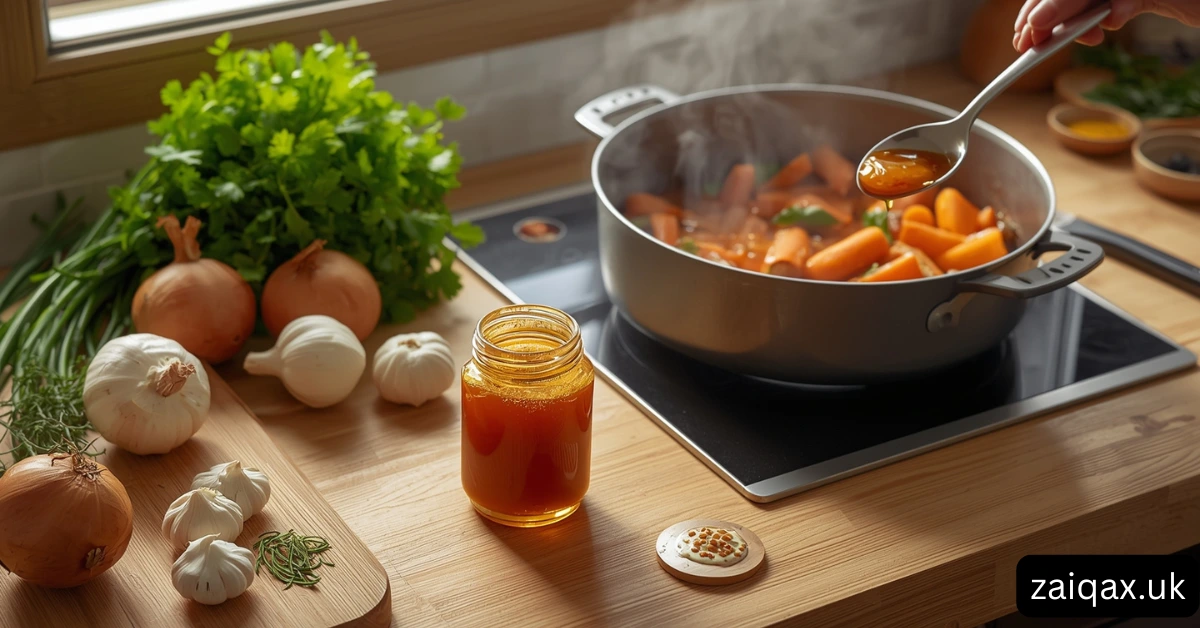
One of the biggest advantages of yeast extracts is that they are plant-based. In vegetarian and vegan cooking, they are a game-changer for creating depth in dishes that traditionally rely on meat.
- Soups and Broths: A teaspoon of yeast extract can transform a simple vegetable broth into a rich, satisfying soup.
- Vegan Cheeses: Yeast extract adds cheesy, nutty flavor to plant-based cheese sauces.
- Meat Alternatives: Enhance tofu, tempeh, and seitan with yeast extract to mimic savory, meaty notes.
By integrating yeast extracts thoughtfully, plant-based dishes can reach flavor levels often reserved for meat-based recipes.
Common Recipes Using Yeast Extracts
Here are some practical ways to use yeast extracts in your kitchen:
- Savory Mushroom Soup – Boost the umami flavor of mushrooms with a teaspoon of yeast extract.
- Vegetable Stir-Fry – Add powder to your sauce for a richer taste without soy sauce overload.
- Mashed Potatoes – Stir in a small amount of paste for creamy, deeply flavorful potatoes.
- Homemade Gravy – Perfect for vegetarian gravies; yeast extract adds that meaty punch.
- Nutty Spread – Mix paste with butter or plant-based alternatives for toast toppings.
Experimentation is key. Adjusting amounts and combinations allows you to discover your preferred flavor balance.
Tips for Storing and Handling Yeast Extracts
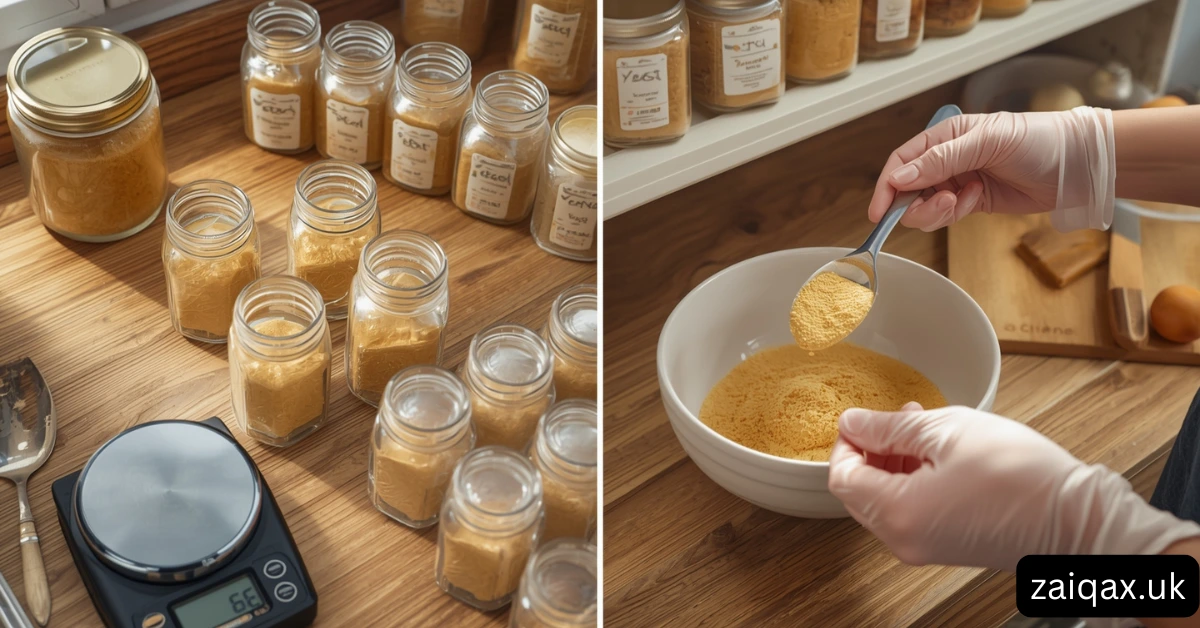
Yeast extracts are generally long-lasting if stored correctly. Here are some storage tips:
- Keep Paste and Liquid in the Fridge – Helps maintain freshness and prevent spoilage.
- Store Powder in a Cool, Dry Place – Avoid moisture, which can cause clumping.
- Seal Tightly After Each Use – Limits air exposure and preserves flavor.
By following these simple tips, yeast extracts can remain a reliable pantry staple for months.
Mistakes to Avoid When Using Yeast Extracts
Even though yeast extracts are versatile, misuse can lead to disappointing results. Here’s what to watch out for:
- Using Too Much – Can overpower other flavors and create bitterness.
- Adding Early in Cooking – Some types lose flavor if boiled for too long; add near the end.
- Ignoring Complementary Ingredients – Pairing with onions, garlic, or tomatoes enhances the natural umami.
Being mindful of these common mistakes will ensure your dishes are always rich and balanced.
Health Considerations
Yeast extracts are generally safe for most people. However, there are a few considerations:
- Sodium Content – Some commercial yeast extracts contain added salt. Check labels if you are monitoring sodium intake.
- Glutamate Sensitivity – While naturally occurring glutamates are safe, individuals sensitive to MSG may need to consume in moderation.
- Allergies – Rarely, people may have yeast allergies; consult your doctor if unsure.
Overall, yeast extracts provide a natural, flavorful way to enhance recipes without relying on artificial additives.
Why Chefs Love Yeast Extracts

Professional chefs often rely on yeast extracts to:
- Enhance sauces and soups with minimal effort.
- Add depth to vegetarian and vegan dishes.
- Reduce salt while maintaining robust flavor.
- Maintain consistency in flavor across multiple batches of a dish.
This versatility makes yeast extracts a hidden secret in many kitchens around the world.
Conclusion
The secret to using yeast extracts for savoury flavor recipes lies in understanding their power and balance. From boosting umami in vegetarian soups to enriching gravies, marinades, and spreads, yeast extracts provide a natural and versatile way to create rich, mouthwatering dishes.
By starting small, experimenting with combinations, and storing them correctly, anyone can transform ordinary meals into extraordinary culinary experiences. Whether you’re a home cook or a seasoned chef, yeast extracts are a simple yet powerful tool to elevate flavor, reduce salt, and unlock the full potential of your recipes.
Embrace this secret ingredient and start experimenting—your taste buds will thank you.
FAQS
What is yeast extract?
Yeast extract is a concentrated, savory ingredient made from deactivated yeast, rich in umami flavor.
How is yeast extract used in cooking?
It’s commonly added to soups, sauces, stews, and spreads to enhance savory taste.
Is yeast extract vegetarian?
Yes, it is plant-based and suitable for vegetarian and vegan diets.
Does yeast extract contain gluten?
Most pure yeast extracts are gluten-free, but always check labels to be sure.
Can yeast extract replace salt in recipes?
It can reduce the need for salt by adding depth and umami without extra sodium.