
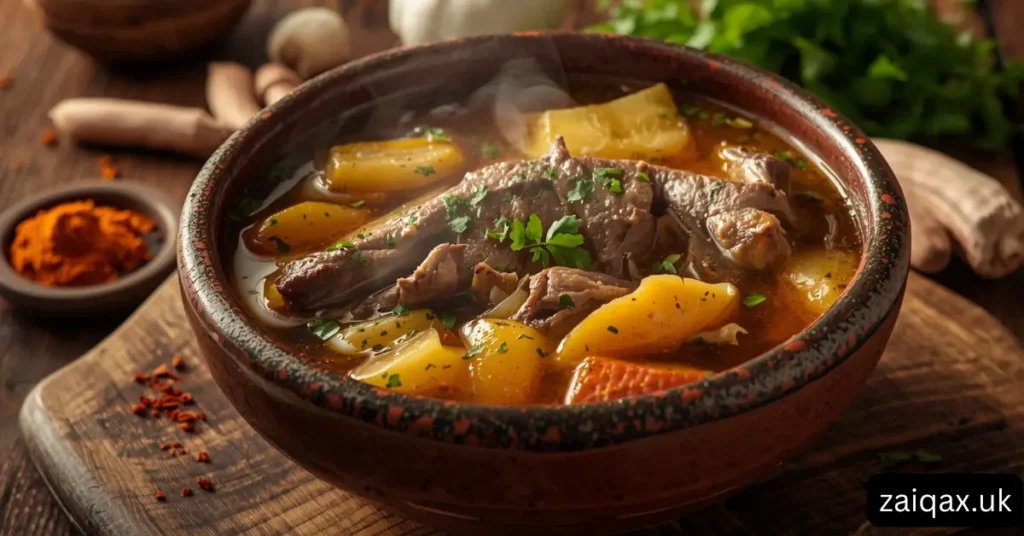
Yemenite soup is one of those deeply comforting dishes that feels both nourishing and flavorful at the same time. Known for its fragrant spices, golden broth, and slow-simmered goodness, this traditional soup has become beloved far beyond its place of origin. If you are searching for a homemade Yemenite soup recipe with rich broth, you are in the right place.
This guide will walk you through everything — from ingredients and cooking techniques to flavor secrets and common mistakes — in a simple, easy-to-follow way. Whether you are new to Yemenite cooking or already a fan of Middle Eastern soups, you will find practical tips to help you create a truly satisfying bowl of soup at home.
What Is Yemenite Soup?
Yemenite soup is a traditional dish associated with Yemenite Jewish cuisine, but it has become widely popular in many parts of the world. The soup is famous for its aromatic spice blend, typically featuring turmeric, cumin, black pepper, and the distinctive hawaij spice mix.
Unlike many light broths, Yemenite soup is valued for its deep, rich broth that develops through slow cooking. It is commonly prepared with beef or chicken, along with vegetables such as potatoes, carrots, onions, and sometimes squash or celery.
What makes this soup special is the balance between warmth, spice, and comfort. It is not overwhelmingly hot or spicy, but gently fragrant and incredibly soothing.
Why This Homemade Yemenite Soup Recipe Stands Out
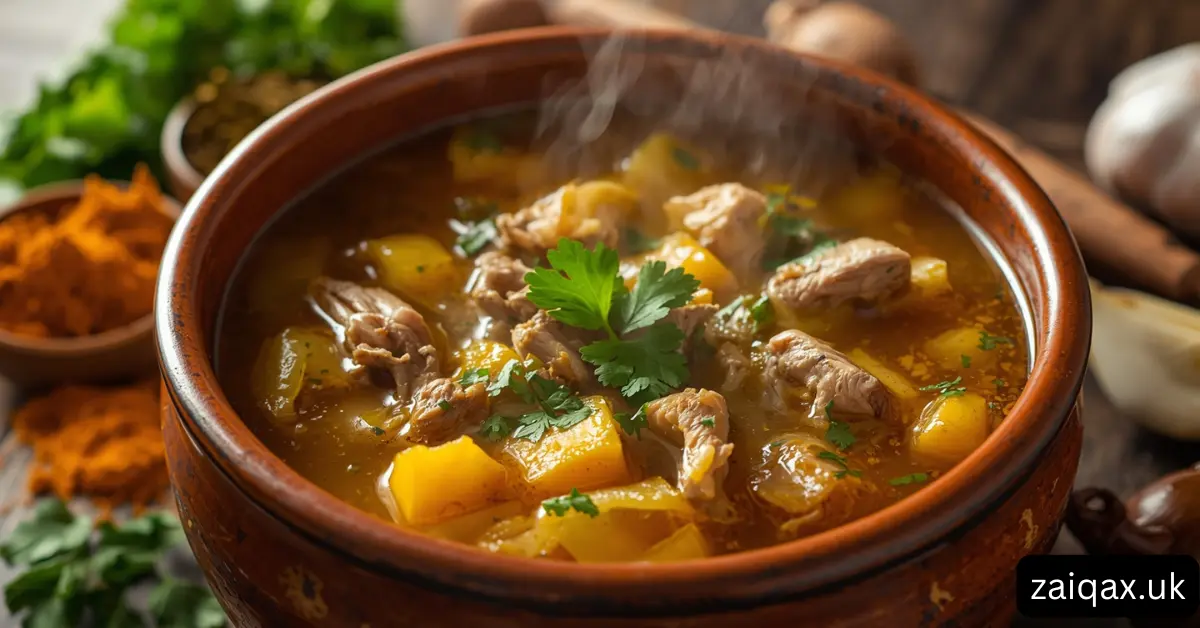
Many people try Yemenite soup in restaurants but struggle to recreate that same rich taste at home. The secret lies not only in the spices but also in technique.
This recipe focuses on:
- Building a naturally rich broth
- Extracting maximum flavor from bones and meat
- Proper spice usage
- Slow simmering for depth
- Balanced seasoning
By understanding these elements, you can consistently make a flavorful Yemenite soup that tastes authentic and satisfying.
Key Ingredients for Yemenite Soup
Before cooking, it is important to understand the purpose of each ingredient. Yemenite soup is simple, but every component gives to the final flavor.
1. Meat (Beef or Chicken)
Traditionally, beef is used for a heartier soup, while chicken offers a lighter variation. Beef with bones is especially good for achieving a rich broth.
Best beef cuts for Yemenite soup:
- Beef shank
- Short ribs
- Bone-in stew meat
- Neck bones
For chicken soup:
- Whole chicken pieces
- Chicken thighs
- Bone-in chicken
Bones are essential for depth and body in the broth.
2. Hawaij Spice Blend
Hawaij is the signature seasoning of Yemenite soup. It typically contains:
- Turmeric
- Cumin
- Black pepper
- Cardamom
Some variations include coriander or cloves.
This spice blend gives the soup its golden color and warm aroma.
3. Onions
Onions provide sweetness and foundational flavor. They slowly break down during cooking and enrich the broth naturally.
4. Garlic
Garlic adds warmth and savory depth. It works beautifully with turmeric and cumin.
5. Vegetables
Classic vegetables include:
- Potatoes
- Carrots
- Celery
- Zucchini or squash
Vegetables absorb the spices and help balance the richness of the broth.
6. Fresh Herbs (Optional)
Some cooks add cilantro or parsley for freshness.
7. Salt and Pepper
Seasoning is critical. Under-seasoned Yemenite soup will taste flat anyway of spices.
The Secret to a Rich Yemenite Soup Broth
Many people assume the spices alone create richness, but the broth is actually built through slow extraction of flavor from meat and bones.
To achieve a deeply satisfying broth:
- Use bone-in meat
- Cook slowly, never rushing the simmer
- Avoid boiling aggressively
- Skim impurities for clarity
- Season gradually
A rushed soup will lack depth.
Homemade Yemenite Soup Recipe With Rich Broth
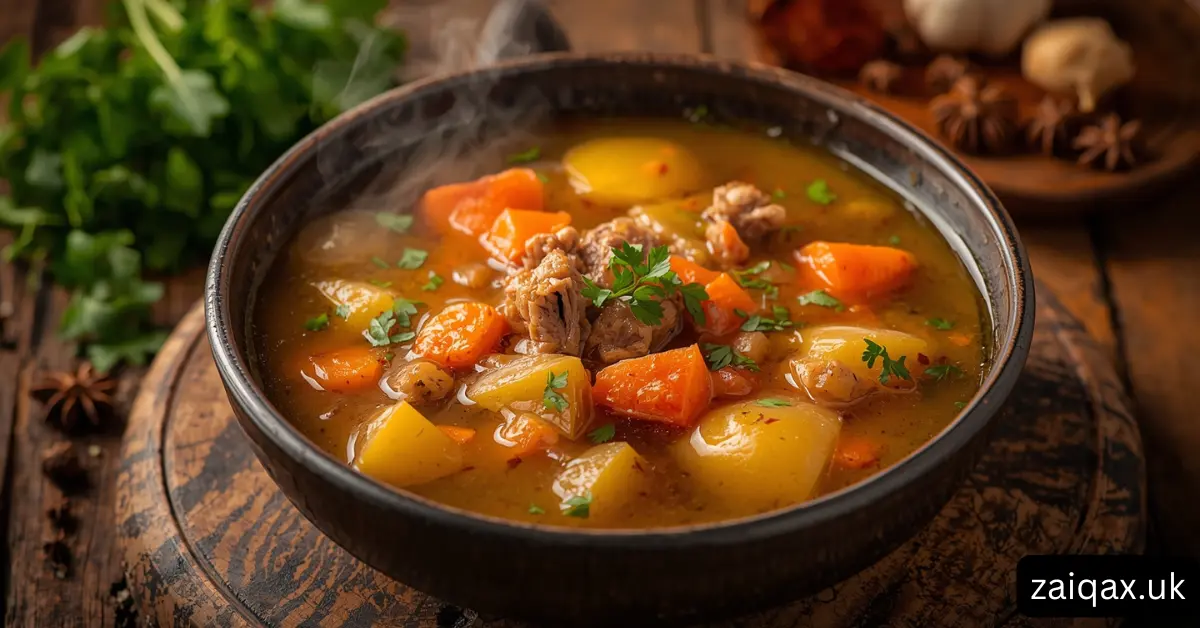
Let’s move step-by-step through the cooking process.
Ingredients
- 700–900 g beef (bone-in preferred) or chicken
- 2 large onions, chopped
- 4 cloves garlic, minced
- 2 carrots, sliced
- 2–3 potatoes, cubed
- 2 celery stalks, chopped
- 1 zucchini or squash (optional)
- 1½ tablespoons hawaij spice blend
- 1 teaspoon ground black pepper
- Salt to taste
- 2 tablespoons oil
- 2.5–3 liters water
- Fresh cilantro or parsley (optional)
Step 1: Sauté the Aromatics
Heat oil in a large pot over medium heat.
Add onions and cook slowly until soft and slightly golden. This step builds flavor, so do not rush. Properly cooked onions add natural sweetness and body.
Add garlic and stir briefly.
Step 2: Add Spices
Sprinkle the hawaij spice blend into the pot. Stir gently to release the aromas. Cooking spices in oil enhances their flavor dramatically.
You will notice the color deepen — this is exactly what you want.
Step 3: Add Meat
Place the meat into the pot and coat it with the onion and spice mixture. Light browning is beneficial but not required.
Step 4: Add Water
Pour in water and increase heat until the soup begins to simmer.
Avoid strong boiling.
Step 5: Skim the Surface
As the soup heats, foam or impurities may appear. Skim gently using a spoon. This improves both clarity and taste.
Step 6: Slow Simmering
Reduce heat to low and let the soup simmer gently for at least 60–90 minutes (longer for beef).
Slow cooking extracts collagen and flavor, creating a rich broth.
Step 7: Add Vegetables
Add potatoes, carrots, celery, and other vegetables.
Continue simmering until vegetables are tender.
Step 8: Seasoning
Add salt gradually. Taste and adjust.
Proper seasoning transforms the soup.
Step 9: Final Touch
Add fresh herbs if desired.
Serve hot.
Flavor Variations for Yemenite Soup
One of the joys of Yemenite soup is its flexibility.
Chicken Yemenite Soup
Swap beef for bone-in chicken. Cooking time reduces slightly, but the spice profile remains wonderful.
Vegetarian Yemenite Soup
Replace meat with:
- Chickpeas
- Lentils
- Root vegetables
Use a slow simmer and slightly increase spices for depth.
Spicier Version
Add:
- Extra black pepper
- Chili flakes
- Fresh chili
Extra Rich Broth
For deeper richness:
- Add marrow bones
- Extend simmering time
- Allow soup to rest before serving
Common Mistakes to Avoid

1. Boiling Too Hard
Aggressive boiling makes broth cloudy and can toughen meat.
2. Insufficient Simmering Time
Flavor needs time to develop.
3. Under-Seasoning
Spices do not replace salt.
4. Adding Too Many Ingredients
Yemenite soup shines through simplicity.
5. Skipping the Onion Base
Onions are essential for depth.
Serving Ideas
Yemenite soup pairs beautifully with:
- Fresh bread
- Flatbread
- Rice
- Simple salads
Some enjoy it with a spicy condiment or herb sauce.
Storage and Reheating Tips
Yemenite soup often tastes even better the next day.
Refrigeration: Up to 3–4 days
Freezing: Excellent for long-term storage
Reheat gently to preserve texture.
Health and Comfort Benefits

Yemenite soup is valued not only for taste but also for its comforting qualities.
- Warm spices support digestion
- Broth is deeply soothing
- Slow-cooked soups are satisfying
Many people consider it ideal during cold weather or when seeking nourishing meals.
Understanding the Role of Hawaii
Hawaii is central to Yemenite soup’s identity. Without it, the soup loses its signature warmth.
Balanced usage is key — too little tastes bland, too much may overpower.
Texture and Broth Consistency
A proper Yemenite soup broth should be:
- Light yet rich
- Aromatic
- Golden in color
- Smooth on the palate
If the soup feels thin, extend cooking time.
Cooking Techniques That Improve Flavor
Low Heat Cooking
Gentle heat preserves clarity and taste.
Layering Flavors
Cooking onions → spices → meat → broth builds complexity.
Patience
The most underrated ingredient.
Final Thoughts
Making a homemade Yemenite soup recipe with rich broth is less about complexity and more about understanding fundamentals. With good ingredients, proper spice balance, and patient simmering, you can create a soup that feels deeply comforting and full of character.
Yemenite soup is proof that simple cooking can produce amazing flavor. Once you master the technique, this soup can easily become a regular part of your kitchen repertoire — perfect for family meals, cold days, or whenever you crave something warm and nourishing.
Enjoy the process, trust the simmer, and savor every bowl.
FAQS
What is Yemenite soup traditionally made with?
Yemenite soup typically uses beef or chicken, root vegetables, and hawaij spice blend.
What gives Yemenite soup its distinct flavor?
The signature taste comes from hawaij, a spice mix common in Yemen cuisine.
Can Yemenite soup be made vegetarian?
Yes, you can omit the meat and use vegetable broth with the same spices.
Is Yemenite soup spicy?
It is aromatic and warm rather than hot, though spice levels can be adjusted
How long does Yemenite soup keep in the fridge?
Properly stored, it usually stays fresh for 3 to 4 days.