
Side Dishes

10 Best Whole Thirty Crock Pot Recipes You Must Try Today

10 Best Whole Thirty Crock Pot Recipes You Must Try Today

If you’re on the Whole30 program or just trying to eat clean, meal planning can sometimes feel overwhelming. The good news is, crock pot recipes can make your life much easier. They are perfect for busy days, require minimal prep, and often taste better the next day. To help you stay on track with your Whole30 lifestyle, we’ve compiled a list of the 10 best Whole Thirty crock pot recipes you must try today. These recipes are flavorful, wholesome, and simple enough for beginners or experienced cooks alike. What is Whole30 and Why Use a Crock Pot? Whole30 is a 30-day nutrition program that focuses on real, unprocessed foods. It eliminates sugar, alcohol, grains, legumes, soy, and dairy to help you reset your body, reduce cravings, and improve overall health. The crock pot, also known as a slow cooker, is a perfect tool for Whole30 recipes because it allows you to cook meals slowly over several hours. This slow cooking method locks in flavor, tenderizes meats, and lets you prepare healthy meals without spending hours in the kitchen. Benefits of Whole30 Crock Pot Recipes Time-Saving: Simply prep ingredients, add them to the crock pot, and let it work its magic. Easy Cleanup: Most recipes require one pot, reducing the mess in your kitchen. Flavorful Meals: Slow cooking allows spices and herbs to penetrate deeply into meat and vegetables. Healthy Ingredients: You control everything you put in your meals, ensuring compliance with Whole30 rules. Versatile Options: From soups and stews to roasts and curries, crock pot recipes cover a variety of tastes and preferences. 1. Whole30 Crock Pot Chicken Curry Ingredients: 2 lbs chicken thighs, boneless and skinless 1 can coconut milk 2 tbsp curry powder 1 tsp turmeric 1 tsp garlic powder 1 onion, chopped 1 cup carrots, sliced 1 cup bell peppers, chopped Salt and pepper to taste Instructions: Place chicken in the crock pot. Add coconut milk, curry powder, turmeric, garlic, and onion. Toss in carrots and bell peppers. Cook on low for 6-7 hours. Serve with cauliflower rice for a complete Whole30 meal. Why You’ll Love It: The curry spices blend beautifully, making this dish rich, aromatic, and satisfying. 2. Crock Pot Whole30 Beef Stew Ingredients: 2 lbs beef stew meat 4 cups beef broth (Whole30 compliant) 3 large carrots, sliced 2 celery stalks, chopped 1 onion, diced 2 cloves garlic, minced 2 tsp thyme 1 tsp paprika Salt and pepper to taste Instructions: Brown beef in a skillet (optional but enhances flavor). Add beef and remaining ingredients to the crock pot. Cook on low for 7-8 hours. Adjust seasoning before serving. Why You’ll Love It: This stew is hearty and perfect for meal prep. Leftovers taste even better the next day. 3. Slow Cooker Whole30 Pulled Pork Ingredients: 3 lbs pork shoulder 1 cup Whole30 approved BBQ sauce 1 tbsp smoked paprika 1 tsp garlic powder 1 tsp onion powder Salt and pepper to taste Instructions: Season pork with spices. Place in the crock pot and pour BBQ sauce over the top. Cook on low for 8 hours. Shred pork with forks and mix with sauce. Why You’ll Love It: This pulled pork is perfect for lettuce wraps or a side of roasted vegetables. 4. Crock Pot Whole30 Chili Ingredients: 1 lb ground beef or turkey 1 zucchini, chopped 1 red bell pepper, diced 1 can diced tomatoes 1 cup beef or chicken broth 2 tsp chili powder 1 tsp cumin 1 tsp paprika Salt and pepper to taste Instructions: Brown meat in a skillet. Add meat and vegetables to the crock pot. Mix in broth, tomatoes, and spices. Cook on low for 5-6 hours. Why You’ll Love It: This chili is rich and filling without the beans, keeping it Whole30 compliant. 5. Whole30 Crock Pot Lemon Garlic Chicken Ingredients: 2 lbs chicken breasts or thighs 3 cloves garlic, minced Juice of 2 lemons 1 tsp paprika 1 tsp thyme 1 cup chicken broth Salt and pepper to taste Instructions: Combine all ingredients in the crock pot. Cook on low for 6 hours. Serve with steamed vegetables or mashed cauliflower. Why You’ll Love It: The lemon and garlic create a tangy, flavorful chicken that’s tender and juicy. 6. Crock Pot Whole30 Sausage and Peppers Ingredients: 1 lb Whole30 approved sausage 2 bell peppers, sliced 1 onion, sliced 2 cloves garlic, minced 1 cup tomato sauce (Whole30 compliant) 1 tsp oregano Salt and pepper to taste Instructions: Add all ingredients to the crock pot. Cook on low for 4-5 hours. Serve hot as a main dish or over cauliflower rice. Why You’ll Love It: This colorful dish is full of flavor and takes minimal effort. 7. Whole30 Crock Pot Ratatouille Ingredients: 1 eggplant, chopped 2 zucchini, sliced 1 bell pepper, chopped 1 onion, diced 2 cloves garlic, minced 2 cups tomato sauce (Whole30 compliant) 1 tsp basil 1 tsp oregano Salt and pepper to taste Instructions: Combine all vegetables and tomato sauce in the crock pot. Cook on low for 6 hours. Serve hot as a side or main dish. Why You’ll Love It: Ratatouille is a vegetable lover’s dream and a perfect way to sneak extra nutrients into your diet. 8. Crock Pot Whole30 Italian Meatballs Ingredients: 1 lb ground beef 1 lb ground pork 1 egg 1/2 cup almond flour 1 tsp garlic powder 1 tsp onion powder Salt and pepper to taste 2 cups Whole30 approved tomato sauce Instructions: Mix meat, egg, almond flour, and seasonings. Form into meatballs and place in the crock pot. Pour tomato sauce over the meatballs. Cook on low for 4-5 hours. Why You’ll Love It: These meatballs are juicy, flavorful, and perfect for an easy dinner with minimal effort. 9. Whole30 Crock Pot Thai Peanut Chicken Ingredients: 2 lbs chicken thighs 1/2 cup coconut milk 1/4 cup almond butter 2 tbsp coconut aminos 1 tsp ginger 1 clove garlic, minced 1 cup broccoli, chopped Salt and pepper to taste Instructions: Mix coconut milk, almond butter, coconut aminos,

10 Best Whole Thirty Crock Pot Recipes You Must Try Today Read More »

Easy Whole Wheat Sourdough Discard Recipes for Busy Home Bakers

Easy Whole Wheat Sourdough Discard Recipes for Busy Home Bakers

Sourdough baking is more than just a culinary trend—it’s a way to bring wholesome, homemade goodness into your kitchen. But what do you do with the extra sourdough starter you don’t use? Enter whole wheat sourdough discard recipes. These recipes are perfect for busy home bakers who want to reduce waste, save money, and enjoy delicious baked goods without the stress of daily bread baking. In this article, we’ll explore what sourdough discard is, why using whole wheat makes it even better, and share a variety of easy recipes that fit a busy lifestyle. What is Sourdough Discard? Before diving into recipes, it’s essential to understand what sourdough discard is. When you maintain a sourdough starter, you need to feed it regularly. Feeding involves adding fresh flour and water, which keeps your starter alive and active. Each feeding produces a portion of starter that you may not need for baking immediately. This unused portion is called sourdough discard. Discarding might sound wasteful, but in reality, it’s a treasure trove for baking. Sourdough discard has a mild, tangy flavor that enhances recipes without requiring additional leavening agents. Using it in cooking and baking is both practical and environmentally friendly. Why Choose a Whole Wheat Sourdough Discard? Whole wheat flour adds extra nutrition and flavor to your sourdough discard recipes. Here’s why: Rich in Fiber – Whole wheat flour contains bran and germ, giving your recipes more fiber than all-purpose flour. Better Flavor – The nutty, slightly sweet taste of whole wheat flour complements the tanginess of sourdough discard. Higher Nutrient Content – Whole wheat provides more vitamins and minerals, such as iron, magnesium, and B vitamins. More Satisfying – Baked goods made with whole wheat feel heartier and more filling, perfect for quick breakfasts or snacks. By combining whole wheat flour with sourdough discard, you get recipes that are not just tasty but also nourishing. How to Store and Use Whole Wheat Sourdough Discard Busy home bakers often want convenience, so here’s a simple guide to managing your sourdough discard: Refrigeration: Store discard in an airtight container in the fridge for up to two weeks. This slows fermentation and keeps it usable for multiple recipes. Freezing: For longer storage, freeze discard in small portions. Ice cube trays or silicone muffin molds work great. Thaw in the fridge overnight before using. Feeding Optional: For discard recipes, you don’t need to feed the starter before use. Just stir it to loosen any separation. Having ready-to-use discards on hand makes it easy to whip up quick baked treats or meals without planning ahead. Easy Whole Wheat Sourdough Discard Recipes Below are practical and easy recipes that busy home bakers can make using whole wheat sourdough discard. These recipes require minimal prep and maximize flavor and nutrition. 1. Whole Wheat Sourdough Pancakes Ingredients: 1 cup whole wheat sourdough discard 1 cup whole wheat flour 1 cup milk (dairy or plant-based) 1 egg 2 tablespoons melted butter or oil 2 tablespoons honey or maple syrup 1 teaspoon baking soda ½ teaspoon salt Instructions: In a bowl, mix discard, milk, and egg. Add flour, salt, and baking soda. Stir until just combined. Fold in melted butter and sweetener. Heat a nonstick skillet over medium heat. Pour batter and cook until bubbles form. Flip and cook until golden. Serve warm with your favorite toppings. Why it’s great for busy bakers: Minimal prep and a quick breakfast option using discard. 2. Whole Wheat Sourdough Discard Crackers Ingredients: 1 cup whole wheat sourdough discard 1 cup whole wheat flour 1/4 cup olive oil ½ teaspoon salt Optional herbs: rosemary, thyme, or sesame seeds Instructions: Preheat the oven to 350°F (175°C). Mix all ingredients into a smooth dough. Roll thin between two parchment papers. Cut into squares or rectangles. Bake for 15–20 minutes or until crisp. Cool completely before storing in an airtight container. Why it’s great for busy bakers: Make ahead and store for snacks; no yeast rising needed. 3. Whole Wheat Sourdough Discard Banana Bread Ingredients: 1 cup sourdough discard 1 cup whole wheat flour ½ cup sugar or coconut sugar 2 ripe bananas, mashed 1/4 cup vegetable oil 1 teaspoon vanilla extract ½ teaspoon salt 1 teaspoon baking soda Instructions: Preheat the oven to 350°F (175°C). Grease a loaf pan. Combine mashed bananas, discard, oil, and vanilla. In a separate bowl, mix flour, sugar, salt, and baking soda. Fold dry ingredients into wet until just combined. Pour into a loaf pan and bake for 45–55 minutes. Cool before slicing. Why it’s great for busy bakers: Use overripe bananas and discard, making a wholesome snack or breakfast. 4. Whole Wheat Sourdough Discard Muffins Ingredients: 1 cup sourdough discard 1 ½ cups whole wheat flour 1/2 cup sugar 1/3 cup oil 1/2 cup milk 1 egg 1 teaspoon baking soda 1/2 teaspoon salt Optional: blueberries, chocolate chips, or nuts Instructions: Preheat the oven to 375°F (190°C). Line a muffin tray with paper liners. Mix wet ingredients: discard, milk, oil, and egg. Combine dry ingredients in another bowl. Fold dry into wet and add optional mix-ins. Scoop into muffin cups and bake for 18–22 minutes. Cool slightly and enjoy. Why it’s great for busy bakers: Quick, single-bowl recipe perfect for meal prep. 5. Whole Wheat Sourdough Discard Pizza Dough Ingredients: 1 cup sourdough discard 2 cups whole wheat flour 1 teaspoon salt 1 tablespoon olive oil Instructions: Mix all ingredients into a soft dough. Roll out on a floured surface. Prebake at 400°F (200°C) for 8–10 minutes if desired. Add toppings and bake for another 10–15 minutes until golden. Why it’s great for busy bakers: No yeast needed, quick to prep, and perfect for weeknight meals. 6. Whole Wheat Sourdough Discard Waffles Ingredients: 1 cup sourdough discard 1 cup whole wheat flour 1 cup milk 1 egg 2 tablespoons oil or melted butter 1 teaspoon baking powder ½ teaspoon baking soda 1 tablespoon sugar Instructions: Preheat waffle iron. Mix discard, milk, and egg. Stir in flour, sugar, baking powder, and

Easy Whole Wheat Sourdough Discard Recipes for Busy Home Bakers Read More »

Simple Whole Wheat Penne Pasta Recipe – A Healthy and Delicious Family Favorite

Simple Whole Wheat Penne Pasta Recipe – A Healthy and Delicious Family Favorite

If you are looking for a healthy, filling, and easy dinner idea, this Simple Whole Wheat Penne Pasta Recipe is exactly what you need. It is packed with fiber, rich flavor, and wholesome ingredients that make it perfect for busy weeknights or relaxed weekend meals. Whole wheat penne is a smart alternative to regular pasta. It gives you more nutrients, better digestion support, and a slightly nutty taste that pairs beautifully with fresh vegetables, herbs, and light sauces. In this complete guide, you will learn: Why whole wheat penne is a healthier choice Step-by-step cooking instructions Sauce variations Nutrition benefits Storage and reheating tips Meal prep ideas Common mistakes to avoid Flavor upgrades Let’s dive in. What Is Whole Wheat Penne Pasta? Penne is a tube-shaped pasta with angled ends. The word “penne” means “quills” in Italian because of its shape. Unlike white pasta, whole wheat penne is made from the entire wheat kernel, including the bran and germ. This means it contains: More fiber More vitamins More minerals More natural flavor Whole wheat penne has a firm texture that holds sauces very well. It does not become mushy easily, which makes it perfect for beginners. Why Choose Whole Wheat Penne Over Regular Pasta? Many people switch to whole wheat pasta for health reasons. Here are the key benefits: 1. Higher Fiber Content Whole wheat penne contains more fiber than refined pasta. Fiber helps: Improve digestion Keep you full longer Support healthy blood sugar levels 2. Better Nutritional Value It contains important nutrients like: B vitamins Iron Magnesium Zinc 3. Richer Flavor Whole wheat penne has a slightly nutty and earthy taste. It pairs well with: Tomato-based sauces Garlic and olive oil Creamy vegetable sauces Lean protein like chicken or beans Simple Whole Wheat Penne Pasta Recipe Now let’s make the classic version that is quick, easy, and beginner-friendly. Ingredients 2 cups whole wheat penne pasta 1 tablespoon salt (for boiling water) 2 tablespoons olive oil 3 cloves garlic (minced) 1 cup cherry tomatoes (halved) 1 cup spinach (fresh) ½ teaspoon black pepper ½ teaspoon dried oregano ¼ teaspoon red chili flakes (optional) ¼ cup grated Parmesan cheese Fresh basil for garnish Step-by-Step Instructions Step 1: Boil the Pasta Fill a large pot with water. Add salt and bring to a rolling boil. Add whole wheat penne. Cook according to package instructions (usually 9–12 minutes). Stir sometimes to prevent sticking. Drain the pasta but reserve ½ cup of pasta water. Tip: Do not overcook. Whole wheat pasta should be firm (al dente). Step 2: Prepare the Sauce Base Heat olive oil in a large pan over medium heat. Add minced garlic. Sauté for 30 seconds until fragrant (do not burn). Add cherry tomatoes and cook until soft. Step 3: Add Vegetables and Seasoning Add spinach and cook until wilted. Sprinkle oregano, black pepper, and chili flakes. Stir well. Step 4: Combine Everything Add drained pasta into the pan. Mix gently to coat the pasta evenly. Add a little reserved pasta water if needed for moisture. Sprinkle Parmesan cheese. Step 5: Garnish and Serve Top with fresh basil and extra cheese if desired. Your simple whole wheat penne pasta is ready to enjoy. Nutrition Benefits of This Recipe This recipe is balanced and nutritious. Whole Wheat Penne Complex carbohydrates High fiber Steady energy release Olive Oil Healthy fats Good for heart health Garlic Supports immunity Anti-inflammatory properties Spinach Rich in iron Packed with antioxidants Tomatoes High in vitamin C Source of lycopene This meal supports digestion, energy levels, and overall wellness. Easy Sauce Variations If you want to change flavors, try these variations. 1. Creamy Yogurt Sauce Mix: ½ cup plain Greek yogurt 1 tablespoon lemon juice 1 teaspoon garlic powder Stir into warm pasta for a creamy but healthy sauce. 2. Classic Tomato Sauce Use crushed tomatoes, garlic, onion, and basil for a rich traditional flavor. 3. Pesto Whole Wheat Penne Blend: Fresh basil Olive oil Garlic Parmesan Nuts (optional) Toss with pasta for a fresh herb taste. 4. Protein Boost Version Add: Grilled chicken Shrimp Chickpeas Tofu This makes the dish more filling and balanced. Meal Prep Tips This simple whole wheat penne pasta recipe is perfect for meal prep. How to Store Keep in an airtight container Refrigerate up to 4 days How to Reheat Add a splash of water Heat on stove or microwave Stir halfway through Can You Freeze It? Yes, but texture may soften slightly. Freeze for up to 2 months. Common Mistakes to Avoid 1. Overcooking the Pasta Whole wheat pasta becomes mushy if overcooked. 2. Not Salting the Water Salt improves flavor deeply. 3. Skipping Pasta Water Reserved water helps create a silky sauce. 4. Using Too Much Sauce Whole wheat pasta absorbs more sauce than white pasta. How to Make It Kid-Friendly Reduce chili flakes Add mild cheese Mix in small diced vegetables Cut spinach finely Children often enjoy pasta more when flavors are simple and balanced. Best Vegetables to Add You can customize it easily. Zucchini Mushrooms Bell peppers Broccoli Carrots Peas This keeps the meal colorful and nutrient-rich. How to Make It Vegan To make this whole wheat penne pasta vegan: Skip Parmesan Use nutritional yeast Add plant-based protein Use olive oil or vegan butter It still tastes delicious. How to Make It Gluten-Free Alternative If someone cannot eat gluten, use gluten-free whole grain penne. Cooking time may differ. Serving Suggestions Pair this dish with: Fresh green salad Garlic bread Roasted vegetables Grilled protein It works for: Family dinners Lunch meal prep Potluck gatherings Healthy comfort food nights Expert Cooking Tips for Perfect Texture Use a large pot with plenty of water Stir during first 2 minutes Taste test before draining Finish cooking in sauce for 1–2 minutes These steps improve flavor absorption. Why This Simple Whole Wheat Penne Pasta Recipe Works This recipe works because it balances: Healthy ingredients Simple steps Flexible flavors Quick cooking time It is affordable and accessible for everyone. Healthy Lifestyle and Whole Wheat

Simple Whole Wheat Penne Pasta Recipe – A Healthy and Delicious Family Favorite Read More »

10 Proven Whole Wheat Penne Recipes You Must Try Today

10 Proven Whole Wheat Penne Recipes You Must Try Today

Whole wheat penne is not only a healthier alternative to regular pasta but also incredibly versatile. Packed with fiber, nutrients, and a nutty flavor, it can transform everyday meals into wholesome, satisfying dishes. If you’ve been looking to enjoy pasta without compromising on health, this guide will walk you through 10 proven whole wheat penne recipes you must try today. Each recipe is easy, delicious, and perfect for family dinners, quick lunches, or even meal prep. Why Choose Whole Wheat Penne? Whole wheat penne is made from whole grain wheat, which retains the bran, germ, and endosperm. This means it contains more fiber, vitamins, and minerals than refined pasta. Here are some benefits of incorporating whole wheat penne into your meals: High in fiber: Aids digestion and keeps you full longer. Rich in nutrients: Contains B vitamins, iron, and magnesium. Lower glycemic index: Helps maintain stable blood sugar levels. Heart-healthy: Supports better cardiovascular health. Deliciously nutty flavor: Adds depth to your pasta dishes. With these benefits, whole wheat penne is a great way to make traditional pasta recipes healthier without sacrificing taste. 1. Classic Whole Wheat Penne with Tomato Basil Sauce Nothing beats a classic tomato basil sauce. Simple, fresh, and full of flavor, this recipe is perfect for a quick weekday dinner. Ingredients: 12 oz whole wheat penne 2 cups fresh tomatoes, chopped 3 cloves garlic, minced 1 tbsp olive oil 1/4 cup fresh basil leaves Salt and pepper to taste Grated Parmesan cheese (optional) Instructions: Cook penne according to package directions, drain, and set aside. Heat olive oil in a pan and sauté garlic until fragrant. Add chopped tomatoes and simmer for 10 minutes. Stir in fresh basil, salt, and pepper. Toss cooked penne in the sauce and serve with Parmesan cheese. Pro tip: Roasting the tomatoes before making the sauce enhances the natural sweetness and flavor. 2. Whole Wheat Penne with Creamy Spinach and Garlic Creamy, green, and rich in flavor, this dish makes vegetables the star of your meal. Ingredients: 12 oz whole wheat penne 2 cups fresh spinach 1 cup cream or plant-based cream 3 cloves garlic, minced 2 tbsp olive oil Salt, pepper, and nutmeg to taste Instructions: Cook penne and drain. Heat olive oil in a skillet and sauté garlic for 1 minute. Add spinach and cook until wilted. Pour in cream and add salt, pepper, and a pinch of nutmeg. Toss penne with the creamy spinach sauce and serve immediately. This dish pairs well with grilled chicken or tofu for a complete meal. 3. Whole Wheat Penne with Pesto and Sun-Dried Tomatoes This recipe is a vibrant, flavorful dish perfect for summer dinners. Ingredients: 12 oz whole wheat penne 1/2 cup pesto (store-bought or homemade) 1/2 cup sun-dried tomatoes, chopped 1/4 cup pine nuts, toasted Salt and pepper to taste Instructions: Cook penne until al dente. In a large bowl, mix pesto, sun-dried tomatoes, and pine nuts. Toss cooked penne in the pesto mixture. Season with salt and pepper and serve. Tip: Add a handful of arugula or baby spinach for extra greens and a peppery kick. 4. Whole Wheat Penne with Roasted Vegetables Roasting vegetables brings out their natural sweetness and adds texture to your pasta. Ingredients: 12 oz whole wheat penne 1 zucchini, diced 1 red bell pepper, diced 1 small eggplant, diced 2 tbsp olive oil 1 tsp Italian seasoning Salt and pepper Instructions: Preheat the oven to 400°F (200°C). Toss vegetables in olive oil, Italian seasoning, salt, and pepper. Roast for 20–25 minutes until tender. Cook penne and toss with roasted vegetables. Drizzle with extra olive oil or a splash of balsamic vinegar. This recipe is not only healthy but also perfect for using seasonal vegetables. 5. Whole Wheat Penne with Chicken and Sunflower Seeds For a protein-packed meal, this dish combines tender chicken with crunchy seeds. Ingredients: 12 oz whole wheat penne 2 chicken breasts, cooked and shredded 1/4 cup sunflower seeds, toasted 1/2 cup low-fat cream or Greek yogurt 2 cloves garlic, minced Salt and pepper to taste Instructions: Cook penne and set aside. In a skillet, sauté garlic until fragrant. Add shredded chicken and cream or Greek yogurt. Heat through. Toss penne with the chicken mixture and sprinkle with sunflower seeds. This makes a hearty, satisfying lunch or dinner. 6. Whole Wheat Penne with Shrimp and Garlic Lemon Sauce Seafood lovers will enjoy this light and zesty recipe. Ingredients: 12 oz whole wheat penne 1 lb shrimp, peeled and deveined 3 cloves garlic, minced Juice and zest of 1 lemon 2 tbsp olive oil Salt, pepper, and chili flakes to taste Instructions: Cook penne and set aside. Heat olive oil in a pan and sauté garlic for 1 minute. Add shrimp, salt, pepper, and chili flakes. Cook until shrimp turn pink. Stir in lemon juice and zest. Toss penne with shrimp and serve hot. A sprinkle of fresh parsley adds color and freshness to this dish. 7. Whole Wheat Penne with Mushroom Alfredo This vegetarian recipe is rich, creamy, and perfect for cozy nights. Ingredients: 12 oz whole wheat penne 2 cups mushrooms, sliced 1 cup heavy cream or plant-based alternative 2 cloves garlic, minced 2 tbsp butter or olive oil Salt, pepper, and thyme to taste Instructions: Cook penne and drain. In a skillet, sauté garlic and mushrooms in butter or olive oil. Pour in cream and add thyme, salt, and pepper. Simmer for 5–7 minutes. Toss penne with mushroom Alfredo sauce and serve with grated cheese if desired. 8. Whole Wheat Penne with Roasted Tomato and Feta This Mediterranean-inspired recipe is full of bold flavors. Ingredients: 12 oz whole wheat penne 2 cups cherry tomatoes, halved 1/2 cup feta cheese, crumbled 2 tbsp olive oil 1 tsp oregano Salt and pepper Instructions: Roast cherry tomatoes with olive oil, oregano, salt, and pepper at 400°F (200°C) for 15–20 minutes. Cook penne and drain. Toss roasted tomatoes with penne and sprinkle with feta. For extra flavor, add olives or fresh basil. 9. Whole Wheat

10 Proven Whole Wheat Penne Recipes You Must Try Today Read More »

Best Wickles Pickles Recipe to Wow Your Family

Best Wickles Pickles Recipe to Wow Your Family

If you love pickles that burst with flavor, you’re in for a treat. Wickles pickles are famous for their sweet, spicy, and tangy taste that instantly elevates any meal. Making them at home isn’t just satisfying—it’s an experience that can wow your family and friends. In this guide, we’ll walk you through the best Wickles pickles recipe, tips for perfect pickling, and creative ways to serve them. What Makes Wickles Pickles Special? Wickles pickles aren’t your average cucumber slices. What sets them apart is the unique combination of sweetness, spiciness, and tang. Unlike traditional pickles that are either sour or sweet, Wickles bring all three flavors together in perfect harmony. Here’s what makes them stand out: The Flavor Balance – Wickles achieve a balance between spicy heat, sugary sweetness, and vinegar tang. Crunch Factor – The pickles stay crisp because of the right brine and cucumber preparation. Versatility – Perfect for sandwiches, burgers, charcuterie boards, or just straight from the jar. When you make them at home, you can adjust the spice level and sweetness to suit your family’s taste preferences. Ingredients You’ll Need for the Best Wickles Pickles Before starting, gather fresh ingredients. Using fresh cucumbers is essential for that signature crunch. Essential Ingredients: Fresh cucumbers – 2 pounds, preferably Kirby cucumbers White vinegar – 2 cups Water – 1 cup Granulated sugar – ¾ cup Kosher salt – 1 tablespoon Red chili flakes – 1 teaspoon (adjust for heat) Garlic cloves – 3–4, thinly sliced Onion – ½ small, sliced Dill seeds – 1 teaspoon Mustard seeds – 1 teaspoon Celery seeds – ½ teaspoon Turmeric powder – ¼ teaspoon (for color and subtle flavor) Tip: For a smoky twist, you can lightly roast the spices before adding them to brine. Step-by-Step Guide to Making Wickles Pickles Making pickles may seem intimidating, but with this step-by-step guide, it’s simple and fun. Step 1: Prepare Your Cucumbers Wash your cucumbers thoroughly. Slice them into spears or rounds based on your preference. Remove any blemishes to ensure only the best pieces go into the jar. Step 2: Make the Brine In a medium saucepan, combine vinegar, water, sugar, and salt. Heat over medium until the sugar dissolves completely. Add red chili flakes, garlic, onion, dill seeds, mustard seeds, celery seeds, and turmeric. Let it simmer for 2–3 minutes to infuse the flavors. Step 3: Pack the Cucumbers Place the cucumber slices tightly into sterilized glass jars. Layer with onions and garlic for extra flavor. Make sure the cucumbers are packed snugly, but not crushed. Step 4: Pour the Brine Carefully pour the hot brine over the cucumbers, ensuring all slices are submerged. Leave about half an inch of headspace at the top of the jar. Step 5: Seal and Cool Seal the jars with lids and let them cool to room temperature. Once cooled, refrigerate for at least 24 hours. The longer you let them sit, the more the flavors develop. Pro Tip: For maximum flavor, allow the pickles to marinate for 3–5 days before opening. Tips for Achieving the Perfect Crunch Nobody likes a soggy pickle! Here’s how to keep your Wickles pickles crisp: Use Fresh Cucumbers: Choose firm, unripe cucumbers. Kirby cucumbers work best. Cold Water Soak: Soak cucumber slices in ice water for 1–2 hours before pickling. Pickling Salt: Avoid table salt; it contains additives that can soften cucumbers. Vinegar Ratio: Maintain the proper vinegar-to-water ratio to ensure pickling effectiveness. Flavor Variations to Try While the classic Wickles flavor is irresistible, you can experiment with variations: Spicy Jalapeño Wickles: Add sliced jalapeños for extra heat. Garlic Dill Twist: Increase garlic cloves and add fresh dill sprigs. Sweet Honey Pickles: Replace part of the sugar with honey for a subtle floral sweetness. Smoky Wickles: Add a pinch of smoked paprika to the brine. Each variation brings a new dimension to your homemade pickles, keeping your family excited every time. Serving Ideas for Wickles Pickles Wickles pickles are versatile and can complement a wide range of dishes. Burgers and Sandwiches: Add them to burgers, chicken sandwiches, or deli-style subs for a tangy crunch. Charcuterie Boards: Pair with cheeses, cured meats, and olives for an elevated appetizer platter. Salads: Chop pickles and add them to potato salad, coleslaw, or pasta salad for an extra zing. Snacks: Eat straight from the jar as a satisfying snack. Fun Fact: Wickles pickles are so flavorful that some families enjoy them as a topping for pizza! How to Store Your Homemade Wickles Pickles Proper storage ensures your pickles last long and maintain their flavor. Refrigeration: Store in airtight jars in the fridge. They’ll last for 4–6 weeks. Freezing: Not recommended, as freezing can affect the texture. Shelf-Stable Option: If you want to store them outside the fridge, consider water-bath canning. This requires sterilized jars and proper sealing techniques. The Health Benefits of Pickles Besides their incredible taste, pickles offer some health perks: Probiotics: Fermented pickles contain beneficial bacteria that support gut health. Low Calorie Snack: Pickles are low in calories, making them a guilt-free snack. Vitamin Boost: Cucumbers provide vitamins K and C, along with minerals. Note: Sweet pickles like Wickles may have more sugar, so enjoy them in moderation. Common Mistakes to Avoid Even experienced cooks can make mistakes with pickling. Avoid these common pitfalls: Overcooking the Brine: Boil gently to prevent harsh flavors. Using Soft Cucumbers: Soft or overripe cucumbers can result in soggy pickles. Skipping Salt Measurement: Too little or too much salt can affect taste and preservation. Not Sealing Jars Properly: Air exposure reduces shelf life and crispness. Why Homemade Wickles Pickles Are Better Than Store-Bought While store-bought pickles are convenient, homemade Wickles pickles offer unmatched advantages: Customizable Flavor: Adjust sweetness, spice, and tang to your liking. No Preservatives: Enjoy clean, fresh ingredients without artificial additives. Family Fun: Making pickles together can become a fun family tradition. Serving Your Family with Style Creating a memorable dining experience goes beyond taste. Here are ways to wow your family with Wickles

Best Wickles Pickles Recipe to Wow Your Family Read More »

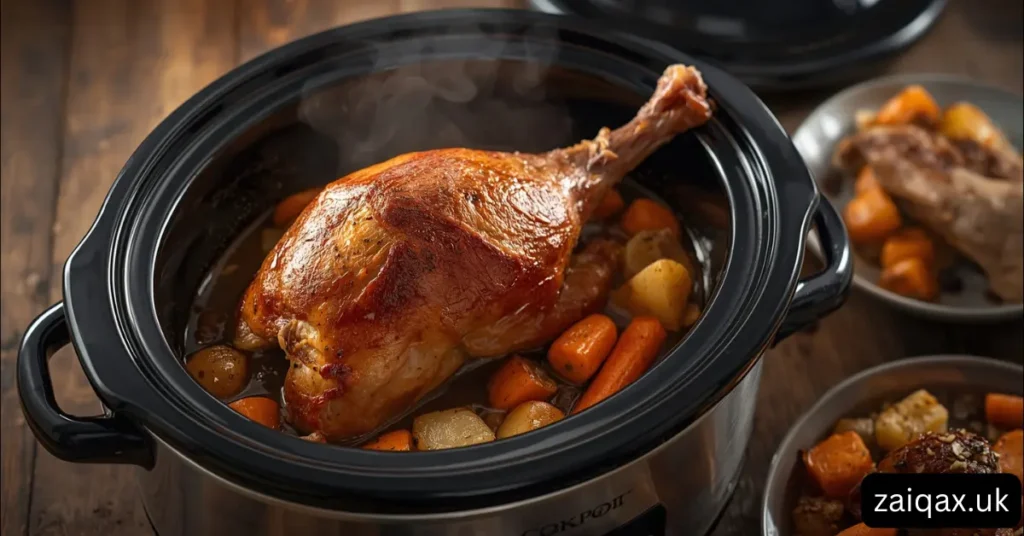
Wild Turkey Leg Recipes Crock Pot That Wow Guest

Wild Turkey Leg Recipes Crock Pot That Wow Guest

Cooking a wild turkey leg can seem intimidating at first, but with the right techniques, especially using a Crock Pot, you can create a dish that’s tender, juicy, and absolutely crowd-pleasing. Whether it’s for a holiday feast, family dinner, or a special gathering, these wild turkey leg recipes are designed to wow guests every time. In this article, we’ll explore everything from preparation and seasoning to slow-cooking techniques, flavor variations, and presentation tips. Why Choose Wild Turkey Legs for the Crock Pot? Wild turkey legs are larger, meatier, and have a deeper flavor compared to regular turkey cuts. When cooked properly, they’re incredibly succulent, with rich, savory meat that falls off the bone. Using a Crock Pot simplifies the process, allowing the turkey to slowly cook in its own juices, absorbing flavors without the risk of drying out. Some advantages of using a Crock Pot include: Hands-off cooking: Set it and forget it. Enhanced flavor: Slow cooking intensifies herbs and spices. Moist and tender meat: The slow heat keeps the turkey juicy. Convenient for large gatherings: Easily cooks several legs at once. Preparing Wild Turkey Legs for the Crock Pot Before cooking, proper preparation is key. Here’s a step-by-step guide: 1. Cleaning and Trimming Rinse the turkey legs under cold water. Pat dry with paper towels. Trim any excess fat or loose skin for better flavor and appearance. 2. Brining for Juiciness Brining helps keep the meat moist and adds subtle seasoning. Simple Brine Recipe: 4 cups water ¼ cup salt ¼ cup brown sugar 2-3 crushed garlic cloves 1 tsp black peppercorns Instructions: Dissolve salt and sugar in water. Submerge turkey legs and refrigerate for 4-6 hours. Rinse and pat dry before seasoning. Flavorful Seasoning Ideas The seasoning you choose can make a simple turkey leg extraordinary. Here are some ideas: 1. Classic Herb Blend Rosemary Thyme Sage Garlic powder Salt and pepper Rub the blend generously over the turkey leg for a traditional, savory flavor. 2. Spicy Cajun Style Paprika Cayenne pepper Garlic powder Onion powder Thyme Oregano This adds a kick to your turkey and pairs wonderfully with creamy sides. 3. Sweet and Smoky Brown sugar Smoked paprika Garlic powder Chili powder Black pepper This combination creates a caramelized exterior while keeping the meat tender. Crock Pot Cooking Techniques Cooking wild turkey legs in a Crock Pot is simple but requires attention to timing and layering for maximum flavor. 1. Searing for Extra Flavor Heat a skillet with olive oil. Brown the turkey legs on all sides before placing them in the Crock Pot. Searing adds depth and richness to the final dish. 2. Using Aromatics Place onions, carrots, and celery at the bottom of the Crock Pot. Add garlic cloves, fresh herbs, or bay leaves. Aromatics infuse the turkey with subtle, savory notes. 3. Adding Liquids Use broth, wine, or a mixture of both to keep the turkey moist. For a richer taste, add a splash of apple cider or orange juice. About 1–2 cups of liquid is sufficient for slow cooking. 4. Slow Cooking Times Low heat: 6–8 hours High heat: 3–4 hours The turkey is done when it reaches an internal temperature of 165°F (74°C) and the meat easily pulls from the bone. Delicious Wild Turkey Leg Recipes That Wow Guests Here are some tested recipes designed to impress. 1. Garlic Herb Slow-Cooked Turkey Legs Ingredients: 2 wild turkey legs 4 garlic cloves, minced 1 tbsp rosemary 1 tbsp thyme 1 tsp black pepper 1 cup chicken broth Instructions: Rub turkey legs with garlic, herbs, and pepper. Place aromatics at the bottom of the Crock Pot. Pour chicken broth over the turkey. Cook on low for 6–8 hours. Serve with roasted vegetables. 2. Cajun-Style Crock Pot Turkey Legs Ingredients: 2 wild turkey legs 2 tbsp paprika 1 tsp cayenne 1 tsp garlic powder 1 tsp onion powder 1 cup vegetable broth Instructions: Mix spices and rub over the turkey legs. Layer onions and bell peppers in the Crock Pot. Add turkey legs and pour in vegetable broth. Cook on high for 3–4 hours. Garnish with chopped parsley before serving. 3. Sweet and Smoky Turkey Legs Ingredients: 2 wild turkey legs 2 tbsp brown sugar 1 tbsp smoked paprika 1 tsp chili powder 1 cup apple cider Instructions: Combine sugar and spices; rub onto turkey legs. Place turkey in the Crock Pot with apple cider. Cook on low for 7 hours. Finish under the broiler for a caramelized crust. Pairing Sides and Sauces The right sides elevate the experience: Mashed potatoes or creamy polenta – complement rich turkey flavor. Roasted root vegetables – enhance the rustic, slow-cooked feel. Cranberry or apple sauce – add a sweet contrast. Gravy from Crock Pot drippings – intensifies savory notes. Tips for Presentation That Wows Guests Serving is just as important as cooking: Bone-in elegance: Serve turkey legs on a rustic platter. Garnish with herbs: Sprinkle fresh rosemary or thyme for visual appeal. Drizzle with juices: Pour Crock Pot juices over the turkey for shine and moisture. Use warm plates: Keep the meat hot and juicy when served. Common Mistakes to Avoid Even seasoned cooks can slip up. Avoid these pitfalls: Skipping the brine: Can result in dry meat. Overcrowding the Crock Pot: Prevents even cooking. Using too little liquid: Leads to dry, tough turkey. Not checking internal temperature: Safety and texture matter. Why Wild Turkey Legs Impress Guests Wild turkey legs aren’t just another meat option; they are a conversation starter. Their dramatic size, rich flavor, and presentation potential make them perfect for: Holiday dinners Special occasions Family gatherings The slow-cooked texture paired with bold seasonings ensures every bite is memorable. Storage and Leftovers Refrigeration: Store cooked turkey in an airtight container for up to 4 days. Freezing: Wrap tightly and freeze for up to 3 months. Reheating: Slow heat in the oven or microwave to maintain juiciness. Final Thoughts Cooking wild turkey legs in a Crock Pot is a game-changer for home cooks and professional hosts

Wild Turkey Leg Recipes Crock Pot That Wow Guest Read More »

Proven Wilted Lettuce Recipe With Bacon That Everyone Loves

Proven Wilted Lettuce Recipe With Bacon That Everyone Loves

Wilted lettuce salad is a classic dish that has stood the test of time in kitchens across the world. Combining tender greens with the smoky, savory flavor of bacon, this dish strikes a perfect balance between freshness and indulgence. While it may seem simple, a truly proven wilted lettuce recipe with bacon requires attention to detail, the right ingredients, and a touch of love. In this article, we’ll dive deep into why this recipe is so beloved, how to make it perfectly every time, variations to suit different tastes, and tips to elevate your wilted lettuce salad to a restaurant-quality experience. Why Wilted Lettuce With Bacon Is So Loved Wilted lettuce salad has a charm that goes beyond its ingredients. There are a few key reasons why this dish has such universal appeal: Contrast of textures – Crisp bacon against tender, slightly wilted greens creates a satisfying bite. Flavor combination – The smoky saltiness of bacon pairs beautifully with slightly bitter greens and tangy dressings. Quick and easy – Unlike many salads that require hours of preparation, this recipe can be made in under 20 minutes. Versatility – It can be served as a side dish, a starter, or even a light main course. The beauty of wilted lettuce with bacon lies in its simplicity. It’s a dish that doesn’t overwhelm the palate but leaves a memorable impression. Ingredients for a Perfect Wilted Lettuce With Bacon The quality of ingredients directly affects the outcome of this salad. Here’s a detailed look at what you need: Fresh Lettuce Type: Butter lettuce, romaine, or iceberg can be used. Tip: Choose crisp, fresh leaves. Avoid any that are slimy or discolored. Bacon Type: Thick-cut bacon is preferred for maximum flavor. Tip: Cook until crisp but not burnt for the perfect balance of texture. Dressing Ingredients Vinegar: Red wine vinegar or apple cider vinegar adds tang. Mustard: Dijon mustard enhances depth. Sugar or honey: Just a touch to balance acidity. Salt and pepper: Essential for seasoning. Optional: A little olive oil or bacon fat can add richness. Optional Add-Ins Hard-boiled eggs, cherry tomatoes, or croutons can be added for variety. Some people enjoy a sprinkle of shredded cheese for extra flavor. Step-by-Step Proven Wilted Lettuce Recipe With Bacon Step 1: Prepare the Ingredients Wash and dry your lettuce thoroughly. Patting the leaves dry is crucial; excess water can dilute the dressing. Cut the lettuce into bite-sized pieces. Chop the bacon into small pieces. Step 2: Cook the Bacon Place bacon in a cold skillet and cook over medium heat. Starting in a cold pan helps render fat evenly. Stir occasionally until crispy and golden brown. Remove bacon and drain on paper towels. Do not discard the bacon fat—this will be used for the dressing. Step 3: Make the Dressing In a small bowl, mix vinegar, mustard, a pinch of sugar or honey, salt, and pepper. Add 2-3 tablespoons of the reserved bacon fat to the mixture. Whisk until emulsified. The warm bacon fat slightly wilts the lettuce when tossed. Step 4: Combine Lettuce and Dressing Place the lettuce in a large bowl. Drizzle the warm dressing over the leaves. Toss gently to coat each leaf evenly. The warmth will slightly wilt the lettuce, enhancing its flavor. Step 5: Add Bacon and Optional Toppings Sprinkle crispy bacon over the top. Add any optional toppings such as hard-boiled eggs or croutons. Serve immediately for the best flavor and texture. Tips for Achieving the Perfect Wilted Lettuce Salad Even a simple recipe can have pitfalls. Here’s how to make your wilted lettuce with bacon flawless every time: Use fresh lettuce: Wilted lettuce doesn’t mean using old, limp greens. Freshness is key. Render bacon fat slowly: Rushing this step can burn the bacon and give the dressing a bitter taste. Toss gently: Rough tossing can tear the leaves and make the salad mushy. Serve warm: Wilted lettuce is best served shortly after combining with the warm dressing. Adjust dressing to taste: Start with a small amount, then add more if needed. Variations to Try While the classic version is beloved, you can customize the recipe in many ways: 1. Wilted Lettuce With Bacon and Onion Add thinly sliced red onions to the salad. The mild sweetness of onions complements the smoky bacon perfectly. 2. Wilted Lettuce With Bacon and Eggs Topping with sliced or chopped hard-boiled eggs creates a more filling dish, perfect for brunch. 3. Wilted Lettuce With Bacon and Cheese Sprinkle some blue cheese or feta over the salad. The creamy cheese adds richness to the simple greens. 4. Asian-Inspired Wilted Lettuce Use rice vinegar instead of red wine vinegar, and add a dash of soy sauce. This gives an umami twist to the classic salad. Common Mistakes and How to Avoid Them Even expert cooks sometimes struggle with wilted lettuce. Here’s what to avoid: Overcooking bacon: Can make it hard and bitter. Aim for crisp, but not charred. Using too much dressing: Can overwhelm delicate lettuce. Start small. Serving cold: Warm dressing is essential for wilting the lettuce slightly. Neglecting seasoning: Proper salt and pepper balance the flavors. By keeping these pitfalls in mind, your salad will always turn out perfectly. Health Benefits of Wilted Lettuce With Bacon While indulgent, this salad has nutritional benefits: Lettuce: Low in calories, high in fiber and vitamins A and K. Bacon: Provides protein and healthy fats when eaten in moderation. Eggs or cheese (optional): Add more protein and essential nutrients. Pairing wilted lettuce with bacon with other fresh vegetables or lean proteins makes it a balanced meal. Serving Suggestions Wilted lettuce salad is versatile. Here are some ways to enjoy it: As a Side: Perfect with grilled chicken, steak, or pork. As a Starter: Serve in smaller portions before a main course. As a Light Main Course: Add a poached egg, grilled shrimp, or roasted chicken on top. Pair with a glass of chilled white wine or sparkling water for a refreshing experience. Why This Recipe Works

Proven Wilted Lettuce Recipe With Bacon That Everyone Loves Read More »

The Ultimate Wojapi BBQ Sauce Recipe for Flavor Lovers

The Ultimate Wojapi BBQ Sauce Recipe for Flavor Lovers

If you are a flavor enthusiast who loves sauces that pack a punch, then this Wojapi BBQ Sauce recipe is about to become your new favorite. Wojapi is a traditional Native American berry sauce, typically made with chokecherries, but in this modern twist, we’ll transform it into a smoky, tangy, and rich BBQ sauce that elevates your grilled meats, roasted vegetables, and even sandwiches. Whether you are a backyard grilling expert or a kitchen adventurer, this sauce will captivate your taste buds and leave your guests asking for more. In this guide, we’ll take you step-by-step through making the perfect Wojapi BBQ Sauce, explore flavor pairings, and share tips to make it unforgettable. What is Wojapi? Before diving into the recipe, let’s understand what Wojapi is. Originating from Native American cuisine, Wojapi is a fruit-based sauce traditionally made from berries such as chokecherries, blueberries, or elderberries. It’s naturally sweet, slightly tart, and often to a jam-like consistency.The sauce was historically used in tribal communities to complement game meats or as a dessert topping. Today, chefs and home cooks alike have reimagined it as a BBQ sauce, adding layers of smokiness, spices, and vinegar to create a modern flavor-packed condiment. Why Wojapi Makes the Perfect BBQ Sauce You might wonder why Wojapi is suitable for a BBQ sauce. Here’s why: Natural Sweetness: The berries in Wojapi provide a natural sweetness that balances the tanginess and acidity of traditional BBQ sauces. Complex Flavor Profile: Chokecherries or other berries lend a subtle tartness, giving the sauce depth and richness. Versatility: Wojapi BBQ Sauce pairs with a variety of meats like chicken, pork, beef, or even plant-based dishes. Homemade Goodness: Making this sauce from scratch allows you to control sugar, salt, and spice levels, ensuring a healthier and personalized condiment. Ingredients You’ll Need To create the ultimate Wojapi BBQ Sauce, gather these ingredients: 2 cups fresh or frozen berries (chokecherries, blueberries, or a mix) 1 cup tomato ketchup (as a base for the BBQ texture) 1/2 cup apple cider vinegar (for tanginess) 1/3 cup brown sugar (adds sweetness) 1/4 cup honey or maple syrup (enhances the berry flavor) 2 cloves garlic, minced 1 small onion, finely chopped 2 teaspoons smoked paprika 1 teaspoon chili powder (optional for heat) 1/2 teaspoon black pepper 1/4 teaspoon cayenne pepper (adjust based on spice preference) 1 tablespoon Worcestershire sauce 1 teaspoon salt 1/2 cup water (to adjust thickness if necessary) Tip: You can also experiment with other berries like raspberries or blackberries for a different twist. Step-by-Step Guide to Making Wojapi BBQ Sauce Step 1: Prepare the Berries Start by washing your berries thoroughly. If using chokecherries, remove pits if necessary. Then, place the berries in a medium saucepan with 1/4 cup of water. Simmer over medium heat for about 10–15 minutes until the berries release their juice and soften. Step 2: Blend the Mixture Once the berries are soft, use an immersion blender or regular blender to puree the berries into a smooth consistency. This will create the base for your BBQ sauce. Step 3: Cook the Aromatics In a separate pan, sauté onions and garlic with a tablespoon of olive oil until translucent and fragrant. This adds depth and sweetness to your sauce. Step 4: Combine Ingredients Add the blended berries, ketchup, apple cider vinegar, brown sugar, honey, and all the spices (paprika, chili powder, cayenne, black pepper, salt) into the pan with sautéed onions and garlic. Stir well to combine. Step 5: Simmer the Sauce Lower the heat and let the sauce simmer for 20–30 minutes, stirring occasionally. The sauce should thicken slightly. If it’s too thick, add a bit of water to reach your desired consistency. Step 6: Taste and Adjust Taste the sauce and adjust for sweetness, acidity, or spice. More vinegar will enhance tanginess, while additional sugar or honey can increase sweetness. Step 7: Cool and Store Once the sauce is done, allow it to cool completely. Transfer it to a glass jar or airtight container and refrigerate. The flavor will deepen after a few hours, making it even more delicious. Flavor Pairing Ideas The beauty of Wojapi BBQ Sauce lies in its versatility. Here are some ideas to inspire your meals: Grilled Chicken: Brush it over chicken wings or drumsticks for a sweet and tangy glaze. Pulled Pork: Mix the sauce into shredded pork for a juicy, flavorful sandwich. Beef Ribs: Slather the sauce over ribs before baking or grilling for a sticky, caramelized crust. Vegetarian Options: Use it as a glaze for grilled vegetables or roasted tofu. Dipping Sauce: Serve it alongside fries, onion rings, or baked potatoes. Tips for Making the Best Wojapi BBQ Sauce Use Fresh Ingredients: Fresh berries create a more vibrant and natural flavor. Frozen berries work too but may have a slightly different texture. Balance Sweetness and Tang: Adjust sugar and vinegar according to your taste. Some berries are naturally sweeter or more tart. Smokiness Matters: Smoked paprika is key to achieving that BBQ flavor without using a smoker. Store Properly: Keep refrigerated for up to 2 weeks or freeze in ice cube trays for smaller portions. Experiment with Spices: Cinnamon or allspice can add an unexpected warmth to your sauce. Why Homemade Wojapi BBQ Sauce Beats Store-Bought Many store-bought BBQ sauces are loaded with preservatives, high fructose corn syrup, and artificial flavors. By making your own Wojapi BBQ Sauce: You control the sweetness and spiciness. You can avoid preservatives and additives. You can experiment with unique berry blends for a signature flavor. It’s fresher, more vibrant, and has a personal touch that store-bought sauces simply can’t replicate. Creative Variations to Try 1. Smoky Chipotle Wojapi BBQ Sauce Add 1–2 chopped chipotle peppers in adobo sauce to introduce a smoky, spicy kick. 2. Maple Berry Wojapi BBQ Sauce Replace honey with pure maple syrup for a richer, deeper sweetness. 3. Bourbon-Infused Wojapi BBQ Sauce Add 2 tablespoons of bourbon during the simmering stage for a luxurious, caramelized flavor. 4. Fruity Heat Wojapi BBQ Sauce

The Ultimate Wojapi BBQ Sauce Recipe for Flavor Lovers Read More »

Best Wood Ranch Peanut Coleslaw Recipe at Home

Best Wood Ranch Peanut Coleslaw Recipe at Home

A creamy, crunchy, restaurant-style coleslaw you can easily recreate in your own kitchen Coleslaw is one of those side dishes that seems simple but is surprisingly memorable when done right. If you have ever tasted the famous peanut coleslaw served at Wood Ranch, you already know it is not your average cabbage salad. It is creamy yet light, slightly sweet yet savory, with a nutty crunch that makes it stand out from traditional slaws. The good news is that you do not need to visit the restaurant to enjoy this flavor. With the right ingredients, balance, and technique, you can make a very similar peanut coleslaw at home. In this detailed guide, you will learn everything — from ingredient selection and preparation to flavor adjustments, storage tips, variations, and common mistakes to avoid. This article is written in an easy, friendly style so anyone can follow along, whether you are a beginner cook or someone who simply loves experimenting with restaurant-inspired recipes. What Makes Wood Ranch Peanut Coleslaw Special? Before jumping into the recipe, it helps to understand why this coleslaw is different from classic versions. Traditional coleslaw usually contains: Shredded cabbage Carrots Mayonnaise-based dressing Vinegar or sugar Peanut coleslaw adds a new layer of flavor and texture: Roasted peanuts for crunch and nuttiness Creamy dressing with subtle sweetness Balanced acidity to keep it refreshing Light savory notes that pair well with grilled foods The combination creates a slaw that feels richer and more exciting without being heavy. Flavor Profile You Should Aim For A good peanut coleslaw should taste:  Creamy but not greasy Crunchy and fresh Slightly sweet Mildly tangy Lightly nutty Well-balanced If any single element dominates — too sweet, too sour, too thick — the slaw loses its charm. Balance is the key. Ingredients for the Best Peanut Coleslaw at Home Let’s start with the building blocks. Quality ingredients make a big difference. For the Coleslaw Base 4 cups green cabbage, finely shredded 1 cup red cabbage, finely shredded (optional but adds color) 1 cup carrots, julienned or grated ½ cup roasted peanuts, roughly chopped 2 tablespoons green onions, thinly sliced (optional) For the Creamy Peanut Dressing ½ cup mayonnaise 2 tablespoons creamy peanut butter 1 tablespoon honey or sugar 1 tablespoon apple cider vinegar or rice vinegar 1 teaspoon soy sauce (adds depth) ½ teaspoon salt ¼ teaspoon black pepper 1–2 tablespoons milk or water (to thin if needed) Choosing the Right Cabbage Many people overlook this step, but cabbage texture is critical. Green Cabbage Mild flavor Crisp texture Ideal for creamy slaws Red Cabbage Slightly peppery Adds vibrant color Can be firmer, so slice thin For the most restaurant-like result, shred the cabbage finely. Thick slices make the slaw bulky and harder to coat with dressing. Preparing the Vegetables Properly A good coleslaw is all about texture. How to Shred Cabbage Remove outer leaves Cut cabbage into quarters Remove the core Slice thin using a sharp knife or mandoline Carrots Grated carrots blend smoothly Julienned carrots add crunch Both work, so choose based on your preference. Why Roasted Peanuts Work Best Peanuts are the star ingredient. Always use:  Dry roasted peanuts Unsalted or lightly salted Fresh and crunchy Avoid soft or stale peanuts — they ruin the texture. Chop them roughly so you get noticeable bites. Now let’s put everything together. Step 1: Prepare the Vegetables Place shredded green cabbage, red cabbage, and carrots in a large mixing bowl. Step 2: Make the Dressing In a separate bowl, whisk together: Mayonnaise Peanut butter Honey or sugar Vinegar Soy sauce Salt and pepper Mix until smooth and creamy. If the dressing is too thick, add a little milk or water. Step 3: Combine Pour dressing over the vegetables. Toss gently until everything is evenly coated. Step 4: Add Peanuts Fold in chopped peanuts last. This keeps them crunchy. Step 5: Chill Refrigerate for at least 20–30 minutes. Chilling helps flavors blend. Texture Tips for Perfect Coleslaw If you want a truly restaurant-style result:  Do not overdress — start with less dressing   Toss gently to avoid crushing cabbage   Add peanuts just before serving if storing Coleslaw should feel light and crisp, not soggy. Balancing the Flavor Taste your slaw after mixing. Too Sweet? Add a splash of vinegar Too Tangy? Add a little honey or sugar Too Thick? Thin with milk or water Too Bland? Add salt or soy sauce Small adjustments make a big difference. Why Soy Sauce Improves the Dressing Many people skip soy sauce, but it adds: Subtle umami Depth of flavor Slight savory contrast The result tastes more complex and less flat. Serving Ideas Peanut coleslaw pairs beautifully with many dishes.  BBQ chicken Grilled meats Burgers Sandwiches Tacos   Wraps It works both as a side dish and topping. Making Coleslaw Ahead of Time Yes, you can prepare it early. Best Practice: Mix vegetables + dressing Store peanuts separately Add peanuts before serving This prevents softness. Storage and Shelf Life Proper storage keeps your slaw fresh. Refrigerate in airtight container Best consumed within 24–48 hours Stir before serving Coleslaw naturally releases moisture over time. Healthy Modifications Want a lighter version? Swap Mayonnaise Greek yogurt (half replacement) Light mayo Reduce Sugar Use less honey Add grated apple for natural sweetness Peanut Coleslaw Variations You can customize it easily. Spicy Version Add chili flakes or sriracha. Asian-Inspired Add sesame oil + cilantro. Extra Crunch Include bell peppers or radish. Sweet & Fruity Add pineapple or mango bits. Common Mistakes to Avoid Even simple laws can go wrong.  Too much dressing Thick cabbage slices   Stale peanuts Not seasoning enough Skipping chilling time Each mistake affects texture and taste. How to Fix Watery Coleslaw If your slaw turns watery:  Drain excess liquid Add fresh cabbage Stir gently Watery slaw usually comes from over-salting or long storage. Why Chilling Matters Resting time allows: Dressing absorption Flavor blending Better texture Even 20 minutes improves the result. Restaurant-Style Presentation Tips For a visually appealing slaw:  Use

Best Wood Ranch Peanut Coleslaw Recipe at Home Read More »

Delicious Yak Meat Recipes That Are Easy and Quick

Delicious Yak Meat Recipes That Are Easy and Quick

Yak meat is a versatile and nutrient-rich protein source that is gaining popularity in kitchens around the world. Known for its lean texture and robust flavor, yak meat offers a healthier alternative to beef while retaining a hearty taste. If you’ve been curious about how to cook yak meat without spending hours in the kitchen, this guide provides delicious yak meat recipes that are easy and quick, perfect for beginners and busy home cooks alike. Why Choose Yak Meat? Before diving into the recipes, it’s worth understanding why yak meat is worth trying. Unlike conventional red meats, yak meat is: Lean and low in fat: Ideal for those watching their calorie intake. Rich in protein: Helps build muscle and keeps you full longer. Full of flavor: Slightly sweet and earthy, making it ideal for grilling, stewing, or stir-frying. Nutrient-packed: Contains iron, zinc, and vitamin B12. These qualities make yak meat perfect for a variety of easy and quick recipes that don’t compromise on taste. Tips for Cooking Yak Meat Cooking yak meat is straightforward, but keeping a few tips in mind can enhance the flavor and texture: Choose the right cut: Tender cuts like loin, ribeye, or sirloin are perfect for quick cooking. Tougher cuts such as shoulder or shank are ideal for slow-cooked dishes like stews. Avoid overcooking: Yak meat is leaner than beef, so it can dry out if overcooked. Medium-rare to medium is usually ideal. Marinate for flavor: Even a short 30-minute marinade can enhance the flavor, especially for stir-fried or grilled dishes. Use high heat for quick cooking: Stir-frying, grilling, and pan-searing work best for tender cuts. Rest after cooking: Letting the meat rest for a few minutes retains its juices. With these simple tips, your yak meat dishes will stay tender, juicy, and full of flavor. Easy Yak Meat Recipes for Busy Cooks Here are some delicious yak meat recipes that are easy and quick to prepare, perfect for lunch, dinner, or special occasions. 1. Yak Stir-Fry with Vegetables A stir-fry is one of the fastest ways to cook yak meat, bringing out its natural flavor while combining it with colorful vegetables. Ingredients: 500g yak meat, thinly sliced 1 bell pepper, sliced 1 carrot, julienned 1 onion, sliced 2 cloves garlic, minced 2 tbsp soy sauce 1 tbsp oyster sauce 1 tsp sesame oil 1 tbsp vegetable oil Salt and pepper to taste Instructions: Heat the vegetable oil in a wok over high heat. Add garlic and onion; stir-fry for 1-2 minutes. Add yak meat and cook until browned, about 3-4 minutes. Add bell pepper and carrot; stir-fry for another 2-3 minutes. Stir in soy sauce, oyster sauce, and sesame oil. Season with salt and pepper, then serve hot with steamed rice or noodles. Cooking time: 20 minutes This yak stir-fry is colorful, nutritious, and perfect for a quick weeknight dinner. 2. Yak Meat Tacos Tacos are not only fun to eat but also a quick way to enjoy yak meat in a flavorful wrap. Ingredients: 400g yak mince 1 onion, chopped 2 cloves garlic, minced 1 tsp chili powder 1 tsp paprika 1 tsp cumin Salt and pepper to taste Small tortilla wraps Fresh salsa and shredded lettuce Instructions: Heat a pan over medium heat and sauté onion and garlic until soft. Add yak mince and cook until browned. Stir in chili powder, paprika, cumin, salt, and pepper. Warm tortilla wraps and fill with the cooked yak mixture. Top with fresh salsa and lettuce for a vibrant, tasty taco. Cooking time: 25 minutes These yak tacos are perfect for a casual meal and can be made in under half an hour. 3. Grilled Yak Steaks Grilling yak steaks is simple and brings out the meat’s natural flavors. A high-quality cut like ribeye or sirloin works best. Ingredients: 2 yak ribeye steaks (200-250g each) 1 tbsp olive oil 1 tsp garlic powder 1 tsp black pepper 1 tsp salt Instructions: Rub steaks with olive oil, salt, black pepper, and garlic powder. Preheat the grill to medium-high heat. Grill steaks for 3-4 minutes per side for medium-rare, or until desired doneness. Let steaks rest for 5 minutes before slicing. Serve with a side salad or roasted vegetables. Cooking time: 15 minutes Grilled yak steaks are a great option for a healthy, protein-packed meal that’s quick to prepare. 4. Yak Meat Soup A hearty soup is comforting and can be made quickly using tender cuts of yak meat. Ingredients: 400g yak stew meat, cubed 1 carrot, chopped 1 celery stalk, chopped 1 onion, diced 2 cloves garlic, minced 1 liter beef or vegetable stock 1 tsp thyme Salt and pepper to taste Instructions: In a large pot, sauté onion and garlic until fragrant. Add yak meat and brown on all sides. Pour in stock and add carrot, celery, and thyme. Simmer for 20-25 minutes until the meat is tender. Season with salt and pepper and serve hot. Cooking time: 35 minutes This yak meat soup is nourishing, light, and perfect for chilly days. 5. Yak Meat Skewers Yak skewers are ideal for parties, barbecues, or a quick meal. Ingredients: 500g yak meat, cubed 2 tbsp olive oil 1 tsp paprika 1 tsp garlic powder Salt and pepper to taste Bell peppers and onions for skewering Instructions: Mix olive oil, paprika, garlic powder, salt, and pepper. Marinate yak cubes in the mixture for at least 15 minutes. Skewer the meat alternately with vegetables. Grill or broil for 10-12 minutes, turning occasionally. Serve with your favorite dipping sauce. Cooking time: 25 minutes Yak meat skewers are simple to make, fun to eat, and packed with flavor. Quick Marinades to Enhance Yak Meat Flavor Even short cooking times benefit from a quick marinade. Here are a few easy options: Soy-Ginger Marinade: Soy sauce, ginger, garlic, and a splash of lime. Herb and Olive Oil: Olive oil, rosemary, thyme, and black pepper. Spicy Kick: Chili flakes, paprika, garlic, and a dash of olive oil. Marinate for at least 15-30 minutes

Delicious Yak Meat Recipes That Are Easy and Quick Read More »

Scroll to Top