Side Dishes

The Best Fried Zucchini Flowers Recipe You Must Try Today

The Best Fried Zucchini Flowers Recipe You Must Try Today

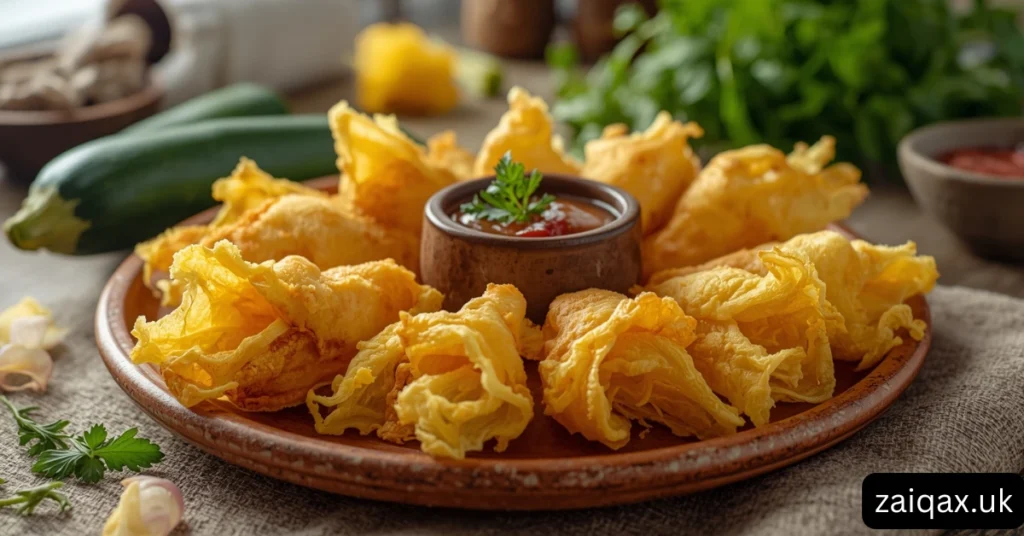
If you are someone who loves trying unique and delicious dishes, you cannot miss out on zucchini flowers. These delicate blossoms are a culinary treasure, and when fried to perfection, they transform into a crunchy, savory delight that is both satisfying and elegant. In this article, we’ll explore the best fried zucchini flowers recipe you must try today, along with tips, variations, and everything you need to know to make this dish a showstopper in your kitchen. Why You Should Try Fried Zucchini Flowers Zucchini flowers, also known as courgette blossoms, are edible flowers that bloom on zucchini plants. They are soft, delicate, and have a mild, slightly sweet flavor. When fried, their petals turn golden and crispy while maintaining a tender interior, creating a perfect contrast that makes every bite irresistible. Here are some reasons why you should give this recipe a try: Unique flavor: Zucchini flowers have a subtle, fresh taste that stands out from ordinary vegetables. Gourmet appeal: Fried zucchini flowers look stunning on any plate, making them ideal for entertaining guests. Quick and easy: Despite their fancy appearance, they are easy to prepare and cook. Versatile: You can enjoy them as an appetizer, side dish, or even a light snack. Fried zucchini flowers are a favorite in Mediterranean cuisine, especially in Italian cooking, where they are often stuffed with cheese or herbs before frying. But even on their own, lightly battered and fried, they are absolutely delicious. Ingredients You Will Need Before diving into the cooking process, it’s essential to gather the freshest ingredients. Using high-quality zucchini flowers is crucial for achieving the best taste and texture. Here’s what you’ll need for this recipe: For the Zucchini Flowers: 12–15 fresh zucchini flowers 1 medium zucchini (optional, if you want to stuff the flowers with a thin slice) 1 cup of ricotta cheese or goat cheese (optional for stuffing) Fresh herbs such as parsley or basil (optional, finely chopped) For the Batter: 1 cup all-purpose flour 1 cup sparkling water (cold) 1/2 teaspoon salt 1/4 teaspoon black pepper 1/4 teaspoon garlic powder (optional for extra flavor) For Frying: Vegetable oil or sunflower oil (enough for deep frying) Optional garnishes: Lemon wedges Grated Parmesan cheese A sprinkle of sea salt How to Prepare Zucchini Flowers for Frying Handling zucchini flowers requires a delicate touch because their petals are fragile. Follow these steps to prepare them properly: 1. Cleaning the Flowers Gently rinse the zucchini flowers under cold water. Be careful not to tear the petals. Shake off excess water or pat them dry with a paper towel. 2. Removing the Stamen or Pistil Inside each flower, you’ll find the stamen (for male flowers) or pistil (for female flowers). Carefully remove these parts with your fingers or a small knife. Removing them ensures the flowers are pleasant to eat and don’t have a bitter taste. 3. Optional Stuffing If you want a stuffed version, mix ricotta or goat cheese with herbs and a pinch of salt. Then, gently fill each flower using a small spoon or piping bag. Avoid overstuffing, as this can make frying messy. 4. Preparing the Batter In a mixing bowl, combine flour, salt, black pepper, and garlic powder. Gradually add cold sparkling water while whisking until you get a smooth, slightly thick batter. The carbonation in the sparkling water helps create a light and airy texture when fried. Step-by-Step Instructions to Fry Zucchini Flowers Frying zucchini flowers is easier than it looks, but the key is to maintain the right temperature and avoid overcrowding the pan. 1. Heat the Oil Pour vegetable oil into a deep frying pan or pot until it’s about 2 inches deep. Heat the oil to 350°F (175°C). You can check the temperature by dipping a small drop of batter into the oil; it should sizzle immediately. 2. Dip the Flowers in Batter Hold each zucchini flower by the base and dip it into the batter, making sure it’s fully coated. Shake off any excess batter gently. 3. Fry in Batches Carefully place the flowers into the hot oil, frying a few at a time. Avoid overfull, as this can lower the oil temperature and make the flowers soggy. Fry for about 2–3 minutes or until the petals are golden and crispy. 4. Drain and Serve Use a slotted spoon to remove the fried flowers and place them on a paper towel to drain excess oil. Serve at once while hot and crispy. You can garnish with lemon wedges, a sprinkle of sea salt, or grated Parmesan cheese for extra flavor. Tips for Perfect Fried Zucchini Flowers Even the most experienced cooks can face challenges with zucchini flowers. Here are some expert tips to ensure your fried flowers come out perfect every time: Use fresh flowers: Freshly picked flowers are more tender and flavorful. Avoid flowers that are wilted or overly large. Keep the batter cold: Cold batter produces a lighter, crispier coating. Don’t overstuff: If using cheese or herbs, avoid filling the flowers too much. Maintain oil temperature: Frying at the correct temperature prevents soggy flowers. Serve immediately: Fried zucchini flowers are best enjoyed hot and fresh. Variations of Fried Zucchini Flowers The beauty of zucchini flowers is their versatility. Here are some popular variations you can try: 1. Cheese-Stuffed Fried Zucchini Flowers Stuff the flowers with a mixture of ricotta, mozzarella, and herbs before frying. This adds a creamy, flavorful surprise inside every bite. 2. Herb-Infused Batter Add finely chopped fresh herbs such as basil, thyme, or oregano to the batter. This adds an extra layer of aroma and flavor to the crispy coating. 3. Gluten-Free Version Use rice flour or chickpea flour instead of all-purpose flour to make a gluten-free batter. Chickpea flour adds a nutty flavor that complements the flowers perfectly. 4. Vegan Version Skip the cheese stuffing and use a batter made with sparkling water and a pinch of nutritional yeast for a vegan-friendly, cheesy flavor. 5. Zucchini Flower Tempura Give the flowers a Japanese

The Best Fried Zucchini Flowers Recipe You Must Try Today Read More »
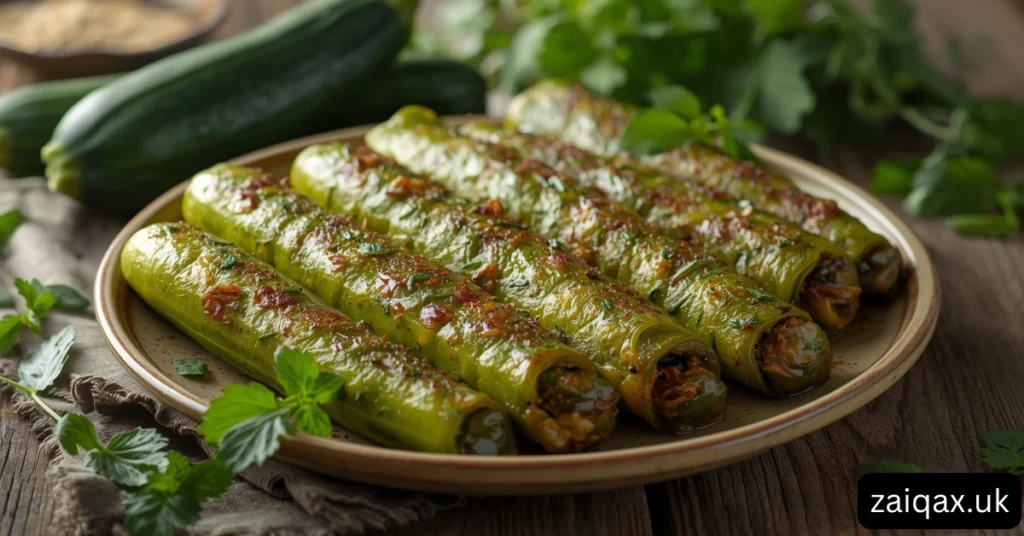
Proven Zucchini Leaves Recipe for Delicious Home Cooking

Proven Zucchini Leaves Recipe for Delicious Home Cooking

If you’ve ever grown zucchini in your garden, you know the challenge: the plant produces not just zucchinis but also an abundance of tender, green leaves. Many people overlook zucchini leaves, not realizing that they are edible and can be transformed into a delicious dish. In this guide, we will explore a proven zucchini leaves recipe for delicious home cooking, offering you tips, techniques, and differences that will make your meals both nutritious and flavorful. Why Zucchini Leaves Are Worth Trying Zucchini leaves are often discarded, but they are packed with nutrients and flavor. Here’s why you should consider cooking with them: Nutrient-rich – Zucchini leaves are a good source of vitamins A, C, and K, as well as calcium and iron. They are excellent for supporting your immune system and bone health. Low in calories – Perfect for those looking to eat healthy without sacrificing flavor. Versatile – They can be used in stews, soups, sautés, and even stuffed dishes. Cost-effective – If you’re growing zucchini, you already have an abundant supply, which means you can create meals without extra shopping. With all these benefits, it’s clear that zucchini leaves are a hidden gem in home cooking. Selecting and Preparing Zucchini Leaves Before you jump into cooking, you need to know how to select the best leaves and prepare them properly. Choosing the Right Leaves Opt for young, tender leaves. Older leaves tend to be tougher and may have a slightly bitter taste. Make sure the leaves are free from spots, holes, or yellowing, as these can indicate disease or insect damage. Wash the leaves closely to remove any dirt or small insects. Preparing Zucchini Leaves Wash gently: Rinse under cold running water. Trim the stems: Remove the thicker stems as they can be fibrous. Optional blanching: To reduce bitterness and soften the leaves, blanch them in boiling water for 1-2 minutes, then transfer to cold water. Once your zucchini leaves are ready, it’s time to bring them to life with a proven recipe that guarantees delicious results. Proven Zucchini Leaves Recipe Here’s a simple, easy-to-follow recipe that turns zucchini leaves into a flavorful dish suitable for any meal. Ingredients 2 cups fresh zucchini leaves, washed and chopped 2 tablespoons olive oil 1 small onion, finely chopped 2 garlic cloves, minced 1 medium tomato, chopped ½ teaspoon salt (adjust to taste) ¼ teaspoon black pepper ¼ teaspoon red chili flakes (optional) 1 tablespoon lemon juice ½ teaspoon cumin seeds (optional, for aroma) Instructions Heat the oil: In a medium-sized pan, heat olive oil over medium heat. Sauté aromatics: Add cumin seeds (if using) and let them sizzle for a few seconds. Add onions and garlic, and sauté until golden brown. Add tomatoes: Stir in the chopped tomatoes and cook until they soften. Cook zucchini leaves: Add the chopped zucchini leaves. Stir well, covering the leaves with the tomato-onion mixture. Season: Sprinkle salt, black pepper, and red chili flakes. Stir to combine. Simmer: Cover the pan and let it cook for 5-7 minutes until the leaves are tender. Add lemon juice: Just before serving, drizzle with lemon juice for a fresh, tangy flavor. Serve warm: Enjoy your delicious zucchini leaves as a side dish or light main course. This recipe is easy, quick, and highlights the natural flavor of zucchini leaves. Tips for Cooking Zucchini Leaves   Cooking zucchini leaves is not complicated, but a few tips can elevate the dish: Avoid overcooking – Zucchini leaves cook quickly. Overcooking can make them mushy. Combine with other greens – Mix zucchini leaves with spinach, kale, or Swiss chard for a richer texture. Use aromatic spices – Garlic, onions, cumin, or coriander can enhance the taste. Experiment with fillings – Zucchini leaves can be stuffed with rice, cheese, or minced meat for a Mediterranean-style dish. Add a protein boost – Top the cooked leaves with grilled chicken, tofu, or legumes for a complete meal. Creative Variations Zucchini leaves are highly versatile, allowing for many creative dishes: 1. Zucchini Leaf Stew Add chopped potatoes, carrots, and peas to the sautéed zucchini leaves. Pour in vegetable broth and simmer until vegetables are tender. Garnish with fresh herbs like parsley or dill. 2. Zucchini Leaves with Cheese Sauté leaves as per the basic recipe. Add crumbled feta, goat cheese, or ricotta for a creamy texture. Bake for 5 minutes for a melted, savory dish. 3. Stuffed Zucchini Leaves Blanch leaves and use them to wrap a filling of rice, herbs, and spices. Steam or bake the rolls until cooked. Serve with a yogurt-based sauce or tomato dip. 4. Zucchini Leaf Soup Combine chopped zucchini leaves with onions, garlic, and broth. Simmer and blend into a smooth soup. Season with salt, pepper, and a splash of lemon juice. 5. Zucchini Leaf Stir-Fry Toss zucchini leaves with bell peppers, mushrooms, and soy sauce. Cook quickly on high heat for a crunchy, vibrant dish. Sprinkle sesame seeds for extra flavor. Nutritional Benefits of Zucchini Leaves include zucchini leaves into your diet is not just tasty but also highly nutritious: Vitamins: Rich in vitamin A for vision, vitamin C for immunity, and vitamin K for blood health. Minerals: Contains calcium for strong bones, iron for oxygen transport, and potassium for heart health. Fiber: Aids digestion and supports a healthy gut. Antioxidants: Help combat free radicals and reduce inflammation. Regularly including zucchini leaves in your diet can improve overall wellness and bring variety to your meals. Common Mistakes to Avoid Even with a simple dish like zucchini leaves, beginners often make mistakes: Using old leaves – Older leaves are tough and bitter. Skipping the wash – Leaves can have dirt, dust, or insects; always wash thoroughly. Over-seasoning – The leaves have a mild flavor; too many spices can overwhelm them. Overcooking – Leaves cook fast; overcooking makes them limp and mushy. Discarding stems unnecessarily – Some stems are tender and edible; only remove the thick, fibrous parts. By avoiding these mistakes, you can ensure your zucchini leaves dish turns

Proven Zucchini Leaves Recipe for Delicious Home Cooking Read More »

Baton Rouge Soul Food Festival Dishes Everyone Loves

Baton Rouge Soul Food Festival Dishes Everyone Loves

Soul food is more than just something to eat. It is comfort, tradition, family, and culture all served on a plate. In the heart of Baton Rouge, food plays a powerful role in community gatherings, celebrations, and festivals. One of the most exciting experiences for food lovers is a soul food festival, where rich flavors, slow-cooked classics, and unforgettable aromas fill the air. If you have ever wondered what dishes truly steal the show at a Baton Rouge soul food festival, you are in the right place. From crispy fried favorites to sweet Southern desserts, this guide explores the dishes everyone loves and why they continue to win hearts year after year. What Makes Soul Food So Special Before diving into the dishes, it helps to understand why soul food holds such a strong emotional connection for many people. Soul food has deep roots in Southern history and African American culinary traditions. It is known for: Bold, comforting flavors Slow cooking methods Hearty ingredients Recipes passed down through generations A focus on togetherness and hospitality In Louisiana, where food culture is already legendary, soul food festivals become vibrant celebrations of taste and heritage. Fried Chicken – The Undisputed Crowd Favorite No soul food festival feels complete without fried chicken. It is often the first dish people look for and the one that sells out the fastest. Why Everyone Loves It Perfectly fried chicken offers: Crispy golden coating Juicy, tender meat A balance of seasoning and crunch Festival vendors often use family recipes with special spice blends, making each bite feel homemade yet exciting. Popular Variations At soul food festivals, you might find: Classic Southern fried chicken Spicy fried chicken Honey-glazed fried chicken Chicken wings and drumsticks The smell alone can pull visitors from across the festival grounds. Macaroni and Cheese – Pure Comfort on a Plate Macaroni and cheese is not just a side dish at a soul food festival. For many, it is the main event. What Sets Festival Mac and Cheese Apart Unlike basic versions, soul food festival macaroni and cheese is usually: Rich and creamy Made with multiple cheeses Baked for a golden crust Deeply satisfying Some recipes lean toward extra cheesy, while others include hints of spice or smoky flavor. Why It Always Sells Out People love it because it reminds them of: Holiday dinners Family gatherings Childhood comfort foods One spoonful is rarely enough. Collard Greens – A True Soul Food Essential Collard greens represent tradition, patience, and deep flavor. They are slow-cooked, seasoned, and cherished. Flavor That Comes From Time Great collard greens are typically: Simmered for hours Cooked with smoked meats or seasoning Tender and flavorful The broth, often called “pot liquor,” is prized for its rich taste. Why Festival-Goers Crave Them Despite being a vegetable dish, collard greens are loved for their: Savory depth Comforting warmth Cultural significance They pair beautifully with nearly every main dish. Cornbread – The Perfect Companion Cornbread may look simple, but at a soul food festival, it becomes something memorable. Sweet vs Savory Different styles include: Slightly sweet cornbread Buttery cornbread Skillet-baked cornbread Cornbread muffins Some versions are moist and cake-like, while others are crumbly with crisp edges. Why It Matters Cornbread acts as: A balance to savory dishes A texture contrast A nostalgic favorite Many people enjoy it with greens, beans, or simply on its own. Smothered Dishes – Rich, Hearty, and Satisfying Smothered foods are a signature of soul food cooking. These dishes are typically slow-cooked in gravy or sauce until deeply flavorful. Festival Favorites Common smothered dishes include: Smothered pork chops Smothered chicken Smothered turkey wings Why They Stand Out These dishes are loved because they are: Tender and juicy Full of savory gravy Deeply comforting They represent slow cooking at its finest. Fried Catfish – A Southern Classic Seafood lovers always gather around fried catfish vendors at soul food festivals. What Makes It Special Good fried catfish offers: Crispy seasoned coating Mild, flaky fish Fresh, clean taste Often served with hot sauce, tartar sauce, or lemon. Why It Draws Big Crowds People love fried catfish for its: Light yet satisfying texture Southern authenticity Perfect pairing with sides It is both comforting and festive. Red Beans and Rice – Hearty and Flavorful Red beans and rice is deeply tied to Louisiana’s culinary identity and always feels right at home at a Baton Rouge festival. Simple Ingredients, Big Flavor Typically made with: Slow-cooked beans Savory seasoning Rice as a base Why It Is Loved Festival-goers appreciate it because it is: Filling and affordable Deeply flavorful Comforting and warm It is a dish that feels both humble and iconic. Candied Yams – Sweet, Soft, and Irresistible Candied yams are one of the most beloved sweet side dishes at any soul food event. A Sweet Festival Star These are usually: Soft and tender Coated in a sweet glaze Buttery and rich Why People Keep Coming Back They are loved for: Dessert-like sweetness Smooth texture Perfect contrast to savory dishes Many guests treat them as both a side and a treat. Barbecue Plates – Smoky and Flavorful Soul food festivals often showcase incredible barbecue dishes. Popular Choices Visitors may find: Barbecue ribs Pulled pork Barbecue chicken Why Barbecue Always Wins People love barbecue because of: Smoky aroma Tender meat Bold sauces It brings an outdoor, celebratory feeling to the festival atmosphere. Gumbo – A Louisiana Favorite At a Baton Rouge soul food festival, gumbo is often one of the most expected dishes. Layers of Flavor Gumbo is known for: Rich, savory broth compound of meats or seafood Slow-built seasoning Why It Is So Popular Guests enjoy gumbo for its: Deep, complex taste Comforting warmth Strong regional identity Each vendor’s version feels unique. Peach Cobbler – A Dessert Everyone Waits For No soul food festival dessert table is complete without peach cobbler. Why It Is a Festival Icon Peach cobbler features: Sweet, juicy peaches Soft baked topping Warm, comforting flavors Why People Love It It is cherished because

Baton Rouge Soul Food Festival Dishes Everyone Loves Read More »

Proven Tips to Grow Austrian Winter Peas Food Plot Fast

Proven Tips to Grow Austrian Winter Peas Food Plot Fast

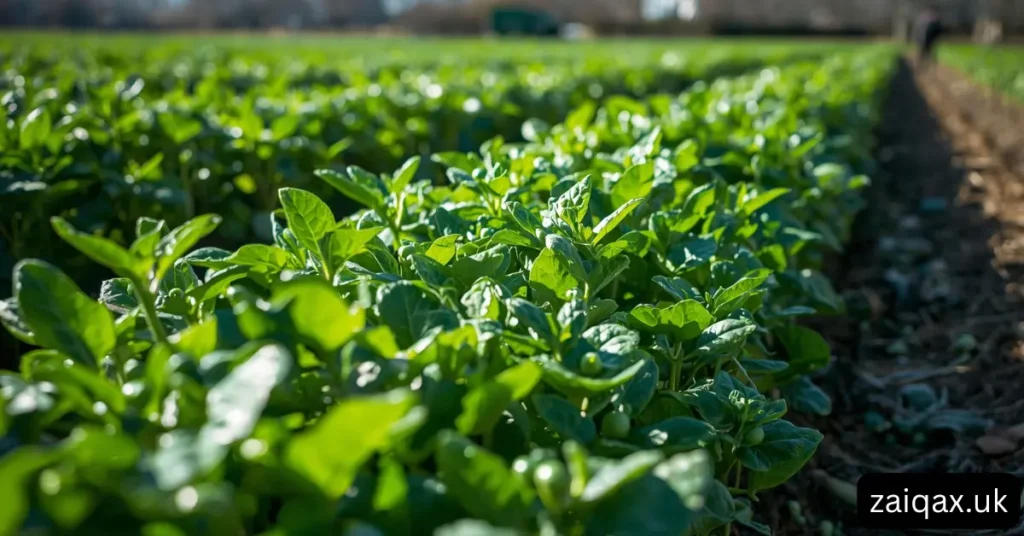
Austrian winter peas are a powerhouse when it comes to planting food plots. They are not only nutritious for wildlife like deer and rabbits but also excellent for improving soil health. If you’re looking to establish a fast-growing, productive food plot, understanding how to grow Austrian winter peas effectively can make all the difference. This guide will walk you through proven tips to grow Austrian winter peas food plot fast, from soil preparation to harvesting. What Are Austrian Winter Peas? Austrian winter peas (Pisum sativum subsp. arvense) are a type of legume that thrives in cooler weather. Unlike other peas, they are extremely hardy and can tolerate frost, making them perfect for fall or early winter planting. These peas are high in protein, making them a favorite among wildlife and livestock. Some of the key benefits of Austrian winter peas include: Fast growth: They establish quickly and provide green cover in weeks. Soil enrichment: They fix nitrogen naturally, improving soil fertility. Wildlife attraction: Deer, rabbits, and other herbivores love them. Erosion control: Their dense growth helps prevent soil erosion. Because of these benefits, Austrian winter peas are a popular choice for hunters, farmers, and gardeners alike. Why Grow Austrian Winter Peas Food Plots? Growing a food plot with Austrian winter peas offers multiple advantages. Not only do they provide a reliable food source for wildlife, but they also enhance soil health for future crops. Fast-growing peas can give you a green, nutrient-rich plot in just a few weeks, even in cooler weather. Some reasons to grow Austrian winter peas food plots include: Wildlife nutrition: They provide protein and energy for deer during colder months. Early spring forage: Peas planted in late summer or fall can continue producing into early spring. Soil improvement: Their nitrogen-fixing ability reduces the need for synthetic fertilizers. Cover crops: They act as natural mulch, protecting soil from winter erosion. If your goal is to grow a food plot fast, Austrian winter peas are one of the most reliable and versatile options. Choosing the Right Location The success of your Austrian winter peas food plot starts with selecting the right location. Choosing an area with optimal sunlight, drainage, and soil quality can significantly impact growth speed. Sunlight Austrian winter peas thrive in full sun but can tolerate partial shade. Ideally, choose a spot that gets 6–8 hours of sunlight daily. Sunlight encourages rapid growth and enhances plant health. Soil Type and Drainage These peas prefer well-drained, loamy soils with a pH between 6.0 and 7.0. While they can tolerate clay or sandy soils, proper drainage is essential to prevent root rot and slow growth. Avoid low-lying areas where water tends to accumulate. Plot Size Your plot size depends on your goals. For wildlife attraction, 1/4 to 1/2 acre is often sufficient. Larger plots work well for multiple purposes, including grazing, cover crops, and soil improvement. Preparing the Soil for Fast Growth Proper soil preparation is crucial for establishing Austrian winter peas quickly. Fast growth starts with fertile, loose soil that allows roots to spread easily. 1. Clear the Land Remove existing weeds, grass, and debris. Austrian winter peas compete poorly with aggressive weeds, so starting with a clean plot is essential. 2. Soil Testing Conduct a soil test to check nutrient levels and pH. Austrian winter peas respond well to balanced fertility, especially phosphorus and potassium. If your soil is acidic, add lime to bring pH to optimal levels. 3. Tilling or No-Till Options You can choose between tilling the soil or using a no-till method. Tilling: Loosens compacted soil, mixes in nutrients, and provides a seedbed for rapid growth. No-till: Works well for existing vegetation. You may need to broadcast seeds and lightly drag them into the soil for good seed-to-soil contact. 4. Fertilization While Austrian winter peas fix nitrogen naturally, they benefit from starter fertilizer high in phosphorus and potassium. Apply fertilizer according to soil test recommendations to encourage fast root and vine growth. Selecting the Best Austrian Winter Peas Variety Choosing the right variety can speed up your food plot growth. Some popular types include: Austrian Winter Pea ‘Austrian Winter’: Fast-growing, frost-tolerant, and ideal for wildlife plots. Austrian Winter Pea ‘Austrian Red’: Produces attractive red pods and provides dense cover. Mixed Varieties: Combining pea types can offer extended growing periods and diverse forage. Selecting a certified seed ensures high germination rates and reduces the risk of disease. Planting Austrian Winter Peas for Fast Growth Timing, seeding rate, and planting method are critical for rapid establishment. Planting Time Fall Planting: 6–8 weeks before the first expected frost. This allows peas to establish before winter. Spring Planting: As soon as soil can be worked. Peas grow quickly in cool spring temperatures. Seeding Rate Broadcast Method: 75–100 pounds per acre. Drilled Method: 60–80 pounds per acre. Drilling seeds ensures better seed-to-soil contact, improving germination and speed of growth. Depth and Spacing Plant seeds 1–2 inches deep. Avoid planting too deep, as shallow planting encourages faster emergence. Space seeds 2–3 inches apart for optimal coverage. Watering and Irrigation Tips While Austrian winter peas are drought-tolerant once established, young seedlings need consistent moisture for rapid growth. Initial Watering: Water immediately after planting to help seeds germinate. Regular Watering: Maintain even soil moisture until peas are 6–8 inches tall. Avoid Overwatering: Excess water can lead to root rot and slow growth. Using drip irrigation or a light sprinkler system ensures uniform watering and promotes fast, healthy growth. Weed and Pest Management Weeds and pests can significantly slow down Austrian winter peas. Fast-growing plots require proactive management. Weed Control Pre-planting: Use a clean seedbed or herbicide if necessary. Post-planting: Light cultivation or mowing before peas emerge can reduce weed competition. Pest Control Common pests include aphids, cutworms, and deer feeding. Use natural pest deterrents or fencing to protect young plants. Once established, Austrian winter peas are resilient and can withstand minor pest activity. Supporting Growth with Companion Planting Companion planting can accelerate growth and improve food plot quality. Cereal grains

Proven Tips to Grow Austrian Winter Peas Food Plot Fast Read More »

Proven Angel Food and Cherry Pie Filling Treat Everyone Loves

Proven Angel Food and Cherry Pie Filling Treat Everyone Loves

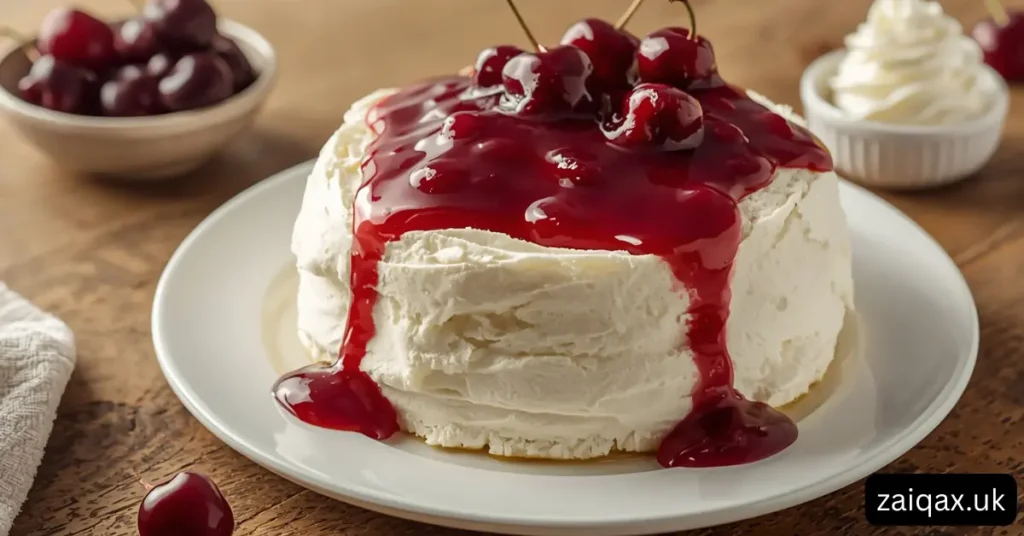
Desserts don’t always need complicated steps, expensive ingredients, or hours in the kitchen to win hearts. Some of the most loved treats are the simplest ones—recipes that feel wistful, taste light, and look beautiful on the table. One such dessert is the proven angel food and cherry pie filling treat everyone loves. This sweet blend has quietly earned its place in family gatherings, potlucks, summer picnics, holiday dinners, and last-minute dessert emergencies. The airy softness of angel food cake paired with the rich, fruity sweetness of cherry pie filling creates a dessert that feels indulgent yet light at the same time. In this article, we’ll explore why this treat works so well, how to prepare it in different ways, creative variations, serving ideas, storage tips, common mistakes to avoid, and why it continues to be a favorite across generations. What Is the Angel Food and Cherry Pie Filling Treat? At its core, this dessert is exactly what it sounds like: a light angel food cake combined with sweet cherry pie filling. But what makes it special isn’t just the ingredients—it’s the balance. Angel food cake is known for its: Fluffy texture Low-fat profile Mild sweetness Cherry pie filling brings: Bold fruity flavor Natural tartness A glossy, eye-catching color When combined, they create a dessert that doesn’t feel heavy or overly sweet. That balance is why the proven angel food and cherry pie filling treat everyone loves has stood the test of time. Why This Dessert Is So Popular 1. It’s Incredibly Easy to Make One of the biggest reasons people love this treat is its simplicity. Even beginners can prepare it without stress. You don’t need: Advanced baking skills Fancy tools Long preparation time This makes it perfect for busy schedules or surprise guests. 2. It Feels Light but Satisfying Many desserts leave you feeling overly full. This one doesn’t. Angel food cake is naturally airy, and cherries add flavor without heaviness. You can enjoy a generous portion without guilt, which is why people often go back for seconds. 3. It Works for Any Occasion The proven angel food and cherry pie filling treat everyone loves fits almost any event: Family dinners Birthday celebrations Summer barbecues Holiday tables Church potlucks Office gatherings Dress it up or keep it simple—it always works. 4. Budget-Friendly Ingredients This dessert is affordable and accessible. Most ingredients are easy to find and don’t strain your budget, making it ideal for feeding a crowd. A Short History of Angel Food Cake Desserts Angel food cake has been around for centuries and gained popularity because it uses whipped egg whites instead of butter or oil. This gave people a dessert that felt “lighter” than traditional cakes. Pairing it with fruit fillings became common because: Fruit adds moisture It enhances flavor naturally It keeps the dessert refreshing Cherries, in particular, became a favorite due to their shaky color and sweet-tart taste. Ingredients Used in the Proven Angel Food and Cherry Pie Filling Treat One reason this dessert remains popular is its simple ingredient list. Core Ingredients Angel food cake (homemade or store-bought) Cherry pie filling Optional Add-Ons Whipped topping Fresh cherries Cream cheese Vanilla extract Powdered sugar These extras allow you to customize the dessert while keeping the original charm intact. Step-by-Step Preparation Guide Step 1: Prepare the Angel Food Cake If using a store-bought cake, simply slice or cube it. If baking at home, allow it to cool completely before setting up the dessert. Cooling is important because warm cake can melt toppings and affect texture. Step 2: Add the Cherry Pie Filling Spread the cherry pie filling evenly over the cake. Make sure it reaches the edges so every bite includes fruit. This layer adds: Moisture Flavor Visual appeal Step 3: Optional Creamy Layer Many people like to add a whipped or creamy layer between or on top of the cake and cherries. This makes the dessert even smoother and richer without overpowering the original flavors. Step 4: Chill Before Serving Chilling the dessert for at least an hour allows the flavors to blend beautifully. It also helps the texture set, making it easier to serve. Different Ways to Serve This Treat One of the best things about the proven angel food and cherry pie filling treat everyone loves is how flexible it is. 1. Layered Dessert Cups Cut the cake into cubes and layer it with cherry filling and whipped topping in clear cups. This is perfect for parties and individual servings. 2. Trifle-Style Bowl Layer everything in a large glass bowl for a stunning presentation. Guests can see the layers, making it visually appealing. 3. Sheet Pan Dessert Spread the cake in a pan, top with cherry filling and cream, then chill and slice. This works great for feeding large groups. 4. Cake Topping Style Serve slices of angel food cake with warm or chilled cherry pie filling spooned on top. Creative Variations to Try While the classic version is always a hit, variations keep things exciting. Cherry Cheesecake Version Add a light cream cheese layer to transform it into a cherry cheesecake-style dessert. This version feels richer and more indulgent. Chocolate Cherry Twist Drizzle a small amount of chocolate sauce over the cherry layer for a bold flavor contrast. Fresh Fruit Blend Mix cherry pie filling with fresh berries to add texture and freshness. Sugar-Free Option Use sugar-free cherry pie filling and a low-sugar angel food cake for a lighter version that still tastes great. Why Everyone Truly Loves This Dessert It Brings Comfort This dessert reminds many people of family gatherings, childhood treats, and homemade meals. That emotional connection makes it even more special. It’s Hard to Mess Up Even if you’re not confident in the kitchen, this recipe is forgiving. The result almost always tastes good. It Looks Beautiful Without Effort The bright red cherries against the white cake create a dessert that looks professionally made with minimal effort. Nutritional Perspective While still a dessert, angel food cake is generally

Proven Angel Food and Cherry Pie Filling Treat Everyone Loves Read More »

African American Spiritual Friday Blessings — A Deep, Uplifting, and Easy-to-Read Guide

Fridays have always held a special place in the rhythm of African American spiritual life. It’s the end of the workweek, the doorway into rest, and a reminder of God’s presence after days of labor, stress, and struggle. African American spiritual Friday blessings are more than just words — they are a tradition, a source of hope, and a powerful part of Black spiritual identity. In this comprehensive guide, we will explore the meaning, history, and power of African American spiritual blessings specifically connected to Friday. You will understand why these blessings touch millions of hearts, how they connect to cultural resilience, and how you can use them in your own spiritual practice. This article is written in an easy tone, filled with meaning, comfort, and authenticity. Let’s walk through the rich spiritual tradition together. 1. What Are African American Spiritual Friday Blessings? African American spiritual Friday blessings are expressions, prayers, and affirmations shared at the end of the week to encourage: renewal hope divine protection gratitude rest joy community unity They are often rooted in the long history of African American faith traditions — from early spirituals sung in fields to modern prayers in churches and homes. These blessings remind people that God walks with them, especially during challenging times. Fridays symbolize the transition from struggle to rest, from stress to peace, from burdens to blessings. 2. The Cultural Soul Behind Friday Blessings There is a deep cultural meaning behind these blessings. A Legacy of Hope During centuries of hardship, African Americans held on to faith as their strongest anchor. Spiritual songs and prayers were often created on Fridays as workers prepared for the only day of rest they might have. This tradition continued through: slavery Reconstruction the Civil Rights era modern-day life Friday blessings became symbols of relief — emotional, spiritual, and physical. A Weekly Reset In African American communities, Friday acts as a reset button. It is the moment to release the week’s worries and enter a sacred space of gratitude and peace. A Day to Honor God’s Protection African American spiritual practices often highlight God as a protector. A Friday blessing often includes: “Cover me, Lord.” “Guide my steps, Lord.” “Let no harm come near me.” This is a reminder that each week was survived through divine strength. 3. Why Fridays Are Spiritually Meaningful Fridays sit between two worlds — the world of work and the world of worship. 1. Completion Friday marks the completion of another week. Completion is spiritually powerful because it teaches gratitude and reflection. 2. Rest The African American experience has always valued rest as a sacred act because historically, rest was often denied. Today, Friday symbolizes the start of rest for the mind, heart, and body. 3. Renewal Many African American spiritual prayers bless Friday as a day of renewal: renewal of strength renewal of faith renewal of hope 4. Community Connection In Black churches, Friday evening prayer gatherings or rehearsals have long brought people together. Even outside church settings, blessings are exchanged through texts, calls, or social media posts. The Spiritual Elements of African American Friday Blessings African American Friday blessings usually carry these spiritual themes: 1. Gratitude A thankful heart is deeply tied to African American theology. Many blessings thank God for: protection provision strength survival one more week of life 2. Hope and Encouragement Friday blessings remind people that better days are ahead, no matter what the week brought. 3. Protection and Safety These blessings often include prayers for: safe travel safe work protection from harm spiritual covering 4. Joy and Peace Joy is a central part of African American spirituality because it represents freedom of the soul. Friday blessings often say: “May peace fill your heart.” “May joy rise in your spirit.” 5. Faith in God’s Presence African American spirituality deeply believes that God walks with His people daily. Friday blessings affirm God’s nearness and care. 5. How African American Friday Blessings Are Used Today Friday blessings are shared in many ways, including: 1. Text Messages People send blessings to family, friends, coworkers, and church members. 2. Social Media Posts Inspirational Friday blessings are shared widely on: Facebook Instagram WhatsApp TikTok Twitter/X 3. Church Gatherings Friday night church services, prayer meetings, or choir rehearsals often start with a Friday blessing or devotion. 4. Family Circles Many families share a short prayer or blessing before starting their weekend. 5. Personal Prayer Time Individuals speak Friday blessings over themselves as part of their spiritual practice. 6. Examples of African American Spiritual Friday Blessings Here are inspirational examples written in a natural, soulful tone that reflects African American spiritual tradition. Short Blessings “May God guide your steps this Friday and give peace to everything heavy on your heart.” “Blessings on your Friday — may joy rise, may hope shine, and may God walk beside you.” “May this Friday bring you rest, restoration, and renewed strength in the Lord.” “God’s favor go before you today and His peace surround you.” Medium-Length Blessings “As this Friday unfolds, may God lift every burden from your shoulders. May your spirit feel lighter, your heart grow stronger, and your day overflow with grace.” “May God’s hands cover you, His presence comfort you, and His light guide you into a weekend filled with joy, healing, and divine peace.” “On this blessed Friday, may you remember how far God has carried you. May your soul rest in His goodness and your mind stay covered in His perfect peace.” Long, Deeply Spiritual Blessings “This Friday, may God open doors no one can close. May He remove every obstacle standing in your path. May He restore everything you lost this week and strengthen everything that grew weak. May His love fall on you like rain — refreshing, renewing, and reminding you that you are never alone.” “Today, may your steps be firm and your spirit unshaken. May God speak peace into every situation and shine His light over your family. May every worry be replaced with faith, and

African American Spiritual Friday Blessings — A Deep, Uplifting, and Easy-to-Read Guide Read More »

Soft Food Diet for Braces – Foods That Actually Work for Comfort and Faster Healing

Getting braces is a big step toward a healthier, more confident smile. But along with straightening teeth comes a common challenge—what to eat. Hard, crunchy, sticky, or chewy foods can damage braces, cause pain, or slow down progress. That’s why following a soft food diet for braces is not just helpful—it’s essential. Many people struggle during the first few days or weeks after getting braces or after adjustments. Teeth feel sore, gums are sensitive, and chewing becomes uncomfortable. This is where soft foods for braces that actually work make all the difference. In this complete guide, you’ll learn: What a soft food diet for braces really means  Why soft foods are important for braces wearers  The best soft foods that actually work  Foods to avoid completely  Soft food ideas for every meal  Tips to eat comfortably with braces  How long you should follow a soft food diet  This article is written in simple, easy language so anyone can understand and apply it. What Is a Soft Food Diet for Braces? A soft food diet for braces includes foods that require minimal chewing and do not put pressure on your teeth or brackets. These foods are gentle on your mouth, easy to chew, and safe for orthodontic appliances. Soft foods are usually: Easy to bite  Easy to chew  Non-sticky  Not crunchy or hard  Gentle on sore teeth and gums  This type of diet is especially important: Right after getting braces  After braces tightening or adjustments  When teeth feel sore or sensitive  Eating the right soft foods helps reduce pain and prevents damage to your braces. Why a Soft Food Diet Is Important for Braces Braces work by slowly applying pressure to move teeth into proper alignment. This process naturally causes discomfort, especially in the early stages. Benefits of a Soft Food Diet for Braces 1. Reduces Pain and Soreness Soft foods don’t require heavy chewing, which helps minimize pressure on sensitive teeth. 2. Protects Braces from Damage Hard or sticky foods can break brackets or bend wires. Soft foods keep braces safe. 3. Promotes Faster Healing Less irritation means gums and teeth can adjust more easily. 4. Improves Eating Comfort You can enjoy meals without fear or discomfort. 5. Supports Better Oral Hygiene Soft foods are often easier to clean from braces. A proper soft food diet makes the braces journey much smoother. How Long Should You Follow a Soft Food Diet for Braces? Many people ask how long they need to eat soft foods. General Timeline First 3–5 days after getting braces: Soft foods are highly recommended  After each adjustment: Soft foods for 1–3 days  Sensitive days: Anytime teeth feel sore  You don’t need to eat soft foods forever. As your mouth adjusts, you can slowly add firmer foods—while still avoiding hard or sticky items. Best Soft Foods for Braces That Actually Work Let’s explore the most effective soft foods for braces. These foods are not only safe but also satisfying and nutritious. Soft Breakfast Foods for Braces Breakfast can be tricky when your teeth are sore. These soft breakfast foods make mornings easier. 1. Oatmeal Warm, soft, and filling. Oatmeal is gentle on teeth and easy to swallow. 2. Scrambled Eggs Soft eggs are high in protein and perfect for braces wearers. 3. Yogurt Smooth and creamy, yogurt is ideal when chewing hurts. 4. Smoothies Blended fruits, milk, or yogurt make a nutritious, no-chew breakfast. 5. Pancakes Soft pancakes without hard toppings are braces-friendly. Soft Lunch Foods for Braces Lunch should be satisfying but gentle. These foods actually work for braces. 1. Mashed Potatoes Easy to eat, comforting, and very braces-safe. 2. Soft Rice Well-cooked rice pairs well with soft vegetables or sauces. 3. Pasta Plain or with soft sauces like cheese or tomato sauce works well. 4. Soft Sandwich Fillings Use soft bread with fillings like egg salad or mashed avocado. 5. Soup Warm soups without hard chunks are perfect for sore teeth. Soft Dinner Foods for Braces Dinner meals can still be enjoyable with the right choices. 1. Soft Cooked Vegetables Vegetables cooked until tender are easy to chew. 2. Fish Soft fish like baked or steamed fish works very well. 3. Soft Chicken Finely shredded or slow-cooked chicken is safe if very tender. 4. Casseroles Soft casseroles with pasta, rice, or vegetables are braces-friendly. 5. Stews Slow-cooked stews with soft ingredients are easy on teeth. Soft Snacks for Braces Snacking doesn’t have to stop with braces. 1. Applesauce Smooth and gentle with natural sweetness. 2. Pudding Soft texture makes it easy to eat anytime. 3. Ice Cream Soft ice cream can even soothe sore teeth (avoid hard mix-ins). 4. Cottage Cheese Soft, protein-rich, and braces-safe. 5. Ripe Bananas Easy to mash and chew with minimal effort. Soft Desserts for Braces Yes, you can still enjoy desserts! 1. Soft Cake Avoid hard toppings or crunchy layers. 2. Brownies Soft brownies without nuts work well. 3. Custard Smooth texture, no chewing needed. 4. Mousse Light and airy, very gentle on teeth. 5. Cheesecake Soft cheesecake without crust chunks is braces-friendly. Foods to Avoid With Braces Knowing what not to eat is just as important. Hard Foods to Avoid Nuts  Ice  Hard candies  Popcorn kernels  Raw carrots  Sticky Foods to Avoid Chewing gum  Caramel  Toffee  Gummy candies  Crunchy Foods to Avoid Chips  Crackers  Pretzels  Chewy Foods to Avoid Tough meats  Bagels  Hard bread  These foods can damage braces and cause pain. Why Soft Foods Actually Work for Braces Not all foods labeled “soft” are braces-safe. The foods listed above actually work because they: Require minimal chewing  Don’t stick to brackets  Don’t put pressure on wires  Reduce irritation  Support healing  Choosing the right soft foods helps you stay comfortable while keeping your braces intact. Tips for Eating Comfortably With Braces 1. Cut Food Into Small Pieces Smaller bites reduce pressure on teeth. 2. Chew Slowly Take your time and chew gently. 3. Avoid Using Front Teeth Use back teeth when possible. 4. Drink Water While Eating Helps food go

Soft Food Diet for Braces – Foods That Actually Work for Comfort and Faster Healing Read More »

Hidden Japanese Conger Fish Recipe for Ultimate Flavor

Japan has a wide array of seafood dishes, and few are as mysterious and flavorful as the Hidden Japanese Conger Fish Recipe for Ultimate Flavor. Within traditional Japanese cuisine, Anago, as conger eel is called, occupies a special place. Among conger eel’s attributes are a gentle taste, a soft texture, and the unique ability to absorb the flavors of accompanying sauces. No wonder it’s a hidden gem for lovers of seafood. This article provides insight into the unique, and hidden, Japanese method for preparing conger to achieve the melt-in-your-mouth texture that is the hallmark of Japanese cooking. No matter your skill level, beginner or cooking enthusiast, this step by step recipe allows you to prepare the most conger fish and provides you with the most authentic conger fish meal. What Is Conger Fish? Now that the recipe is to hand, let’s consider what conger fish actually is. Conger fish is a member of the eel family and is called Anago in Japanese. It must be noted that Conger is not unagi (freshwater eel). Unlike unagi, conger eel lives in saltwater and has a milder, lighter flavor compared to its unagi counterpart. For dishes that need a soft, refined texture, Japanese people liked to prepare it with conger. Depending on the region, it is served grilled, simmered, or fried. In old Tokyo cuisine, it is sushi and called anago nigiri, which is lightly brushed with sweet soy glaze. Why Japanese Chefs Love Conger Fish Japanese chefs adore conger fish because it’s incredibly versatile. It absorbs sauces beautifully and maintains its tenderness during cooking. Here’s why it’s so loved: Delicate flavor: Mild and elegant, not overly fishy. Soft texture: When cooked right, it almost melts in your mouth. Nutrient-rich: Packed with protein, calcium, and vitamins A and D. Perfect for sushi or grilled dishes: The flavor complements traditional Japanese sauces. This balance of health and taste makes the Hidden Japanese Conger Fish Recipe for Ultimate Flavor a true culinary treasure. The Hidden Secrets Behind the Recipe What makes this conger fish recipe “hidden” isn’t just the ingredients — it’s the technique. Japanese cooking relies heavily on precision, patience, and balance. Every detail matters — from slicing to seasoning. Here are the hidden secrets Japanese chefs use to make the ultimate conger fish: Use live or freshly caught conger fish for the best flavor. Simmer before grilling — this softens the meat and removes excess oil. Brush with tare sauce (sweet soy glaze) in layers for shine and depth. Serve immediately after grilling for the freshest texture. Add a dash of mirin to enhance sweetness without overpowering the flavor. These small steps transform an ordinary conger fish into an unforgettable dish. Ingredients You’ll Need To make the Hidden Japanese Conger Fish Recipe for Ultimate Flavor, gather the following ingredients: For the Conger Fish 2 fresh conger fish fillets (Anago) 1 tablespoon salt 1 tablespoon sake (Japanese rice wine) 2 cups dashi (Japanese fish stock) For the Glaze (Tare Sauce) 3 tablespoons soy sauce 2 tablespoons mirin (sweet rice wine) 2 tablespoons sugar 1 tablespoon sake For Serving Cooked sushi rice or steamed rice Finely chopped scallions Toasted sesame seeds Pickled ginger or wasabi (optional) Step-by-Step Cooking Instructions Step 1: Prepare the Conger Fish Rinse the conger fish fillets under cold water. Sprinkle salt over them and let sit for 10 minutes. This helps remove excess slime and odor. Rinse again, then pat dry with a clean towel. Next, pour a little sake over the fillets to remove any remaining fishiness. Japanese chefs always say — purity of ingredients leads to purity of flavor. Step 2: Simmer the Fish In a pot, add dashi stock and bring it to a light boil. Place the fish fillets gently into the simmering liquid. Cook for about 5–7 minutes until the flesh becomes tender but not overcooked. Remove carefully and let cool. This step ensures your fish stays soft and absorbs the glaze beautifully later. Step 3: Prepare the Sweet Soy Glaze In a small saucepan, mix soy sauce, mirin, sugar, and sake. Simmer on low heat for about 10 minutes until it thickens slightly into a glossy glaze. The aroma should be rich and slightly sweet — this is your tare sauce, the soul of this recipe. Step 4: Grill for Perfection Heat a grill pan or use a traditional Japanese charcoal grill (shichirin). Brush a thin layer of tare sauce on the fish and grill for 1–2 minutes per side. Reapply the glaze several times during grilling to build up flavor and shine. The surface should turn golden and slightly crisp, while the inside stays soft — this is the hallmark of the Hidden Japanese Conger Fish Recipe for Ultimate Flavor. Step 5: Serve and Garnish Place your grilled conger fish on a plate of warm rice. Brush one last layer of glaze for that appetizing glossy finish. Sprinkle chopped scallions and sesame seeds. Add pickled ginger or wasabi on the side for contrast. Serve immediately. Every bite will give you the perfect balance of sweetness, saltiness, and umami. The Secret Behind the Ultimate Flavor What gives this dish its ultimate flavor is balance — the harmony between sauce, texture, and aroma. Japanese cuisine is built on subtlety, and this recipe showcases that philosophy. Here’s what enhances the flavor: Dashi base: Adds umami depth. Mirin and soy sauce: Provide sweetness and saltiness. Grilling technique: Adds smoky aroma and crisp surface. Timing: Quick glazing prevents overcooking and locks in moisture. These elements combine to create a dish that’s rich, elegant, and authentically Japanese. Cultural Significance of Conger Fish in Japan In Japanese cooking, particularly in Edo which is now Tokyo, conger fish has a classic and important role. During the Edo period, the working class loved it because it was cheap and tasty, and it could be found easily at sushi stands as well as in rice bowls, anago-don.   Conger fish is still eaten as a nostalgic and comforting dish. It is served during summer

Hidden Japanese Conger Fish Recipe for Ultimate Flavor Read More »

shocking trick for golden and crunchy baked smelt fish

Shocking Trick for Golden and Crunchy Baked Smelt Fish

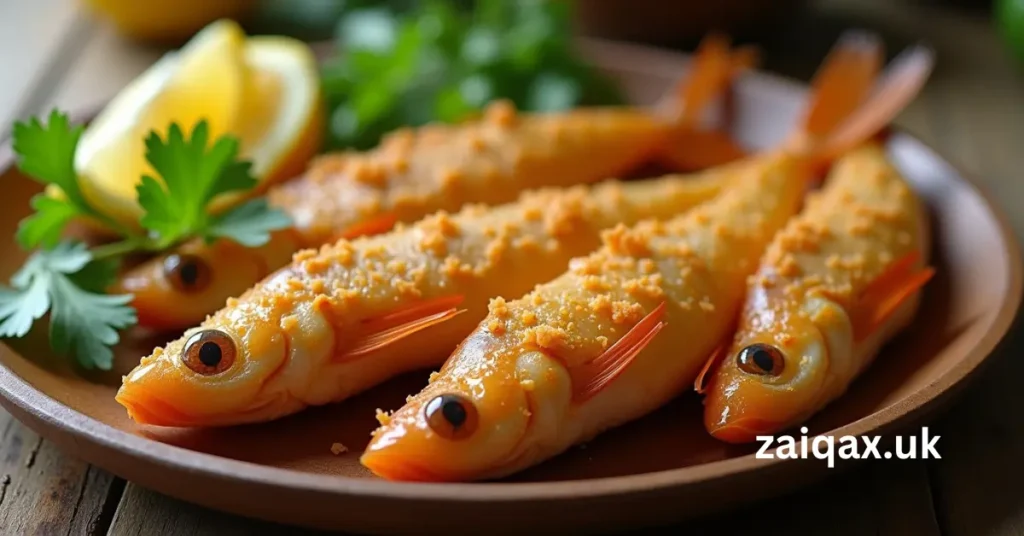
 If you love seafood, you know how delicious smelt fish can be. Tiny, crispy, and full of flavor, these little fish are a perfect snack or main dish. But getting that perfect golden and crunchy texture can be tricky. Many people bake smelt fish and end up with soggy results. Others fry them, but that adds too much oil. In this article, we’ll reveal the shocking trick for golden and crunchy baked smelt fish — a method that keeps them crispy, flavorful, and healthy. Get ready to master this recipe like a pro. What Is Smelt Fish? Small and silvery, smelt fish are frequently found in cold waters. They are popular in Asian, Mediterranean, and North American cuisines. They have a mild, slightly sweet flavor that pairs well with simple seasonings. Smelt fish are usually eaten whole. Their bones are soft and edible, making them easy to cook and enjoy. When baked right, smelt fish turn beautifully golden with a satisfying crunch. Why People Love Baked Smelt Fish There are many reasons baked smelt fish has become a favorite among seafood lovers: Crispy and light texture without frying. Rich in omega-3 fatty acids, good for heart and brain health. Quick and easy to prepare in under 30 minutes. Low in calories compared to fried versions. Perfect for parties, snacks, or weeknight dinners.   Now let’s uncover the secret that makes your smelt fish turn golden and crunchy every single time. The Shocking Trick for Golden and Crunchy Baked Smelt Fish Here’s the big secret: Use a wire rack and a cornstarch coating. Yes, that’s it — simple but game-changing. 1. The Wire Rack Method When you place smelt fish directly on a baking tray, moisture builds up underneath. That makes the bottom soft and soggy. By using a wire rack placed over your baking tray, the hot air can circulate evenly around each fish. This allows them to bake from all sides and get crispy all over, just like they were fried. 2. The Cornstarch Coating Many people use flour or breadcrumbs, but cornstarch creates a lighter, airier crust. It absorbs surface moisture and gives a delicate, golden crunch. The trick is to mix a little oil with the cornstarch before coating the fish. This helps it stick better and creates a crisp, thin shell once baked. Ingredients You’ll Need Here’s a simple list for making your golden and crunchy baked smelt fish: 1 pound of cleaned smelt fish 3 tablespoons cornstarch 1 tablespoon all-purpose flour 1 teaspoon garlic powder 1 teaspoon paprika ½ teaspoon black pepper ½ teaspoon salt 1 tablespoon olive oil (or any light oil) Lemon wedges (for serving) Fresh parsley (optional, for garnish) Step-by-Step Recipe for Golden and Crunchy Baked Smelt Fish Let’s go step by step and make this easy, healthy, and incredibly crispy dish. Step 1: Preheat the Oven Preheat your oven to 425°F (220°C). This high temperature is essential for that golden crunch. Step 2: Prepare the Baking Setup Line a baking tray with foil or parchment paper for easy cleaning. Place a wire rack on top of it. Spray or brush the rack lightly with oil to prevent sticking. Step 3: Dry the Smelt Fish Pat the smelt fish dry with paper towels. Removing moisture is key — it helps the coating stick and crisp up better. Step 4: Make the Coating In a bowl, mix together: Cornstarch Flour Garlic powder Paprika Salt Black pepper Add a spoon of olive oil and mix again. You’ll get a light, crumbly coating mixture. Step 5: Coat the Fish Toss the smelt fish gently in the coating mix. Make sure each fish is evenly covered but not clumpy. Step 6: Arrange on the Wire Rack Place the coated smelt fish in a single layer on the wire rack. Make sure they don’t overlap. Step 7: Bake Until Golden Bake for 15 to 20 minutes, turning once halfway through. When done, the fish should look golden, crunchy, and slightly puffed. Step 8: Serve and Enjoy Serve your baked smelt fish hot with lemon wedges and fresh parsley. They taste amazing with garlic mayo or a spicy dipping sauce. Tips for Perfectly Crunchy Baked Smelt Fish Want restaurant-level crunch every time? Follow these pro tips: Don’t overcrowd the tray. Air circulation is key to crispiness. Use cold fish. Slightly chilled fish help the coating stick better. Add a dash of baking powder to the coating for extra lift. Brush lightly with oil before baking. This helps browning. Flip halfway through baking for even color and texture. Let them rest for 3 minutes before serving to keep the crust crisp. Healthy Benefits of Baked Smelt Fish Smelt fish aren’t just tasty — they’re packed with nutrition. Here’s why you should enjoy them more often: Rich in Omega-3 fatty acids – great for heart health. High in protein – supports muscle growth and energy. Low in calories – perfect for weight-conscious eaters. Source of calcium and vitamins – good for bones and skin. Low in mercury – safer compared to larger fish. Baking instead of frying also reduces oil intake, making it a healthier alternative to traditional recipes. Variations of the Baked Smelt Fish Recipe Once you’ve mastered the basic version, try these fun twists. 1. Spicy Smelt Fish Add chili flakes or cayenne powder to the coating for heat lovers. 2. Lemon-Herb Smelt Fish Mix dried thyme, dill, or rosemary into the coating. Serve with lemon slices for a zesty flavor. 3. Parmesan Crusted Smelt Fish Mix 2 tablespoons of grated Parmesan cheese with the coating mix. This gives a cheesy aroma and extra crunch. 4. Panko Crust/ Replace half of the cornstarch with panko breadcrumbs for a crispier, chunkier texture. Serving Ideas Baked smelt fish are versatile and pair well with many sides. Try serving them with: Fresh green salad Garlic mashed potatoes Coleslaw Grilled vegetables Rice pilaf Tartar or spicy dipping sauce They also make great party snacks or appetizers. Common Mistakes to Avoid Even simple

Shocking Trick for Golden and Crunchy Baked Smelt Fish Read More »

zaiqax.uk (13)

Why Bonnie Cat Food Is Taking Over Pet Stores Fast

If you have walked into a pet store lately, you may have noticed one brand name appearing more and more often — Bonnie Cat Food. From small local shops to large retail chains, this brand seems to be everywhere. Pet owners are talking about it, online reviews are buzzing, and even veterinarians are starting to recommend it. So, what’s behind the sudden rise of Bonnie Cat Food? Why is it becoming one of the most popular cat food choices around the world? In this article, we’ll dive deep into the reasons why Bonnie Cat Food is taking over pet stores fast. You’ll learn about its ingredients, quality, nutritional value, and what makes it stand out from the competition. 1. The Growing Trust in Bonnie Cat Food In the pet food industry, trust matters more than anything. Pet parents want to be sure that the food they give their cats is safe, nutritious, and worth the price. Bonnie Cat Food has built that trust step by step. One key reason for this trust is transparency. The company clearly lists all ingredients on its packaging. There are no “meat by-products.” Every ingredient is clear and straightforward. Customers appreciate this transparency.  Bonnie built a big loyal customer base from word-of-mouth referrals. Many customers report poor digestive health, allergies, and lethargy when feeding other brands and are relieved to find Bonnie.  After switching, they noticed improvements within weeks. This word-of-mouth growth has helped Bonnie Cat Food spread faster than any traditional advertisement could. 2. Made with High-Quality Ingredient Bonnie Cat Food would not thrive without quality ingredients. Many commercial brands use corn, wheat, and other artificial fillers, while Bonnie is focused on meat and wholesome nutrition. Key Ingredients Found in Bonnie Cat Food Real Meat Proteins: Chicken, salmon, and lamb are common sources of protein in Bonnie recipes. Natural Fats: These provide essential energy and promote a shiny coat. Essential Vitamins and Minerals: To support strong bones, good eyesight, and a healthy immune system. Omega-3 and Omega-6 Fatty Acids: For skin health and coat shine. Taurine: A vital amino acid that supports heart and eye health in cats. Every bag of Bonnie Cat Food is designed to give cats the nutrients they need to live an active, happy life. No cheap fillers. No fake flavors. Just wholesome goodness. 3. A Focus on Feline Health and Well-Being Cats are unique animals. Their nutritional needs differ greatly from dogs or humans. Bonnie Cat Food was designed with this in mind. The company worked closely with animal nutritionists and veterinarians to create formulas that truly meet the biological needs of cats. Here’s how Bonnie supports overall feline health: Digestive Health: Contains prebiotics and fiber to support gut balance. Urinary Tract Care: Balanced minerals to help prevent urinary problems. Strong Immunity: Enriched with antioxidants and vitamins. Healthy Weight Maintenance: Proper calorie levels for both active and indoor cats. Many customers say their cats have softer fur, brighter eyes, and more energy since switching to Bonnie Cat Food. This kind of visible improvement keeps pet owners loyal to the brand. 4. Wide Range of Formulas for Every Cat Bonnie Cat Food’s wide range of products is another factor contributing to its rapid takeover of pet stores. Like people, cats have their own needs and preferences. Some people have sensitive stomachs, while others are finicky eaters. Bonnie is aware of this and provides a large range of formulas to suit the lifestyles of all cats. Popular Bonnie Cat Food Varieties Bonnie Adult Cat Food: Balanced nutrition for everyday energy. Bonnie Kitten Food: Extra protein and calcium for growing kittens. Bonnie Indoor Cat Formula: Lower fat content for less active indoor cats. Bonnie Hairball Control Formula: Helps reduce hairballs naturally. Bonnie Sensitive Stomach Recipe: Gentle on digestion. Bonnie Sterilised Cat Formula: Maintains a healthy weight after neutering. This wide range means that no matter your cat’s age, size, or health condition, there’s a Bonnie Cat Food option that fits perfectly. 5. Affordable Premium Nutrition Bonnie Cat Food strikes a balance between reasonable prices and quality, unlike competitor premium prices in the market. Cat owners like the fact that they are providing their pets an economical, yet a nutritionally balanced diet.   This brand attributes their cost effective goods to their low budget production and their strategic acquisition of raw inputs.  This combination of premium quality at a fair price is one of the key factors behind its rapid growth in pet stores. 6. Great Taste Cats Actually Love Cat food of any sort, regardless of its quality, does not mean anything if your cat will not eat it. Luckily, Bonnie Cat Food is known to appeal to cats and their owners.   The real meat, natural fats, and balanced recipes mean that Bonnie Cat Food pleases the finickiest cats. Many owners mention that their pets now rush to their bowls at mealtime — something that didn’t happen with other brands. This “taste appeal” is one of the main reasons Bonnie Cat Food continues to fly off the shelves. 7. Positive Reviews and Customer Loyalty Online reviews and social media buzz have played a huge role in the success of Bonnie Cat Food. Pet owners love sharing their experiences — and the feedback is overwhelmingly positive. Here’s what cat owners often highlight: Better digestion and fewer stomach issues. More energy and playful behavior. Healthier coats with noticeable shine. Good value for money. Positive word-of-mouth marketing has boosted Bonnie Cat Food’s reputation. Each satisfied customer becomes a brand ambassador, recommending it to other pet lovers. 8. Eco-Friendly and Responsible Packaging Modern consumers care not only about what’s inside the bag but also about the impact their purchase has on the planet. Bonnie Cat Food has embraced sustainability. The brand uses recyclable and eco-friendly packaging materials, reducing plastic waste and promoting environmental responsibility. This commitment to sustainability attracts a new generation of conscious buyers who prefer brands that care about animals and the planet. 9. Recommended by Veterinarians and Nutrition Experts As more pet owners

Why Bonnie Cat Food Is Taking Over Pet Stores Fast Read More »

Scroll to Top